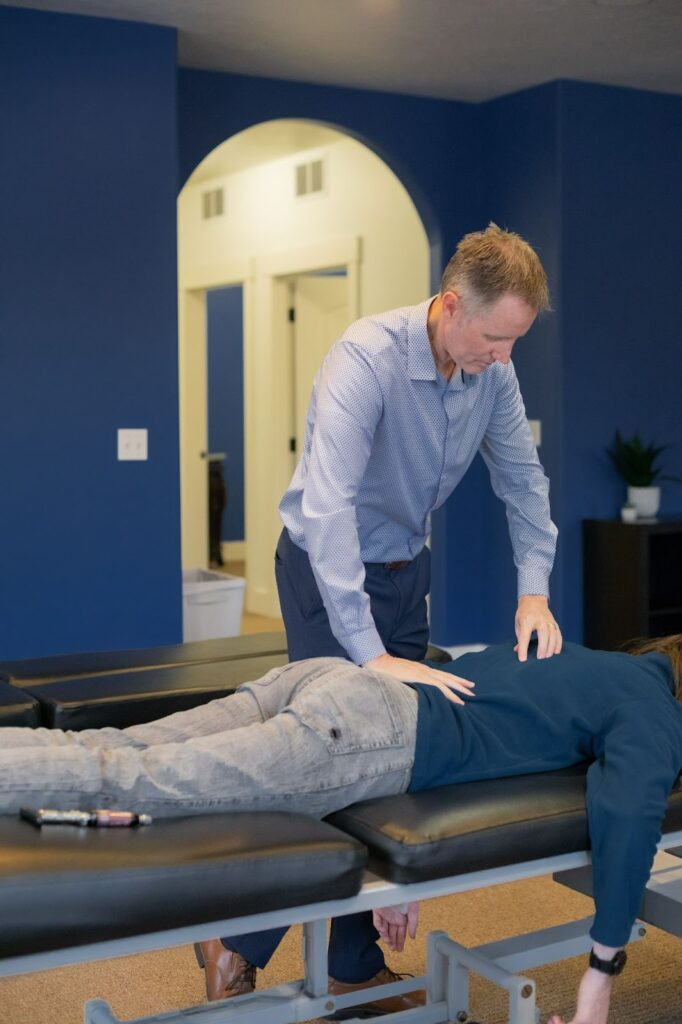

If you’re experiencing back pain, it can be overwhelming to seek out sustainable relief options. As a local chiropractor, I want to emphasize that finding effective solutions requires more than just quick fixes. It’s important to incorporate holistic approaches into your daily life for long-term wellness.
Regular physical activity is crucial; it strengthens your muscles and enhances flexibility, which can significantly alleviate discomfort. Additionally, being mindful of your posture throughout the day can prevent strain on your back. Simple adjustments, such as sitting up straight or using ergonomic furniture, can make a big difference.
Mindful practices, such as yoga or meditation, can also provide relief by reducing stress and promoting relaxation. These techniques not only help in managing pain but also contribute to overall well-being.
So, what specific strategies should you consider? Let’s explore various chiropractic methods and natural healing techniques that can help you effectively manage and relieve your back pain. Your journey to wellness starts with understanding these options and taking proactive steps towards a healthier back.
Understanding the Causes of Back Pain
As a local chiropractor, I want to help you understand the various factors that can contribute to back pain. It’s important to recognize that back pain doesn’t just happen; there are often underlying causes that we can address together.
One common issue is poor posture. If you find yourself sitting for long periods without proper support, your spine may be under strain, leading to discomfort. Additionally, if you overexert yourself during physical activities—especially when lifting heavy objects incorrectly—you could be setting yourself up for injury.
Age is another significant factor in back pain. As we grow older, our spines naturally experience wear and tear, which can lead to conditions such as arthritis or degenerative disc disease. It’s a part of the aging process, but it doesn’t mean you have to live with pain.
Stress and anxiety can also play a role, as they often result in muscle tension that exacerbates back discomfort.
Finally, there may be underlying medical conditions at play, such as herniated discs or scoliosis, that contribute to ongoing issues.
As your chiropractor, I’m here to help you identify the root cause of your pain. By doing so, we can work together towards effective relief and pave the way for a healthier, pain-free back through natural healing methods.
Let’s take this journey toward better spinal health together!
The Role of Physical Activity and Exercise
As a local chiropractor, I want to emphasize the crucial role that physical activity and exercise play in managing and preventing back pain. Engaging in regular physical activity is essential because it helps strengthen the muscles that support your spine, thereby improving your overall stability.
Gentle activities such as walking, swimming, or cycling not only enhance flexibility but also increase blood flow to the areas affected by pain, which can significantly promote healing.
In my practice, I often recommend incorporating targeted exercises into your routine. Core strengthening and stretching can alleviate tension in your back, leading to better posture and improved body mechanics. This not only helps relieve current pain but also reduces the risk of future episodes.
Additionally, staying active is vital for maintaining a healthy weight, which can lessen the stress placed on your back. It’s important to listen to your body; if you’re currently experiencing pain, high-impact activities may not be suitable.
Remember, consistency is key! Even short, daily sessions of light exercise can make a remarkable difference in your back health.
Importance of Posture and Ergonomics
As a local chiropractor, I want to emphasize the crucial role that your posture plays in maintaining your overall health and preventing back pain.
It’s vital to be mindful of how you sit and move throughout the day, as poor posture can lead to discomfort and long-term issues.
Making simple ergonomic adjustments in your workspace can significantly alleviate strain on your back and enhance your comfort levels.
By focusing on proper sitting techniques, such as keeping your feet flat on the floor and your back supported, you can create a healthier environment for yourself.
Remember, the way you position your body matters, and by prioritizing ergonomics, you not only improve your posture but also contribute to your well-being.
If you’re unsure where to start, I’m here to help guide you towards a more comfortable and pain-free lifestyle.
Correct Sitting Techniques
As a local chiropractor, I want to emphasize the importance of proper sitting techniques for maintaining your overall spinal health. Many people overlook how crucial good posture is in preventing back pain, but it truly makes a difference.
When you sit, it’s vital to keep your feet flat on the floor and your knees bent at a right angle. Ensure that your back is straight and your shoulders are relaxed—not slouched.
Choosing a chair that supports the natural curve of your spine is key, and if you need extra support, consider using a cushion. Additionally, positioning your computer screen at eye level is essential to keep your neck in a neutral position, helping to prevent strain.
I also encourage you to take regular breaks to stand, stretch, and move around. These simple adjustments in your sitting habits can greatly enhance your comfort levels and significantly reduce the risk of back pain over time.
Workplace Ergonomic Adjustments
As a chiropractor, I want to emphasize the importance of maintaining good posture while working at your desk. It’s crucial not only for immediate comfort but also for your long-term spinal health.
Here are some essential ergonomic adjustments you can make to create a healthier workspace:
- Chair Height: It’s vital to adjust your chair so that your feet are flat on the ground, with your knees aligned at hip level. This positioning helps keep your spine in proper alignment, reducing the risk of discomfort and injury over time.
- Monitor Position: Ensure that your monitor is at eye level and approximately an arm’s length away. This setup minimizes strain on your neck and eyes, allowing you to work for longer periods without discomfort.
- Keyboard Placement: Your keyboard should be positioned at a comfortable height, allowing your elbows to form a 90-degree angle. This arrangement helps prevent wrist strain and encourages better typing posture, which is essential for avoiding repetitive strain injuries.
By implementing these ergonomic adjustments, you can significantly improve your overall well-being and prevent common musculoskeletal issues.
Mindfulness and Stress Management Techniques
As a local chiropractor, I want to share how managing stress and practicing mindfulness can significantly alleviate your back pain.
Many people are unaware that incorporating breathing exercises, meditation, and yoga into your daily routine can’t only promote relaxation but also enhance your overall well-being.
These techniques can work in harmony with chiropractic care to help you find relief and restore balance in your life.
Let’s dive into how these natural healing methods can complement your journey towards a healthier back and a more peaceful mind.
Breathing Exercises Benefits
As a local chiropractor, I often emphasize the importance of holistic approaches to back pain relief, and one of the simplest yet most effective methods is through breathing exercises.
By integrating these techniques into your daily routine, you can significantly manage stress and promote relaxation—both of which are essential in alleviating discomfort.
Let me share three key benefits of breathing exercises that can aid in your recovery:
- Reduces Muscle Tension: Engaging in deep breathing helps to release built-up tension in your back muscles. This relaxation can lead to a noticeable reduction in discomfort, allowing your body to heal more effectively.
- Improves Posture: When you focus on your breath, it naturally encourages better alignment in your sitting and standing positions. This improved posture can help alleviate strain on your back muscles, ultimately contributing to your overall spinal health.
- Enhances Mindfulness: Mindful breathing practices help you stay present in the moment, enabling you to identify stress triggers that may contribute to your pain. By recognizing these triggers, you can address them proactively, helping to prevent further discomfort.
Incorporating breathing exercises into your routine can be a powerful addition to your chiropractic care and overall wellness journey.
Meditation Practices Overview
As a chiropractor, I want to share with you the incredible benefits of integrating meditation practices into your wellness routine.
While you might already have some knowledge of breathing exercises, diving into meditation can significantly enhance your journey toward mindfulness and stress management.
Meditation is a powerful tool that helps you cultivate awareness, allowing you to observe your thoughts and feelings without judgment. Techniques such as guided meditation, body scans, and loving-kindness meditation are particularly effective in promoting relaxation and reducing stress, both of which are crucial for alleviating back pain.
By dedicating just a few minutes each day to meditation, you can establish a calming routine that fosters emotional balance.
You’ll notice that regular practice not only improves your focus but also builds resilience in stressful situations, enabling you to respond more effectively to pain.
Incorporating these meditation practices into your life can lead to a more sustainable approach to managing discomfort and enhancing your overall well-being.
As you explore chiropractic care alongside these natural healing methods, you’ll find that they complement each other beautifully, supporting your journey to better health.
Yoga for Pain Relief
As a local chiropractor, I often see the transformative effects of incorporating yoga into a pain management routine, particularly for those dealing with back pain.
By emphasizing mindfulness and gentle movements, yoga can provide significant relief while enhancing overall wellness. Here are three key benefits I often share with my patients:
1. Enhanced Flexibility: Engaging in regular yoga practice helps to stretch out tight muscles, which can alleviate pressure on the spine and improve your overall range of motion.
This increased flexibility can also support your chiropractic adjustments, leading to better long-term outcomes.
2. Strengthened Core: Many yoga poses specifically target the core muscles.
A strong core provides essential support for your back, which can reduce pain over time and help maintain proper spinal alignment—something we focus on in chiropractic care.
3. Stress Reduction: The mindful breathing and relaxation techniques found in yoga play a crucial role in lowering stress levels.
Since stress can often exacerbate back pain, integrating yoga into your routine can be a valuable tool for promoting both mental and physical well-being.
Nutritional Support for Back Health
As your local chiropractor, I want to emphasize the importance of nutrition in maintaining a healthy back. The foods you choose can significantly influence your bone and muscle strength, which are crucial for spinal health. I encourage you to incorporate nutrient-dense foods into your daily diet to support your back.
Start by focusing on calcium-rich foods such as leafy greens, dairy products, and fortified plant-based options. These are vital for strengthening your bones and preventing issues related to back pain.
Equally important is vitamin D, which plays a key role in calcium absorption. You can find this essential vitamin in fatty fish, fortified foods, or through safe exposure to sunlight.
Don’t overlook the benefits of omega-3 fatty acids! These healthy fats, found in fish, walnuts, and flaxseeds, can help reduce inflammation and promote healing in your back.
Additionally, make sure you’re consuming plenty of fruits and vegetables, as they’re rich in antioxidants. These powerful compounds help combat oxidative stress, which can worsen pain and discomfort.
Finally, remember to stay hydrated! Dehydration can lead to muscle cramps, which can further complicate any existing back issues.
Alternative Therapies and Holistic Practices
As a local chiropractor, I want to share some insights about alternative therapies and holistic practices that can greatly assist in managing back pain. These methods focus on treating the entire person rather than just addressing the symptoms of discomfort.
Here are three effective options that you may find beneficial:
1. Acupuncture: This ancient practice from Chinese medicine involves the gentle insertion of thin needles into specific points on the body. Many of my patients report significant pain relief and an overall sense of well-being after acupuncture sessions, making it a valuable complement to chiropractic care.
2. Chiropractic Care: As a chiropractor, my primary focus is on spinal manipulation to improve alignment and alleviate discomfort. Through regular adjustments, we can enhance your mobility, reduce tension, and support your body’s natural healing processes.
This holistic approach is designed to address the root causes of back pain rather than just masking the symptoms.
3. Yoga and Mindfulness: Integrating gentle yoga and mindfulness practices into your routine can strengthen muscles, improve flexibility, and lower stress levels.
These benefits are crucial for those dealing with back pain, as they foster a more balanced and resilient body.
Conclusion
As your local chiropractor, I want to share how integrating sustainable solutions for back pain relief into your daily routine can greatly enhance your overall well-being. Staying active is essential; it not only strengthens your back but also improves your flexibility. Maintaining good posture throughout your day is equally important, as it helps prevent unnecessary strain on your spine.
I encourage you to practice mindfulness techniques, which can help you manage pain and reduce stress. Additionally, nourishing your body with healthy foods can support your spine and promote healing. Remember, every small change you make can contribute to your recovery and comfort.
I also recommend exploring alternative therapies that resonate with you, such as chiropractic adjustments, which can effectively alleviate back pain and improve your body’s function. With commitment to these natural healing practices, you can reclaim your comfort and enjoy a more active, pain-free life. If you have questions or would like to learn more about how chiropractic care can support your journey, don’t hesitate to reach out!