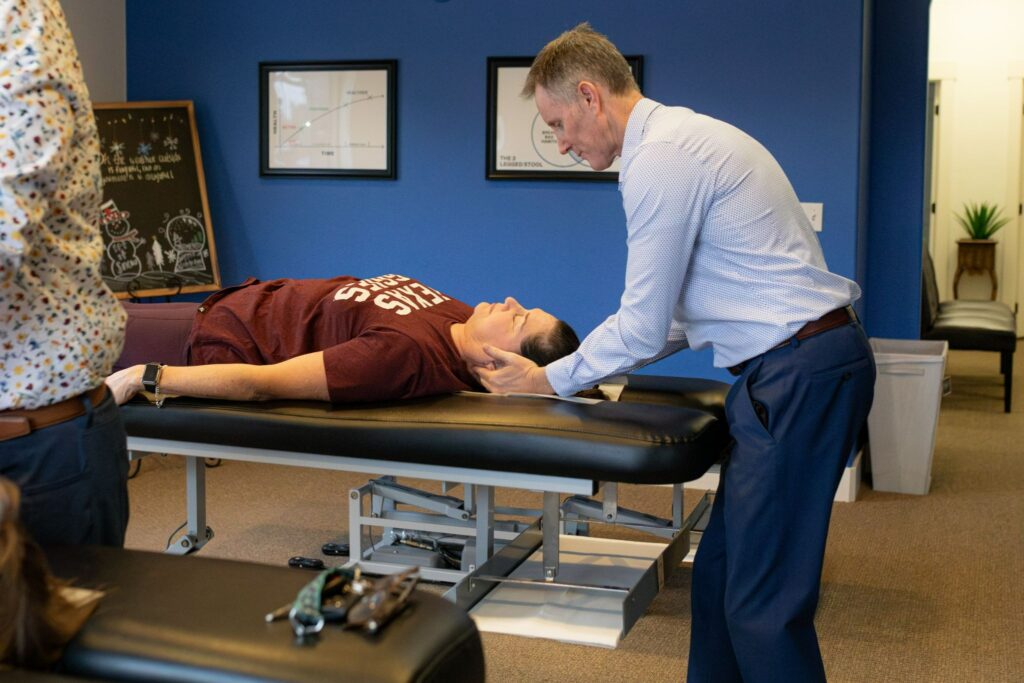

If you’re dealing with tension-related head pain, you’re certainly not alone. Many individuals experience this uncomfortable sensation, often linked to stress and poor posture. As a local chiropractor, I want to share that you don’t have to suffer in silence. There are several natural techniques you can implement to help alleviate this pain effectively—without resorting to medications or invasive procedures.
Chiropractic care is a powerful tool in managing tension headaches and promoting overall wellness. By focusing on spinal alignment, we can address the underlying issues that contribute to tension and discomfort. Regular chiropractic adjustments can enhance your posture, reduce muscle tension, and improve your body’s ability to handle stress.
In addition to chiropractic care, here are some practical tips and techniques you can incorporate into your daily routine to help alleviate tension-related head pain:
- Mindful Breathing: Take a few moments each day to practice deep breathing. Inhale deeply through your nose, hold for a few seconds, and exhale slowly through your mouth. This simple practice can help calm your mind and reduce stress.
- Posture Check: Be mindful of your posture, especially if you work at a desk. Ensure your workspace is ergonomically friendly, keeping your screen at eye level and your shoulders relaxed. Regularly check in with your posture and make adjustments as needed.
- Stretching: Incorporate gentle neck and shoulder stretches into your routine. Simple movements like tilting your head from side to side or rolling your shoulders can relieve tension that builds up throughout the day.
- Hydration: Staying well-hydrated can also play a role in headache prevention. Aim to drink plenty of water throughout the day to keep your body functioning optimally.
- Regular Chiropractic Visits: Make chiropractic care a regular part of your health routine. By visiting your chiropractor regularly, you can maintain proper spinal alignment and prevent the recurrence of tension headaches.
By integrating these techniques, you can take charge of your health and reduce the frequency and intensity of your tension-related head pain. Remember, chiropractic care is a natural and effective way to support your body’s healing processes and promote overall wellness. If you’re looking for personalized guidance, don’t hesitate to reach out for a consultation. Let’s work together to find the best strategies for you!
Key Takeaways
- Begin your journey to alleviate tension-related head pain by practicing deep breathing exercises. These techniques can help calm your nervous system, easing tension in your head and neck, and promoting overall wellness.
- Incorporate progressive muscle relaxation into your routine. By systematically tensing and then relaxing different muscle groups, you can enhance your relaxation and reduce stress that may lead to head pain.
- Try guided visualization techniques to mentally transport yourself to calming environments. This practice can not only promote relaxation but also help in reducing head pain naturally, complementing the benefits of chiropractic care.
- Pay attention to your workspace ergonomics. Adjust your chair and screen height to minimize neck strain and support good posture. A well-aligned posture can significantly reduce tension and discomfort, making chiropractic adjustments even more effective.
- Make regular physical activity a part of your life. Exercise releases endorphins, which are your body’s natural pain relievers, helping to reduce stress and tension. Chiropractic care can further enhance your physical activity by ensuring your spine and joints are in optimal alignment for movement.
By integrating these natural techniques into your daily life, you can support your body’s healing processes and enhance your overall well-being. Remember, chiropractic care is a powerful ally in your journey toward optimal health, providing you with the tools to manage pain and improve your quality of life naturally.
Understanding Tension-Related Head Pain
When stress accumulates, it can lead to tension-related head pain, a common issue many people face. This type of headache often feels like a tight band around your head, bringing discomfort and pressure that can be quite bothersome. You may notice it emerging after a long day at work or during times of emotional stress. While tension-related head pain is generally milder than migraines, it can still hinder your daily activities.
Several factors contribute to this discomfort, such as poor posture, lack of sleep, and muscle tension in your neck and shoulders. Anxiety and stress can also intensify these sensations, creating a challenging cycle of pain. Identifying your triggers is essential, as it enables you to manage and reduce the frequency of these headaches. By recognizing when tension starts to build, you can take proactive steps to address it before it escalates into pain.
As a chiropractor, I want to emphasize the importance of spinal health and natural wellness in managing tension-related head pain. Regular chiropractic adjustments can help alleviate muscle tension, improve posture, and promote relaxation, all of which contribute to reducing headache frequency and intensity.
Additionally, practicing good ergonomics at your workspace, taking breaks, and incorporating gentle stretches into your daily routine can help keep tension at bay. Consider incorporating relaxation techniques such as deep breathing exercises, meditation, or yoga into your day. These practices not only help you unwind but also support overall spinal health and well-being.
Relaxation Techniques for Immediate Relief
When tension-related head pain strikes, quick relaxation techniques can help you find immediate relief. As a chiropractor, I often emphasize the importance of addressing underlying issues through natural methods rather than relying on medications or surgeries.
Here are some effective strategies you can try at home to ease your discomfort and support your overall wellness.
- Deep Breathing Exercises: Take a moment to focus on your breath. Inhale deeply through your nose, hold for a few seconds, and then exhale slowly through your mouth. This simple technique helps calm your nervous system and reduces tension in your body.
- Progressive Muscle Relaxation: This technique involves tensing and then relaxing different muscle groups in your body. Start from your toes and work your way up to your head. By consciously releasing tension, you can alleviate pain and promote relaxation throughout your entire body.
- Guided Visualization: Picture a serene place where you feel safe and relaxed. It could be a quiet beach, a peaceful forest, or anywhere that brings you comfort. Spend a few moments visualizing yourself in this space, allowing the mental imagery to transport you away from your pain and into a state of calm.
Each of these methods offers a unique way to help you feel better quickly.
Remember, these techniques aren’t just about temporary relief; they can also support your overall health. Regular chiropractic care can further enhance your well-being by addressing spinal alignment and improving your body’s natural ability to heal.
Deep Breathing Exercises
While tension-related head pain can be quite distressing, incorporating deep breathing exercises into your routine can provide immediate relief and enhance your overall wellness.
To start, find a comfortable seated position and gently close your eyes. Take a slow, deep breath in through your nose, allowing your abdomen to rise fully as you fill your lungs. Hold that breath for a moment, then exhale slowly through your mouth, consciously letting go of any tension you may be holding.
Repeat this for several minutes, concentrating solely on your breath. As you breathe, imagine any stress melting away from your body.
This simple technique not only calms your mind but also helps reduce muscle tension, which can be a contributing factor to headaches. By incorporating deep breathing into your daily routine, you can amplify its effectiveness, making it easier to manage discomfort as it arises.
Remember, a few moments of focused breathing can have a powerful impact on your well-being.
Additionally, consider regular chiropractic care to address the root causes of your pain and promote natural healing. Chiropractic adjustments can help align your spine, improve your posture, and relieve tension in your body, ultimately leading to a healthier, pain-free life.
Embrace these practices to enhance your journey toward optimal health and wellness!
Progressive Muscle Relaxation
To help alleviate tension-related head pain, consider trying Progressive Muscle Relaxation (PMR), a simple yet effective technique that promotes relaxation throughout your body.
By systematically tensing and relaxing different muscle groups, PMR helps release built-up tension, which can lead to immediate relief. Here’s how you can incorporate this practice into your daily routine:
- Choose a Quiet Space: Find a comfortable area where you won’t be disturbed. This will allow you to fully concentrate on your body and mind without distractions.
- Focus on Each Muscle Group: Start from your toes and gradually work your way up through your body. Tense each muscle group for a few seconds, then relax them. This process helps you become more aware of where you hold tension, which is essential for overall wellness.
- Breathe Deeply: As you tense and relax your muscles, take deep breaths. This not only helps increase oxygen flow but also enhances your sense of calm. Deep breathing is a natural way to reduce stress and promote relaxation.
By incorporating PMR into your routine, you can complement your chiropractic care and support your journey toward optimal health.
Remember, regular practice can help you manage tension and reduce pain, allowing you to live a healthier, more balanced life.
Always consider discussing techniques like these with your chiropractor, who can guide you on the best practices tailored to your personal health needs.
Guided Visualization Techniques
As a local chiropractor committed to your health and well-being, I want to share how guided visualization techniques can be an effective way to manage tension-related head pain. This natural approach not only helps you unwind but also complements the benefits of chiropractic care, which focuses on enhancing your body’s ability to heal itself.
When you’re feeling the weight of stress or discomfort in your head, taking a moment to practice guided visualization can be immensely helpful. Close your eyes and envision a calming scene, such as a peaceful beach with gentle waves lapping at the shore, or a serene forest where a soft breeze rustles the leaves. Imagine the warm sun on your skin or the refreshing scent of pine trees. By directing your thoughts to these tranquil images, you can shift your focus away from pain and promote deep relaxation.
Here’s a simple chart to guide your visualization practice based on different emotions you may experience:
| Emotion | Visualization |
|---|---|
| Stress | Calm beach waves |
| Anxiety | Gentle forest breeze |
| Frustration | Soft mountain peaks |
| Overwhelm | Clear blue sky |
Taking just a few minutes each day to engage in guided visualization can help release built-up tension in your body and support the healing process. Remember, while visualization is a wonderful tool, chiropractic care is essential to address the root causes of your pain and restore your body’s balance. Together, these practices can lead to a natural and sustainable path to wellness.
Incorporating these techniques into your daily routine can enhance the effectiveness of your chiropractic treatments and help you achieve optimal health. Always prioritize natural healing methods, and feel free to reach out to your chiropractor for personalized advice on managing your pain and improving your overall well-being.
Posture Correction and Ergonomics
When you adopt proper posture and ergonomic practices, you can significantly reduce tension-related head pain. Poor posture often leads to muscle strain, which can trigger headaches.
As your local chiropractor, I want to share three essential strategies to help you improve your posture and workplace ergonomics, promoting natural healing and overall wellness:
- Adjust Your Workspace: Ensure your computer screen is at eye level to avoid straining your neck. Your chair should provide support for your lower back, helping to maintain the natural curves of your spine. Keep your feet flat on the floor to promote proper alignment.
- Be Mindful of Your Posture: Sit up straight with your shoulders relaxed and your head aligned with your spine. Avoid slouching or leaning forward, as these habits can contribute to discomfort and tension in your body.
- Take Regular Breaks: Stand up, stretch, and move around at least once an hour. This simple practice helps relieve tension, enhances circulation, and allows your body to reset, which is vital for maintaining optimal health.
By incorporating these practices into your daily routine, you’re taking essential steps toward better posture and spinal health.
Stretching and Strengthening Exercises
Incorporating stretching and strengthening exercises into your daily routine can significantly help alleviate tension-related head pain. These exercises are designed to target the muscles in your neck, shoulders, and upper back, promoting relaxation and releasing built-up tension.
As a chiropractor, I encourage you to start with gentle neck stretches. Simply tilt your head side to side, holding each position for a few seconds to gently ease the muscles.
Shoulder rolls are another excellent exercise—lift your shoulders toward your ears, then roll them back and down. This movement helps to release tension in the shoulder area, which is often a contributor to head pain.
For strengthening, consider resistance exercises like shoulder shrugs with light weights. This not only builds muscle support but also helps reduce strain on your neck, allowing for better posture and alignment. You might also try isometric exercises by pressing your forehead into your palms without moving your head. This is a great way to build strength in your neck without overexerting yourself.
Aim for at least 10-15 minutes of these exercises each day. It’s important to listen to your body—if you feel any pain, stop immediately. By regularly incorporating these stretches and strength-building exercises into your routine, you’ll likely notice a reduction in head pain and an overall increase in relaxation.
Remember, chiropractic care can also play a vital role in your journey to optimal health. Regular adjustments can help align your spine and improve your overall body function, enhancing the effectiveness of your stretching and strengthening efforts.
Take charge of your health naturally, and always consider chiropractic as a supportive option for achieving balance and wellness in your life.
Lifestyle Modifications for Prevention
To prevent tension-related head pain, incorporating stress management techniques into your daily routine is essential. One effective way to enhance your comfort and well-being is by ensuring your workspace is ergonomic. A well-organized and supportive environment can greatly affect how you feel throughout the day.
Chiropractic care plays a vital role in maintaining optimal spinal health, which can help alleviate tension and reduce the risk of headaches. Regular chiropractic adjustments can improve spinal alignment, relieve muscle tension, and enhance overall body function, contributing to a decrease in discomfort.
In addition to chiropractic care, here are some simple lifestyle modifications to consider:
- Practice Mindfulness: Engage in mindfulness or meditation exercises to manage stress effectively. Even a few minutes a day can make a significant difference in your mental clarity and relaxation.
- Stay Active: Regular physical activity can help release endorphins, which act as natural pain relievers. Aim for at least 30 minutes of moderate exercise most days of the week.
- Take Breaks: If you spend long hours at a desk, remember to take short breaks to stretch and move around. This can help reduce muscle tension and prevent discomfort.
- Hydrate: Drink plenty of water throughout the day. Dehydration can lead to headaches, so staying well-hydrated is crucial for your overall health.
- Maintain Good Posture: Be mindful of your posture while sitting or standing. Proper alignment can prevent unnecessary strain on your neck and shoulders, reducing the likelihood of headaches.
By integrating these tips into your daily life and prioritizing chiropractic care, you can take proactive steps toward reducing tension-related head pain and enhancing your overall wellness.
Stress Management Techniques
Managing stress is crucial not only for your overall well-being but also for reducing the frequency and intensity of tension-related head pain. As a local chiropractor, I want to share some stress management techniques that can enhance your health naturally and support your journey toward optimal wellness.
1. Mindfulness Meditation: Take a few minutes each day to focus on your breath and be present in the moment. This simple practice can help calm your mind and regain control over racing thoughts, which is especially important for those experiencing tension headaches.
2. Regular Exercise: Find a physical activity that you enjoy, whether it’s walking, dancing, or yoga. Exercise is a natural way to release endorphins, those feel-good hormones that can elevate your mood and alleviate stress.
Plus, it supports spinal health by keeping your body in motion and your muscles strong.
3. Time Management: Prioritize your tasks and break them down into smaller, manageable steps. This can help prevent feelings of being overwhelmed, allowing you to handle your responsibilities with ease.
A clear mind translates to less stress, which is beneficial for your spine and overall health.
Incorporating these strategies into your daily routine can lead to a significant reduction in stress levels and help alleviate head pain.
Remember, chiropractic care can also play a vital role in your journey to a healthier, pain-free life. Regular adjustments not only improve spinal alignment but also enhance your body’s natural ability to manage stress and promote overall wellness.
Embrace these tips, and consider chiropractic as a holistic approach to achieving optimal health and well-being.
Ergonomic Workspace Setup
As a chiropractor, I want to share with you how the setup of your workspace plays a crucial role in your overall comfort and can help prevent tension-related head pain.
The good news is that by making some simple ergonomic adjustments, you can create a healthier environment that supports your body and promotes wellness.
Start by adjusting your chair height so that your feet rest flat on the floor and your knees form a 90-degree angle. This positioning helps maintain proper spinal alignment and reduces strain on your back.
Next, position your monitor at eye level, about an arm’s length away. This will help you avoid unnecessary neck strain, which is a common culprit for headaches.
It’s also important to keep your keyboard and mouse close enough so that you don’t have to reach for them. This can help prevent shoulder tension and maintain good posture.
Make sure your workspace is well-lit to minimize eye strain, and don’t forget to take regular breaks. Stretching and moving around can work wonders for relieving tension and promoting circulation.
By implementing these ergonomic tips, you’ll not only create a more comfortable workspace but also support your overall health.
Remember, chiropractic care is a natural and effective way to address pain and enhance your well-being.
When to Seek Professional Help
When should you think about reaching out to a chiropractor for your tension-related head pain? It’s important to understand when self-care may not be enough. Here are three signs that suggest it’s time to seek professional help:
- Persistent Pain: If your head pain sticks around for more than a few days or gets worse even after trying home remedies, it’s a good idea to consult with a chiropractor. They can assess your condition and help identify any underlying spinal issues that may be contributing to your discomfort.
- Accompanying Symptoms: If you notice other symptoms like changes in vision, nausea, or heightened sensitivity to light and sound, it’s time to get expert advice. A chiropractor can provide a thorough evaluation and offer natural solutions to address these symptoms, focusing on overall wellness.
- Impact on Daily Life: When your headaches are disrupting your work, social activities, or daily tasks, it’s essential to seek help. Chiropractors specialize in holistic approaches to pain relief, helping you regain control over your life through tailored strategies that focus on spinal health and natural healing.
Don’t overlook these signs. Early intervention through chiropractic care can lead to improved outcomes, enabling you to manage your tension-related head pain effectively.
Remember, a healthy spine is key to overall wellness, and chiropractic adjustments can promote healing and relief without the need for medications or invasive procedures.
Embrace a healthier lifestyle by considering chiropractic care as your go-to option for pain relief and optimal health!
Conclusion
To summarize, addressing tension-related head pain can be effectively managed through a combination of chiropractic care, relaxation techniques, and healthy lifestyle choices. Regular adjustments from a chiropractor can help realign your spine, reducing tension and promoting overall well-being. Incorporating deep breathing exercises, gentle stretches, and mindfulness practices into your daily routine can further alleviate stress and discomfort.
It’s also crucial to maintain good posture, especially during long periods of sitting or working, as this can significantly impact your spinal health. Don’t forget the importance of staying hydrated and taking regular breaks to give your body the rest it needs.
If you find that your headaches persist or worsen, it’s important to consult with a chiropractor who can provide personalized care tailored to your needs. By taking these proactive steps, including chiropractic adjustments, you can move towards a healthier, more comfortable life without the need for medications or invasive procedures. Remember, your journey to wellness starts with taking care of your spine!