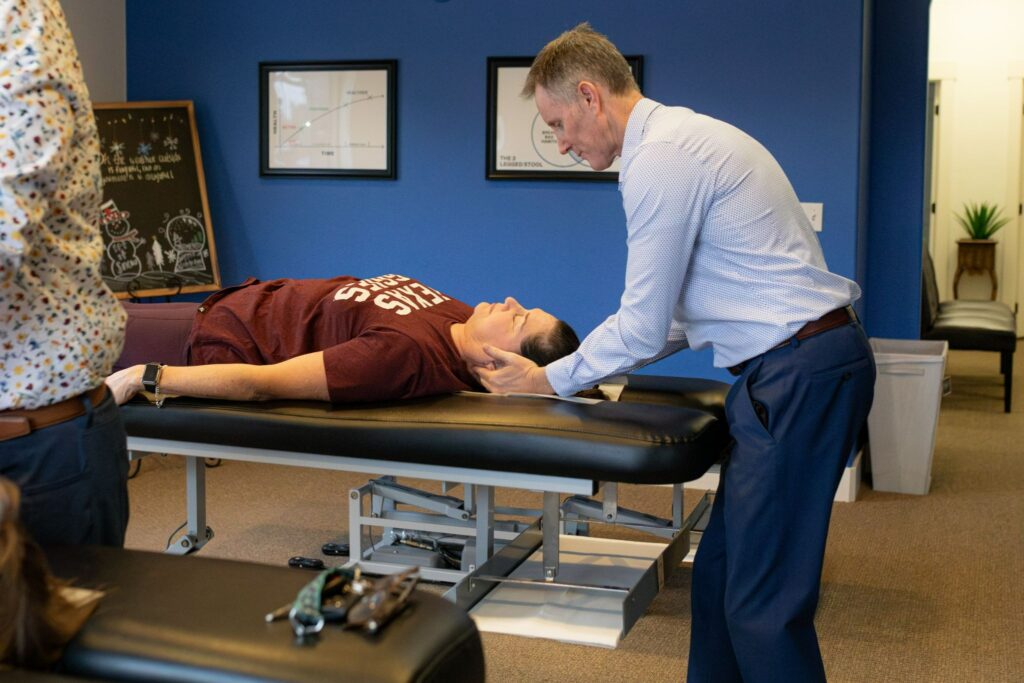

If you’ve experienced whiplash, you understand just how uncomfortable it can be. Thankfully, there are effective techniques to help ease those persistent symptoms, and chiropractic care is one of the best ways to support your recovery naturally. By focusing on gentle, holistic methods, you can significantly improve your comfort and overall well-being.
Here are five essential techniques that can aid in your healing journey:
- Chiropractic Adjustments: Visiting a chiropractor can be a game-changer for whiplash recovery. Spinal adjustments help restore proper alignment, reduce pain, and improve mobility in your neck. These adjustments promote natural healing and can alleviate nerve pressure that contributes to discomfort.
- Gentle Neck Stretches: Incorporating gentle neck stretches into your daily routine can help relieve tension and improve flexibility. Simple movements such as tilting your head side to side or rotating it slowly can help ease stiffness. Always remember to listen to your body and avoid any movements that cause pain.
- Proper Ergonomics: Pay attention to your posture, especially if you spend long hours at a desk or in front of a screen. Keeping your computer at eye level and using a supportive chair can help reduce strain on your neck and promote better alignment.
- Heat Therapy: Applying a warm compress or heating pad to your neck can help to relax tight muscles and improve blood flow. Just be sure to use heat in moderation and avoid excessive temperatures to prevent burns.
- Regular Chiropractic Check-Ups: Regular visits to your chiropractor not only aid in recovery but also help maintain your spinal health over time. Your chiropractor can offer personalized advice on exercises and lifestyle changes that promote optimal health and prevent future injuries.
By embracing these techniques, you’re taking proactive steps toward your recovery and overall wellness. Remember, chiropractic care is a natural and effective way to find relief from whiplash symptoms and support your body’s healing process. Always consult with your chiropractor about the best plan tailored to your individual needs. Together, you can work towards a healthier, pain-free life.
Gentle Neck Stretches
When you’re experiencing whiplash symptoms, gentle neck stretches can play a crucial role in your recovery journey. These simple movements not only help improve flexibility but also reduce pain, making them an excellent addition to your daily routine.
Start with neck tilts: gently tilt your head toward one shoulder, holding for about 15 seconds before switching to the other side. This stretch helps ease tension and promotes better mobility in your neck. It’s a great way to start your day or take a break during work.
Next, consider incorporating chin tucks into your routine. Sit up straight and gently pull your chin toward your chest while keeping your shoulders relaxed. Hold for a few seconds, then release. This stretch not only strengthens your neck muscles but also improves your posture, which is essential for overall spinal health.
You can also practice gentle rotations. Slowly turn your head to one side, holding for 5 seconds, then rotate to the other side. Remember, the key is to keep your movements slow and controlled. Always listen to your body—if you feel any discomfort, it’s important to stop.
By integrating these stretches into your daily life, you’ll support your healing process and regain comfort in your neck.
And remember, chiropractic care is an excellent way to enhance your recovery, as it focuses on natural healing and overall wellness. Regular visits to a chiropractor can help align your spine and alleviate pain, promoting a healthier, more active lifestyle.
Consider reaching out to a chiropractor for personalized guidance and support on your journey to optimal health.
Heat and Cold Therapy
Incorporating heat and cold therapy into your recovery routine can significantly improve your comfort and healing process after experiencing whiplash. As a chiropractor, I want to emphasize the importance of these natural methods in promoting your overall wellness.
Heat therapy, such as using warm compresses or heating pads, can be a wonderful way to increase blood flow to the affected area. This promotes relaxation and helps ease stiffness in your neck and shoulders. You can apply heat for 15-20 minutes at a time, several times a day, to help soothe your muscles and enhance your healing.
On the flip side, cold therapy is a fantastic option for reducing inflammation and numbing any sharp pain you may be feeling. Ice packs or a cold compress can be applied for 10-15 minutes, ensuring you allow your skin to return to normal temperature between sessions.
Alternating between heat and cold therapy can provide the best results, helping to manage pain and improve your mobility. It’s important to listen to your body throughout this process. Adjust the intensity of the therapy based on your comfort level.
This dual approach of heat and cold, alongside regular chiropractic care, can greatly speed up your recovery while providing the relief you need.
Remember, chiropractic care is designed to address the root cause of your discomfort, promoting natural healing and optimal health. By integrating these therapies into your routine, you can enhance your healing journey and enjoy a more vibrant, pain-free life.
Keep these tips in mind as you work toward your recovery!
Massage Techniques
During your recovery from whiplash, it’s important to consider the role of chiropractic care in alleviating pain and promoting healing. Chiropractors specialize in aligning the spine and restoring proper function to your body, which can significantly reduce discomfort and enhance overall well-being.
While massage techniques can offer temporary relief, chiropractic adjustments target the root of the problem, ensuring long-lasting benefits. Here are some ways chiropractic care can help during your recovery:
- Spinal Adjustments: By realigning your spine, chiropractic adjustments can relieve pressure on nerves and improve mobility in your neck, reducing pain and stiffness.
- Soft Tissue Therapy: Chiropractors may incorporate gentle techniques to relax tight muscles and improve circulation, complementing spinal adjustments for a holistic approach to healing.
- Posture Education: A chiropractor can provide guidance on maintaining proper posture, which is essential for minimizing strain on your neck and preventing future injuries.
- Exercise Recommendations: Your chiropractor can suggest specific exercises to strengthen your neck muscles and improve flexibility, aiding in recovery and preventing further issues.
Incorporating chiropractic care into your recovery plan can greatly enhance your comfort and support natural healing.
Always consult with a licensed chiropractor who understands your condition to ensure you receive the most effective care tailored to your needs.
Strengthening Exercises
Strengthening exercises are a vital part of your recovery from whiplash, as they help restore muscle balance and provide support for your neck. These exercises focus on the muscles around your cervical spine, improving stability and alleviating discomfort.
To begin, you can try gentle isometric exercises, such as pressing your head against your hands in different directions. This method activates essential muscles without requiring too much movement, making it a safe starting point.
As you become more comfortable, you can gradually add light resistance exercises. Using a resistance band to strengthen your neck flexors and extensors is an excellent choice. Remember to hold each contraction for a few seconds and slowly increase your repetitions as you gain strength.
Additionally, don’t forget to work on your upper back and shoulder muscles with exercises like rows and shoulder shrugs. These movements create a stronger support system for your neck.
Always pay attention to how your body feels. If you experience any pain, it’s best to stop and consult with a chiropractor. Regular strengthening exercises can significantly enhance your recovery, helping you regain function and reduce symptoms naturally.
Incorporating chiropractic care into your routine can further support your healing journey. Chiropractors can help align your spine, relieve tension, and guide you on the best exercises tailored to your needs.
Embrace a healthier lifestyle by prioritizing natural healing through chiropractic, and you’ll be on your way to optimal health in no time!
Proper Posture and Ergonomics
Maintaining proper posture and ergonomics is vital for easing whiplash symptoms and preventing further injury. As a chiropractor, I want to emphasize that focusing on how you sit, stand, and move can significantly reduce strain on your neck and spine, leading to better overall health.
Here are some simple tips to help you improve your posture and promote natural healing:
- Sit up straight: Keep your back straight and shoulders relaxed while sitting. Make sure your feet are flat on the floor. This simple adjustment can help alleviate pressure on your spine.
- Align your screen: Position your computer monitor at eye level. This helps you avoid craning your neck, reducing strain and discomfort.
- Use supportive chairs: Opt for chairs with good lumbar support. These chairs help maintain the natural curve of your spine and can be beneficial in preventing pain.
- Take breaks: It’s essential to regularly stand, stretch, and move around. This helps to prevent stiffness and tension in your neck, promoting better spinal health.
Remember, chiropractic care is a fantastic way to address pain and improve your overall wellness.
Conclusion
By incorporating these five techniques into your daily routine, you can alleviate whiplash symptoms and promote natural healing. As a chiropractor, I recommend focusing on gentle neck stretches to improve flexibility and reduce tension. Alternating heat and cold therapy can soothe discomfort and encourage blood flow to the affected area, enhancing recovery. Massage techniques, whether performed by a professional or through self-massage, can help release tight muscles and improve circulation.
Strengthening exercises are vital for supporting your neck and preventing future injuries. Simple exercises can be done at home, and I encourage you to focus on building strength gradually. Additionally, maintaining proper posture throughout your day is crucial; it can significantly reduce strain on your neck and spine.
Listen to your body and make adjustments as needed. If you’re unsure about any technique or if symptoms persist, don’t hesitate to seek guidance from a chiropractic professional. With patience, consistency, and the right approach, you’ll be on your way to feeling better and restoring your neck’s natural flexibility and strength. Remember, chiropractic care is an excellent pathway to achieving optimal health and wellness.