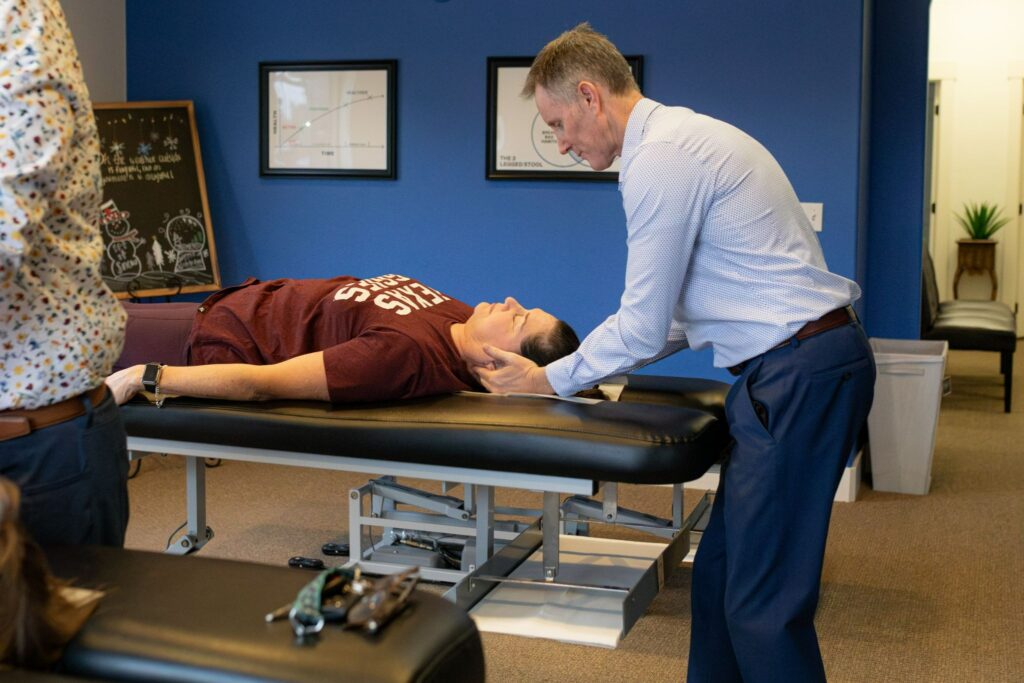

If you’ve been dealing with neck stiffness, you’re certainly not alone. This common issue often arises from poor posture, stress, or tension in the muscles. Thankfully, there are natural ways to alleviate this discomfort, and chiropractic care is one of the most effective solutions to restore balance and promote healing in your body.
Chiropractic care focuses on aligning the spine and supporting overall wellness, which can significantly reduce neck stiffness and improve your quality of life. But there are also simple strategies you can incorporate into your daily routine to complement your chiropractic treatments and enhance your recovery.
Here are some practical tips to help you regain flexibility and comfort in your neck:
- Practice Good Posture: Pay attention to your posture throughout the day, especially when sitting at a desk or using your phone. Keep your shoulders back and your head aligned over your spine to reduce strain on your neck.
- Incorporate Neck Stretches: Gentle neck stretches can help relieve tension. Try slowly tilting your head from side to side and forward and backward, holding each position for a few seconds. This simple practice can help improve flexibility.
- Utilize Heat and Cold Therapy: Applying a warm compress can help relax tight muscles, while cold packs can reduce inflammation. Alternating between the two can provide soothing relief.
- Stay Hydrated: Proper hydration is essential for maintaining the health of your spinal discs. Drinking enough water helps keep your body functioning optimally and can aid in reducing stiffness.
- Get Regular Chiropractic Adjustments: Regular visits to your chiropractor can help keep your spine aligned and improve your overall well-being. Chiropractic adjustments can relieve tension in the neck and promote better range of motion.
- Mind Your Sleep Position: Ensure that your pillow supports your neck properly. A pillow that keeps your head aligned with your spine can prevent stiffness and discomfort.
- Manage Stress: Stress can contribute to muscle tension. Incorporate relaxation techniques such as deep breathing, meditation, or yoga into your routine to help reduce stress levels and promote relaxation.
By integrating these simple tips into your daily life and prioritizing chiropractic care, you can effectively manage neck stiffness and enjoy a more comfortable, healthier lifestyle. Remember, your neck plays a vital role in your overall health, so taking proactive steps towards its care is essential for achieving optimal wellness.
Practice Good Posture
Practice Good Posture for Optimal Health
Maintaining good posture is essential not only for looking confident but also for reducing strain on your neck and spine. When you sit or stand up straight, you align your spine and evenly distribute your body weight. This alignment minimizes muscle fatigue and prevents stiffness, which can lead to discomfort over time.
As a chiropractor, I encourage you to make a habit of keeping your shoulders back and relaxed, with your head positioned directly over your spine. Avoid leaning forward, especially when using your phone or computer, as this can disrupt your alignment and lead to pain. Instead, practice good posture to support your body’s natural structure.
If you catch yourself slumping, take a moment to readjust. I recommend setting reminders throughout the day to check in on your posture, ensuring you’re sitting or standing tall. Small adjustments can make a significant difference in how you feel.
Incorporating good posture into your daily routine not only benefits your neck but also enhances your overall well-being. Improved posture can boost your energy levels and sharpen your focus, allowing you to live your life to the fullest.
Remember, chiropractic care is a natural and effective way to achieve optimal health. Regular adjustments can help maintain proper alignment, alleviate discomfort, and support your body’s ability to heal itself.
Incorporate Stretching Exercises
Maintaining good posture is essential for a healthy neck, but to truly enhance flexibility and relieve tension, incorporating stretching exercises is a must. As a chiropractor, I encourage you to integrate these movements into your daily routine to complement your spinal health.
Start with gentle side tilts: slowly lean your head to the right and left, holding each position for 15-30 seconds. This simple exercise stretches the muscles along the sides of your neck, promoting relaxation.
Next, practice neck rotations by turning your head slowly to the right and then to the left. Take your time with this movement; it’s all about being gentle and allowing your neck to loosen up.
Another beneficial exercise is the chin tuck. To do this, simply pull your chin back towards your throat. This action strengthens the muscles that support your neck, helping to maintain proper alignment and reduce discomfort.
While stretching, remember to take deep breaths. This not only helps you relax but also enhances the effectiveness of the stretch. If you spend long hours at a desk, aim to incorporate these exercises throughout your day.
Consistency is key! Making stretching a regular part of your routine can help you keep your neck flexible and free from tension.
As you focus on these stretches, consider the benefits of chiropractic care as well. Regular visits to a chiropractor can help ensure your spine is aligned and functioning optimally, which supports overall neck health.
Use Heat Therapy
As a local chiropractor, I want to share how heat therapy can be an excellent approach to relieving neck stiffness and promoting relaxation. When you apply heat to your neck, it boosts blood circulation in the area, which helps to relax tight muscles and reduce discomfort.
There are various methods to use heat therapy, such as a hot water bottle, a warm towel, or a heating pad. Just be sure to keep the heat at a comfortable level to avoid any risk of burns.
For optimal results, I recommend using heat therapy for about 15 to 20 minutes at a time. This can be done several times a day, particularly after any activities that may worsen your stiffness. A warm shower or bath can also provide relief, allowing the heat to penetrate deeply into your muscles.
To enhance your relaxation experience, consider using aromatherapy oils or soothing balms alongside heat therapy. The combination of warmth and pleasant scents can help you unwind and further alleviate tension in your neck.
Remember, while heat therapy is a fantastic way to manage discomfort, incorporating regular chiropractic care can make a significant difference in your overall health.
Chiropractors focus on aligning the spine and improving mobility, which can lead to long-lasting relief from neck stiffness and other issues. Prioritizing your spinal health will help you achieve optimal wellness and maintain a pain-free lifestyle.
Try Cold Therapy
If you’re experiencing neck stiffness, cold therapy can be a great way to find quick relief. Applying an ice pack or a cold compress to the affected area helps reduce inflammation and numbs the discomfort you’re feeling. Just remember to use a cloth barrier between the ice and your skin to avoid any irritation.
While cold therapy can offer immediate respite, I encourage you to consider chiropractic care for a more comprehensive approach to your neck stiffness. A chiropractor can assess your spinal alignment and identify any underlying issues contributing to your discomfort. By addressing these root causes, chiropractic adjustments can provide long-lasting relief and promote overall wellness.
In addition to chiropractic care, here are some simple tips to help you manage neck stiffness at home:
- Gentle Stretching: Incorporate gentle neck stretches into your routine to improve flexibility and reduce tension.
- Good Posture: Be mindful of your posture, especially when sitting for long periods. Keeping your head aligned with your spine can prevent strain.
- Ergonomic Workspace: If you work at a desk, ensure your workstation is ergonomically set up to support your neck and back.
- Stay Hydrated: Drinking plenty of water can help maintain the health of your spinal discs and tissues.
Ice Pack Application
While you mightn’t immediately consider cold therapy as a remedy for neck stiffness, using an ice pack can indeed offer significant relief. As a chiropractor, I emphasize the importance of natural healing methods to support your overall wellness. Here’s how you can use ice therapy effectively.
Start by wrapping an ice pack or a bag of frozen vegetables in a thin towel to protect your skin from frostbite. Apply it gently to the affected area for about 15-20 minutes. This technique helps to reduce inflammation and numbs the pain, which can be particularly beneficial after a long day or following activities that may have contributed to your stiffness.
Make sure to take breaks between applications, allowing your skin to return to its normal temperature. Repeating this process several times a day can be very effective, especially after activities that aggravate your stiffness. Remember, consistency is key to experiencing the full benefits of this method.
In addition to ice therapy, I recommend incorporating gentle stretches and chiropractic adjustments into your routine. These practices can help improve spinal alignment and enhance your overall mobility, leading to long-term relief from neck stiffness.
If you find that your stiffness persists, don’t hesitate to reach out to a chiropractor. We can provide personalized care and explore natural treatment options tailored to your specific needs. Chiropractic care is designed to promote optimal health and wellness, helping you feel your best without relying on medications or surgeries.
Stay proactive about your health and embrace these natural methods to support your journey towards a pain-free life!
Cold Compress Benefits
Cold therapy offers more than just temporary relief; it can play a significant role in reducing discomfort and promoting healing in your neck. As a chiropractor, I often recommend using a cold compress to help constrict blood vessels, which in turn decreases inflammation and numbs the area, providing immediate relief.
This technique can be particularly beneficial after a strain or injury, as it minimizes swelling and eases muscle tension, allowing your body to heal more effectively. For the best results, I suggest using a cold pack for about 15-20 minutes several times a day. Just remember to wrap the ice pack in a cloth to protect your skin from frostbite.
Incorporating cold therapy into your routine can be a simple yet powerful way to alleviate neck stiffness naturally.
While cold therapy is a great tool, it’s essential to remember that chiropractic care offers a holistic approach to pain relief and overall wellness. By addressing the root cause of your discomfort through adjustments and spinal health education, you can achieve long-lasting results.
If you’re dealing with neck pain or stiffness, consider scheduling a visit with your local chiropractor to explore how chiropractic care can support your healing journey. Together, we can work towards optimal health and a more comfortable life.
Stay Hydrated
Staying hydrated is crucial for maintaining optimal muscle function, which can play a significant role in alleviating neck stiffness. When your body doesn’t get enough water, your muscles can become tight and fatigued, leading to discomfort and stiffness, especially in the neck area. To help prevent this, make it a habit to drink plenty of water throughout your day.
You may be surprised to learn that even mild dehydration can impact how your muscles perform. One simple tip is to carry a reusable water bottle with you; this makes it easier to keep track of your water intake and encourages you to sip throughout the day.
Additionally, consider adding foods with high water content, such as cucumbers and watermelon, to your meals. Not only do these foods hydrate you, but they also provide essential nutrients that support overall health.
If you’re active or spend long hours at a desk, your body may require even more fluids. Pay attention to your thirst; when you feel parched, it’s a clear signal to hydrate! Remember, proper hydration helps keep your muscles supple and reduces stiffness, making it a vital part of your daily wellness routine.
As a chiropractor, I also want to emphasize the importance of regular spinal adjustments and proper posture in conjunction with hydration. Keeping your spine aligned can enhance your overall well-being and help relieve discomfort.
Manage Stress Levels
Managing stress levels is crucial for alleviating neck stiffness, as stress can lead to increased muscle tension and discomfort. One effective way to combat stress is by incorporating deep breathing exercises into your daily routine. Just a few minutes of focused breathing can help calm your mind and relax your muscles, making it easier for your body to function optimally.
In addition to breathing exercises, practicing mindfulness or meditation can be beneficial. These techniques allow you to center your thoughts and release physical tension, which is essential for maintaining a healthy spine. Remember, a relaxed mind contributes to a relaxed body.
Regular physical activity is another excellent method for managing stress. Engaging in activities such as brisk walking, yoga, or even dancing can release endorphins—your body’s natural mood boosters. These activities not only improve your mood but also promote better spinal health by keeping your body moving and reducing stiffness.
Don’t forget to make time for hobbies or activities that bring you joy. These enjoyable distractions can serve as a wonderful way to take your mind off stressors, allowing you to focus on what makes you happy.
Lastly, ensure you’re getting enough sleep. A well-rested body and mind are better equipped to handle stress, which ultimately helps reduce muscle tightness in your neck. Remember, adequate rest is a vital component of your overall wellness and spinal health.
Consider Professional Massage
If you’re experiencing neck stiffness, chiropractic care may be the optimal solution to incorporate into your wellness routine. A trained chiropractor specializes in addressing spinal alignment and can effectively target the root causes of your discomfort. By adjusting your spine and relieving tension in the surrounding muscles, chiropractic care not only alleviates stiffness but also promotes better circulation and overall relaxation.
Before your visit, it’s important to share your specific concerns and health goals with your chiropractor. They’ll assess your condition and create a personalized treatment plan tailored to your needs. Whether you’re looking for gentle adjustments or more targeted techniques, chiropractic care can be adapted to suit your comfort level.
In addition to regular chiropractic adjustments, there are simple practices you can adopt at home to support your neck health. Maintaining good posture, taking breaks to stretch during long periods of sitting, and using supportive pillows can make a significant difference.
Staying hydrated and engaging in gentle exercises, such as neck stretches, can also promote flexibility and ease tension.
Exploring various chiropractic techniques, such as spinal manipulation or soft tissue therapy, can help you discover what works best for your body. Incorporating chiropractic care into your self-care routine can greatly enhance your neck health and restore your range of motion.
Conclusion
By incorporating these seven tips into your daily routine, you can effectively alleviate neck stiffness naturally and promote overall wellness. Start by maintaining good posture throughout your day, whether you’re sitting at a desk or using your phone. This simple adjustment can make a significant difference in how your neck feels.
Regular stretching is another essential practice. Gentle neck stretches can help keep your muscles flexible and relieve tension. Consider setting aside a few minutes each day to perform these stretches, or incorporate them into your breaks.
Heat therapy, like using a warm compress, can soothe tight muscles, while cold therapy, such as an ice pack, can reduce inflammation. Experiment with both to see what works best for you.
Staying hydrated is crucial; drinking plenty of water helps maintain muscle elasticity and joint lubrication. Remember, the health of your spine and neck is closely linked to your overall hydration levels.
Managing stress is also vital. Stress can lead to muscle tension, particularly in the neck area. Engage in relaxation techniques like deep breathing, meditation, or yoga to help reduce stress and promote a sense of calm.
If you’re experiencing persistent discomfort, chiropractic care is an excellent option to consider. A chiropractor can provide targeted adjustments to help alleviate pain, improve mobility, and support your body’s natural healing processes.
By following these tips and considering chiropractic care, you’ll be on your way to a more flexible, pain-free neck and an enhanced quality of life. Remember, your health is your greatest asset—invest in it wisely!