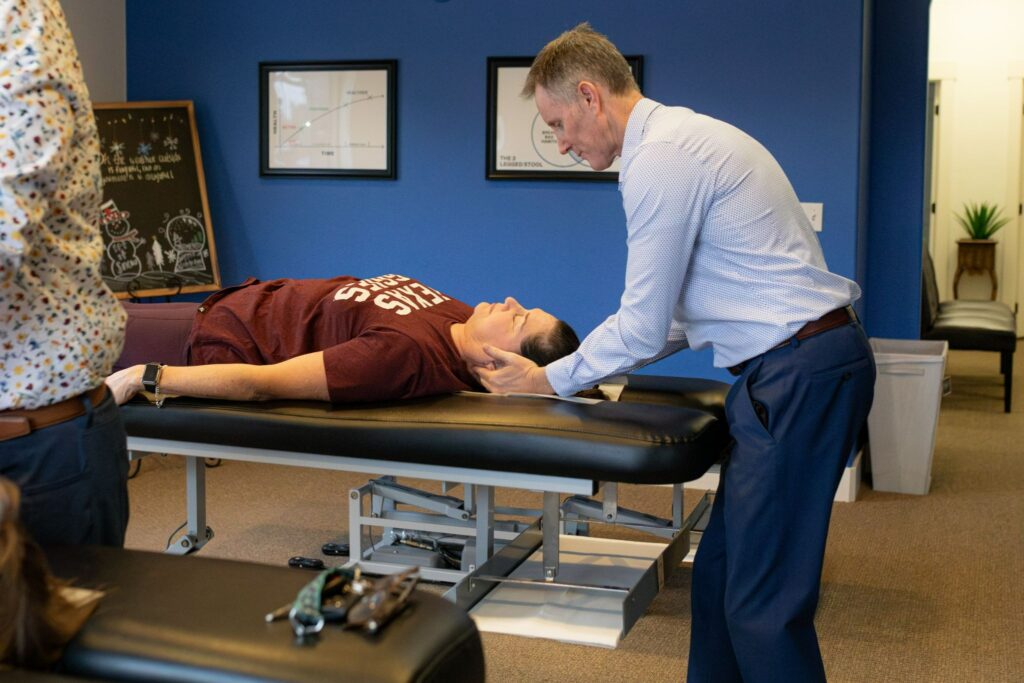

After an accident, you might think you're fine, but hidden injuries can lurk beneath the surface, waiting to complicate your recovery. Seeking medical care isn't just about addressing immediate pain; it's essential for accurate documentation that supports any future claims. Also, the psychological impact can be just as significant as physical injuries, affecting your overall well-being. By understanding the importance of timely care, you can set the stage for a more complete recovery. What you might discover next could change how you approach your health post-accident.
Hidden Injuries May Arise
After an accident, you might think you're fine, but hidden injuries can lurk beneath the surface. Even if you feel okay right after the incident, your body may have sustained damage that isn't immediately apparent. Adrenaline often masks pain, making it easy to overlook injuries. You might dismiss minor aches or assume that any discomfort will fade away. However, ignoring these signs can lead to more significant issues down the road.
Common hidden injuries include concussions, whiplash, and internal injuries. A concussion, for instance, can result from a sudden jolt to your head, causing cognitive impairments that may not manifest until days later. Whiplash, caused by the rapid back-and-forth motion of your neck, can lead to chronic pain if left untreated. Internal injuries, like organ damage or bleeding, can be life-threatening and often require immediate medical attention.
It's essential to listen to your body and pay attention to any unusual symptoms, even if they seem minor. You might experience headaches, dizziness, or persistent pain, which could indicate something more serious. Seeking medical care promptly can help identify these hidden injuries before they escalate.
Importance of Medical Documentation
One essential aspect of seeking care post-accident is the importance of medical documentation. When you visit a healthcare professional, they'll create a detailed record of your condition, treatments, and any prescribed therapies. This documentation serves as a significant tool for understanding your injuries and tracking your recovery process.
Having accurate medical records helps guarantee you receive the appropriate treatment. It also provides a clear history of your health, which can be critical if you experience lingering effects from the accident. You mightn't realize it at first, but injuries often evolve over time. The documentation captures these nuances, allowing you and your healthcare provider to make informed decisions about your care.
Moreover, medical documentation is fundamental for your own peace of mind. It reassures you that your injuries are being taken seriously and that you're receiving the attention you need. You'll have a clear account of your symptoms and treatments, which can help you articulate your concerns to healthcare professionals.
Lastly, while we're not discussing legal and insurance matters just yet, keep in mind that thorough medical documentation can play a significant role in your ability to navigate those processes later on. Simply put, the more detailed your records, the better equipped you'll be to advocate for yourself.
Legal and Insurance Considerations
Maneuvering the legal and insurance landscape after an accident can feel overwhelming, but understanding your rights and responsibilities is fundamental.
First, you should know that seeking medical care not only addresses your health needs but also strengthens your case if you decide to pursue compensation. Your medical records serve as vital evidence in any legal or insurance claims you may file.
Contact your insurance company as soon as possible. Reporting the accident promptly can help you avoid complications later. Be honest and precise when providing details about the incident; this helps establish the facts and can streamline your claim process.
If another party was at fault, their insurance might cover your expenses, but this can often lead to disputes.
You may want to consult with a legal professional who specializes in personal injury cases. They can guide you through the complexities of liability and help guarantee you receive fair compensation for medical bills, lost wages, and other damages.
Keep track of all communications with your insurer and any other involved parties. Document everything, including phone calls, emails, and letters. This can be invaluable if disputes arise.
Lastly, be cautious about signing any documents or accepting settlements too quickly. Insurance companies often aim to minimize payouts, so it's important to fully understand any agreement before you commit.
Taking these steps can protect your rights and help you navigate the aftermath of an accident more effectively.
Psychological Impact of Accidents
Accidents can leave physical scars, but the psychological impact often runs deeper. You might find yourself grappling with feelings of anxiety, depression, or even post-traumatic stress disorder (PTSD) after a traumatic event. These emotional responses can affect your daily life, making it difficult to concentrate, sleep, or enjoy activities you once loved.
When you experience an accident, your body that needs healing; your mind does, too. You may replay the incident repeatedly, feeling as if you're reliving those moments. This can lead to heightened stress levels and an overwhelming sense of fear or helplessness. It's important to acknowledge these feelings instead of brushing them aside, as they can hinder your recovery process.
Seeking care after an accident can provide you with the support you need to process these emotions. A mental health professional can help you understand and work through your feelings, offering coping strategies that can be incredibly beneficial. You don't have to face this alone; talking to someone who understands can make a significant difference.
Additionally, addressing the psychological impact of your accident early on can prevent long-term issues from developing. It's imperative to prioritize your mental well-being, just as you'd for your physical injuries.
Long-Term Health Benefits
After an accident, seeking care not only addresses immediate injuries but also paves the way for long-term health benefits. When you visit a healthcare professional, they'll assess your overall condition and identify any underlying issues that could lead to complications down the road. Early intervention is essential; it can prevent chronic pain or mobility issues from developing.
By getting the right care, you're not just treating symptoms—you're investing in your future health. Regular check-ups and follow-up treatments can help monitor your recovery and guarantee your body heals properly. This proactive approach can mitigate the risk of long-term disabilities or persistent pain, allowing you to maintain a higher quality of life.
Moreover, proper care can help restore your physical and mental well-being. It can boost your confidence, enabling you to engage in activities you enjoy without fear or hesitation. Ignoring injuries might lead to complications that can affect your daily routines, relationships, and overall happiness.
In addition to physical recovery, addressing any psychological impact, such as anxiety or stress from the accident, can also contribute to your long-term health. Mental health is just as important as physical health, and by seeking help, you're taking a thorough approach to your recovery.
Ultimately, prioritizing your health after an accident sets the foundation for a healthier, more active future. It's about making sure that you don't just survive the aftermath but thrive in the long run.
Conclusion
To conclude, seeking care after an accident is essential for your well-being. You might have hidden injuries that need attention, and proper medical documentation supports any future claims. Don't overlook the psychological effects; addressing anxiety or PTSD is just as important. By prioritizing your health now, you're setting yourself up for better long-term recovery and quality of life. Don't wait—get the care you need to heal fully and move forward with confidence.