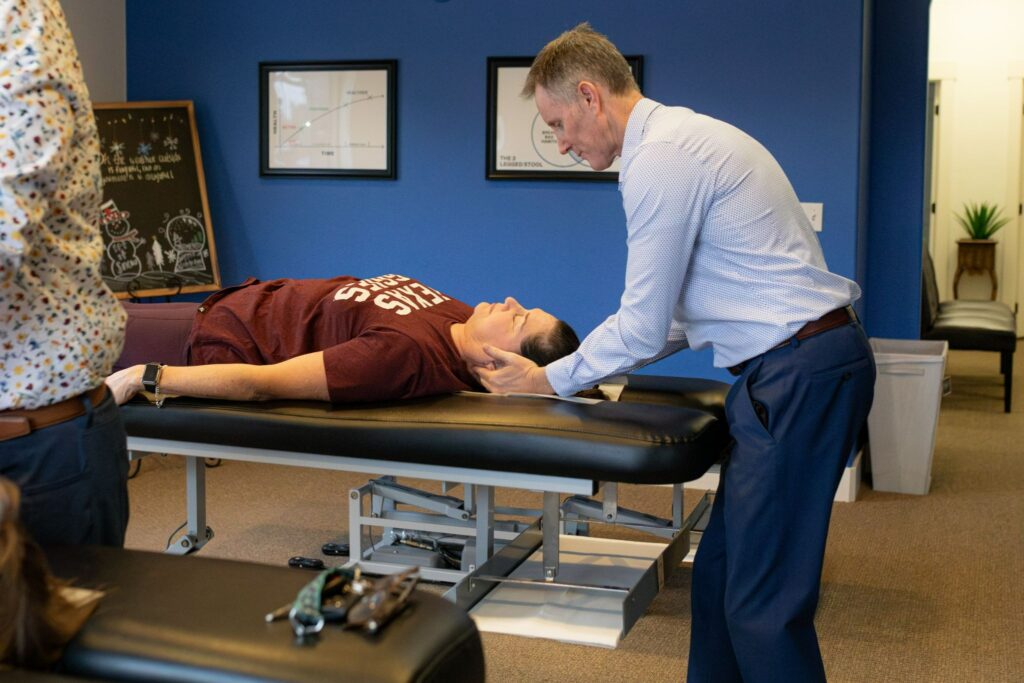

When you experience a sports injury, it's easy to think you can just tough it out or rely on home remedies. However, seeking professional help can make a significant difference in your recovery. With accurate diagnoses, tailored rehabilitation programs, and strategies to prevent future injuries, you set yourself up for a smoother comeback. Plus, the right support not only speeds up healing but also enhances your overall performance. But there's more to reflect on—understanding the emotional aspect of recovery can be just as vital. What are the hidden benefits you might be overlooking?
Expert Diagnosis and Treatment
When you're dealing with a sports injury, getting the right diagnosis and treatment is vital. You might think you can tough it out or self-diagnose based on what you've seen online, but that approach can lead to more problems down the road.
Seeking expert help guarantees you get a thorough evaluation that identifies the root cause of your pain or discomfort. A professional will consider various factors, including your medical history, the specifics of your injury, and how it affects your performance.
They'll use advanced diagnostic tools, such as X-rays or MRIs, to pinpoint the issue accurately. This expert insight is essential because a misdiagnosis can lead you down a path of ineffective treatments, prolonging your recovery and potentially causing further injury.
Once you have a clear diagnosis, the treatment can be tailored to your specific needs. Experts will provide you with evidence-based options, whether that's rest, physical therapy, medication, or even surgery in more severe cases.
This personalized approach can greatly enhance your recovery time and effectiveness. Don't underestimate the value of professional guidance. Getting the right treatment not only addresses your current injury but also helps you understand how to prevent future issues.
Personalized Rehabilitation Programs
After receiving a proper diagnosis and treatment plan, the next step in your recovery is a personalized rehabilitation program. This tailored approach is essential for optimizing your healing process and getting you back to your sport as quickly and safely as possible.
A one-size-fits-all program just won't cut it, as every injury and individual is unique. Your rehabilitation program should be designed around your specific injury, fitness level, and athletic goals. By working with a qualified physical therapist or sports rehabilitation specialist, you'll receive targeted exercises that focus on strength, flexibility, and balance.
This personalized attention not only speeds up recovery but also guarantees that you're building a solid foundation for long-term performance. You'll find that regular assessments during your rehabilitation journey help track your progress.
These check-ins allow your therapist to modify your program as you advance, assuring that you're always challenged without risking further injury. By engaging in this proactive approach, you'll also learn techniques to manage pain and improve mobility, which are indispensable skills for any athlete.
Moreover, a personalized rehabilitation program emphasizes education. You'll gain insights into your body mechanics and learn how to properly execute movements, which is crucial for enhancing your overall athletic performance.
Embracing this thorough, individualized strategy will empower you to take control of your recovery and return to the game stronger and more resilient than before.
Preventing Future Injuries
Preventing future injuries is vital for any athlete looking to maintain peak performance and longevity in their sport. By taking proactive steps, you can greatly reduce the risk of getting hurt again.
Start by focusing on proper warm-ups and cool-downs. These routines prepare your muscles and joints for the demands of your sport and help them recover afterward.
Another key aspect is strengthening your body. Incorporate strength and conditioning exercises into your training regimen. Building muscle around your joints provides additional support and stability, which can prevent common injuries.
Don't forget about flexibility—regular stretching can improve your range of motion and help you stay limber.
It's also important to pay attention to your technique. Work with coaches or trainers who can provide feedback on your form. Poor mechanics can lead to injuries, so refining your skills won't only enhance your performance but also keep you safe on the field or court.
Listening to your body is equally important. If you feel pain or discomfort, don't push through it. Rest and seek professional advice if necessary. Ignoring early signs of trouble can lead to more serious issues down the line.
Finally, consider cross-training to balance your muscle development and avoid overuse injuries. Engaging in different activities can keep your training routine fresh while also strengthening areas that might be neglected in your primary sport.
Access to Advanced Techniques
Access to advanced techniques can greatly enhance your recovery and performance after a sports injury. When you seek professional help, you open the door to innovative therapies and rehabilitation methods that mightn't be available to you on your own. These techniques are often tailored to your specific needs, ensuring a more effective recovery process.
For instance, specialized physical therapy techniques, such as dry needling or myofascial release, can target the underlying issues causing your pain. These methods can alleviate tension and restore mobility, allowing you to regain strength faster.
Additionally, professionals often have access to cutting-edge technology, like ultrasound therapy or electrical stimulation, which can help reduce inflammation and promote healing.
Moreover, working with trained experts means you receive a thorough assessment of your injury. They can analyze your movement patterns and biomechanics, pinpointing any weaknesses or imbalances that could lead to future injuries. This tailored approach helps you not only recover but also improve your overall athletic performance.
You'll also benefit from ongoing support and guidance throughout your recovery journey. Knowing you're following a structured plan designed by a professional can boost your confidence and motivation.
This partnership not only helps you heal but also empowers you to return to your sport stronger and more resilient.
Speeding Up Recovery Time
When you're dealing with a sports injury, speeding up your recovery time is vital for getting back to your game. You want to return to the field or court as soon as possible, and with the right approach, you can make that happen.
Here are four key strategies to help you recover faster:
- Seek Professional Help: Consulting with a sports medicine specialist can provide you with personalized treatment plans that target your specific injury. They can also help you avoid common pitfalls during recovery.
- Follow a Rehabilitation Program: Sticking to a structured rehab program designed by a professional guarantees that you're doing the right exercises at the right time. This can greatly reduce your recovery duration.
- Prioritize Nutrition: Your body needs proper fuel to heal. Focus on a balanced diet rich in proteins, vitamins, and minerals. Staying hydrated is equally important for maintaining overall health and expediting recovery.
- Get Plenty of Rest: While it might be tempting to push yourself, rest is essential for healing. Make sure you're getting enough sleep and allowing your body the downtime it needs to recover fully.
Improving Performance Post-Injury
After an injury, you can boost your performance by focusing on a personalized rehabilitation plan tailored to your needs.
Strengthening weak areas helps prevent future injuries, while mental resilience training prepares you to face challenges head-on.
Personalized Rehabilitation Plans
A personalized rehabilitation plan is essential for athletes recovering from injuries, as it focuses on your unique needs and goals.
Unlike generic programs, a tailored plan considers your specific injury, sport, and personal recovery timeline, guaranteeing you get back to peak performance safely and effectively.
Here are four key benefits of having a personalized rehabilitation plan:
- Targeted Recovery: You'll get exercises and therapies designed to address your specific injury, promoting faster healing and reducing the risk of re-injury.
- Performance Enhancement: The plan can incorporate sport-specific drills that not only help you recover but also improve your overall performance, making you stronger than before.
- Motivation and Accountability: Working with a professional guarantees you stay motivated and on track, as they'll monitor your progress and adjust the plan as needed.
- Education: You'll gain a better understanding of your body and injury, empowering you to make informed decisions about your training and recovery in the future.
Strengthening Weak Areas
To enhance your performance post-injury, focusing on strengthening weak areas is essential. After an injury, some muscles may weaken or become imbalanced, affecting your overall performance. Targeting these areas can't only improve your strength but also help prevent future injuries.
Start by identifying the weak muscle groups through assessments or guidance from a physical therapist. They can develop a tailored strength training program that addresses your specific needs. Incorporate exercises that focus on stability, flexibility, and strength, guaranteeing that you're not overloading any one area.
Gradually increase resistance and intensity to challenge your muscles appropriately. Consistency is key. Make certain to integrate these exercises into your routine regularly. It's important to listen to your body; if you feel pain, don't push through it. Instead, adjust your regimen as needed.
Additionally, cross-training can be beneficial. Engaging in different activities guarantees that you're working various muscle groups, promoting overall strength and balance.
Mental Resilience Training
Strengthening your body is only part of the recovery process; mental resilience training plays a vital role in improving performance post-injury. Your mind can be just as powerful as your body when it comes to bouncing back.
Here are some effective strategies to enhance your mental toughness:
- Visualization: Picture yourself successfully returning to your sport. This mental imagery can help boost your confidence and motivation.
- Positive Self-Talk: Replace negative thoughts with affirmations. Remind yourself of your strength and ability to overcome challenges.
- Mindfulness Practices: Engage in mindfulness or meditation to stay present and reduce anxiety about your return. This can help you regain focus during training and competition.
- Goal Setting: Set realistic, achievable goals for your recovery journey. Breaking down your progress into small milestones can keep you motivated and provide a sense of accomplishment.
Pain Management Solutions
When dealing with sports injuries, managing pain effectively is essential for your recovery.
You have several options, from non-opioid pain relief methods to physical therapy techniques and alternative treatments.
Exploring these solutions can help you get back in the game faster and with less discomfort.
Non-Opioid Pain Relief
Finding effective pain relief for sports injuries can be challenging, especially if you want to avoid opioids.
Fortunately, there are several non-opioid options that can help you manage your pain and get back to your game. Here are some effective alternatives you might consider:
- Over-the-Counter Medications: Nonsteroidal anti-inflammatory drugs (NSAIDs), like ibuprofen or naproxen, can reduce pain and inflammation without the risks associated with opioids.
- Heat and Ice Therapy: Applying heat can relax sore muscles, while ice can reduce swelling and numb sharp pain. Alternating between the two can provide significant relief.
- Topical Treatments: Creams and patches containing menthol or capsaicin can be applied directly to the affected area. They offer localized pain relief without the systemic effects of oral medications.
- Mind-Body Techniques: Practices like meditation, yoga, and deep-breathing exercises can help you manage pain by reducing stress and improving your mental focus.
Physical Therapy Techniques
Incorporating physical therapy into your recovery plan can greatly enhance your pain management strategy for sports injuries. Physical therapists use a variety of techniques tailored to your specific needs, helping you regain strength and mobility while managing pain effectively.
One effective technique is manual therapy, which involves hands-on manipulation of muscles and joints to alleviate pain and improve function. You'll find that targeted exercises can also play an essential role. These exercises strengthen the injured area and increase flexibility, which can reduce discomfort over time.
Another valuable method is the use of modalities like electrical stimulation and ultrasound. These tools can help decrease inflammation and promote healing. Your therapist may also introduce stretching routines to prevent stiffness and improve your overall range of motion.
Education is key, too. A physical therapist will guide you on proper body mechanics and posture during your activities, which can prevent re-injury.
Don't underestimate the importance of consistent follow-ups; regular sessions can help monitor your progress and adjust your treatment plan as needed. Embracing these physical therapy techniques will empower you to manage your pain and get back to your sport more effectively.
Alternative Treatment Options
After exploring physical therapy techniques, it's important to contemplate alternative treatment options for managing pain from sports injuries. These methods can complement your recovery plan and help you regain your strength effectively.
Here are some options you might consider:
- Acupuncture: This ancient practice can help relieve pain by stimulating specific points in your body, promoting natural healing.
- Chiropractic Care: A chiropractor can adjust your spine and joints, improving alignment and reducing discomfort, which might speed up your recovery.
- Massage Therapy: Therapeutic massage can alleviate muscle tension and enhance blood flow, allowing your body to heal more efficiently.
- Herbal Remedies: Certain herbs, like turmeric and ginger, possess anti-inflammatory properties that can help manage pain without the side effects of pharmaceuticals.
Exploring these alternatives can provide you with a holistic approach to healing.
Remember to consult with your healthcare provider before trying new treatments to guarantee they're safe and appropriate for your specific injury. Your journey to recovery could benefit from a combination of traditional and alternative therapies, helping you get back in the game sooner.
Emotional Support and Motivation
Dealing with a sports injury can feel isolating, but emotional support and motivation are crucial for your recovery. When you're sidelined, it's easy to sink into feelings of frustration, sadness, or even despair.
That's why surrounding yourself with supportive friends, family members, and teammates can make a world of difference. They can boost your spirits, encourage you to stay positive, and remind you that you're not alone in this journey.
You might also consider seeking professional help, like a sports psychologist or counselor. These experts can provide strategies to cope with the emotional rollercoaster that often comes with injuries. They can help you set realistic goals and maintain a healthy mindset, which is essential for your rehabilitation.
Having someone to talk to about your worries can be incredibly beneficial.
Additionally, staying connected with your sport, even in a limited capacity, can keep your motivation high. Watching games, attending practices, or participating in team meetings can help you feel involved and remind you of your passion.
This connection can serve as a driving force to push through the tough days of recovery.
Building a Stronger Foundation
While emotional support plays an essential role in your recovery, it's also important to focus on building a stronger foundation for your body. A solid physical base can prevent future injuries and enhance your overall athletic performance.
Here are four key elements to take into account when strengthening your foundation:
- Strength Training: Incorporate resistance exercises targeting major muscle groups. This won't only improve your strength but also stabilize your joints, reducing the risk of injuries.
- Flexibility and Mobility: Engage in stretching and mobility exercises. Improved flexibility enhances your range of motion and can alleviate muscle tension that may lead to injuries.
- Balance and Stability: Work on exercises that enhance your balance, such as single-leg stands or stability ball workouts. Strong balance is vital for preventing falls and maintaining control during dynamic movements.
- Core Conditioning: A strong core supports your entire body and is essential for athletic performance. Focus on exercises like planks, bridges, and rotational movements to build core strength.
Conclusion
Injuries can be frustrating, but seeking professional help is key to your recovery and future performance. With expert diagnosis, personalized rehab, and injury prevention strategies, you set yourself up for success. You'll gain access to advanced techniques and pain management solutions that not only speed up healing but also enhance your overall performance. Plus, the emotional support and motivation you receive will help you stay focused and resilient. Don't hesitate—prioritize your health and athletic journey!