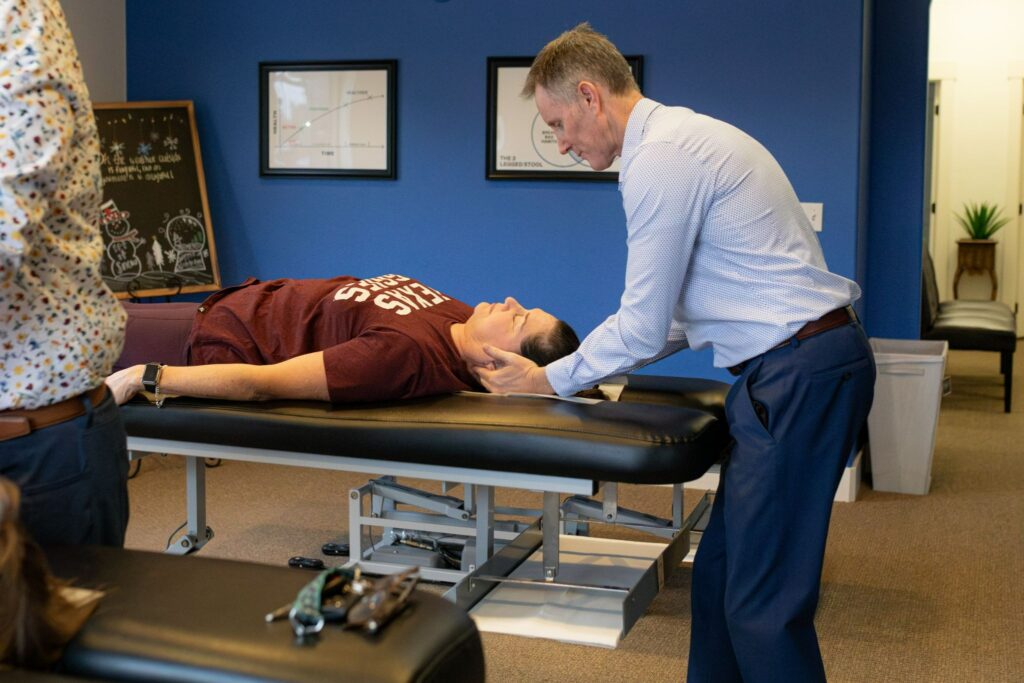

As a local chiropractor, I want you to know that if you're dealing with lower back pain, you're certainly not alone, and there are effective, natural solutions available to help you find relief. One of the best approaches involves a combination of targeted stretching exercises and proper posture techniques, which can not only strengthen your back but also enhance your overall comfort.
In addition to these methods, I often recommend utilizing heat and cold therapy for immediate relief, and over-the-counter medications can also serve as a temporary solution. However, I encourage you to consider lifestyle changes that can make a significant impact on your daily life.
In my practice, I've seen how incorporating regular chiropractic adjustments can help alleviate pain and improve mobility. Let's work together to uncover practical strategies that can transform the way you manage your pain and support your journey towards a healthier, pain-free life.
Stretching and Strengthening Exercises
As a local chiropractor, I want to share with you how incorporating stretching and strengthening exercises into your daily routine can greatly alleviate lower back pain. These exercises not only enhance flexibility but also help to build the muscles that support your spine, ultimately leading to improved overall spinal health. With just a few minutes each day, you may notice significant relief from discomfort.
Let's start with some gentle stretches designed to improve your flexibility. One effective stretch is the hamstring stretch. To perform this, sit on the floor with one leg extended straight and the other leg bent. Reach towards your toes while keeping your back straight. Hold this position for 15-30 seconds before switching to the other leg.
Another beneficial stretch is the cat-cow pose. Begin on all fours, arch your back upwards, and then slowly lower it while lifting your head. This movement is excellent for mobilizing the spine and alleviating stiffness.
After warming up with these stretches, it's important to focus on strengthening exercises to support your lower back. The bridge exercise is particularly effective. Lie on your back with your knees bent and feet flat on the floor. Lift your hips towards the ceiling while squeezing your glutes at the top. Hold for a few seconds before lowering back down. Aim for 10-15 repetitions.
Another great exercise is the plank, which helps to strengthen your core. Begin in a push-up position, keeping your body straight, and hold this position for 20-30 seconds.
By regularly incorporating these stretches and strengthening exercises into your daily routine, you can effectively manage and even reduce lower back pain over time. Remember, consistency is key! Make these exercises a habit, and you're likely to experience the benefits in your overall well-being.
As always, if you have any questions or concerns, feel free to reach out to me for personalized guidance on your journey to better health.
Proper Posture Techniques
As a local chiropractor, I often emphasize the importance of incorporating proper posture techniques into your daily routine. Many of my patients are surprised to learn that good posture not only enhances the effectiveness of stretching and strengthening exercises but also plays a crucial role in alleviating lower back pain.
When you maintain the correct alignment of your body, you can relieve unnecessary pressure on your spine and the surrounding muscles. Here are some essential tips to help you improve your posture:
- Sit up straight: Make it a habit to keep your back firmly against your chair, with your feet resting flat on the ground. If you find yourself slumping, consider using a small cushion or lumbar roll to provide extra support for your lower back.
- Stand tall: When standing, aim to distribute your weight evenly across both feet. Keep your shoulders back and relaxed, ensuring that your head is aligned with your spine. This alignment is key to reducing strain on your back.
- Adjust your workspace: If you spend long hours at a desk, it's important to set up your workspace ergonomically. Position your computer screen at eye level and ensure your chair offers adequate support for your lower back. This will help prevent slouching and discomfort during your workday.
- Be mindful when lifting: When lifting objects, always remember to bend at your knees rather than at your waist. Keep the item close to your body and rely on your legs to lift, rather than straining your back. This simple adjustment can make a significant difference in preventing injuries.
By following these tips, you can support your overall health and well-being, and help your body function at its best.
If you have questions or need personalized advice on improving your posture, feel free to reach out. Your spine will thank you!
Heat and Cold Therapy
As a local chiropractor, I want to help you understand how heat and cold therapy can be valuable tools in managing lower back pain.
Many of my patients find that applying heat can effectively relax tight muscles and enhance blood circulation in the affected area. This increased blood flow can promote healing and alleviate discomfort.
On the other hand, cold therapy is excellent for reducing inflammation and numbing sharp pain, which can be particularly useful after an injury or during a flare-up.
By incorporating both methods into your self-care routine, you can experience significant relief and support your body's natural healing processes.
I encourage you to explore these therapies and see how they can complement your chiropractic care.
Benefits of Heat Therapy
As a local chiropractor, I want to share with you the incredible benefits of heat therapy, particularly for those suffering from lower back pain. Heat therapy is a natural and effective way to promote healing and alleviate discomfort, and it's a technique that can easily be incorporated into your daily routine.
When you apply heat to your lower back, it helps to increase blood flow, which is essential for delivering oxygen and nutrients to your muscles. This enhanced circulation not only aids in recovery but also helps to relax tight muscles, reducing stiffness and improving your overall range of motion.
One of the key advantages of heat therapy is its ability to provide pain relief. The warmth can effectively mask pain signals, offering immediate and temporary relief from discomfort. Additionally, the soothing effects of heat can help diminish stress, making it easier for you to cope with any pain you may be experiencing.
There are several methods you can use for heat therapy, including heating pads, warm baths, or hot water bottles. I recommend applying heat for about 15-20 minutes at a time to ensure you avoid any skin irritation.
Keep in mind that heat therapy is particularly beneficial for chronic pain or muscle tension rather than acute injuries.
Cold Therapy Techniques
As a local chiropractor, I'd like to share with you an effective technique for managing lower back pain—cold therapy. This method can be incredibly beneficial for those who may not be familiar with chiropractic care or natural healing approaches. Cold therapy works by numbing the affected area and reducing inflammation, which can be a key factor in alleviating discomfort.
When you apply cold to your lower back, it constricts blood vessels, which helps to minimize swelling and offers immediate relief from pain. At home, you can use ice packs, gel packs, or even a bag of frozen vegetables wrapped in a towel for convenience. I recommend applying cold therapy for about 15-20 minutes at a time, ensuring you take at least an hour between applications to prevent skin damage.
For those of you who lead active lives, consider using cold therapy wraps that stay securely in place, allowing you to experience relief while you go about your day. A cold compress can also be soothing when you're lying down and trying to relax.
To enhance the effectiveness of cold therapy, I encourage you to incorporate gentle stretching or light movement once the initial pain subsides. Always listen to your body; if the cold feels too intense, it's important to remove it immediately.
Integrating cold therapy into your routine can be a game-changer when it comes to managing lower back pain. It can significantly improve your comfort and mobility, complementing the holistic care that chiropractic offers.
If you have any questions or need guidance on how to best use cold therapy, don't hesitate to reach out!
Over-the-Counter Medications
As a local chiropractor, I want to help you understand how to manage lower back pain effectively. Over-the-counter (OTC) medications can provide temporary relief, but it's essential to be informed about the common pain relievers available, their recommended dosages, and any potential side effects associated with them.
While these medications may help alleviate discomfort, I encourage you to consider holistic approaches to pain management, such as chiropractic care, which focuses on addressing the root causes of your pain rather than just masking the symptoms.
Common OTC Pain Relievers
As a local chiropractor, I often see patients seeking relief from lower back pain, and many of them consider over-the-counter (OTC) pain relievers as a quick fix. While these medications can provide temporary relief, it's important to understand that they aren't a long-term solution and don't address the underlying issues that may be contributing to your pain.
Here are some common OTC options you might encounter:
- Ibuprofen: This nonsteroidal anti-inflammatory drug (NSAID) can help reduce inflammation and alleviate pain, but it's essential to use it cautiously and not rely on it as your primary method of pain management.
- Acetaminophen: Often chosen for mild to moderate pain, this can be a suitable alternative if NSAIDs aren't an option for you. However, it doesn't address inflammation directly.
- Naproxen: Another NSAID, it provides longer-lasting relief, which may be beneficial for those dealing with chronic pain. Still, it's important to consider the potential side effects.
- Aspirin: This traditional pain reliever can be effective, but it's crucial to consult with a healthcare provider, especially if you have certain health conditions that could be impacted.
When considering these OTC pain relievers, it's vital to evaluate your specific symptoms and any existing health concerns. Always read the labels carefully to ensure you're using them safely.
While these medications can be safe for occasional use, they should be viewed as a temporary measure rather than a solution.
At our chiropractic practice, we focus on a holistic approach to managing lower back pain that goes beyond masking symptoms. We aim to identify and treat the root causes of your discomfort through natural healing methods, including spinal adjustments, therapeutic exercises, and lifestyle modifications.
If your pain persists or intensifies, I encourage you to consult with a healthcare professional who understands the value of chiropractic care. Taking control of your health and well-being is vital, and we're here to support you every step of the way.
Dosage and Frequency Guidelines
As a local chiropractor, I want to help you understand the importance of dosage and frequency guidelines for over-the-counter medications, especially when managing lower back pain. While medications like ibuprofen or acetaminophen can provide temporary relief, it's essential to use them wisely and safely.
For instance, ibuprofen is generally recommended at a dosage of 200-400 mg every 4-6 hours, with a maximum limit of 1,200 mg in a 24-hour period for over-the-counter use. Acetaminophen typically allows for 500-1000 mg every 4-6 hours, but you shouldn't exceed 3,000 mg in a day. These guidelines are crucial for your safety, so always check the packaging and adhere to the recommendations.
When considering how much to take, it's important to factor in your age, weight, and any existing health conditions. If you ever feel uncertain about the appropriate dosage, please don't hesitate to consult with a healthcare professional—this could be your family doctor or myself during a chiropractic visit.
Equally important is the frequency of use. It's not advisable to take these medications continuously for more than a few days without proper guidance. Regularly going beyond the recommended doses can lead to serious complications, so it's wise to stick to these guidelines.
If you find that your lower back pain persists despite using over-the-counter medications, I encourage you to reach out for a consultation. As a chiropractor, I can discuss alternative approaches to pain relief and explore natural healing methods that may be more effective for your situation.
Together, we can work towards a solution that promotes your overall well-being and helps you regain a pain-free lifestyle.
Potential Side Effects
As a local chiropractor, I want to take a moment to educate you about the use of over-the-counter medications, such as ibuprofen and acetaminophen, for managing lower back pain.
While they can offer temporary relief, it's essential to understand that these medications may come with potential side effects that can affect your overall health.
Here are some common side effects to be aware of:
- Gastrointestinal issues: These can vary from mild discomfort to more serious conditions, such as ulcers or gastrointestinal bleeding.
- Liver damage: Taking high doses of acetaminophen can lead to liver complications, particularly if you regularly consume alcohol.
- Kidney problems: Long-term use of nonsteroidal anti-inflammatory drugs (NSAIDs) like ibuprofen might negatively impact your kidney function.
- Allergic reactions: Some individuals may face allergic responses, which can manifest as rashes, swelling, or even difficulty breathing.
I encourage you to consult with a healthcare professional or a chiropractor if you find yourself relying on these medications frequently or if you experience any concerning symptoms.
Being informed about the potential side effects can empower you to make healthier choices for your body.
Remember, while these medications can provide temporary relief, they don't address the root causes of your lower back pain.
Chiropractic care focuses on natural healing methods and can help you find long-term solutions to enhance your well-being.
Let's work together to explore safer, holistic approaches to managing your pain!
Professional Treatments
When it comes to managing persistent lower back pain, chiropractic care can provide a natural and effective solution. As a local chiropractor, I want to help you understand how our approach can alleviate your discomfort and improve your overall well-being.
If you're struggling with back pain, I encourage you to schedule a consultation. During your visit, I'll assess your condition and discuss a treatment plan tailored specifically to your needs. My goal is to identify the root cause of your pain and address it through gentle, hands-on techniques.
One of the primary methods we use in chiropractic care is spinal adjustments. These adjustments help realign the spine and relieve pressure on nerves that may be contributing to your pain. Many of my patients report significant improvement after just a few sessions, and I take pride in providing a safe and supportive environment for healing.
In addition to adjustments, I often incorporate exercises and stretches into our treatment plans. These are designed to strengthen your back muscles, enhance flexibility, and promote better posture. By educating you on proper body mechanics, we can work together to prevent future injuries and maintain a healthy spine.
If your pain is severe or unresponsive to initial treatments, I may collaborate with other healthcare providers to explore additional options, including referrals for injections or more advanced interventions. It's essential to consider all avenues for relief, and I'm here to guide you through that process.
Always feel free to ask questions about the treatments I recommend. I believe in empowering my patients with knowledge about their health, so you can make informed decisions about your care.
Lifestyle Modifications
As a local chiropractor, I'm here to help you understand how simple lifestyle modifications can significantly alleviate your lower back pain. By making intentional choices in your everyday routine, you can minimize discomfort and enhance your overall health.
Here are some effective changes I encourage you to consider:
- Stay Active: Engaging in regular physical activity is crucial for strengthening your core and back muscles, which provides essential support for your spine. I recommend low-impact exercises such as walking, swimming, or yoga to keep your body moving without causing strain.
- Practice Good Posture: Whether you're seated at a desk or standing, maintaining proper posture is vital. Good alignment can relieve pressure on your lower back. Ensure that your shoulders are back, your feet are flat on the floor, and your knees are at a right angle. This simple adjustment can make a big difference!
- Invest in a Good Mattress: Your mattress plays a crucial role in your spinal health. A supportive mattress can greatly alleviate back pain by keeping your spine properly aligned while you sleep. Take the time to find one that combines comfort with support.
- Maintain a Healthy Weight: Carrying excess weight can place additional stress on your lower back. A balanced diet combined with regular physical activity won't only help you achieve a healthy weight but also reduce strain on your spine.
By incorporating these changes into your lifestyle, you can empower yourself to manage lower back pain more effectively.
If you have any questions or would like to explore chiropractic care further, feel free to reach out to me!
Conclusion
As a local chiropractor, I want to share some effective solutions for relieving lower back pain that you can easily incorporate into your daily life. By integrating stretching and strengthening exercises into your routine, you can significantly improve your back health. It's also crucial to pay attention to your posture throughout the day—this simple adjustment can make a world of difference in reducing discomfort.
Many of my patients find relief through heat or cold therapy, which can soothe inflammation and ease muscle tension. Additionally, consider making lifestyle modifications that support your overall well-being, such as staying active and maintaining a healthy weight. If you're still experiencing pain, seeking professional treatment is a valuable step. Chiropractic care focuses on natural healing and can help address the root causes of your discomfort. Take charge of your back health today, and you'll be on your way to enjoying a more active, pain-free life!