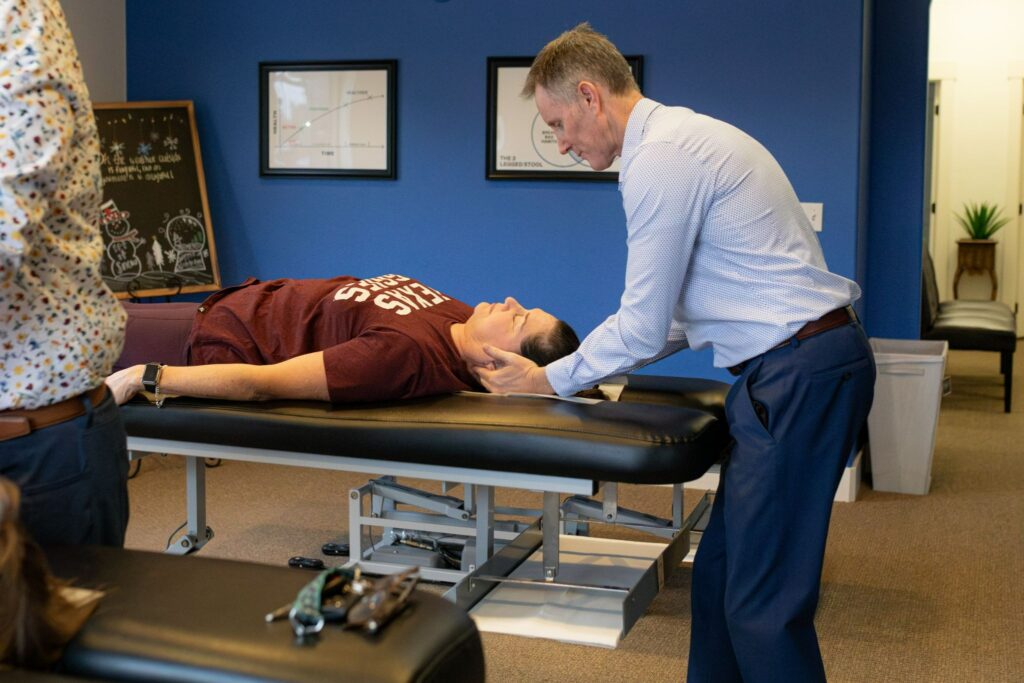

As a local chiropractor, I understand that back pain can significantly impact your daily life. Incorporating specific stretches into your routine can be a game-changer in managing discomfort and promoting overall wellness. Simple movements like the Cat-Cow and Child’s Pose are not just for yogis; they can enhance your flexibility and encourage relaxation in your spine. Many patients are surprised to learn how effective these stretches can be in alleviating tension and improving posture.
Let’s take a closer look at some effective stretches that I recommend to help you maintain a healthier back and keep discomfort at bay. By integrating these stretches into your daily routine, you can support your body’s natural healing processes and enjoy a more active, pain-free lifestyle. Remember, taking proactive steps is key to preventing back pain and enhancing your overall well-being!
Cat-Cow Stretch
As a local chiropractor, I want to introduce you to a powerful movement that can greatly benefit your spinal health: the Cat-Cow stretch. This simple yet effective exercise can enhance your spinal flexibility and alleviate tension in your back, making it an excellent addition to your daily routine.
The Cat-Cow stretch involves transitioning between two distinct positions: the arching “Cat” pose and the gentle “Cow” pose. To get started, find yourself on all fours, ensuring your wrists are directly under your shoulders and your knees are aligned with your hips.
As you inhale, allow your belly to drop towards the ground while lifting your head and tailbone, moving into the Cow pose. Then, as you exhale, round your spine, tuck your chin, and draw your belly button in towards your spine, transitioning into the Cat pose.
Repeat this flow several times, focusing on syncing your breath with each movement. You’ll soon notice how this stretch not only increases circulation and warms up your spine, but also creates much-needed space in your back.
By incorporating the Cat-Cow stretch into your daily routine, you’re not just helping to prevent back pain; you’re actively contributing to your overall spinal health and well-being.
At my practice, I encourage patients to explore natural healing methods like this stretch to support their chiropractic care. Remember, your spine is vital to your overall health, and taking these small, mindful actions can make a significant difference in how you feel.
Child’s Pose
As a local chiropractor, I often recommend incorporating Child’s Pose into your routine as a restorative stretch that can significantly benefit your overall well-being. This gentle pose not only calms the mind but also effectively stretches your back, hips, and thighs.
To practice Child’s Pose, start by kneeling on the floor and sitting back on your heels. Then, lower your torso forward and rest your forehead on the mat. You can extend your arms in front of you or let them rest alongside your body, whichever feels more comfortable for you.
As you settle into this pose, pay close attention to your breath. Inhale deeply, allowing your ribs to expand, and then exhale slowly, feeling your body relax and sink deeper into the stretch. This position is particularly beneficial for releasing tension in the lower back and promoting relaxation—key components in maintaining spinal health.
I recommend holding Child’s Pose for 30 seconds to a few minutes, adjusting your arms and torso as necessary for comfort. Taking this time for yourself can alleviate stress and enhance flexibility, making it a valuable addition to your daily routine, particularly for those looking to prevent back pain.
Seated Forward Bend
As a local chiropractor, I want to share the benefits of the Seated Forward Bend, a valuable stretch that can help alleviate lower back pain and enhance your overall flexibility.
It’s crucial to maintain proper form while practicing this pose and to focus on your breathing to maximize its effects.
For optimal results, I recommend incorporating this stretch into your routine several times a week. Spending around 30 seconds to a minute in the position can provide significant relief and improve your flexibility over time.
Remember, consistency is key in any healing practice, and integrating stretches like the Seated Forward Bend can be a natural complement to your chiropractic care.
Feel free to ask me any questions about how to safely incorporate this stretch into your daily life for better spinal health!
Benefits for Lower Back
As a chiropractor, I often emphasize the importance of maintaining a healthy spine and lower back, and one effective way to achieve this is through the Seated Forward Bend stretch. This simple yet powerful pose offers a multitude of benefits for your lower back, making it a valuable addition to your daily routine, especially if you’re new to chiropractic care and natural healing.
When you practice the Seated Forward Bend, you’re helping to lengthen your spine, which can significantly reduce tension and tightness in the surrounding muscles. This stretch isn’t just about flexibility; it’s also about improving your posture, which is crucial for preventing future discomfort and issues.
Moreover, this stretch promotes better circulation in your lower back, ensuring that the muscles and tissues receive the essential nutrients they need to remain healthy. As you reach forward, you’re not only engaging your hamstrings, but you’re also allowing your body to release stress and promote relaxation—a vital aspect of overall wellness.
Whether you find yourself sitting for long periods at a desk or leading an active lifestyle, incorporating the Seated Forward Bend into your routine can help alleviate tightness and enhance the mobility of your lower back.
Proper Form Techniques
As a chiropractor, I want to share some insights on the Seated Forward Bend, a wonderful stretch that can greatly benefit your spine and overall well-being. It’s crucial to prioritize proper form to avoid any strain and to maximize the benefits of this stretch.
Begin by sitting on the floor with your legs extended straight in front of you. Flex your feet and engage your thighs to support your alignment. Take a deep inhale, focusing on lengthening your spine. When you exhale, hinge at your hips and gently reach forward while keeping your back straight.
It’s vital to avoid rounding your shoulders or collapsing your chest, as this can lead to discomfort and misalignment. Depending on your flexibility, you may reach for your shins, ankles, or feet. Remember to maintain that elongated spine throughout the pose.
If you start to feel any discomfort, it’s important to ease up and adjust your position. You should be looking for a gentle stretch, not pain. Stay present during this stretch and focus on your breath. Deep, mindful breathing can enhance your experience and promote relaxation.
Incorporating stretches like the Seated Forward Bend into your routine can be an excellent way to support your body’s natural healing processes. Always listen to your body and make adjustments as needed to ensure a safe and beneficial practice.
Frequency and Duration
As a chiropractor dedicated to promoting natural healing and overall well-being, I encourage you to incorporate the Seated Forward Bend into your routine for its incredible benefits.
Consistency is key! Aim to practice this stretch three to five times a week to significantly enhance your flexibility and alleviate tension in your back.
During each session, hold the position for 20 to 30 seconds while focusing on taking deep, controlled breaths. As your body becomes more accustomed to the stretch, you can gradually increase the hold time to a minute. It’s important to listen to your body—if you feel any discomfort, gently ease out of the stretch.
Consider making this stretch a part of your daily routine, whether that’s in the morning to start your day off right or after long periods of sitting to relieve any accumulated tension.
By committing to this frequency and duration, you’re taking proactive steps toward preventing back pain and improving your overall posture.
Spinal Twist
As a local chiropractor, I want to share the benefits of spinal twists and how they can greatly enhance your overall well-being.
Spinal twists are an excellent stretch that can improve your flexibility and help alleviate tension in your back. By incorporating this simple yet effective stretch into your routine, you can experience a range of advantages, such as better posture and reduced discomfort.
Let me guide you on how to perform this stretch correctly. It’s important to approach spinal twists with mindfulness, ensuring that you listen to your body and avoid pushing beyond your limits.
This practice not only promotes physical health but also supports your body’s natural healing processes. Remember, regular movement and stretching can be key components of maintaining a healthy spine and preventing pain.
If you have any questions about spinal twists or other natural healing methods, feel free to ask!
Benefits of Spinal Twists
As a local chiropractor, I want to share with you one of the most effective practices for promoting spinal health: spinal twists.
These gentle stretches are designed to enhance the flexibility of your spine, allowing you to maintain a healthy range of motion. By incorporating spinal twists into your routine, you can increase circulation to your spinal discs, which aids in nutrient absorption and helps to reduce stiffness.
Moreover, spinal twists engage your core muscles, providing essential stability and support for your back, which can alleviate tension and discomfort. Practicing these movements regularly can also promote better posture by encouraging proper alignment and relieving pressure on your vertebrae.
Beyond physical benefits, spinal twists can significantly reduce stress and enhance your overall sense of well-being by releasing built-up tension throughout your body.
Embracing these simple yet powerful stretches can help keep your back feeling strong and pain-free. If you’re looking for natural ways to improve your spinal health, I encourage you to consider adding spinal twists to your routine. Your body will thank you!
How to Perform
As a chiropractor, I want to share with you an effective way to perform a spinal twist, which is a fantastic stretch for improving flexibility and releasing tension in your back and hips.
To get started, find a comfortable spot on the floor and sit with your legs extended in front of you.
Begin by bending your right knee, placing your foot on the outside of your left thigh while keeping your left leg straight. Take a deep breath in, allowing your spine to lengthen and your posture to improve.
As you exhale, gently twist your torso to the right. You can support yourself by placing your right hand behind you.
To enhance the stretch, use your left arm to softly press against your right knee. This action will help deepen the twist and release any accumulated tension.
Hold this position for 15 to 30 seconds, making sure to breathe deeply throughout the stretch.
When you’re ready to return to the starting position, slowly unwind your torso and extend your legs back out in front of you.
Don’t forget to repeat this stretch on the other side! Incorporating spinal twists like this into your routine can greatly benefit your overall flexibility and help alleviate discomfort in your back and hips.
Standing Hamstring Stretch
As a local chiropractor dedicated to promoting natural healing, I want to share with you an effective technique called the standing hamstring stretch. This stretch is an excellent way to relieve tension in your lower back and legs, which is crucial for maintaining overall spinal health.
To perform this stretch, begin by standing tall with your feet hip-width apart. Gently hinge at your hips while keeping your back straight and bend forward slowly. Reach toward your toes or the floor, and pay attention to the sensation in the back of your legs. If reaching your toes feels out of reach, that’s perfectly fine—just go as far as you comfortably can without straining.
Aim to hold this position for 15 to 30 seconds. Remember to breathe deeply during this time, as it can enhance the effectiveness of the stretch.
For a more targeted approach, you can also bend one knee while keeping the other leg straight, allowing you to isolate and stretch each hamstring individually. Don’t forget to switch sides to ensure both legs receive the benefit.
Incorporating the standing hamstring stretch into your routine can significantly improve your flexibility and encourage better posture. This not only helps to alleviate discomfort but also reduces the risk of back pain, which is something we often see in our practice.
Cobra Stretch
As a local chiropractor, I want to introduce you to the cobra stretch, an excellent addition to your routine for promoting back health. Many people overlook the importance of stretching, but incorporating specific movements can significantly benefit your spine and overall well-being.
The cobra stretch is particularly effective because it not only targets your spine but also opens up your chest and shoulders, enhancing your flexibility. Here’s how to perform it correctly:
- Lie face down on the floor with your legs extended.
- Position your hands under your shoulders, keeping your elbows close to your body.
- Gently press into your palms to lift your chest off the ground, allowing your back to arch.
- Ensure that your pelvis and lower body remain grounded throughout the stretch.
- Hold this position for 15-30 seconds while breathing deeply and steadily.
Incorporating the cobra stretch into your routine can help alleviate tension in the lower back and improve your posture, especially after long periods of sitting, which many of us experience in our daily lives.
It’s essential to maintain a gentle stretch and avoid pushing through any pain—listen to your body. With regular practice, you may notice significant improvements in your back health and overall flexibility.
I encourage you to give the cobra stretch a try and experience the relief it can bring to your body. Remember, natural healing and chiropractic care work hand-in-hand to enhance your quality of life!
Pelvic Tilts
As a chiropractor dedicated to promoting natural healing and improving overall well-being, I want to introduce you to a simple yet effective exercise known as pelvic tilts. This exercise can play a significant role in strengthening your lower back and enhancing your posture, which are vital components of maintaining spinal health.
To perform a pelvic tilt, start by lying on your back with your knees bent and your feet flat on the floor. Position your arms comfortably at your sides. The next step is to gently rock your pelvis upward. You can achieve this by engaging your abdominal muscles and pressing your lower back into the floor.
Hold this position for a few seconds, then relax. Aim to repeat this movement for 10 to 15 repetitions.
As you practice pelvic tilts, I encourage you to pay attention to your breathing. Inhale deeply as you tilt your pelvis upward, and exhale as you relax back into the starting position. This exercise not only activates your core muscles but also fosters flexibility in your spine.
By integrating pelvic tilts into your daily routine, you may find relief from back tension and improve your overall alignment.
It’s amazing how such a small adjustment in your movements can lead to significant improvements in your comfort and mobility. Remember, taking care of your spine is essential for your overall health, and pelvic tilts are a great place to start on your journey to wellness.
Wall Angels
As a local chiropractor dedicated to enhancing your overall well-being, I want to introduce you to a simple yet effective exercise that can significantly improve your shoulder and upper back health: wall angels.
This movement not only helps with mobility and posture but also alleviates tension in your back, which is crucial for your overall health. Here’s how to perform wall angels effectively:
- Stand with your back against a wall, positioning your feet about six inches away from it.
- Ensure that your head, upper back, and tailbone are in contact with the wall throughout the exercise.
- Raise your arms to form a “W” shape, keeping your elbows bent and hands pressed against the wall.
- Slowly and gently slide your arms upward to create a “Y,” maintaining contact with the wall at all times.
- Return to the “W” position and repeat this sequence for about 10-15 repetitions.
Incorporating wall angels into your daily routine can greatly enhance your flexibility and strengthen the muscles in your upper back.
Over time, you’ll likely notice improvements in your posture and a reduction in any back pain you may be experiencing.
I encourage you to give this exercise a try and experience the numerous benefits of improved shoulder and upper back health through natural movement and care!
Conclusion
As a local chiropractor, I want to share some valuable insights on how incorporating specific stretches into your daily routine can be a game-changer in preventing back pain. Many of my patients are surprised to learn that simple movements like the Cat-Cow and Child’s Pose can significantly improve flexibility, relieve tension, and promote better posture.
It’s essential to listen to your body; each stretch should be adjusted to fit your comfort level. Consistent practice of these stretches not only helps alleviate discomfort but also enhances your overall mobility, which is crucial for maintaining a healthy spine.
I encourage you to roll out your mat and start stretching today. By doing so, you take an important step towards a healthier back and a more vibrant life. Remember, natural healing through movement is a powerful tool in chiropractic care!