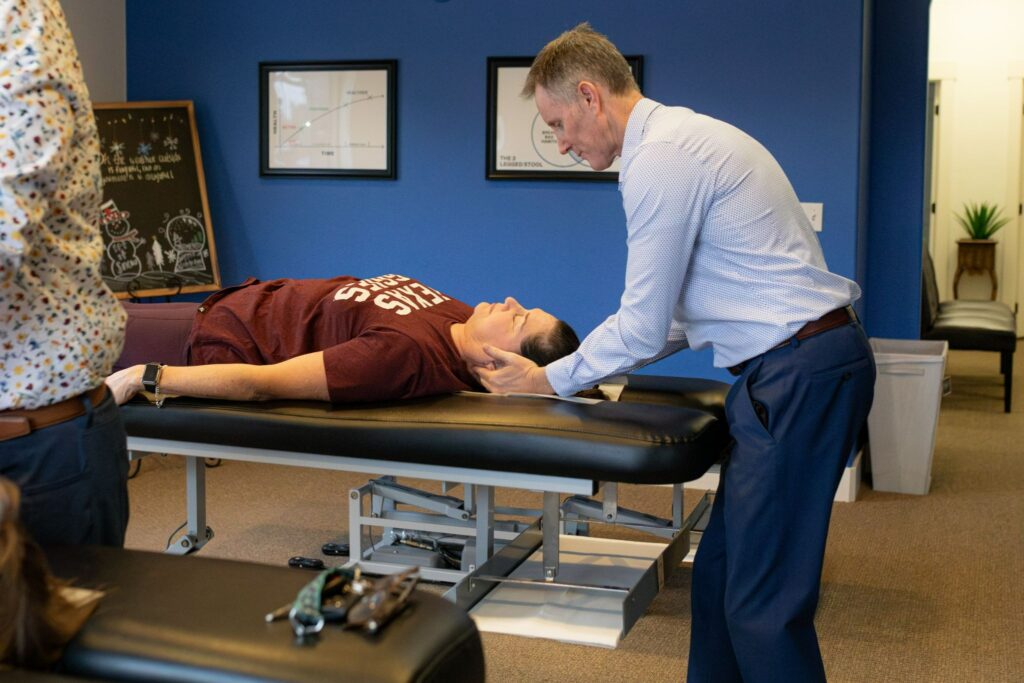

As a local chiropractor, I understand how disruptive lower back pain can be in your daily life. It’s crucial to find effective treatment methods that not only provide relief but also promote long-term recovery. Many people are unaware of how chiropractic care can play a vital role in addressing lower back pain.
One of the first things we focus on is your posture. Poor posture can exacerbate back pain, so we work together to help you align your body correctly. Additionally, I encourage specific exercises tailored to strengthen your core and support your spine. These techniques can make a significant difference in your overall well-being.
But it’s not just about exercises and posture; chiropractic adjustments can help realign your spine and improve your body’s function. This holistic approach allows your body to heal naturally, reducing pain and enhancing mobility. Let’s look at some of the top strategies we can implement together to manage and alleviate your discomfort effectively. Remember, you don’t have to navigate this journey alone—I’m here to guide you every step of the way.
Understanding Lower Back Pain
As a local chiropractor, I understand that experiencing lower back pain can be both overwhelming and confusing for many individuals. You may find yourself questioning the cause of your pain and why it seems to linger.
It’s important to recognize that lower back pain can arise from a variety of factors, such as muscle strain, herniated discs, or even stress. Activities we often take for granted, like lifting heavy objects or sitting for extended periods, can contribute to this discomfort.
Listening to your body is crucial. If you notice sharp pain or sensations radiating down your legs, it could be a sign that you need professional help.
I want to emphasize that lower back pain often involves more than just physical symptoms; emotional stress can also play a significant role in your overall experience of pain.
By identifying the specific type of pain you’re experiencing, we can work together to find the most effective treatment for you.
It’s essential to acknowledge your limitations and make adjustments to your routines, which can greatly improve your situation.
With a better understanding of your body and the principles of chiropractic care, you can start to manage your pain more effectively and regain hope for recovery.
Importance of Proper Posture
As a local chiropractor, I want to emphasize the importance of maintaining proper posture to prevent lower back pain. Many people are unaware that simple adjustments in their daily routines can have a profound impact on their well-being.
By setting up an ergonomic workstation, you create an environment that supports your spine and reduces strain.
In addition to this, incorporating core-strengthening exercises into your routine can significantly bolster your back’s support system. A strong core helps maintain proper alignment and stability, which is crucial for preventing discomfort.
Lastly, developing mindful sitting habits is equally vital. Being aware of how you sit and adjusting your posture accordingly can help you avoid unnecessary tension in your back.
Let’s delve deeper into these strategies and see how they can enhance your daily life and overall health.
Ergonomic Workstation Setup
As a local chiropractor, I want to emphasize the importance of an ergonomic workstation setup for your overall well-being, particularly in preventing lower back pain. Many individuals overlook how significantly their workspace can impact their comfort and productivity.
When you create an environment that supports your body properly, you’ll likely feel a marked improvement in how you feel throughout the day.
Start with your chair: it should be adjusted so that your feet rest flat on the floor, and your knees are at hip level. This positioning helps maintain a healthy posture.
Next, ensure that your monitor is at eye level; this adjustment is crucial to prevent unnecessary strain on your neck. Additionally, using a chair that offers lumbar support can help maintain the natural curve of your spine, reducing the risk of discomfort.
It’s also vital to position your keyboard and mouse close to you to minimize reaching, which can lead to strain in your back and shoulders.
Remember to take regular breaks to stand and stretch; this practice is essential for maintaining flexibility and reducing tension.
By prioritizing your workstation setup, you’ll not only foster better posture but also significantly diminish the risk of lower back pain.
As your chiropractor, I encourage you to take these steps seriously—your spine will thank you!
Core Strengthening Exercises
As a local chiropractor, I want to emphasize the importance of building a strong core for your overall health and well-being. A well-developed core not only supports proper posture but also plays a crucial role in preventing lower back pain—something many of my patients struggle with.
Strengthening your core can help stabilize your spine, allowing you to sit and stand with ease and confidence.
Here are three effective core strengthening exercises that I recommend incorporating into your daily routine:
- Planks: This foundational exercise involves holding a plank position for 30 seconds to a minute. Focus on engaging your abdominal muscles and maintaining a straight line from your head to your heels. This will strengthen your core while promoting stability.
- Bird-Dogs: Begin on all fours—this means your hands and knees are on the ground. Extend one arm forward while simultaneously extending the opposite leg back. Hold for a moment, then switch sides. This exercise is excellent for improving balance and enhancing core stability, which is vital for overall spinal health.
- Bridges: Lie on your back with your knees bent and feet flat on the floor. Slowly lift your hips towards the ceiling, squeezing your glutes at the top of the movement. This exercise not only strengthens your core but also targets your lower back and glutes, further supporting your spine.
Incorporating these exercises into your routine can significantly contribute to your spinal health and overall wellness.
Mindful Sitting Habits
As a local chiropractor, I often see patients who are unaware of the significant impact that poor sitting habits can have on their overall health. Many of us tend to slouch while sitting at our desks or on the couch, which can lead to considerable discomfort and exacerbate issues like lower back pain.
It’s crucial to practice mindful sitting habits to support your spine’s health. When you’re seated, aim to maintain a neutral spine. This means keeping your feet flat on the floor, with your knees at or below hip level. If necessary, adjust your chair to provide optimal support for your lower back.
Engaging your core muscles is vital, as they play a key role in stabilizing your spine during prolonged sitting. Additionally, instead of hunching over your computer screen, elevate it to eye level. This simple adjustment can significantly reduce strain on your neck and back.
By making these mindful adjustments to your sitting habits, you can alleviate discomfort and enhance your overall well-being. It’s these small changes that can lead to lasting improvements in your spinal health.
Stretching and Strengthening Exercises
As a local chiropractor, I want to emphasize the importance of incorporating effective stretching and core strengthening exercises into your routine to manage lower back pain.
These exercises aren’t just about improving flexibility; they play a crucial role in building the support your back needs to function optimally.
By engaging in a consistent routine, you can significantly enhance your comfort and mobility, paving the way for a healthier, more active lifestyle.
Remember, your body is designed to move, and proper care through these techniques can help you reclaim your well-being naturally.
If you have any questions or need guidance, feel free to reach out—I’m here to help you on your journey to better health!
Effective Stretching Techniques
As a local chiropractor, I often see patients who may not fully appreciate the role of stretching and strengthening exercises in managing lower back pain.
It’s important to understand that incorporating these techniques into your daily routine can make a significant difference in your comfort and overall well-being.
Here are three effective stretching techniques I recommend:
- Cat-Cow Stretch: Begin by getting on your hands and knees. This stretch involves alternating between arching your back towards the ceiling (like a cat) and then sinking it down towards the floor (like a cow). This movement not only enhances flexibility but also helps to relieve tension in your spine.
- Child’s Pose: Start by sitting back on your heels. Extend your arms forward and gently lower your torso towards the ground. This calming stretch is excellent for elongating your spine and providing relief to tight muscles.
- Knee-to-Chest Stretch: Lie on your back and gently pull one knee toward your chest. Hold this position for 20-30 seconds before switching to the other side. This stretch is particularly effective in releasing tightness in the lower back area.
I encourage you to incorporate these stretches into your daily routine.
They can play a crucial role in promoting relief from discomfort and improving your overall posture, which is vital for your long-term spinal health.
Core Strengthening Exercises
As a local chiropractor, I want to share the importance of building a strong core for your overall health, especially when it comes to managing lower back pain and improving stability.
When your core muscles are strong, they provide vital support to your spine, helping to distribute weight more evenly and reducing strain on your lower back.
One effective way to strengthen your core is through exercises like planks. Start by holding your body in a straight line from head to heels; this engages multiple muscle groups.
Once you’re comfortable with planks, try side planks to specifically target your obliques. Another great exercise is the bridge: lie on your back, lift your hips off the ground, and squeeze your glutes at the top. This not only strengthens your core but also helps protect your lower back.
Don’t overlook the dead bug exercise, which is excellent for coordination and core engagement. Lie on your back with your arms and legs raised, then lower opposite limbs while keeping your core engaged. This helps improve stability and strength.
I recommend incorporating these exercises into your routine three to four times a week.
Remember, strengthening your core can alleviate pain and enhance your performance in everyday activities.
As your chiropractor, I’m here to guide you on your journey to better health through natural healing methods. Let’s work together to strengthen your core and improve your overall well-being.
Heat and Cold Therapy
As a local chiropractor, I want to share with you the incredible benefits of heat and cold therapy for relieving lower back pain. These natural methods can effectively target inflammation and muscle tension, making them a valuable addition to your pain management routine.
- Heat Therapy: Using a heating pad or a warm towel can work wonders for easing tight muscles and enhancing blood circulation. I recommend applying heat for about 15-20 minutes at a time. Just ensure that the heat is comfortable and not too hot to avoid burns.
- Cold Therapy: On the other hand, cold therapy is excellent for reducing swelling and numbing sharp pain. You can use ice packs wrapped in a cloth and apply them for about 10-15 minutes. Remember to take breaks in between applications to protect your skin from damage.
- Alternating Therapies: One of the most effective techniques is to alternate between heat and cold. Start with cold therapy to minimize inflammation, then switch to heat to relax the muscles. This combination can significantly enhance your overall comfort.
By incorporating these simple yet effective therapies into your routine, you can experience relief from discomfort and support your body’s natural healing process.
If you have any questions or need guidance on how to best apply these therapies, don’t hesitate to reach out!
Physical Therapy Techniques
As a local chiropractor, I want to share how chiropractic care can effectively manage lower back pain and enhance your mobility. When you come in for a consultation, I’ll conduct a thorough assessment of your condition and develop a personalized treatment plan that aligns with your specific needs.
In our sessions, you can expect to engage in exercises designed to strengthen your core, improve flexibility, and correct your posture. These exercises not only help alleviate your pain but also work to prevent future problems from arising.
I also employ various manual therapy techniques, such as spinal adjustments and mobilization, to ease tightness and enhance joint function. Additionally, I may utilize natural healing modalities like ultrasound or electrical stimulation to support your recovery process.
Education is a vital aspect of your chiropractic experience. I’ll guide you on proper body mechanics and ergonomic practices to minimize strain during your daily activities.
Pain Relief Medications
As a local chiropractor, I want to help you understand how to effectively manage lower back pain, particularly through natural healing methods.
While many people turn to pain relief medications for quick relief, there are alternative approaches that can address the root causes of discomfort. However, if you’re considering medications, it’s important to be informed about your options.
Here are three common types of pain relief medications that some individuals may find helpful:
- Nonsteroidal Anti-Inflammatory Drugs (NSAIDs) – Medications like ibuprofen and naproxen can help reduce inflammation and alleviate pain. While they can provide temporary relief, it’s essential to remember that they don’t address the underlying issues that may be contributing to your back pain.
- Acetaminophen – Often available over the counter, acetaminophen can help relieve pain, particularly for mild to moderate discomfort. However, it doesn’t work on inflammation, so it may not provide the comprehensive relief you’re seeking.
- Muscle Relaxants – If your lower back pain is accompanied by muscle spasms, your healthcare provider might recommend muscle relaxants. These can help ease muscle tension, but they’re often a short-term solution.
While these medications can be beneficial in certain situations, I encourage you to explore chiropractic care as a holistic approach to managing your pain.
Chiropractic adjustments, combined with lifestyle changes and therapeutic exercises, can promote healing and restore proper function to your spine.
Always consult with your healthcare provider, including your chiropractor, to determine the best treatment plan tailored to your needs. Together, we can work towards effective pain management and improved overall health.
Alternative Therapies
As a local chiropractor dedicated to helping patients manage their lower back pain, I want to introduce you to some effective alternative therapies that go beyond traditional medications. One of the most impactful methods we use in chiropractic care is spinal adjustments. These adjustments help realign your spine, which can greatly improve mobility and alleviate pain.
In addition to chiropractic adjustments, I often recommend acupuncture as a complementary therapy. This ancient practice uses thin needles to stimulate specific points on the body, promoting natural healing and pain reduction. Many of my patients have found significant relief through this approach.
Massage therapy is another valuable option I encourage. It helps to ease muscle tension and improve circulation in the affected areas, contributing to overall pain relief.
Furthermore, incorporating gentle practices like yoga and tai chi can enhance flexibility and strengthen your core muscles—both crucial for supporting your back.
You might also consider herbal supplements, such as turmeric or devil’s claw, known for their anti-inflammatory properties. However, it’s essential to consult with a healthcare professional before starting any new therapies to ensure they’re safe and suitable for your individual needs.
By exploring these alternative therapies alongside chiropractic care, you can discover a holistic approach to effectively managing your lower back pain and improving your overall well-being.
I’m here to guide you through this journey and help you find the best solutions tailored to your unique situation.
Lifestyle Modifications
As a local chiropractor, I want to share some valuable insights on how you can enhance your journey to managing lower back pain through simple lifestyle modifications.
These changes can complement your chiropractic care and promote a healthier, pain-free life. Here are three essential adjustments to consider:
1. Stay Active: Engaging in regular low-impact activities such as walking, swimming, or yoga is crucial.
These exercises not only help strengthen your back muscles but also improve flexibility. Aim to incorporate at least 30 minutes of physical activity into most days of your week. It’s a great way to support your spine and overall wellness!
2. Improve Your Posture: Your posture plays a significant role in back health.
Be mindful of how you sit and stand throughout the day. Utilizing ergonomic furniture can make a big difference, and it’s important to take frequent breaks to relieve any strain on your back. Proper alignment can lead to reduced discomfort and better overall function.
3. Maintain a Healthy Weight: Carrying excess weight can place additional stress on your spine, exacerbating pain.
By eating a balanced diet and staying active, you can work towards achieving a healthy weight. This not only helps alleviate back pain but also contributes to your overall health and vitality.
By incorporating these lifestyle modifications, you can greatly enhance the effectiveness of your chiropractic treatments and pave the way for a more comfortable and active life.
When to Seek Professional Help
As a local chiropractor, I want to emphasize the importance of seeking professional help for your lower back pain, especially if it persists despite making lifestyle changes or receiving chiropractic care.
If your pain is severe, lasts more than a few weeks, or disrupts your daily activities, it’s essential to consult a healthcare provider.
Be mindful of any accompanying symptoms, such as numbness, tingling, or weakness in your legs. These signs could point to a more serious condition that requires attention.
Additionally, if you experience sudden weight loss, fever, or issues with bowel or bladder control, please don’t hesitate to seek medical attention.
It’s also crucial to reach out for help if your pain worsens when you move or fails to improve with rest. A thorough evaluation can uncover underlying issues such as herniated discs or spinal stenosis, allowing us to create a tailored treatment plan for you.
Conclusion
As a local chiropractor, I want to share with you some effective strategies for managing lower back pain. It’s important to understand that addressing this discomfort often requires a holistic approach. Start by being mindful of your posture throughout the day; maintaining good alignment can significantly alleviate strain on your back.
Incorporating stretching and strengthening exercises into your routine is also crucial. These exercises can help improve flexibility and support the muscles that stabilize your spine. Additionally, utilizing heat and cold therapy can provide immediate relief by reducing inflammation and promoting blood flow.
Lifestyle modifications play a key role in your recovery as well. Simple changes such as staying active, maintaining a healthy weight, and being aware of your body mechanics can make a substantial difference. Don’t overlook alternative therapies, like chiropractic adjustments, which are designed to restore proper function and alleviate pain naturally.
If you find that your pain continues or worsens, it’s vital to seek professional help. As your chiropractor, I’m here to guide you on this journey toward a more comfortable, pain-free life. Remember, you don’t have to navigate this alone, and together we can create a personalized plan that works for you.