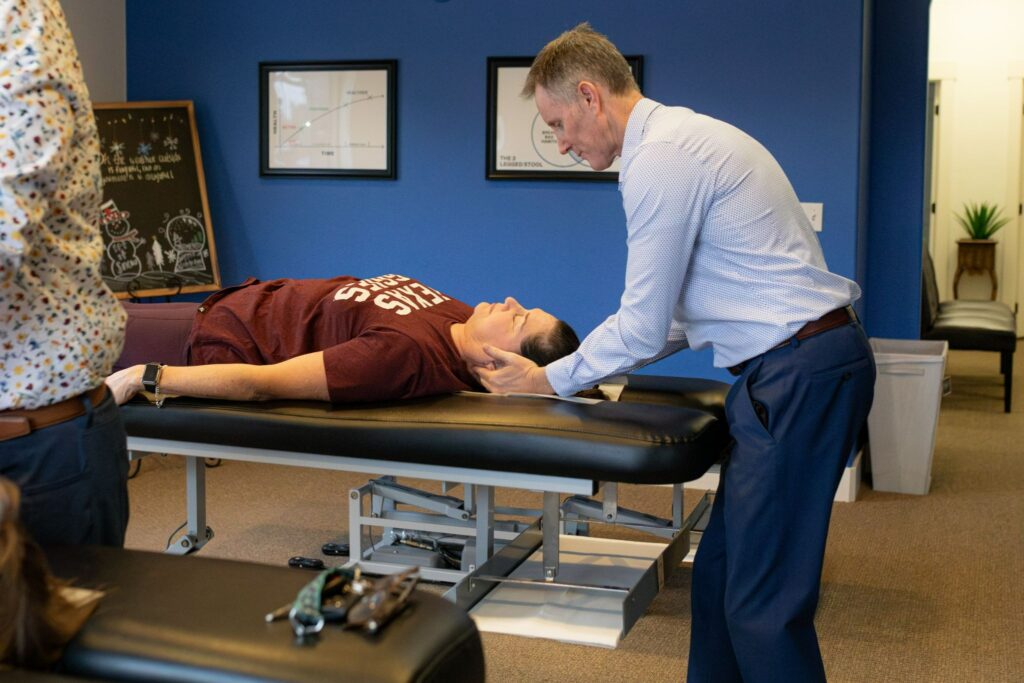

If you’ve experienced whiplash, you understand how difficult it can be to manage the pain and regain your normal range of motion. Fortunately, chiropractic care stands out as one of the most effective treatments for whiplash recovery. By focusing on natural healing and spinal health, chiropractic adjustments can help alleviate pain, reduce inflammation, and restore mobility without the need for medications or invasive procedures.
One of the key benefits of chiropractic care is its holistic approach. Chiropractors assess your spine and nervous system to identify misalignments that may be contributing to your discomfort. Through gentle adjustments, we can help realign your spine, which can significantly improve your overall function and well-being.
In addition to spinal adjustments, incorporating physical therapy and gentle exercises can further enhance your recovery. Stretching and strengthening the neck and back muscles will support your spine and help prevent future injuries. It’s also essential to practice good posture and ergonomics in your daily life to minimize strain on your neck.
Don’t forget the power of ice and heat therapy! Applying ice can help reduce swelling in the initial stages of your injury, while heat can soothe tight muscles as you progress in your recovery.
Remember, recovery from whiplash takes time, and each individual’s journey is unique. Consistency is key—regular chiropractic visits will help keep you on the right track. By choosing chiropractic care as your treatment option, you’re embracing a natural, effective path towards optimal health and wellness. If you’re ready to take the first step towards recovery, reach out to your local chiropractor today!
Understanding Whiplash: Causes and Symptoms
Whiplash is a common injury that occurs when your head is suddenly jolted backward and then forward, often as a result of a car accident or sports injury. This rapid movement can put a lot of strain on the muscles and ligaments in your neck, leading to pain and discomfort.
After an incident, you may notice symptoms such as neck stiffness, headaches, or dizziness. It’s not uncommon for people to experience tingling or numbness in their arms, which could suggest that nerves are affected. Recognizing these signs is crucial, as they can become more pronounced if they aren’t addressed.
Furthermore, emotional symptoms like anxiety or irritability can surface, especially if you’re coping with the stress of the accident. Understanding the causes and symptoms of whiplash can help you identify it quickly.
The good news is that chiropractic care is an excellent natural option for relief and recovery. A chiropractor can help assess your condition and provide treatments that focus on spinal health, helping to restore your body’s natural alignment and function.
In addition to seeking chiropractic care, here are some general tips to support your healing process:
- Practice Good Posture: Being mindful of your posture can help reduce strain on your neck and spine.
- Gentle Stretching: Incorporate gentle neck stretches into your routine to promote flexibility and reduce stiffness.
- Stay Active: Light activities, like walking, can improve circulation and aid in the healing process.
- Heat and Ice Therapy: Applying heat or ice to the affected area can help reduce inflammation and relieve pain.
- Mindfulness and Relaxation: Techniques such as deep breathing or meditation can help manage anxiety and promote overall well-being.
If you suspect you have whiplash, don’t wait to seek chiropractic care. Early intervention can significantly improve your recovery and help you return to your daily activities with less pain and discomfort.
The Role of Rest in Whiplash Recovery
After experiencing whiplash, it’s crucial to give your body the rest it needs for a full recovery. Rest allows your muscles and ligaments to heal naturally, which helps reduce inflammation and alleviate pain. It’s understandable to want to return to your daily activities quickly, but pushing yourself too soon can prolong your recovery and worsen your symptoms.
In those early days after your injury, prioritize rest. Pay attention to your body; if you’re feeling fatigued or experiencing pain, it’s important to take a break. Short naps and good quality sleep at night can significantly enhance your healing process.
While you’re resting, you can incorporate gentle activities, such as light stretching or walking, but be sure to avoid any strenuous movements that could strain your neck or back. Maintaining a comfortable position while resting can also help ease discomfort.
Additionally, consider visiting a chiropractor who specializes in whiplash recovery. Chiropractic care focuses on natural healing, helping to restore proper alignment and function to your spine. This can be incredibly beneficial in alleviating pain and supporting your body’s healing process.
By allowing your body the time it needs to recuperate and seeking the right care, you’ll be setting yourself up for a more effective recovery journey and paving the way toward optimal health.
Physical Therapy: A Key Component of Treatment
When you’re recovering from whiplash, chiropractic care is an invaluable part of your treatment plan. Rather than just focusing on exercises or temporary relief, chiropractic adjustments address the root of the problem by restoring proper alignment to your spine. This not only helps alleviate pain but also improves mobility and promotes natural healing.
Incorporating gentle spinal adjustments into your recovery routine can significantly enhance your overall function and well-being. Additionally, a chiropractor can guide you through specific stretches and exercises tailored to strengthen your neck and support your healing process.
Here are a few tips to aid your recovery at home:
- Stay Active: Gentle movements and stretches can help reduce stiffness. Simple neck rolls or shoulder shrugs can be beneficial.
- Ice and Heat Therapy: Use ice packs to reduce inflammation in the early stages, followed by heat packs to relax tense muscles.
- Maintain Good Posture: Be mindful of your posture, especially when sitting or using electronic devices. Keeping your neck aligned can prevent further strain.
- Hydrate: Drinking plenty of water helps keep your tissues hydrated and can support the healing process.
- Listen to Your Body: Pay attention to how your body responds to different movements and activities, and adjust accordingly.
Exercises for Neck Strength
Building neck strength is crucial for recovering from whiplash injuries, as it not only helps restore mobility but also alleviates pain.
As a chiropractor, I want to emphasize the importance of incorporating specific exercises into your routine to support your recovery naturally.
Start with gentle stretches to enhance flexibility, such as neck tilts and rotations. These movements can help ease tension and improve range of motion.
Once you’re comfortable, gradually introduce strength-building exercises like isometric holds. For these, simply press your head against your palms without moving it—this engages the neck muscles effectively.
Using resistance bands can also be beneficial. They allow you to perform lateral and forward movements, engaging various neck muscles while providing an added challenge.
Aim to incorporate these exercises into your routine several times a week for the best results.
Remember, always listen to your body. If you feel any discomfort or pain, it’s important to stop and consult with your chiropractor. They can provide personalized guidance tailored to your specific needs.
In addition to these exercises, consider maintaining good posture throughout your daily activities. This can significantly reduce strain on your neck.
Also, ensure your workspace is ergonomic, which means your computer screen is at eye level and your chair provides proper support.
Strengthening your neck not only aids in recovery but also enhances your overall stability and well-being.
Manual Therapy Techniques
Chiropractic care plays a vital role in whiplash recovery, utilizing hands-on techniques that relieve pain and enhance mobility. When you visit a chiropractor, they’ll employ various methods, including spinal adjustments, gentle mobilization, and soft tissue therapies. These techniques specifically target tight muscles and misaligned joints, helping to restore your range of motion and alleviate stiffness.
Many patients experience noticeable pain relief and improved neck function after just a few chiropractic sessions. Your chiropractor may also provide you with self-care strategies, such as gentle stretching and at-home exercises, to support your healing process. By integrating chiropractic care into your recovery plan, you’ll not only enhance the benefits of your exercises but also promote a more effective healing journey.
In addition to hands-on treatments, consider adopting healthy lifestyle habits. Staying hydrated, practicing good posture, and incorporating regular physical activity can all contribute to your overall well-being and support your recovery from whiplash.
Medications for Pain Relief and Inflammation
Whiplash can cause significant pain and inflammation, making it crucial to find effective ways to support your recovery. While many people might turn to over-the-counter pain relievers, like ibuprofen or acetaminophen, there are more natural and holistic approaches that can provide relief without the side effects of medications.
Chiropractic care is one of the best options for addressing the discomfort associated with whiplash. A chiropractor can help realign your spine, which may alleviate pressure on nerves and improve your overall mobility. By focusing on the root cause of your pain rather than just masking the symptoms with medication, chiropractic adjustments can promote natural healing and restore function to your neck.
In addition to chiropractic adjustments, there are several other simple tips you can incorporate into your daily routine to support your recovery. Gentle stretching and neck exercises can help improve flexibility and strength. Applying heat or cold packs to the affected area can also provide relief. Staying hydrated and maintaining a balanced diet rich in anti-inflammatory foods can further aid your healing process.
Always consult with your chiropractor to develop a personalized treatment plan that addresses your specific needs. They can guide you on the best practices to alleviate your symptoms and enhance your overall well-being.
Chiropractic Care: Aligning Your Recovery
Chiropractic care is a vital part of your recovery from whiplash, as it emphasizes natural healing through spinal alignment techniques that are customized just for you. Our focus is on providing effective pain relief and promoting wellness without the use of medications or surgeries.
By engaging in personalized rehabilitation exercises and spinal adjustments, you can enhance your healing process and regain strength and mobility more effectively.
Here are some tips to support your recovery:
- Stay Active: Gentle movements and stretches can help maintain your range of motion. Listen to your body and avoid any activity that causes pain.
- Posture Matters: Be mindful of your posture, whether sitting, standing, or sleeping. Good posture can help reduce strain on your neck and back.
- Hydration: Drink plenty of water to keep your body well-hydrated. Proper hydration supports overall health and aids in the healing process.
- Heat and Ice Therapy: Consider using heat to relax tight muscles and ice to reduce inflammation. Both can be effective tools for managing discomfort.
- Regular Adjustments: Schedule regular chiropractic appointments to ensure your spine remains aligned and to facilitate continuous healing.
Embracing chiropractic care not only helps you recover from whiplash but also promotes a healthier lifestyle overall.
Spinal Alignment Techniques
One effective way to recover from pain and improve your mobility is through spinal alignment techniques, which are the cornerstone of chiropractic care. By focusing on realigning your spine, we can enhance your body’s function and significantly reduce discomfort.
During your visits, I’ll assess your posture and spinal alignment to pinpoint any misalignments that could be contributing to your pain. Chiropractic adjustments are gentle, hands-on techniques that help restore the natural curvature of your spine, which in turn improves your overall well-being.
Additionally, I’ll provide you with personalized exercises and stretches tailored to your specific needs, which can further support your recovery by promoting flexibility and building strength. By prioritizing spinal health, you’re not only addressing your current symptoms but also taking proactive steps to prevent future issues.
Regular chiropractic adjustments can help keep your spine aligned and balanced, ensuring you stay on the path to a full recovery and a more active lifestyle.
Here are some simple tips you can incorporate into your daily routine to support your spinal health:
- Maintain Good Posture: Whether you’re sitting or standing, keep your shoulders back and your spine straight. This helps reduce strain on your back.
- Stay Active: Engage in regular physical activity that you enjoy, such as walking, swimming, or yoga. This keeps your muscles strong and supports your spine.
- Take Breaks: If you find yourself sitting for long periods, take short breaks to stretch and move around. This helps prevent stiffness and keeps your spine healthy.
- Listen to Your Body: Pay attention to any discomfort or pain. Don’t ignore it—schedule a chiropractic appointment to address any issues early on.
- Stay Hydrated: Drinking plenty of water helps maintain the elasticity of the spinal discs and overall joint health.
Pain Management Strategies
When dealing with pain from whiplash, it’s crucial to turn to effective strategies that support your natural healing process. Here are some pain management techniques that can help you feel better, with a focus on chiropractic care as a cornerstone for recovery:
- Chiropractic Adjustments: Regular visits to a chiropractor can work wonders. By realigning your spine and improving your overall body function, chiropractic adjustments can significantly reduce pain and promote healing in the affected areas.
- Heat and Ice Therapy: Alternating between heat and ice packs is a simple yet effective method. Heat can relax tight muscles, while ice helps to reduce inflammation. This combination can enhance your comfort and aid in recovery.
- Gentle Stretching and Movement: Incorporating gentle stretches into your daily routine can help maintain mobility and ease tension. Focus on slow, controlled movements to help your body adapt and recover naturally.
- Massage Therapy: Complementary to chiropractic care, targeted massage can alleviate muscle tension and improve circulation. This can enhance the benefits of your chiropractic treatments and contribute to overall pain relief.
- Stay Hydrated and Nourished: Drinking plenty of water and eating a balanced diet can support your body’s natural healing processes. Focus on whole foods rich in vitamins and minerals to promote recovery.
By incorporating these strategies, particularly chiropractic care, into your recovery plan, you can make a significant difference in regaining your mobility and comfort as you heal from whiplash.
Rehabilitation Exercises Guidance
As you embark on your journey to recover from whiplash, incorporating rehabilitation exercises can significantly boost your healing process. Start with gentle neck stretches to improve flexibility and ease stiffness. These simple movements can make a world of difference in your comfort and mobility.
Once you feel ready, gradually introduce strength exercises like isometric neck contractions. These are great for building strength without putting too much strain on your neck. Remember, maintaining proper posture during these exercises is crucial for supporting your spine and promoting overall well-being.
As a chiropractor, I recommend that you work with a professional to develop a personalized exercise program that suits your needs. This way, you can ensure that you’re performing the exercises correctly and safely.
Additionally, consider adding aerobic activities such as walking or cycling to your routine. These activities not only enhance your overall blood circulation but also help in speeding up the healing process.
Always listen to your body; if any exercise causes discomfort or pain, stop right away. Healing takes time, and consistency is essential. Aim to integrate these exercises into your daily routine for optimal results.
Massage Therapy: Easing Tension and Pain
After a whiplash injury, relief from tension and pain can often feel out of reach. However, chiropractic care offers a powerful and natural solution to help you heal. This holistic approach not only aids in relaxation but also promotes recovery by restoring proper alignment and function to your spine.
Here’s how chiropractic care can benefit you after a whiplash injury:
- Reduces muscle tension: By focusing on misalignments in your spine, chiropractic adjustments can relieve tight muscles, alleviating discomfort and improving your range of motion.
- Enhances circulation: Proper spinal alignment can improve blood flow throughout your body, supporting the healing process and reducing inflammation in affected areas.
- Promotes relaxation: Chiropractic care helps to lower stress levels, allowing your body to recover more effectively. Techniques such as spinal manipulation can encourage a sense of calm and well-being.
- Supports pain management: Regular chiropractic sessions can help manage chronic pain linked to whiplash, enabling you to return to your daily activities with greater ease.
Incorporating chiropractic care into your recovery plan can significantly enhance your overall well-being. By focusing on both the physical and emotional aspects of healing, you’ll likely experience a more thorough and lasting recovery journey.
General Tips for Recovery:
- Stay hydrated to support tissue healing.
- Incorporate gentle stretching and strengthening exercises to improve flexibility and strength.
- Prioritize rest and listen to your body’s needs during your recovery.
Choosing chiropractic care as your path to wellness not only addresses pain relief but also fosters a healthier lifestyle overall. Embrace this natural approach for optimal health and well-being!
Heat and Cold Therapy: Managing Symptoms
When dealing with the symptoms of whiplash, incorporating heat and cold therapy into your recovery routine can be incredibly beneficial. As a chiropractor, I believe that these natural approaches can complement your chiropractic care and enhance your healing process.
Using heat therapy can be a wonderful way to promote blood flow, relax tight muscles, and ease stiffness in your neck and upper back. A warm compress or heating pad applied to the affected area for about 15-20 minutes can work wonders. Just be mindful to keep the temperature comfortable to avoid any burns.
On the flip side, cold therapy is excellent for reducing inflammation and numbing sharp pain. An ice pack or a bag of frozen vegetables wrapped in a cloth can be applied for 10-15 minutes. Remember to never put ice directly on your skin, as this can lead to frostbite.
A great technique is to alternate between heat and cold therapy. This method can soothe your muscles while also minimizing swelling, providing a balanced approach to pain relief. Listen to your body and see which therapy offers you the most relief.
While you’re working with your chiropractor to address the root cause of your pain, these simple, natural methods can be effective tools in your recovery journey.
Always prioritize natural healing and chiropractic care as your first choice for achieving optimal health and wellness.
Alternative Treatments: Acupuncture and More
When it comes to recovering from whiplash, chiropractic care should be your first choice. This natural treatment focuses on realigning the spine and addressing any misalignments that may be causing pain and discomfort.
By restoring proper alignment, chiropractic adjustments can help relieve tension, improve mobility, and promote your body’s natural healing processes.
In addition to chiropractic care, there are several complementary treatments that can enhance your recovery journey:
1. Massage Therapy: Therapeutic massage works wonders for easing muscle tightness and promoting relaxation. It can be a great addition to your chiropractic visits, helping to keep your muscles loose and tension-free.
2. Physical Therapy: Engaging in tailored exercises can help restore strength, flexibility, and proper movement patterns. A physical therapist can guide you through exercises that support your chiropractic adjustments and enhance your overall recovery.
3. Herbal Remedies: While chiropractic care addresses the root of the problem, certain herbs like arnica and turmeric can support your body’s healing process. These natural options may help reduce inflammation and promote recovery.
4. Proper Posture and Ergonomics: Pay attention to your posture throughout the day. Whether you’re sitting at a desk or driving, maintaining good posture can prevent additional strain on your neck and back.
Simple adjustments, like using ergonomic furniture, can make a significant difference.
5. Stay Active: Light activities such as walking or gentle stretching can keep your body moving and help prevent stiffness. Listen to your body and engage in activities that feel good for you.
Chiropractic care, along with these supportive treatments, offers a holistic approach to your whiplash recovery.
Always consult with your chiropractor to ensure you’re on the right path for your individual needs. By choosing chiropractic care, you’re taking a proactive step towards achieving optimal health and wellness naturally.
The Importance of Gradual Return to Activities
The Importance of Gradual Return to Activities After a Whiplash Injury
If you’ve experienced a whiplash injury, it’s essential to take a thoughtful approach to getting back to your daily activities. Gradually easing into your routine is key to allowing your body to heal properly. This gradual progression not only supports your recovery but also helps to minimize the risk of overexertion and setbacks.
Listening to your body is crucial during this time. It can be tempting to jump back into everything at once, but knowing when to push yourself and when to take a break can significantly impact your healing journey.
Chiropractic care is a fantastic way to support your recovery. With the right adjustments, a chiropractor can help restore proper alignment and function to your spine, which is vital for overall health and wellness.
Here are some helpful tips for a safe return to your activities:
- Start Slow: Begin with gentle movements and light activities. Listen to your body and increase intensity gradually as you feel more comfortable.
- Stay Hydrated: Drinking plenty of water supports healing and helps reduce inflammation.
- Incorporate Gentle Stretching: Simple stretches can improve flexibility and reduce tension in your muscles. A chiropractor can guide you on the best stretches for your situation.
- Focus on Good Posture: Maintaining good posture can relieve stress on your spine and neck, aiding in your recovery.
- Regular Chiropractic Visits: Engaging in regular chiropractic care can help ensure your spine is properly aligned, promoting better healing and overall wellness.
Remember, your body needs time to heal, and with the right support, including chiropractic care, you can return to your activities safely and effectively.
Prioritize your health and well-being as you navigate your recovery journey!
Benefits of Gradual Progression
As you recover from whiplash, it’s essential to gradually return to your normal activities to support your healing process. This gentle approach allows your body to adapt and strengthens your muscles without putting too much strain on them.
Here are some key benefits of taking it slow:
- Improved Healing: By pacing your return to activity, you give your body the chance to heal properly, which can decrease the risk of re-injury. Chiropractic care can help facilitate this healing by ensuring your spine is aligned, promoting overall wellness.
- Enhanced Confidence: Slowly increasing your activity level can boost your confidence in movement. When you trust your body again, you’re less likely to feel anxious or fearful about re-injuring yourself.
- Better Pain Management: Gradual progression allows you to pay attention to your pain levels. You can make adjustments to your activities based on how you’re feeling, which is crucial for effective healing.
- Sustained Mobility: Regular, gradual movement is key to preventing stiffness and maintaining your range of motion. Chiropractic adjustments can further enhance your mobility and support your body’s natural healing.
Incorporating chiropractic care into your recovery plan can be a game-changer. It not only aids in pain relief but also helps ensure that your body is functioning at its best.
Risks of Overexertion
Overexerting yourself during whiplash recovery can really set you back and prolong your healing process. It’s understandable to want to jump back into your daily routine, but pushing too hard can actually make your symptoms worse. You might feel fine at first, but activities that put strain on your neck can lead to pain or stiffness, which could delay your recovery by weeks or even months.
Listening to your body is crucial during this time. Instead of rushing back into intense activities, take a gradual approach. This means allowing your muscles and ligaments the time they need to strengthen and adapt. Incorporating gentle stretches and low-impact exercises, as advised by your chiropractor, can be incredibly beneficial. This not only supports your recovery but also helps prevent future injuries.
Chiropractic care is an excellent resource during your healing journey. Regular adjustments can help restore proper alignment, reduce tension, and alleviate pain, allowing your body to heal more effectively.
When to Seek Professional Help for Whiplash
Recognizing the right time to seek professional help for whiplash is crucial for a swift recovery, and as a chiropractor, I’m here to guide you toward optimal health through natural healing.
If you notice any of the following symptoms, it’s important to consult a healthcare provider, ideally a chiropractor, who specializes in spinal care:
- Severe Pain: If your neck pain becomes intense or fails to improve with simple home remedies, it’s a good idea to get evaluated. Chiropractic adjustments can help relieve pain and restore function without the need for medications or invasive procedures.
- Numbness or Tingling: Sensations of numbness, tingling, or weakness in your arms or hands could indicate nerve involvement. A chiropractor can assess your spine and nervous system to identify any misalignments that may be causing these symptoms and provide gentle adjustments to alleviate them.
- Persistent Headaches: If you’re suffering from frequent headaches that don’t respond to over-the-counter treatments, this could be a sign of underlying issues related to your neck and spine. Chiropractic care has been shown to effectively reduce headache frequency and intensity by addressing tension in the neck.
- Difficulty Moving: Struggling to turn your head or feeling stiffness that limits your range of motion is a clear sign that professional assessment is needed. A chiropractor can help restore mobility through targeted adjustments and exercises designed to strengthen your neck muscles.
General Tips for Whiplash Recovery:
- Apply Ice: Use ice packs on your neck for 15-20 minutes several times a day to reduce inflammation and soothe pain.
- Gentle Stretching: Engage in gentle neck stretches to maintain flexibility, but avoid any movements that cause pain.
- Stay Hydrated: Drinking plenty of water helps keep your discs hydrated, which is essential for spinal health.
- Good Posture: Maintaining proper posture can help alleviate stress on your neck and support healing.
Remember, chiropractic care focuses on the root causes of pain and promotes natural healing, making it an excellent choice for those suffering from whiplash.
If you’re experiencing any of these symptoms, don’t hesitate to reach out for a consultation. Your path to recovery and optimal health starts here!
Conclusion
In summary, recovering from whiplash is best achieved through a personalized approach that prioritizes chiropractic care, physical therapy, and self-care strategies. Chiropractic adjustments can help realign the spine, alleviate pain, and restore mobility, making it a cornerstone of effective whiplash recovery. Alongside chiropractic treatment, engaging in gentle exercises and stretches can support your healing process and improve flexibility.
It’s also crucial to listen to your body and allow adequate rest, gradually reintroducing activities as your strength returns. Remember, if your symptoms are not improving, it’s important to consult with a chiropractor who specializes in whiplash recovery to receive tailored care. By being proactive in your recovery and emphasizing natural healing methods, you’ll be better equipped to manage pain and achieve optimal neck mobility. Embracing chiropractic care not only aids in your recovery but also promotes a healthier lifestyle overall.