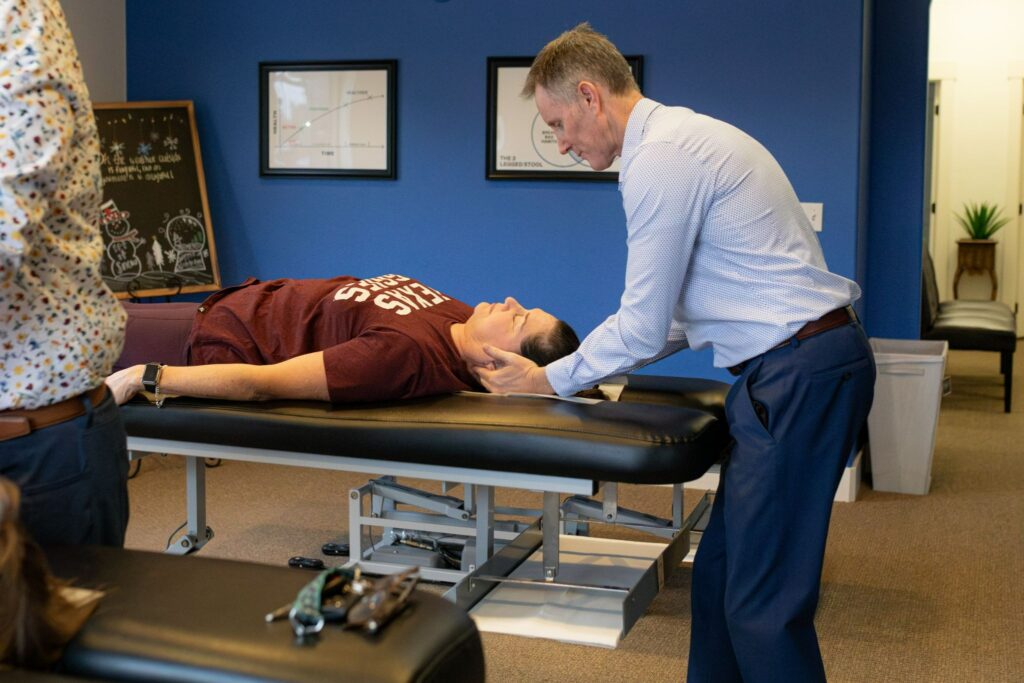

When dealing with an injury, navigating the recovery process can seem daunting, but you don't have to go through it alone. As a local chiropractor, I want to emphasize the significance of early intervention and personalized rehabilitation strategies in your healing journey. Many people may not realize that chiropractic care can play a vital role in recovery, helping to restore mobility and reduce pain.
In addition to chiropractic adjustments, focusing on proper nutrition and addressing the psychological aspects of recovery can be just as crucial. These trusted strategies can significantly influence not only how you heal but also how effectively you return to your sport. Let's dive into these essential components and see how they can benefit your recovery process. Remember, a holistic approach to healing can make all the difference!
Understanding the Injury Healing Process
As a local chiropractor, I want to help you understand the healing process after an injury, which is essential for a quick and effective recovery. Your body undergoes specific stages post-injury, and being aware of these can significantly enhance your rehabilitation journey.
The first stage is inflammation, typically lasting a few days. During this period, blood flow increases to the injured area, delivering crucial nutrients and healing cells. While you may notice swelling, pain, and redness, it's important to recognize that these symptoms are a natural part of your body's healing response.
Following inflammation, your body transitions into the repair phase, which can last several weeks. During this time, new tissue begins to form over the injury. Gentle movements and physical therapy exercises can be beneficial here, as they help maintain flexibility and strength. However, it's crucial to listen to your body and avoid overexerting yourself. This is where chiropractic care can play an important role, as we can guide you through appropriate movements and adjustments to facilitate healing.
Eventually, you'll enter the remodeling phase, which can take several months. In this stage, your body continues to strengthen the new tissue, making it more resilient. Your dedication to rehabilitation during this time is vital. A balanced approach that includes rest, activity, strength training, and flexibility exercises will support your recovery. Chiropractic adjustments can also aid in restoring alignment and function, ensuring that you're on the right path to full recovery.
Throughout your healing journey, patience and consistency are essential. By understanding these stages and how your body heals, you can navigate your recovery more effectively and return to your activities even stronger. Embrace this time as an opportunity to learn about your body's capabilities and limits, and let's assist you in laying the groundwork for long-term health and athletic success.
Importance of Early Intervention
As a local chiropractor, I want to emphasize the critical role that early intervention plays in your recovery from injuries. Understanding the healing process can help you appreciate why seeking care promptly is vital. When you sustain an injury, taking swift action can significantly influence your healing journey.
Early chiropractic intervention not only helps minimize damage but also accelerates the healing process and can prevent long-term complications. By addressing your injury as soon as possible, you pave the way for a smoother and more efficient recovery.
Here are four key reasons why early intervention through chiropractic care is essential:
- Reduced Pain and Swelling: Initiating treatment right away can help you effectively manage pain and swelling. Chiropractic techniques, such as gentle adjustments and soft tissue therapies, can greatly enhance your comfort levels.
- Preventing Further Injury: Seeking immediate chiropractic care can prevent you from exacerbating your injury. Ignoring the symptoms may lead to more severe issues, resulting in a longer and more complicated recovery.
- Faster Return to Activity: Early intervention with chiropractic care often leads to quicker healing times, allowing you to return to your favorite activities or sports sooner. The longer you wait to seek help, the more likely you're to miss out on the things you love.
- Improved Outcomes: Research indicates that individuals who receive prompt chiropractic treatment tend to experience better recovery outcomes. Early intervention increases your chances of regaining full function and strength, enabling you to get back to your routine with confidence.
Effective Rehabilitation Exercises
As your local chiropractor, I want to emphasize the importance of effective rehabilitation exercises during your recovery from an injury. These exercises aren't just beneficial; they're essential for getting your body back on track in a natural and holistic way.
By focusing on core strengthening techniques, as well as incorporating mobility and flexibility drills, you can significantly enhance your recovery process. Core strengthening exercises play a vital role in supporting your spine and improving your overall stability. When your core is strong, it helps alleviate stress on your back and joints, which can be especially important while you're healing.
Additionally, mobility and flexibility drills are crucial for restoring your range of motion and preventing future injuries. By integrating these exercises into your rehabilitation routine, you not only aid in your recovery but also work towards enhancing your overall performance and well-being.
Together, we can create a personalized plan that will support your healing journey and empower you to maintain a healthy, active lifestyle.
Core Strengthening Techniques
As a local chiropractor, I want to emphasize the importance of core strengthening, particularly for those of you who may be recovering from injuries. A strong core is vital for stabilizing the body and can significantly enhance your overall physical performance.
By dedicating time to core exercises, you can improve your balance, reduce the likelihood of future injuries, and expedite your healing process. Here are four effective rehabilitation exercises that I recommend to help strengthen your core:
- Plank: Begin in a push-up position, ensuring your body forms a straight line from your head to your heels. Aim to hold this position for 20-30 seconds, gradually increasing the duration as your strength improves. This exercise is excellent for overall core stability.
- Bridges: Lie on your back with your knees bent and feet flat on the ground. Lift your hips off the floor until your body creates a straight line from your shoulders to your knees. Hold this position for a few seconds, then gently lower back down. Bridges are great for strengthening the lower back and glutes.
- Dead Bug: While lying on your back, extend your arms toward the ceiling and bend your knees at a 90-degree angle. Slowly lower one arm and the opposite leg toward the ground while maintaining a flat back. Return to the starting position and switch sides. This exercise helps improve coordination and core control.
- Russian Twists: Sit on the floor with your knees bent. Lean back slightly and twist your torso to one side, then the other. To make this more challenging, you can hold a weight or a medicine ball. Russian twists are effective for enhancing rotational strength and stability in the core.
Incorporating these exercises into your daily routine can greatly enhance your core strength and support your recovery journey.
Mobility and Flexibility Drills
As a local chiropractor, I want to emphasize the importance of incorporating mobility and flexibility drills into your rehabilitation routine. These exercises can significantly enhance your recovery process, helping to restore your range of motion, reduce stiffness, and promote blood flow to injured areas.
To begin, I recommend starting with gentle movements, such as arm circles or ankle rolls, to warm up your body. As you become more comfortable, you can gradually increase the intensity with dynamic stretches like leg swings or torso twists. These movements activate your muscles and prepare them for more significant activity.
Static stretches are also crucial in your recovery journey. Incorporating stretches for your hamstrings or quadriceps is vital. Hold each stretch for 15-30 seconds to improve your muscle elasticity and flexibility. Don't forget to breathe deeply while stretching; this relaxation helps your muscles release tension.
Additionally, consider integrating foam rolling or self-myofascial release into your routine. These techniques can alleviate muscle tension and promote recovery. Focus on the areas that feel tight or sore, rolling slowly over each spot to release built-up tension.
I recommend making these mobility and flexibility drills a part of your daily routine, ideally aiming for 3-5 times a week. Always listen to your body; if something doesn't feel right, please adjust your approach.
Role of Nutrition in Recovery
As a local chiropractor, I want to emphasize the crucial role that nutrition plays in your recovery from injuries. Proper nutrition can significantly speed up the healing process, and it's important to focus on the right nutrients, stay well-hydrated, and consider the timing of your meals.
These factors work together to support your body in its journey back to optimal health and performance. By incorporating a balanced diet into your recovery plan, you can enhance the natural healing abilities of your body and complement the chiropractic care you receive.
Let's work together to ensure you have the best tools for a swift and effective recovery.
Essential Nutrients for Healing
As a local chiropractor, I want to emphasize the importance of nourishing your body with the right nutrients when it comes to healing from injuries. Proper nutrition can significantly enhance your recovery process by supplying the essential building blocks needed for tissue repair and overall wellbeing.
Here are four key nutrients to focus on as part of your healing journey:
- Protein: This nutrient is vital for repairing muscle and tissue that may have been affected by injury. Incorporating sources like lean meats, fish, eggs, and plant-based options such as beans and lentils into your meals can help rebuild what you've lost.
- Vitamin C: An important antioxidant, Vitamin C plays a critical role in collagen formation, which is necessary for healing damaged tissues. I recommend including a variety of fruits, like oranges and strawberries, as well as vegetables such as bell peppers in your diet to boost your intake.
- Omega-3 Fatty Acids: Known for their anti-inflammatory benefits, omega-3s can assist in reducing pain and swelling associated with injuries. Consider adding fatty fish, flaxseeds, and walnuts to your meals for these beneficial fats.
- Zinc: This essential mineral helps support your immune system and is crucial for the healing process. Foods rich in zinc, such as nuts, seeds, dairy products, and whole grains, should be included in your diet.
By focusing on these nutrients, you can help your body heal more effectively and support the chiropractic care you receive.
Hydration and Recovery Importance
As your local chiropractor, I want to emphasize the vital role that hydration plays in your recovery process. Many people may not realize how essential water is for your body to heal and function properly, especially after an injury. When you're working to recover, your body relies on water to transport nutrients, eliminate waste, and keep your muscles functioning optimally. If you're not drinking enough fluids, you may experience decreased performance and a slower healing process, so it's crucial to stay well-hydrated.
Maintaining adequate hydration helps ensure that your blood volume stays at the right level, which is essential for delivering oxygen and nutrients to your injured tissues. Proper hydration also supports joint lubrication, helping to alleviate stiffness and discomfort as you recover.
I recommend drinking water consistently throughout the day, rather than waiting until you feel thirsty.
Electrolytes are another key component of hydration, particularly if you've been sweating or are experiencing inflammation. Incorporating electrolyte-rich fluids such as sports drinks, coconut water, or even homemade electrolyte solutions can be beneficial for your recovery.
It's important to listen to your body. Signs of dehydration, such as fatigue, dizziness, or dark urine, are signals that you need to increase your fluid intake.
Timing of Nutrient Intake
As your local chiropractor, I want to emphasize that optimizing your recovery goes beyond just staying hydrated; the timing of your nutrient intake is crucial in aiding your body's natural healing process, especially after an injury.
By consuming the right nutrients at strategic times, you can significantly enhance your recovery. Here are some important points to consider:
- Post-Workout Window: It's important to consume protein and carbohydrates within 30 minutes after exercising. This practice helps replenish glycogen stores and initiates muscle repair, both of which are vital for recovery.
- Regular Meals: Keeping a consistent meal schedule throughout the day is essential. Eating balanced meals every 3-4 hours ensures that your body has a steady supply of nutrients, which is necessary for effective recovery.
- Pre-Sleep Nutrition: Consider incorporating protein-rich snacks before bedtime. This can support muscle repair during sleep, a key time for your body to heal and recover.
- Hydration with Nutrients: While you're staying hydrated, don't forget the importance of electrolytes. They're critical for muscle function and recovery, particularly after intense workouts.
These practices not only support your recovery but also align with a holistic approach to health and wellness that we advocate in chiropractic care.
If you have any questions about how nutrition and recovery work together, feel free to ask during your next visit!
Psychological Aspects of Healing
While physical healing is crucial, it's important to recognize the significant role psychological aspects play in your overall recovery process. As a chiropractor, I've seen many patients who experience frustration, anxiety, or even depression when dealing with an injury. It's perfectly normal to have these feelings, but acknowledging them is essential. Ignoring your emotional state can impede your healing journey.
Cultivating a positive mindset and developing emotional resilience are key components in overcoming the mental challenges associated with injury. One effective strategy is to set realistic goals for your recovery. By breaking your healing process down into smaller, achievable tasks and celebrating those small victories, you can maintain motivation and reinforce your belief in your ability to heal.
It's also vital to surround yourself with a supportive network. This includes coaches, teammates, friends, and family who can uplift your spirits during this time. Open communication about your feelings can help alleviate pressure and foster a sense of community, which is invaluable for your mental health.
Incorporating visualization techniques can further enhance your recovery. Picture yourself performing at your best, focusing on the positive sensations and emotions that accompany your successes. This mental rehearsal can boost your confidence and positively impact your physical performance when you return to activity.
If you find that feelings of anxiety or depression are overwhelming, I encourage you to seek professional help. Sports psychologists specialize in assisting individuals like you in navigating these emotional challenges, providing tailored strategies that foster mental strength.
Utilizing Physical Therapy
As a local chiropractor, I want to emphasize the significant benefits of utilizing chiropractic care during your recovery from an injury.
Our approach focuses on personalized treatment plans tailored to your unique needs, which can greatly enhance your healing process. We employ natural pain management techniques that encourage your body to heal itself without relying on medications.
As you progress through your recovery, chiropractic adjustments help strengthen and rehabilitate your body, allowing you to return to your favorite activities or sports with improved functionality.
Personalized Treatment Plans
Personalized treatment plans that incorporate chiropractic care can significantly enhance your recovery journey as an athlete. By customizing your rehabilitation to address your specific injury, individual needs, and performance goals, you can maximize your chances of returning to peak condition.
Here are four essential components of an effective personalized treatment plan from a chiropractic perspective:
- Comprehensive Assessment: As your chiropractor, I'll perform a thorough evaluation of your injury, movement patterns, and overall health. This assessment helps uncover any underlying issues that may impede your recovery and ensures we create the most effective treatment approach.
- Tailored Chiropractic Adjustments: Based on your assessment, I'll implement targeted chiropractic adjustments and therapies designed to restore proper alignment, reduce pain, and enhance your body's natural healing processes. This may include specific exercises aimed at strengthening the injured area and improving your overall stability.
- Ongoing Progress Monitoring: Regular follow-up appointments and evaluations are crucial to ensure your treatment plan adapts as you progress. This continuous monitoring allows us to make necessary adjustments that keep you on the path to recovery.
- Patient Education: I'll provide you with valuable insights on injury prevention, proper body mechanics, and effective warm-up and cool-down routines. This knowledge is key to minimizing the risk of re-injury and promoting long-term wellness.
Pain Management Techniques
As a local chiropractor, I want to emphasize the importance of effectively managing pain, especially for athletes who are eager to recover and return to their sport. Chiropractic care utilizes a variety of natural healing techniques that can help alleviate pain and promote healing without the need for medication.
One of the core methods we employ is spinal manipulation, also known as chiropractic adjustments. This hands-on technique helps to realign the spine, relieve tension, and improve mobility. By addressing misalignments, we can target specific areas of discomfort and facilitate better communication between the nervous system and the rest of the body.
In addition to adjustments, we often incorporate therapeutic modalities such as heat and ice therapy. Heat can be beneficial for relaxing tight muscles and enhancing blood circulation, while ice is effective in reducing swelling and numbing pain. These natural approaches can significantly improve your comfort and speed up the recovery process.
We also emphasize the importance of specific stretches and exercises tailored to your needs. These movements not only help alleviate pain but also improve overall flexibility and range of motion. As your chiropractor, I'll work closely with you to create a customized exercise plan that builds strength while protecting your body from further injury.
Lastly, maintaining open communication is vital in chiropractic care. Sharing your pain levels and any changes you experience allows us to adjust your treatment plan accordingly. This collaboration ensures that we effectively manage your pain and keep you on the path to recovery.
Strengthening and Rehabilitation
Strengthening your body through rehabilitation is crucial, especially for athletes recovering from injuries. As a local chiropractor, I want to share how chiropractic care can play a vital role in your recovery process. Engaging in a structured rehabilitation program not only aids in healing but also helps prevent future injuries. Here are some key strategies to consider:
- Comprehensive Assessment: It's important to start with a thorough evaluation of your injury and current strength levels. Working with a chiropractor allows us to create a personalized rehabilitation plan tailored to your specific needs, ensuring that we address the root cause of your discomfort.
- Progressive Exercises: We'll guide you through low-impact exercises, gradually increasing the intensity as your body allows. Our focus will be on movements that enhance flexibility, strength, and endurance, specifically tailored to your sport or activity.
- Core Stability: We emphasize the importance of core strength in our rehabilitation approach. A strong core is essential not only for proper posture but also for supporting your overall body mechanics, which significantly reduces the risk of re-injury.
- Functional Training: As you progress, we'll incorporate sport-specific drills. This helps your body adapt to the demands of your sport, ensuring that you're not just recovering but also improving your performance when you return to action.
Remember, rehabilitation isn't just about healing; it's about building a stronger foundation.
By following these strategies and incorporating chiropractic care into your recovery process, you'll not only heal effectively but also enhance your athletic performance for the future.
Let's help you on your journey to recovery and beyond!
Benefits of Active Recovery
Active recovery can be a vital component in your healing journey, especially for those of you recovering from injuries. Rather than opting for complete rest, engaging in low-intensity activities can significantly aid in your recovery process. These gentle movements promote blood flow, which is essential for healing without placing undue stress on your body.
One of the most notable benefits of active recovery is the reduction of muscle soreness. By staying active, you help your body flush out lactic acid and other toxins that accumulate after intense workouts or injuries. This means you can expect to feel less discomfort, allowing you to approach your next training session with greater ease and readiness.
In addition, active recovery plays a crucial role in improving your range of motion. Incorporating gentle stretching and mobility exercises helps keep your joints flexible and reduces stiffness. These activities can't only accelerate your recovery but also enhance your overall flexibility over time—a key aspect of staying active and healthy.
Moreover, engaging in active recovery can have a positive impact on your mental well-being. It helps maintain a connection to your training routine, which can provide a sense of normalcy during your recovery. When you keep moving, you're likely to feel more motivated and less anxious about your progress, which is incredibly important for your overall healing.
Finally, active recovery fosters a stronger mind-body connection. It encourages you to listen to your body's signals and make necessary adjustments to your training. Whether it involves light jogging, cycling, or yoga, incorporating active recovery into your routine can facilitate a smoother and more effective healing process.
As a chiropractor, I encourage you to consider these practices as part of your journey toward optimal health and recovery.
Incorporating Rest and Sleep
As a local chiropractor, I want to emphasize the importance of rest and sleep in your recovery journey, especially when healing from injuries. Your body requires a nurturing environment to repair itself, and getting adequate rest is crucial in facilitating this healing process.
When you skimp on sleep, your body struggles to regenerate tissues and cope with the physical demands of an injury.
To enhance your recovery through proper rest and sleep, here are some key strategies I recommend:
- Establish a Sleep Routine: Aim for 7-9 hours of restorative sleep each night. Consistency is vital, so try to maintain a regular schedule by going to bed and waking up at the same time every day.
- Cultivate a Sleep-Friendly Environment: Your bedroom should be a sanctuary for sleep. Keep it dark, quiet, and cool. If needed, consider blackout curtains to block out light or a white noise machine to drown out disruptive sounds.
- Nap Strategically: Short naps of 20-30 minutes can be beneficial, especially if you find yourself feeling fatigued. However, be cautious with longer naps, as they may interfere with your ability to fall asleep at night.
- Tune Into Your Body's Signals: Listen to what your body is telling you. If you feel particularly exhausted, don't hesitate to take an extra rest day. Your body is in tune with what it needs to recover effectively.
By prioritizing rest and quality sleep, you can support your body's natural healing processes and enhance your recovery from injuries.
If you have more questions about how chiropractic care can support your healing journey, feel free to reach out!
Monitoring Progress and Adjustments
As your local chiropractor, I want to emphasize how important it's to monitor your progress during your recovery journey. Understanding where you stand is crucial for effective healing, especially when it comes to chiropractic care and natural healing methods.
Begin by setting specific and measurable goals that reflect your injury and recovery timeline. These targets will give you direction as you navigate your rehabilitation process. For instance, if you're recovering from back pain, a goal might be to improve your range of motion or reduce pain levels over a certain period.
It's essential to regularly assess your symptoms and functional abilities. I recommend keeping a journal or using an app to track your daily experiences. Documenting aspects such as pain levels, mobility, and exercises you perform can help you spot patterns over time, enabling you to recognize improvements or setbacks.
Remember, recovery can have its ups and downs. However, consistent tracking can keep you focused and motivated on your healing path.
Open communication with your chiropractic care team is vital. Share your progress and don't hesitate to discuss any concerns or changes you may be experiencing. Your chiropractor can provide valuable insights and adjust your treatment plan as needed. Adjustments might include modifying certain techniques, increasing the intensity of your sessions, or introducing new approaches to ensure you're on the best path to recovery.
Pay close attention to your body's feedback during this process. If something doesn't feel right, it's important to listen to those signals and make adjustments accordingly.
Remember, recovery isn't a one-size-fits-all journey; it requires flexibility and responsiveness to your individual situation.
Lastly, take time to celebrate your milestones, no matter how small they may seem. Acknowledging your achievements can significantly boost your morale and help keep you engaged throughout your recovery.
Returning to Sport Safely
As your local chiropractor, I understand how important it's for you to return to sports safely after an injury.
It's crucial to approach this phase with care and mindfulness. Rushing back into activity can't only set back your recovery but also increase the risk of re-injury.
Here are four essential strategies to ensure a safe return to your favorite sport:
- Collaborate with Your Healthcare Team: Before you dive back into the action, it's vital to consult with your chiropractor or other healthcare professionals. We can evaluate your readiness and provide personalized guidance tailored to your specific needs.
- Gradual Reintroduction of Activities: Begin with lighter exercises and slowly ramp up the intensity. This gradual approach allows your body to adapt and ensures that you're not exceeding your limits too quickly, which is key to a successful recovery.
- Emphasize Strength and Stability: Focus on strengthening and stabilizing the area that was injured. Incorporating specific exercises designed to enhance these attributes into your routine can significantly support your healing process and help you maintain overall balance.
- Tune into Your Body's Signals: Be mindful of how your body reacts during and after physical activities. If you experience any pain or discomfort, it's essential not to overlook it. Make necessary adjustments to your activities, and if issues persist, don't hesitate to reach out to your chiropractor for further advice.
By following these steps and prioritizing your health, you can ensure a safe and effective return to sports.
Your well-being is our top priority, and we're here to support you every step of the way!
Conclusion
Injury recovery can seem daunting, but it doesn't have to be. As your local chiropractor, I'm here to guide you through a natural healing journey that emphasizes early intervention and personalized care. Embracing tailored rehabilitation exercises, combined with proper nutrition, can significantly enhance your recovery process.
It's also important to recognize the role of mental resilience; setting achievable goals can greatly boost your confidence throughout this journey. Incorporating active recovery techniques and prioritizing rest are essential for ensuring that both your body and mind are adequately prepared to return to your sport safely.
Stay proactive—listen to your body and approach each step with intention. By doing so, you can facilitate a smoother and more effective comeback. Remember, chiropractic care can play a vital role in your recovery, helping to restore balance and function to your body. Let's work together to get you back to doing what you love!