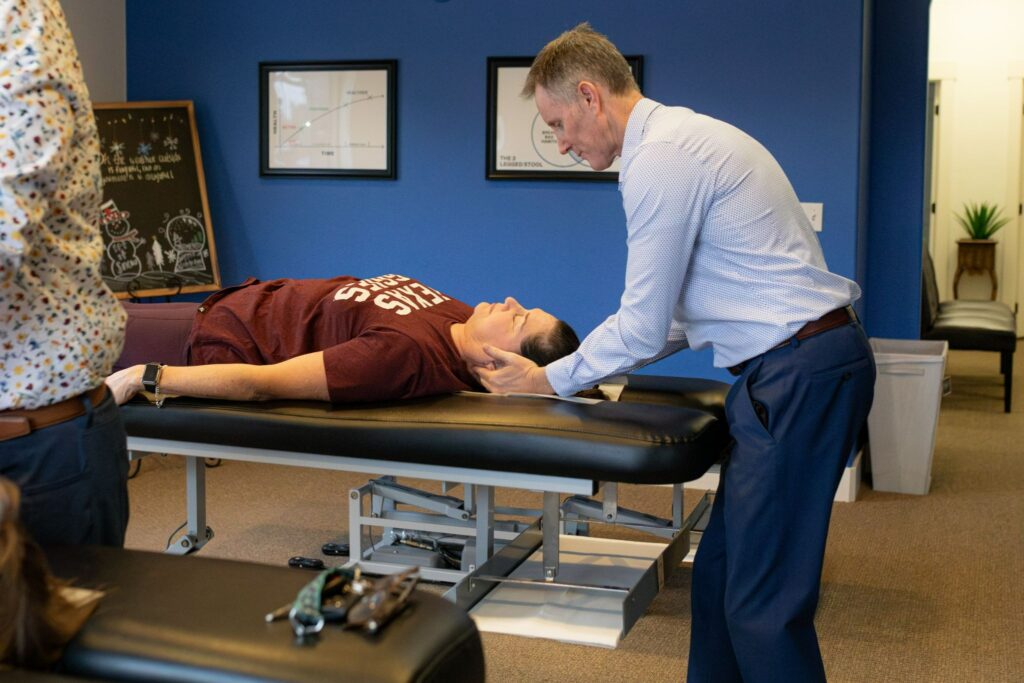

As a local chiropractor, I understand that back pain is a prevalent concern for many individuals, but I want you to know that it doesn’t have to be a constant in your life. There are simple, natural adjustments you can make to prevent discomfort and promote spinal health. By focusing on factors like posture and exercise, you can play an active role in your overall well-being. Let’s take a closer look at these strategies together and find out how you can protect your back, improve your daily comfort, and enhance your quality of life through natural healing methods. Your journey towards a pain-free life can start today!
Maintain Proper Posture
As a local chiropractor, I want to emphasize the importance of maintaining proper posture in your daily life, especially for preventing back pain. It’s a simple yet effective practice that you can easily incorporate into your routine, whether you’re sitting, standing, or walking.
When you’re sitting, make sure your feet are flat on the floor, your back is straight, and your shoulders are relaxed. Using a supportive chair can greatly assist in maintaining this alignment.
For standing, it’s crucial to distribute your weight evenly on both feet and engage your core muscles. Be mindful to avoid slouching or leaning to one side, as this can lead to strain on your back over time.
While walking, keep your head up and shoulders back to help align your spine properly. If you spend long hours at a desk, consider setting reminders to check your posture throughout the day. Small adjustments can go a long way in preventing discomfort and promoting better spinal health.
Incorporate Regular Exercise
As a local chiropractor, I want to emphasize the importance of incorporating regular exercise into your daily routine to help alleviate and prevent back pain. Engaging in consistent physical activity can significantly enhance your overall strength and flexibility, which are crucial for maintaining a healthy spine.
I recommend a well-rounded exercise regimen that includes strength training, stretching, and cardiovascular workouts. It’s particularly vital to focus on strengthening your core muscles, as these are the key players in supporting your spine. Incorporating exercises such as planks, bridges, and abdominal crunches can greatly enhance your stability and reduce your risk of injury.
Don’t overlook the importance of flexibility! Activities like yoga or Pilates are excellent for improving your range of motion and relieving tension in your back. Aim for at least 30 minutes of moderate exercise most days of the week.
Pay attention to how your body feels during these activities; if you experience pain, it’s important to modify the exercise or skip it altogether.
Use Ergonomic Furniture
As a local chiropractor committed to your well-being, I want to emphasize the importance of setting up your workspace correctly.
An adjustable chair is essential—ensure that its height allows your feet to rest flat on the floor. This simple adjustment can help maintain proper posture and reduce unnecessary strain on your back.
Additionally, positioning your desk at the right height is crucial; your arms should remain parallel to the ground while typing.
By making these ergonomic adjustments, you can significantly lower your risk of developing back pain and other discomforts.
Chair Height Adjustment
As a local chiropractor, I want to emphasize the importance of adjusting your chair height for your overall comfort and wellbeing, especially when it comes to preventing back pain. Many people may not realize how crucial this simple adjustment can be.
When your chair is positioned correctly, your feet should rest flat on the floor, and your knees should be at a 90-degree angle. This alignment promotes proper posture and helps alleviate unnecessary strain on your back.
If you find that your chair is too low, it can lead you to hunch over, which places additional stress on your spine and can result in discomfort. On the other hand, if your chair is too high, your legs may dangle uncomfortably, creating pressure on your thighs and affecting your circulation.
Before you settle in for a long day of work, take a moment to adjust your chair height. If you need extra support, don’t hesitate to use a footrest.
Prioritizing the right chair height is a simple yet impactful step you can take to support your spine health and prevent back pain. Remember, maintaining a comfortable workspace is vital for your overall well-being!
Desk Positioning Tips
As a chiropractor, I understand how crucial it’s to set up your desk in a way that promotes comfort and helps prevent back pain.
Let’s start with the basics: your desk height should allow your elbows to rest at a 90-degree angle. This position helps maintain proper alignment in your spine. Your feet should be flat on the floor or on a footrest, and your knees should be at or slightly below hip level. This alignment supports the natural curvature of your lower back, which is vital for overall spinal health.
It’s also important to invest in an ergonomic chair that provides adequate support for your lower back. Your monitor should be positioned at eye level and about an arm’s length away to minimize strain on your neck and back.
By keeping frequently-used items within easy reach, you can avoid awkward stretching that can lead to discomfort.
Lastly, I encourage you to take regular breaks to stand, stretch, and move around. These small actions can make a significant difference in how you feel throughout the day.
Implementing these simple adjustments not only enhances your comfort and productivity but also reduces the risk of back pain. Remember, your posture and workspace setup play a vital role in your overall well-being.
Take Frequent Breaks
As a local chiropractor dedicated to your well-being, I want to emphasize the importance of taking frequent breaks, particularly if you find yourself sitting or standing for extended periods. Your body isn’t designed to stay in one position for too long, which can lead to discomfort and back pain.
To help prevent these issues, it’s crucial to incorporate regular breaks into your routine. I recommend setting a timer to remind you to stand up and move around every 30 to 60 minutes. Even a brief walk or a quick stretch can significantly alleviate tension and enhance circulation.
During these breaks, try to change your surroundings as much as possible. Step away from your desk, head to the kitchen, or take a brief stroll outdoors. This change not only revitalizes your body but also clears your mind, making it easier to focus when you return to your tasks.
If you spend a lot of time working at a computer, consider investing in a standing desk to alternate your posture throughout the day. Remember, it’s not just about standing up; it’s about engaging your muscles and promoting movement to keep your back healthy and pain-free.
Stretch and Strengthen Your Back
As a local chiropractor, I want to emphasize the importance of incorporating both stretching and strengthening exercises into your routine for a healthy back. Many of my patients often feel tempted to skip these vital practices when life gets busy, but doing so can lead to discomfort and issues down the line.
Regular stretching is essential for enhancing flexibility and alleviating muscle tension, which can help prevent stiffness. Simple stretches, such as the cat-cow pose or seated forward bend, can be easily integrated into your daily routine and only take a few minutes of your time.
Equally crucial is the strengthening of your back muscles. I recommend focusing on exercises like bridges, planks, and rows. These movements not only build strength and support for your spine but also improve your posture and help distribute weight more evenly across your body. This can significantly reduce the risk of injury, especially during daily activities.
I encourage you to aim for a balanced routine that includes both stretching and strengthening exercises at least two to three times a week. By committing to these practices, you can build a resilient back that allows you to engage in your daily life with greater ease and less pain.
Your body will truly appreciate the care you provide it!
Stay Hydrated
As a local chiropractor, I want to emphasize the importance of staying hydrated for your overall health, particularly for your back. Water is crucial for keeping your spinal discs nourished and flexible, which is vital for a healthy spine. When you’re well-hydrated, your body can effectively transport nutrients, helping to reduce inflammation and discomfort that can affect your daily life.
Many people may not realize that dehydration can lead to stiffness and increased pressure on the spine, potentially resulting in pain. That’s why I recommend aiming to drink at least eight 8-ounce glasses of water each day. However, this amount can vary based on your level of activity and the climate you’re in. If you’re engaging in exercise or spending time outdoors, it’s important to increase your water intake to replenish the fluids lost through sweating.
I also encourage you to keep a reusable water bottle handy. This simple step can serve as a reminder to sip water throughout the day. Additionally, be aware of the signs of dehydration, such as fatigue or headaches, as these can also negatively impact your back health.
By making hydration a priority, you’re not only supporting your spine but also enhancing your overall well-being. So, let’s make it a habit to drink water regularly and keep your back happy and healthy!
If you have any questions about how hydration can influence your chiropractic care or overall health, feel free to ask during your visit!
Sleep on a Supportive Mattress
As a local chiropractor, I want to emphasize the importance of a good mattress in your journey towards a healthier back. A supportive mattress plays a crucial role in preventing back pain by maintaining your spine’s natural alignment while you sleep.
It’s essential to choose a mattress that strikes the right balance between firmness and comfort; it should contour to your body’s curves and evenly distribute your weight.
If you frequently wake up feeling stiff or uncomfortable, it may be time to evaluate your mattress. Typically, mattresses should be replaced every 7 to 10 years. However, if you notice signs of sagging or lumps, don’t hesitate to make a change sooner.
Additionally, consider your sleeping position. Side sleepers often find relief with a softer mattress, while back and stomach sleepers may need a firmer option for optimal support.
I encourage you to test a mattress for a few nights to see if it meets your specific needs. Remember, investing in the right mattress is a vital step towards achieving a pain-free night’s sleep and promoting a healthier back overall.
Your well-being is important, and I’m here to help guide you on this journey!
Conclusion
As a local chiropractor dedicated to your health, I want to share seven essential tips to help you prevent back pain and enhance your overall well-being. First and foremost, maintaining proper posture is crucial; it can significantly reduce strain on your back. I encourage you to incorporate regular exercise into your routine, as it strengthens your muscles and supports your spine.
Investing in ergonomic furniture can also play a vital role in your comfort, especially if you spend long hours sitting. Remember to take breaks throughout the day to avoid prolonged pressure on your back. Stretching your muscles is equally important; it helps maintain flexibility and reduces tension.
Staying hydrated is often overlooked, but drinking enough water is essential for spinal health. Lastly, ensure you get a good night’s sleep on a supportive mattress, as this is when your body repairs itself. By making these simple yet effective changes, you can significantly improve your spinal health and enjoy a more active, comfortable life. Let’s work together toward a pain-free tomorrow!