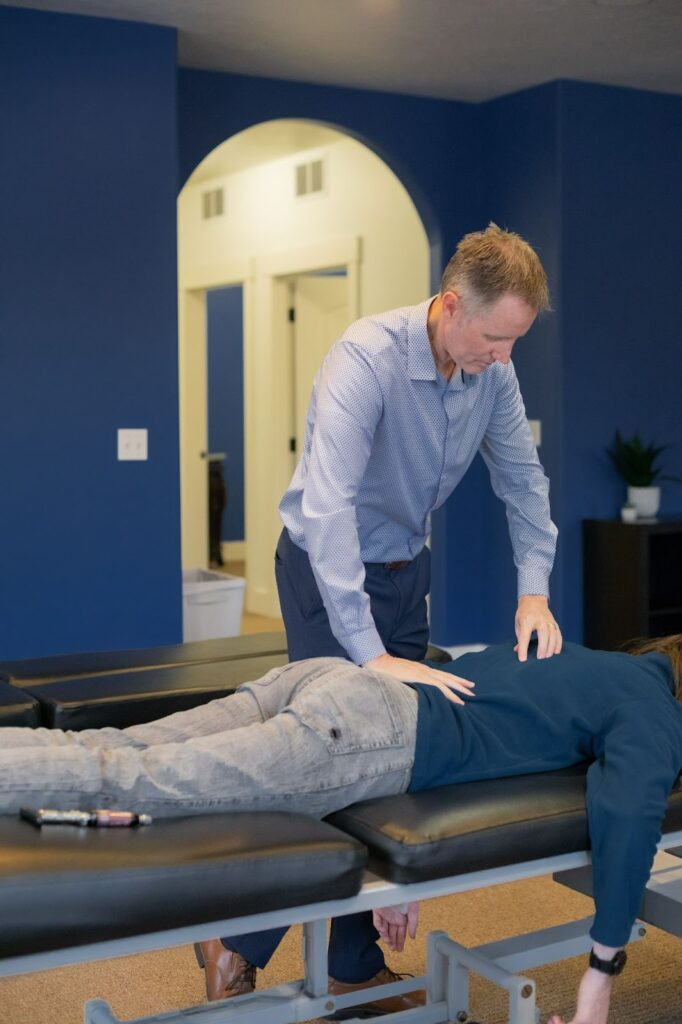

As a local chiropractor, I want to reassure you that if you’re dealing with back pain, you’re not alone in this journey. Many individuals face discomfort stemming from a variety of factors, including poor posture, insufficient movement, or even everyday stress. The good news is that there are natural and effective strategies we can use to alleviate this pain and enhance your spine health.
Understanding the root causes of your discomfort is vital. By making simple lifestyle adjustments and incorporating chiropractic care, you can begin to feel relief. I encourage you to explore some practical solutions that I frequently recommend to my patients. Together, we can work towards transforming how you manage your discomfort and improve your overall well-being. Your spine deserves the best care, and I’m here to help you achieve it!
Understanding the Causes of Back Pain
As a local chiropractor, I want to help you understand that when you’re experiencing back pain, it’s often a signal from your body indicating that something may be out of alignment or not functioning properly.
By identifying the underlying causes of your discomfort, we can work together to address the issue effectively.
One common culprit behind back pain is muscle strains, which can happen when you lift heavy objects improperly or make sudden movements.
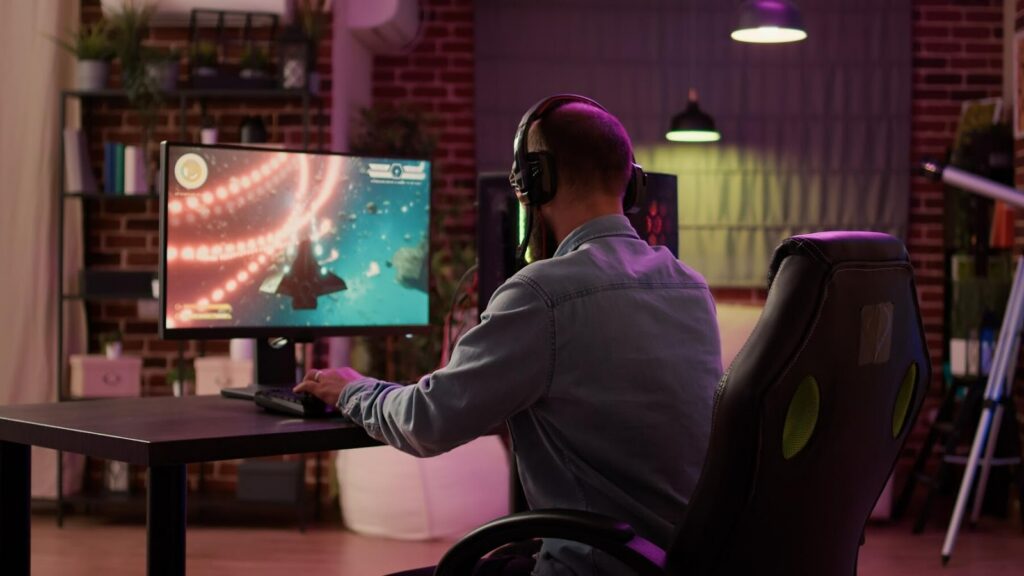
Additionally, poor ergonomics in your workspace, especially if you spend long hours hunched over a desk, can significantly contribute to your pain.
It’s important to be aware that conditions like herniated discs or arthritis can also lead to discomfort.
Moreover, lifestyle factors such as obesity, a lack of regular exercise, and even stress can worsen your back pain.
Each of these elements can impact your body’s mechanics, resulting in tension and discomfort.
Understanding the specific cause of your pain is essential for effective treatment.
By recognizing these triggers, we can take proactive steps together toward prevention and relief.
My goal is to guide you on a path to a healthier, more functional back through natural healing methods, ensuring you can enjoy a better quality of life.
Importance of Good Posture
As a local chiropractor, I want to emphasize the vital role good posture plays in maintaining a healthy spine and preventing back pain. Many of my patients may not realize that proper posture is essential; when you sit or stand correctly, your spine naturally aligns, which significantly reduces strain on your muscles and ligaments.
It’s common to overlook how slouching or hunching over can put unnecessary pressure on your back, leading to discomfort over time. By being mindful of your posture during daily activities—whether you’re working at a desk, driving, or relaxing at home—you can greatly reduce your risk of developing chronic pain.
I encourage you to keep your shoulders back, your head held high, and your feet flat on the ground. If you’re sitting, ensure your chair provides adequate support for your lower back, and adjust your computer screen to eye level.
These small adjustments may seem insignificant, but they can have a profound impact on your spinal health.
Remember, good posture isn’t just about looking confident; it’s a crucial aspect of keeping your back pain-free and functioning optimally. As you embrace these changes, you may find that your overall well-being improves, and you can enjoy a more active, pain-free life.
If you have any questions about posture or how chiropractic care can support your health, feel free to reach out!
Stretching Exercises for Relief
As a local chiropractor, I want to share some simple yet effective stretching exercises that can significantly alleviate back discomfort and enhance your overall well-being.
These stretches can easily be incorporated into your daily routine, even if you’re new to chiropractic care and natural healing.
Let’s start with the cat-cow stretch, a fantastic way to mobilize your spine and relieve tension.
Begin on your hands and knees. As you inhale, arch your back, letting your belly drop (this is the “cat” position). Then, as you exhale, round your back and tuck your chin to your chest (the “cow” position).
This gentle movement helps improve spinal flexibility and can ease tightness.
Next, I recommend the seated forward bend. Sit on the floor with your legs extended in front of you.
Slowly reach for your toes, allowing yourself to feel a nice stretch along your spine and hamstrings. Hold this position for 15-30 seconds while taking deep breaths.
This stretch not only helps with flexibility but also promotes relaxation.
Another beneficial stretch is the knee-to-chest. Lie on your back and bring one knee toward your chest, holding it there for about 20 seconds before switching legs.
This stretch can help relieve lower back tension and improve your range of motion.
Lastly, don’t overlook the standing side stretch. Stand tall with your feet shoulder-width apart, reach one arm overhead, and lean gently to the opposite side.
This stretch targets your side and lower back, helping to alleviate tightness and improve mobility.
Remember, consistency is vital. By regularly practicing these stretches, you can enhance your flexibility and reduce discomfort over time.
As your chiropractor, I’m here to support you in your journey towards better health through natural healing methods.
Strengthening Your Core
As a local chiropractor, I want to emphasize the importance of strengthening your core for overall spinal health and to prevent back pain. A strong core acts as a stabilizer for your body, making everyday tasks more manageable and significantly reducing the strain on your back.
To get started, I recommend incorporating exercises like planks into your routine. This exercise effectively engages your abdominal muscles, shoulders, and back. Aim to hold a plank for 30 seconds to a minute, gradually increasing your duration as your strength improves.
Additionally, bridges are an excellent way to target your glutes and lower back. To perform a bridge, lie on your back with your knees bent, lift your hips toward the ceiling, hold for a few seconds, and then gently lower back down.
Another beneficial exercise is the dead bug, where you lie on your back and alternate extending your arms and legs while maintaining a tight core.
Consistency is crucial for reaping the benefits of these exercises, so I suggest including core workouts two to three times a week in your routine. By strengthening your core, you can enhance your posture, improve your balance, and ultimately protect your spine from injury and discomfort.
The Role of Ergonomics
As a local chiropractor, I want to emphasize the significant impact your workspace setup has on your back health.
Many people are unaware that simple adjustments to your desk and chair, along with maintaining proper posture, can significantly alleviate discomfort and prevent future issues.
By applying ergonomic principles in your daily routine, you can support your spine and overall well-being.
Let’s delve into how these adjustments can enhance not just your workday, but your overall quality of life.
Workspace Setup Essentials
As a local chiropractor, I often see the effects of poor workspace ergonomics on my patients’ spinal health.
It’s essential to create an environment that promotes a healthy spine, especially if you find yourself sitting at a desk for extended periods. By making a few simple adjustments, you can significantly reduce strain and discomfort.
Here are four key essentials to consider for your workspace:
- Chair: Invest in a chair that provides proper lumbar support, which helps maintain a neutral spine position. This can prevent back pain and promote overall comfort throughout your workday.
- Desk Height: It’s important to ensure that your desk is at the correct height. When typing, your elbows should form a 90-degree angle. This posture helps alleviate unnecessary tension in your shoulders and neck.
- Monitor Placement: Position your monitor at eye level to avoid straining your neck. Ideally, it should be about an arm’s length away from you. This setup helps keep your head aligned with your spine, reducing the risk of discomfort.
- Keyboard and Mouse: Keep your keyboard and mouse close to your body to minimize reaching. Using wrist support can also enhance comfort and reduce the likelihood of developing repetitive strain injuries.
By making these ergonomic adjustments, you can greatly improve your spinal health and overall well-being.
Proper Posture Practices
As a chiropractor, I want to emphasize the importance of maintaining proper posture throughout your day to support your spinal health and overall well-being.
After you have taken the time to optimize your workspace, it’s crucial to focus on how you position your body.
When seated, ensure that you sit up straight with your back firmly against the chair and your feet flat on the ground. Your knees should ideally be at hip level or slightly below.
If you find yourself standing, remember to evenly distribute your weight across both feet and keep your shoulders relaxed to avoid unnecessary tension.
Pay close attention to your screen’s height; it should be positioned at eye level to prevent straining your neck. If you’re using a phone, try to hold it up at eye level instead of bending down.
I encourage you to take breaks every hour to stretch and move around. This practice not only helps maintain your flexibility but also reduces strain on your body.
Remember, good posture is essential not just for supporting your spine but also for enhancing your overall health.
By being mindful of your posture, you can contribute to a healthier lifestyle and potentially reduce discomfort.
If you have any questions or concerns about your posture or spinal health, feel free to reach out to me for guidance.
Incorporating Movement Into Your Day
As a local chiropractor, I want to emphasize how incorporating movement into your daily routine can significantly enhance your spinal health and overall well-being. You don’t need to spend hours at the gym; even small adjustments can lead to substantial benefits.
Here are four simple strategies to help you get moving throughout the day:
- Take short breaks: I recommend setting a timer to remind yourself to stand up and stretch every 30 minutes. This practice not only alleviates tension but also promotes better posture, which is crucial for maintaining a healthy spine.
- Walk it out: Whether you’re enjoying your lunch or chatting on the phone, consider taking a brisk walk. Aim for at least 10-15 minutes; this activity boosts circulation and strengthens your back, contributing to long-term spinal health.
- Opt for stairs: Whenever it’s an option, choose to take the stairs instead of the elevator. Climbing stairs effectively engages your core and leg muscles, which play a vital role in supporting your spine.
- Practice gentle stretches: Incorporate simple stretches throughout your day, particularly focusing on your back and hips. This keeps your muscles flexible, reduces stiffness, and enhances your overall mobility.
By integrating these easy movements into your daily life, you can support your spine and promote natural healing.
If you have any questions or need personalized advice, feel free to reach out to my office. Your health and well-being are my top priorities!
Benefits of Heat and Cold Therapy
As a local chiropractor, I’m here to help you understand the benefits of heat and cold therapy for managing back pain and discomfort. Many of my patients find that these simple, natural techniques can significantly enhance their recovery and overall well-being.
Heat therapy, such as using heating pads or enjoying a warm bath, is excellent for relaxing tight muscles and improving blood circulation. When you apply heat, it increases blood flow to the affected area, delivering essential nutrients that promote healing and alleviate tension.
On the flip side, cold therapy—like using ice packs—can effectively numb painful areas and reduce inflammation. This is particularly beneficial right after an injury or a flare-up, as it helps to minimize swelling and discomfort.
To get the most out of these therapies, I recommend alternating between heat and cold. Start with cold therapy to tackle any swelling, and then transition to heat for soothing relief. Just be sure to apply each treatment for about 15-20 minutes at a time to protect your skin.
Incorporating heat and cold therapy into your routine can be a powerful way to manage back pain naturally. If you have any questions or would like to learn more about how these therapies can fit into your overall chiropractic care, feel free to ask.
Your journey to better health is important to me!
Mindfulness and Stress Reduction Techniques
As a local chiropractor, I’m here to share how practicing mindfulness and stress reduction techniques can greatly benefit your back health and overall well-being. Many of my patients find that managing stress not only helps ease muscle tension but can also significantly alleviate back pain.
Here are four effective techniques I recommend incorporating into your daily routine:
- Deep Breathing: Begin by focusing on your breath. Inhale deeply through your nose, hold for a few seconds, then exhale slowly through your mouth. This simple practice can calm your mind and relax your body, creating a more conducive environment for healing.
- Meditation: Carve out a few minutes each day for quiet reflection. Sit comfortably, clear your mind, and visualize a serene scene or focus on your breath. This mental clarity can enhance your overall health and assist in your healing journey.
- Progressive Muscle Relaxation: This technique involves tensing and relaxing each muscle group, starting from your toes and moving up to your head. It’s an effective way to release built-up tension, which can help in reducing discomfort in your back.
- Mindful Movement: Engage in practices like yoga or tai chi. These gentle exercises not only promote flexibility and strength but also foster a deeper mind-body connection, which is vital for maintaining a balanced and healthy lifestyle.
By integrating these mindfulness techniques into your daily life, you can support your chiropractic care and enhance your body’s natural healing processes.
When to Seek Professional Help
If you’re experiencing back pain that lingers for more than a few days, it could be a sign that you need to consider seeking professional help, such as chiropractic care.
As a chiropractor, I encourage you to pay attention to how your discomfort is affecting your daily life. If it’s starting to interfere with your routine activities, it’s important to reach out to a healthcare provider like myself.
Early intervention can make a significant difference, as it not only helps in alleviating pain but also prevents potential complications down the line.
Persistent Pain Duration
As a local chiropractor, I want to help you understand the importance of addressing persistent back pain. Many people believe that their discomfort will simply go away on its own, but that isn’t always the case.
If you’re dealing with ongoing pain, it’s crucial to know when to reach out for professional assistance. Here are four signs that suggest it’s time to see a chiropractor:
- Pain Lasts Longer Than 2 Weeks: If your back pain has lingered beyond two weeks, it’s a signal that your body might need some extra support. Don’t hesitate to seek help.
- Pain Intensifies: Should you notice an increase in the intensity of your pain, that’s a strong indication that it’s time to get a professional evaluation.
- Numbness or Weakness: If you experience any numbness or weakness in your legs or arms, it’s essential to get immediate attention from a healthcare provider, as this could indicate a more serious issue.
- Impact on Sleep: Regular disturbances in your sleep due to pain can take a toll on your overall well-being. Seeking help can’t only alleviate your pain but also improve your quality of life.
Remember, chiropractic care focuses on natural healing and restoring balance to your body.
If you recognize any of these signs, I encourage you to reach out and explore how we can work together to find relief. Your health is worth it!
Impact on Daily Activities
As a local chiropractor, I want to emphasize how ongoing back pain can significantly impact your daily activities. It can turn even the simplest tasks, like getting out of bed, bending to tie your shoes, or sitting comfortably at your desk, into daunting challenges.
If you’re finding it difficult to perform routine chores or enjoy your favorite leisure activities because of back pain, that’s your body signaling that it needs attention.
It’s crucial to listen to those signals. If you notice your back pain worsening or persisting for more than a few days, I encourage you to seek professional help. Chiropractic care focuses on understanding the root causes of your pain and offers natural healing methods that are tailored to your individual needs.
We can assess your condition holistically and develop a treatment plan that may include adjustments, exercises, and lifestyle advice.
Ignoring persistent pain can lead to further complications, which is why addressing it early is essential. By taking proactive steps with chiropractic care, you can reclaim your daily life, enhance your mobility, and improve your overall well-being.
Don’t let back pain hold you back—let’s work together to find a solution that empowers you to live your life fully.
Maintaining Long-Term Spine Health
As your local chiropractor, I want to help you understand how to maintain a healthy spine for the long term. It’s essential to cultivate habits that promote both strength and flexibility in your back.
Here are four fundamental practices that I encourage you to integrate into your daily life:
- Stay Active: Regular physical activity is key! I recommend low-impact exercises such as walking, swimming, or yoga. These activities are excellent for strengthening your back muscles and enhancing your flexibility, which are vital for a healthy spine.
- Practice Good Posture: Many people underestimate the importance of posture. Whether you’re sitting at your desk, standing in line, or lifting objects, always strive to maintain a neutral spine position. This simple adjustment can significantly reduce strain and discomfort in your back.
- Ergonomic Setup: Your workspace can greatly impact your spinal health. I suggest creating an ergonomic environment by using chairs that offer lumbar support and positioning your computer screen at eye level. This helps keep your spine in a natural alignment while you work.
- Mind Your Weight: Carrying excess weight can put additional stress on your spine. It’s important to maintain a healthy weight through a balanced diet and regular exercise. This not only benefits your spine but also contributes to your overall well-being.
By following these practices, you can promote a healthier spine and reduce the risk of discomfort and injury.
If you have any questions or need personalized advice, feel free to reach out!
Conclusion
As a local chiropractor, I want to emphasize the importance of maintaining good posture and incorporating stretching and strengthening exercises into your daily routine to help alleviate back pain. It’s essential to create an ergonomic workspace that supports your spine’s natural alignment. Additionally, consider the benefits of heat and cold therapy, which can soothe discomfort and promote healing. Mindfulness techniques can also be incredibly helpful in managing stress, which often contributes to tension in the back.
If you find that your discomfort persists, I encourage you to seek professional chiropractic care. We can provide a personalized approach tailored to your specific needs. By implementing these strategies, you’re not only addressing immediate pain but also investing in your long-term spinal health. Together, we can help you reclaim your daily activities and move with confidence again. Remember, your spine deserves the best care possible!