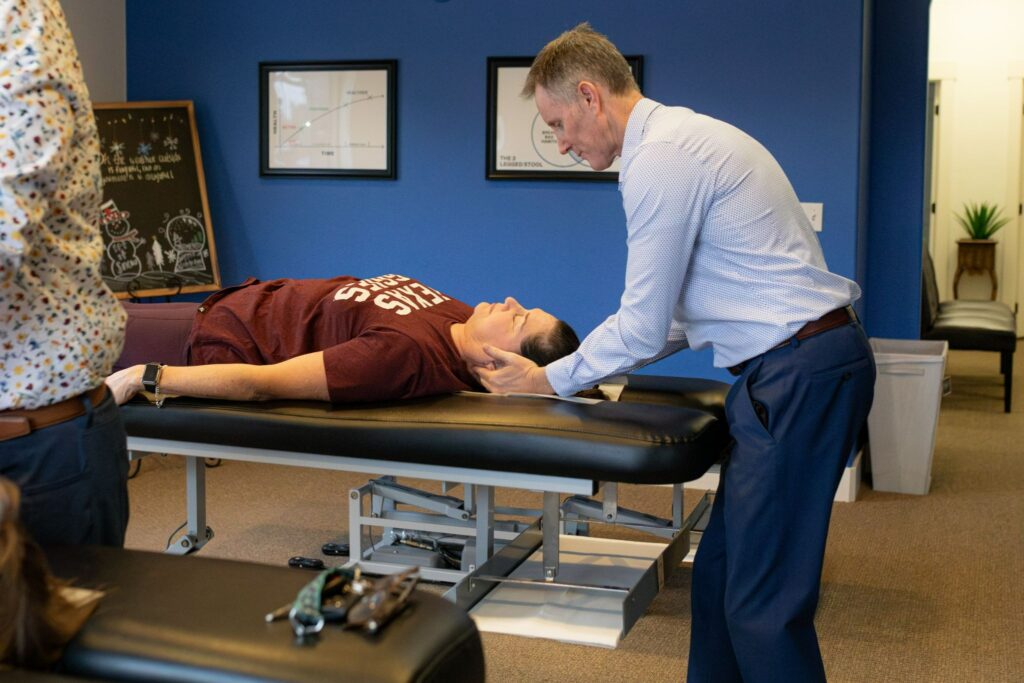

As a chiropractor, I understand that if you're experiencing upper back pain, it can significantly impact your daily life and overall health. Many individuals are unaware that common culprits like poor posture, stress, or even improper ergonomics can contribute to this discomfort. It's crucial to identify these triggers to effectively address your pain.
Incorporating targeted stretching and strengthening exercises into your routine can be a powerful way to relieve tension in your upper back. Additionally, making ergonomic adjustments in your workspace or at home can profoundly influence your comfort levels. For instance, ensuring that your chair supports your spine correctly or adjusting your computer screen height can help reduce strain.
Let's delve into these strategies together and explore how chiropractic care can support your journey to finding relief and improving your well-being. Remember, understanding and addressing the root causes of your pain is key to achieving long-term health.
Understanding Upper Back Pain
As a local chiropractor, I want to help you understand upper back pain and its common causes. Many people are unaware that discomfort in this area can arise from a variety of factors, and it's essential to explore those deeper connections. Your upper back consists of muscles, ligaments, and bones that can be impacted by numerous issues, and understanding these can pave the way for effective natural healing.
First, let's talk about posture. It's something we often overlook in our daily lives. If you spend long hours working at a desk or find yourself hunching over your phone, you may be unknowingly creating tension and strain in your upper back. This habitual poor posture can lead to discomfort over time, as your body compensates for the misalignment.
Next, consider your level of physical activity. A lack of regular exercise can weaken your muscles, making them more vulnerable to strain and injury. Conversely, if you're overexerting yourself during workouts without adequate warm-up or cool-down routines, you might also experience upper back discomfort. Balancing your exercise routine is key.
We must also acknowledge the impact of stress. When you experience stress, your body tends to tense up, particularly in the shoulders and upper back. This chronic tension can contribute significantly to pain. Often, patients may not realize how their emotional state can manifest physically, leading to discomfort.
By recognizing these factors, you can take proactive steps to manage your upper back pain. I encourage you to be mindful of your posture, incorporate regular physical activity into your routine, and find ways to reduce stress.
Chiropractic care can assist in realigning your spine, improving your posture, and enhancing your overall well-being. It's all about understanding how your lifestyle choices affect your body and seeking natural healing solutions. Together, we can work towards alleviating your discomfort and promoting a healthier, pain-free life.
Common Causes and Triggers
As a chiropractor, I often see patients who experience discomfort in their upper back, and it's important to understand the various factors that can contribute to this pain. Identifying these causes is a vital step toward achieving effective relief and preventing future issues. Here are some common triggers that may resonate with you:
- Poor posture while sitting or standing
- Extended periods of desk work or computer use
- Incorrectly lifting heavy objects
- Stress and muscle tension
- Unsupportive sleeping positions or mattresses
Many patients don't realize how much their daily habits affect their back health. For instance, spending hours hunched over a computer or slouching while watching TV can lead to significant muscle strain and stiffness. It's easy to lose track of time in these positions, but they can have a detrimental impact on your back over time.
Additionally, lifting with your back instead of your legs can cause not only acute pain but also long-term complications. Stress is another contributing factor. When you're stressed or anxious, your muscles tend to tighten, leading to discomfort in areas like the upper back. If you notice that you frequently carry tension in your shoulders or neck, this could be the culprit behind your pain.
Lastly, consider your sleeping habits. An unsupportive mattress or awkward sleeping positions can result in waking up with pain that persists throughout the day. A good night's sleep is essential for recovery and maintaining back health, so it's worth evaluating your sleep setup.
Effective Stretching Techniques
As a local chiropractor, I understand the struggles of upper back pain and want to share some effective stretching techniques that can significantly improve your comfort and well-being. Integrating these stretches into your daily routine can help relieve tension, enhance flexibility, and promote better posture—essential elements of natural healing.
Let's begin with a foundational stretch: the cat-cow stretch. Position yourself on all fours, ensuring your wrists are directly under your shoulders and your knees are under your hips. As you inhale, arch your back, lifting your head and tailbone in what we call the cow pose. Then, as you exhale, round your spine by tucking your chin and pelvis into the cat pose. Repeat this sequence for 5-10 breaths; it's a great way to loosen up your upper back.
Next, I recommend the doorway stretch. Stand in a doorway and place your arms on the door frame at shoulder height. Step forward gently, allowing yourself to feel a stretch through your chest and shoulders. Hold this position for 20-30 seconds while taking deep breaths. This stretch is particularly beneficial for alleviating upper back pain and counteracting the effects of slouching that many of us experience throughout the day.
Another excellent stretch is the seated spinal twist. Find a comfortable position, either cross-legged on the floor or seated in a chair. Place one hand on the opposite knee and gently twist your torso towards the back, using your hand to help deepen the stretch. Hold for 20-30 seconds before switching sides. This stretch is fantastic for increasing spinal mobility and easing tension in your upper back.
Lastly, don't overlook the value of shoulder rolls. While seated or standing, roll your shoulders forward and then backward in a circular motion. Aim for about 10 repetitions. This simple action can release tightness in your shoulders and upper back, providing immediate relief.
Incorporating these stretches into your routine can make a significant difference in alleviating discomfort and enhancing your overall well-being.
Strengthening Exercises for Relief
As a local chiropractor, I want to emphasize the importance of strengthening your upper back for both preventing discomfort and promoting good posture. Many of my patients are unaware of how crucial a strong upper back is for spinal support and overall well-being.
By incorporating specific exercises into your routine, you can build the necessary muscles, reduce tension, and enhance stability. Here are some effective exercises I recommend:
- Bent-over rows: Using dumbbells or a resistance band, pull the weights towards your chest while keeping your back flat. This exercise effectively targets the upper back muscles, which can help alleviate discomfort.
- Face pulls: Anchor a resistance band at eye level and pull it towards your face while squeezing your shoulder blades together. This movement strengthens the rear deltoids and upper traps, essential for maintaining good posture.
- Seated rows: Whether you use a cable machine or a resistance band, pull the handle towards your torso while sitting upright. It's important to focus on engaging your back muscles rather than relying on your arms.
- Reverse flys: Bend at your hips with a slight bend in your knees, holding weights in each hand. Raise your arms out to the side while squeezing your shoulder blades together. This exercise helps in strengthening the upper back and improving muscle coordination.
- Supermans: Lie face down on the floor with your arms extended. Lift your arms, chest, and legs off the ground simultaneously, engaging your back muscles. This is a great way to strengthen your entire back without weights.
As you perform these exercises, pay close attention to your form and control. If you're just starting out, use lighter weights or resistance and gradually increase the intensity as you gain strength.
Consistency is essential—aim to incorporate these exercises into your routine at least two to three times a week for optimal results. Strengthening your upper back not only promotes long-lasting relief but also enhances your overall health and well-being.
If you have any questions or need guidance on these exercises, feel free to ask during your next visit!
Posture Correction Tips
As a chiropractor dedicated to your well-being, I want to share essential tips for alleviating upper back pain through posture correction. It's vital to pay attention to your posture throughout the day, as this can significantly impact your comfort and health.
Begin by creating an ergonomic workspace that encourages proper alignment—this means adjusting your chair, desk, and computer screen to suit your body's natural posture.
Incorporating daily stretching exercises is also important; these help maintain muscle flexibility and reduce tension.
Additionally, I encourage you to practice mindful sitting habits. Be aware of your body positioning to avoid slouching, which can lead to discomfort over time.
By making these adjustments, you can promote a strong, healthy posture and enhance your overall well-being.
Ergonomic Workspace Setup
Creating an ergonomic workspace is crucial for preventing upper back pain and enhancing your overall comfort while you work. As a chiropractor, I often see the effects of poor workstation setups on my patients' musculoskeletal health.
A thoughtfully designed workspace not only supports your body but also increases productivity. Here are some key tips to help you create an ergonomic workspace that promotes your well-being:
- Chair Height: It's important to adjust your chair so that your feet rest flat on the floor, with your knees bent at a 90-degree angle. This helps to maintain proper blood circulation and reduce strain on your lower back.
- Desk Height: Your desk should be set at a height that allows your elbows to stay close to your body and form a 90-degree angle when typing. This positioning reduces the risk of shoulder and neck tension.
- Monitor Position: Position your monitor at eye level, approximately an arm's length away. This alignment minimizes strain on your neck and upper back, which can lead to discomfort over time.
- Keyboard and Mouse: Keep your keyboard and mouse close together and at the same height as your elbows. This setup prevents excessive reaching and promotes a more relaxed posture.
- Supportive Accessories: Consider incorporating supportive accessories into your workspace, such as a lumbar support cushion or a footrest. These tools can help maintain proper spinal alignment and promote good posture throughout your workday.
By implementing these ergonomic practices, you can significantly reduce the risk of discomfort and pain associated with long hours at a desk.
Daily Stretching Exercises
As a local chiropractor, I often emphasize the importance of incorporating daily stretching exercises into your routine to enhance your posture and alleviate upper back pain.
These simple yet effective exercises target the muscles that support your spine, helping to relieve tension and improve flexibility.
One great starting point is the cat-cow pose, which is excellent for promoting spinal mobility. To perform this stretch, position yourself on all fours, arch your back upward, and then dip it down while lifting your head. Aim to repeat this movement for 5-10 breaths to really feel the benefits.
Another effective stretch is the doorway stretch, which is fantastic for opening up your chest and shoulders. Stand in a doorway, place your arms on the frame, and gently lean forward to stretch your chest. Hold this position for 20-30 seconds while you breathe deeply.
Don't forget about upper back stretches like the seated twist. While sitting with your legs crossed, place your right hand on your left knee and gently twist your torso to the left. Hold for a few breaths, then switch sides. This stretch can really help release tension in your upper back.
Consistency is crucial; I recommend aiming to stretch at least once a day. Your body will thank you as these exercises not only help correct your posture but also reduce discomfort in your upper back.
Mindful Sitting Habits
As a local chiropractor, I want to emphasize the importance of mindful sitting habits in maintaining a healthy spine and preventing upper back pain. While daily stretching exercises can certainly help, your sitting posture plays a crucial role in supporting your overall well-being.
Here are some key guidelines to keep in mind when you sit:
- Feet Flat on the Floor: It's vital to keep your feet flat on the ground or use a footrest. This simple adjustment can provide essential support to your lower back and help maintain proper alignment.
- Knees at Hip Level: Ensure that your knees are at or slightly below hip level. This alignment helps keep your spine in a neutral position, reducing the risk of discomfort.
- Back Support: Choose a chair that offers good lumbar support. If your chair lacks this feature, consider placing a small cushion or rolled towel behind your lower back to support the natural curve of your spine.
- Shoulders Relaxed: Pay attention to your shoulders; they should be relaxed and not hunched up towards your ears. This can help alleviate tension in your upper back and neck.
- Screen at Eye Level: Position your computer screen at eye level. This adjustment can significantly reduce the strain on your neck and upper back, promoting better posture while you work.
By incorporating these mindful sitting habits into your daily routine, you can take proactive steps toward better spinal health and overall comfort.
Ergonomic Adjustments for Comfort
As a local chiropractor, I want to share some valuable insights on how ergonomic adjustments can greatly enhance your comfort and help alleviate upper back pain. Many people are unaware that simple changes to their workspace and daily habits can lead to better posture and reduced strain on the upper back.
Let's start with your chair. It's crucial that your chair provides adequate support for your lower back, allowing your feet to rest flat on the ground or on a footrest. Adjusting the backrest for firm support is essential, and the seat height should be set so your knees are at a 90-degree angle.
If you're spending long hours at a desk, consider using a chair with adjustable armrests, which can help your shoulders relax and reduce tension.
Next, let's talk about your desk setup. Your monitor should be positioned at eye level and about an arm's length away to prevent you from leaning forward, which can strain your neck and upper back. If you're using a laptop, I encourage you to invest in a stand or an external keyboard to maintain proper screen height.
Keeping frequently used items within easy reach can also help you avoid unnecessary twisting or stretching, which can lead to discomfort.
Don't overlook the importance of your keyboard and mouse placement. They should be close enough so that your elbows remain at your sides and your wrists stay straight. Consider using a wrist rest to minimize strain during typing.
Lastly, I can't stress enough the importance of taking regular breaks. Stand up, stretch, and move around at least once an hour. This simple practice not only helps relieve tension but also reinforces good posture.
By implementing these ergonomic adjustments, you may notice a significant improvement in your comfort levels and a reduction in upper back pain.
Alternative Therapies and Treatments
As a local chiropractor, I believe in the power of natural healing and the importance of a holistic approach to well-being, especially when it comes to alleviating upper back pain.
While making ergonomic adjustments at home or work can significantly enhance your comfort, exploring alternative therapies can further support your journey toward relief. Here are some effective treatments you might consider:
– Massage Therapy: Working with a skilled massage therapist can be a game-changer for those dealing with upper back pain. They can specifically target tense muscles, helping to reduce discomfort and improve mobility.
Regular massage sessions not only promote physical relaxation but also help alleviate stress, which can contribute to pain.
- Acupuncture: This ancient healing practice involves the insertion of fine needles into targeted points on your body. Many of my patients have found acupuncture to be an excellent complementary treatment, as it can relieve pain and enhance overall well-being.
- Chiropractic Care: As a chiropractor, I specialize in spinal and joint manipulation to restore proper alignment. This can alleviate discomfort and enhance function in your upper back.
Through tailored adjustments, we can work together to find what feels best for your body.
– Yoga: Incorporating yoga into your routine can be incredibly beneficial. It enhances flexibility, strengthens muscles, and promotes relaxation.
Certain yoga poses specifically target areas of tension in the upper back, making it a helpful addition to your pain relief strategy.
– Physical Therapy: If you're experiencing chronic upper back pain, a physical therapist can create a personalized exercise program for you.
This program will focus on strengthening your upper back muscles, improving posture, and helping prevent future discomfort.
By considering these alternative therapies alongside chiropractic care, you can take a comprehensive approach to your health and well-being.
Together, we can explore the best solutions tailored to your specific needs.
When to Seek Professional Help
If you've been experiencing upper back pain for more than a few weeks, it may be time to consider visiting a chiropractor for an assessment.
It's essential to be aware of any additional symptoms you might be having, such as numbness or weakness, as these could signal a more significant underlying issue.
Early intervention is key in chiropractic care, as it can help prevent further complications and support your journey back to optimal health.
Our goal is to guide you through a natural healing process that addresses the root cause of your discomfort, rather than just masking the symptoms.
Don't hesitate to reach out and learn more about how chiropractic care can benefit you!
Persistent Pain Duration
As a local chiropractor, I want to help you understand the importance of addressing upper back pain, especially when it persists beyond a few weeks. Chronic pain can often signal an underlying issue that needs professional attention, and overlooking persistent discomfort may lead to more significant complications down the road.
It's essential to listen to your body and take action.
Here are some key indicators that suggest it may be time to consult a chiropractor:
- If your pain is intensifying over time, it's a sign that something may not be right.
- When your pain begins to interfere with daily activities or diminishes your overall quality of life, it's crucial to seek help.
- If home remedies or over-the-counter medications aren't providing relief, a professional assessment can be very beneficial.
- Any noticeable changes in your posture or range of motion can indicate a deeper issue that needs to be addressed.
- If you feel pain radiating to other parts of your body, like your arms or legs, this is another reason to consult a healthcare professional.
By addressing upper back pain early, you can prevent it from evolving into a long-term issue.
As a chiropractor, I can assess your condition and recommend appropriate treatments, including natural healing techniques tailored to your needs.
Together, we can create a customized plan to help you manage your pain effectively. Your well-being is our priority, so don't hesitate to reach out for support.
Accompanying Symptoms Assessment
As a local chiropractor, I want to help you understand how accompanying symptoms can provide important clues about your upper back pain and whether it's time to seek professional assistance.
If you find yourself experiencing numbness, tingling, or weakness in your arms or hands, I encourage you to reach out to a healthcare provider. These sensations may indicate nerve involvement, which is something we take seriously and may require immediate attention.
It's also essential to be aware of other concerning signs. If you have persistent fever, unexplained weight loss, or severe headaches alongside your upper back pain, don't hesitate to consult a doctor. These symptoms could suggest underlying conditions that warrant a thorough evaluation.
Another critical aspect to consider is any changes in bowel or bladder control. If you notice any alterations in these functions along with your upper back pain, please treat this as a red flag and seek medical advice right away.
Lastly, if your pain developed after a recent injury or trauma, it's wise to get assessed.
At my practice, we believe it's always better to err on the side of caution when it comes to your health. By recognizing these accompanying symptoms, you can better determine when it's the right time to seek professional help, ensuring that you don't overlook a potentially serious issue.
Conclusion
As a local chiropractor, I want to emphasize the importance of a proactive approach to managing upper back pain. Understanding the root cause of your discomfort is essential in finding relief. Incorporating effective stretches and strengthening exercises into your routine can significantly enhance your well-being.
It's also vital to evaluate your workspace; ensuring that your setup promotes good posture can make a remarkable difference in how you feel throughout the day. If you find that your pain persists despite these efforts, seeking professional help is an important step.
Chiropractic care offers natural healing methods that can address the underlying issues contributing to your pain. Remember, by taking these steps, you can pave the way for a healthier and more comfortable life, allowing you to engage in daily activities free from the constraints of pain. I'm here to help you on this journey to better health!