
When it comes to enhancing your mobility, expert care can make all the difference. You might find that personalized treatment plans, designed specifically for your unique challenges, lead to significant improvements. By collaborating with healthcare providers and utilizing specialized techniques, you can empower yourself to reclaim your independence. But what exactly does this journey involve, and how can you identify the right support for your needs? Understanding these aspects could be essential to releasing your potential for a more active life.
Understanding Mobility Challenges
Mobility challenges can greatly impact your daily life, affecting not just physical movement but also your overall sense of independence. Whether you're dealing with a temporary injury or a chronic condition, these challenges can limit your ability to perform tasks you once took for granted. You might find it difficult to walk, climb stairs, or even stand for extended periods. This can lead to feelings of frustration and helplessness.
Understanding the root causes of your mobility challenges is essential for finding effective solutions. These issues can arise from various factors, including age-related decline, neurological disorders, or musculoskeletal problems. Identifying the specific limitations you face allows you to tailor your approach to regain mobility. For instance, if balance is an issue, focusing on exercises that improve stability can make a significant difference.
Moreover, your environment plays a vital role in your mobility. Evaluating your living space for potential hazards, such as loose rugs or poor lighting, can help reduce the risk of falls. Making simple modifications—like adding grab bars in the bathroom or using mobility aids—can enhance your safety and confidence.
Lastly, it's important to recognize that you're not alone in this journey. Many individuals face similar challenges, and support networks can provide valuable resources and encouragement. By taking proactive steps to understand and address your mobility challenges, you're already on the path to improving your quality of life and reclaiming your independence.
The Role of Expert Care
When it comes to improving your mobility, expert care plays an essential role.
With personalized treatment plans tailored to your specific needs, you can achieve better outcomes.
Additionally, specialized rehabilitation techniques can enhance your recovery and help you regain your independence.
#
Personalized Treatment Plans
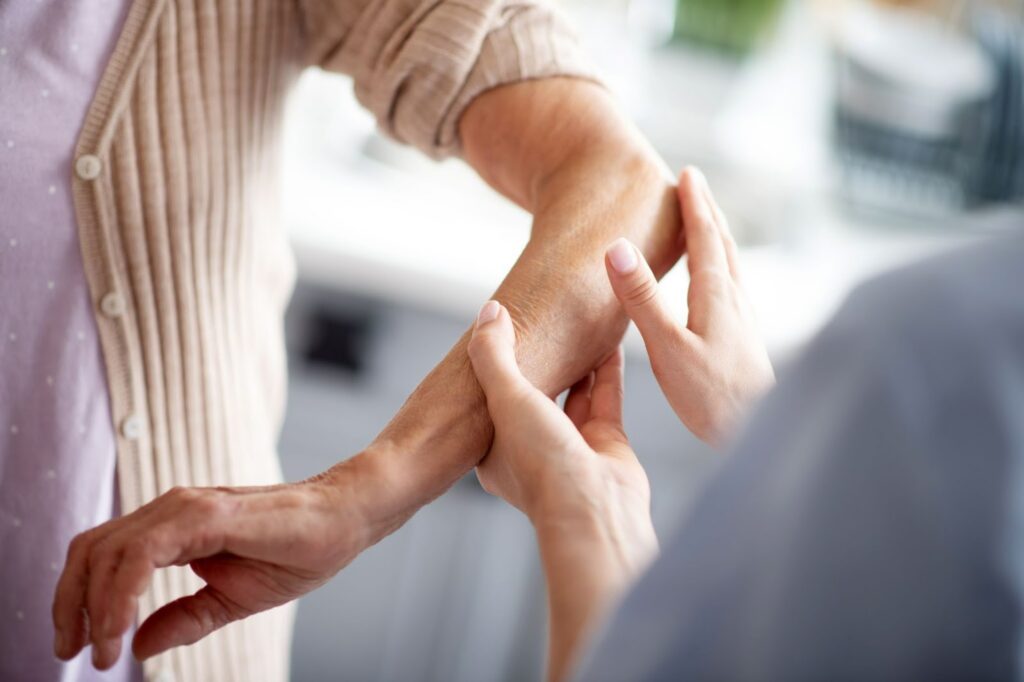
There's no one-size-fits-all solution when it comes to treatment plans, especially for those seeking enhanced mobility. You deserve a personalized approach that addresses your unique needs, lifestyle, and goals. When working with expert care providers, they'll evaluate your specific condition, mobility challenges, and overall health to create a tailored plan just for you.
Your personalized treatment plan may include a combination of therapies, exercises, and lifestyle modifications. By focusing on your individual circumstances, experts can pinpoint the most effective strategies to help you regain strength and flexibility. For instance, if you have a specific injury or condition, they'll craft a regimen that targets those areas, ensuring you get the most out of each session.
Additionally, ongoing assessments are essential. As you progress, your expert care team will adjust your plan accordingly, making sure it evolves with your improving abilities. This adaptive approach not only keeps you motivated but also maximizes results.
Specialized Rehabilitation Techniques
Over time, specialized rehabilitation techniques have become essential in helping individuals regain mobility and independence. These methods are designed specifically to address various physical challenges, guaranteeing you receive the targeted support you need. Techniques like manual therapy, neuromuscular re-education, and aquatic therapy can greatly enhance your recovery process.
When you engage with expert care, you benefit from personalized approaches tailored to your unique needs. Skilled therapists evaluate your condition and implement strategies that foster improvement in strength, balance, and coordination. Each session is focused, inviting you to actively participate in your recovery journey.
Moreover, incorporating technology, such as virtual reality and biofeedback, can provide real-time feedback, making your rehabilitation more engaging and effective. These specialized techniques not only help you overcome physical limitations but also empower you to set and achieve your personal goals.
Ultimately, expert care guarantees that you aren't just going through the motions. You're actively working towards a better quality of life, armed with the tools and support necessary for successful rehabilitation.
With the right specialized techniques, you'll find yourself on a path to renewed mobility and independence.
Types of Mobility Support
When it comes to enhancing your mobility, understanding the different types of support available can make a big difference.
You'll find a range of wheelchair options, assistive devices, and home modifications designed to improve your daily life.
Let's explore how each of these can help you regain independence and move with confidence.
Wheelchair Options Available
Choosing the right wheelchair can greatly enhance your mobility and independence. With various options available, it's crucial to find the one that suits your needs best.
Manual wheelchairs are perfect if you have upper body strength and prefer to self-propel. They're lightweight and can be easily transported, making them a popular choice for many users.
If you need more assistance, think about powered wheelchairs. These electric options provide greater ease of movement and are ideal for those who may struggle with manual propulsion. You can navigate effortlessly, especially in larger spaces or over longer distances.
Another option is the transport wheelchair, designed for short trips and assistance. These are lightweight and can be pushed by a caregiver, making them great for outings where you mightn't want to self-propel.
For added comfort, look into customizable models that allow adjustments for seat height, back support, and armrests.
Don't forget to reflect on features like portability, durability, and the type of terrain you'll encounter.
Ultimately, evaluating your lifestyle and preferences will guide you in selecting the right wheelchair that will enhance your daily mobility.
Assistive Devices Overview
Mobility support goes beyond just wheelchairs, as a variety of assistive devices can help enhance your independence and daily activities. Knowing the options available empowers you to choose what best fits your needs.
Walkers provide stability and support, making them ideal for those who need assistance while walking. They're lightweight and easy to maneuver, offering safety without sacrificing mobility.
Canes are another popular choice; they're portable and provide balance, helping you navigate different terrains effortlessly.
If you require more support, consider crutches, which allow for weight-bearing on one leg while keeping you mobile.
For those with limited upper body strength, mobility scooters offer an excellent alternative, combining comfort with ease of use for longer distances.
For individuals needing extra help in specific situations, transfer boards and gait belts can simplify moving from one place to another, reducing the risk of falls.
Each device serves a unique purpose, so take the time to assess your needs. By integrating the right assistive device into your routine, you can greatly improve your quality of life and regain the confidence to carry out daily tasks.
Home Modifications Benefits
Home modifications can greatly enhance your comfort and safety, making daily activities easier and more enjoyable. By adapting your living space, you can considerably improve your mobility and independence. Simple changes like installing grab bars in the bathroom or adding ramps at entryways can prevent falls and provide you with the support you need.
Widening doorways and hallways can allow for easier navigation with a wheelchair or walker. You might also consider lowering countertops and sinks to make everyday tasks more accessible. Non-slip flooring can further reduce the risk of accidents, ensuring you feel secure in your home.
Additionally, smart home technology can offer convenience and safety. Automated lighting, voice-activated assistants, and smart locks can help you manage your environment effortlessly. These modifications not only support your physical needs but also empower you to maintain your lifestyle.
Ultimately, investing in home modifications can lead to a more fulfilling and independent life. By creating a space tailored to your needs, you'll enhance your quality of life and enjoy greater freedom in your daily activities.
## Personalized Treatment Plans
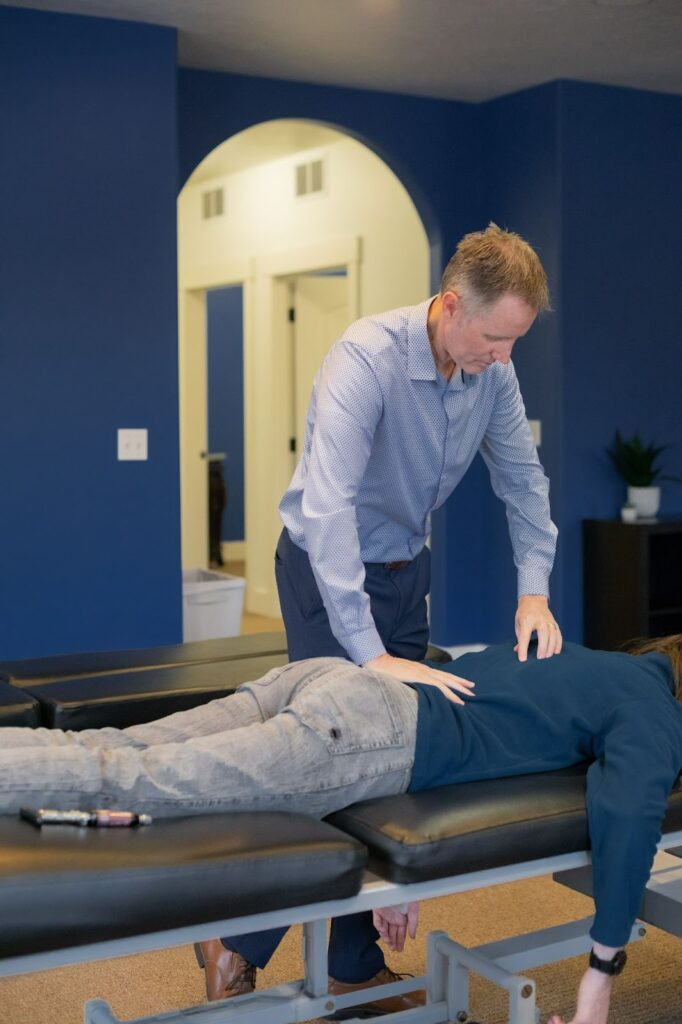
Personalized treatment plans are the cornerstone of effective rehabilitation and recovery. When you commence your journey toward enhanced mobility, a tailored approach guarantees that your unique needs and goals are prioritized. Your physical therapist will conduct a thorough assessment to understand your specific limitations, strengths, and lifestyle factors. This extensive evaluation allows them to craft a plan that resonates with your personal circumstances.
Each plan is designed to address your individual challenges, whether you're recovering from an injury, managing a chronic condition, or aiming to improve your overall mobility. By focusing on your specific situation, personalized treatment plans can incorporate various techniques, including targeted exercises, manual therapy, and education on body mechanics. This way, you're not just following a generic routine; you're engaging in a program that speaks to your needs.
Moreover, your treatment plan is dynamic. As you progress, your therapist will continually assess your improvements and adjust the plan accordingly. This flexibility means you're always working toward achievable milestones, keeping you motivated and on track.
You'll also receive guidance on how to integrate these exercises into your daily life, guaranteeing that your recovery extends beyond the clinic.
Ultimately, a personalized treatment plan empowers you to take charge of your rehabilitation. By collaborating closely with your therapist, you'll gain the tools and support necessary to enhance your mobility and achieve lasting results. With this focused approach, you're well-equipped to reclaim your independence and enhance your quality of life.
Benefits of Physical Therapy
Physical therapy offers numerous benefits that can greatly enhance your overall well-being. It helps alleviate pain, improve mobility, and restore function, making daily activities easier and more enjoyable. Whether you're recovering from an injury, managing a chronic condition, or looking to enhance your physical performance, physical therapy can be a game-changer for you.
One of the most significant advantages of physical therapy is its focus on personalized care. Your therapist will assess your specific needs and develop a tailored treatment plan that addresses your unique challenges. This individualized approach guarantees that you receive the most effective interventions to help you achieve your goals.
Another key benefit is the emphasis on strengthening and conditioning. You'll learn exercises that target your muscles, improve your flexibility, and enhance your balance. This not only aids in recovery but also helps prevent future injuries.
Additionally, physical therapy can equip you with valuable knowledge about your body, empowering you to manage your health proactively.
Physical therapy also fosters a sense of well-being. By reducing pain and improving function, you'll likely experience an increase in your overall quality of life. You'll feel more confident in your movements, engage more fully in social activities, and even boost your mental health.
Staying Active With Age
As you age, staying active becomes increasingly important for maintaining your health and well-being. Regular physical activity helps you manage weight, improve cardiovascular health, and boost your mood. You may find that incorporating movement into your daily routine can be both enjoyable and rewarding.
Start by setting realistic goals. Whether it's a daily walk, joining a local yoga class, or gardening, choose activities that you love. You don't need to plunge into intense workouts; even moderate exercise can make a significant difference in your overall health. Aim for at least 150 minutes of moderate aerobic activity each week, broken down into manageable sessions.
Strength training is also essential. Incorporating resistance exercises two days a week can help you maintain muscle mass and bone density. Using resistance bands or light weights can be effective and safe options.
Don't forget the importance of flexibility and balance. Activities like tai chi and stretching can enhance your coordination and reduce the risk of falls.
Remember, staying active doesn't have to be a chore; it can be a social experience. Join a class, participate in community events, or invite friends to join you.
Listen to your body and adapt activities as needed. If you experience pain or discomfort, consult a healthcare professional to find the best approach for you.
Ultimately, staying active as you age is about enjoying life and keeping yourself healthy, so find what works for you and stick with it.
Success Stories in Mobility Recovery
Many people have successfully regained their mobility through determination and tailored support. Take Sarah, for instance. After a knee injury sidelined her for months, she felt discouraged and unsure about her future.
With the guidance of a physical therapist, she initiated a personalized recovery plan that included specific exercises to strengthen her muscles and improve flexibility. Slowly but surely, Sarah found her strength returning. Today, she enjoys hiking again, something she thought was lost forever.
Then there's Mark, who faced mobility challenges after a stroke. His journey was challenging, but he didn't give up.
With the help of occupational therapy, Mark learned adaptive techniques to navigate his home and community. He set small goals, celebrating every achievement, no matter how minor it seemed. Over time, he regained confidence, and now he walks independently, participating in local events and enjoying life to the fullest.
Your own story can unfold in similar ways. By seeking expert care and committing to a structured recovery plan, you can achieve remarkable progress.
Whether it's through physical therapy, occupational support, or a community program, the key lies in taking that first step. Remember, every journey is unique, and setbacks may occur, but with persistence and the right support, you too can access your mobility potential.
Just like Sarah and Mark, you have the power to transform your life and embrace new adventures. Don't wait—start your success story today!
Conclusion
Releasing enhanced mobility is within your reach. By partnering with expert care and following personalized treatment plans, you can overcome mobility challenges and regain independence. Remember, staying active is crucial, and physical therapy can greatly improve your quality of life. Celebrate your progress, and don't hesitate to seek support when needed. With the right strategies and ongoing assessments, you'll not only enhance your mobility but also embrace a more fulfilling lifestyle. Your journey to better mobility starts now!