
As a local chiropractor, I often see patients who are grappling with persistent upper back pain, and I want you to know that you're not alone in this struggle. Many individuals experience discomfort due to everyday habits and their surrounding environments. It's crucial to understand the root causes of your pain, but that's only the first step in your healing journey.
Imagine being able to transform your daily routine in a way that significantly reduces your discomfort. By incorporating effective strategies such as posture correction and ergonomic adjustments, you may uncover solutions that you hadn't considered before. The key is to begin with a solid understanding of what contributes to your pain and to implement changes that truly make a difference.
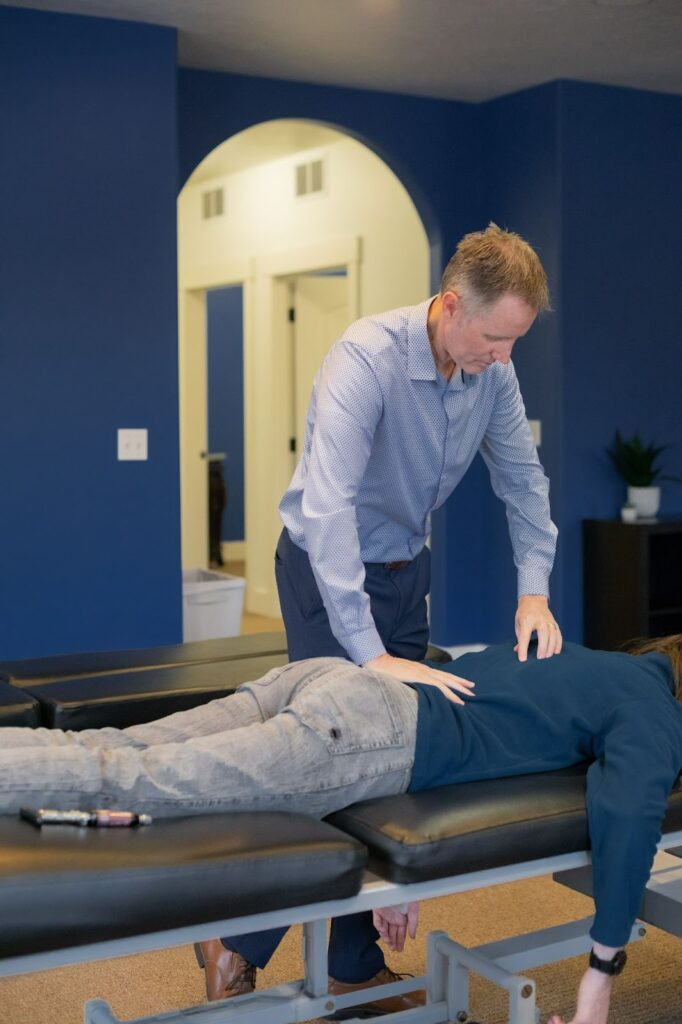
As your chiropractor, I'm here to help guide you through this process. Together, we can explore natural healing methods that promote not just relief, but overall wellness. Let's work on creating a plan that addresses your specific needs and empowers you to take control of your health.
Understanding Upper Back Pain
As a local chiropractor, I want to help you understand upper back pain, which can often feel overwhelming and confusing. Many patients come to me expressing their struggles with daily activities, discomfort while sitting or standing, and even trouble sleeping at night due to upper back pain. Understanding the nature of your pain is essential for effective resolution.
First, it's important to know that your upper back is comprised of muscles, ligaments, and vertebrae. Unlike the lower back, which often bears more weight and stress, the upper back has a more stable structure. This stability can make pain in this area feel somewhat unusual. You might describe your pain as a dull ache, a sharp stab, or even a persistent tightness, with these sensations varying throughout the day based on your activity levels, posture, and stress.
I encourage you to pay close attention to your body mechanics. If you spend long hours hunched over a computer or are engaged in repetitive activities, you may be unknowingly putting extra strain on your upper back. Simple adjustments can often provide immediate relief. For instance, improving your posture, ensuring your workstation is ergonomically friendly, and taking regular breaks to stretch can make a significant difference.
Additionally, it's important to consider the role of emotional stress in contributing to muscle tension in the upper back. When you're feeling stressed, your body tends to tense up, which can exacerbate discomfort. I often recommend relaxation techniques such as deep breathing, meditation, or yoga to help alleviate this tension.
Ultimately, understanding your upper back pain requires recognizing both physical and emotional elements. By staying mindful of your habits and stress levels, you can take proactive steps to manage and alleviate your discomfort.
As your chiropractor, I'm here to guide you on this journey toward better health and well-being through natural healing methods.
Common Causes of Discomfort
As a local chiropractor, I often see patients experiencing discomfort in their upper back, and it's important to understand that this discomfort can stem from several factors that you may not immediately recognize. Many of these causes are linked to your daily habits, activities, and even emotional stress. By identifying these factors, we can work together to address the root of your discomfort and find natural relief.
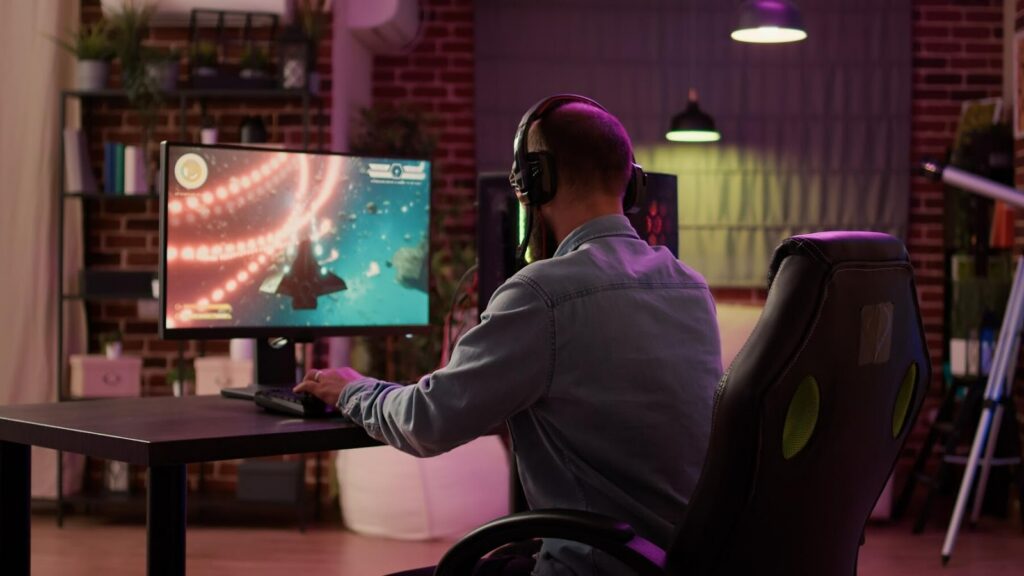
One prevalent cause of upper back pain is poor ergonomics, especially for those who spend long hours working at a desk. If your workstation isn't set up properly, you might find yourself slouching or leaning forward, which can create unnecessary strain on your upper back muscles.
Moreover, repetitive movements from certain sports or hobbies can lead to muscle fatigue and discomfort over time.
Stress is another significant factor that often goes unnoticed. When faced with pressure, it's common to unconsciously tense your shoulders and upper back, which can lead to pain and discomfort.
Additionally, a sedentary lifestyle can weaken your back muscles, making them more prone to strain and injury.
Here are some common causes of discomfort in the upper back that I often discuss with my patients:
- Poor posture: Slouching or leaning forward while seated or standing can lead to imbalances in your spinal alignment.
- Muscle imbalances: Weak or tight muscles can create strain in the upper back, leading to discomfort.
- Stress and tension: Emotional stress can contribute to muscle tightness, exacerbating pain in the upper back.
Recognizing these causes is the first step toward finding relief. By making mindful adjustments to your daily routine and becoming more aware of your body mechanics, you can begin to alleviate upper back discomfort effectively.
As your chiropractor, I'm here to guide you through natural healing techniques and provide personalized care to help you achieve a pain-free life.
Importance of Good Posture
As a local chiropractor, I want to emphasize the significant role that good posture plays in preventing upper back pain and enhancing your overall health. When you sit or stand with proper alignment, your body naturally maintains its equilibrium, which reduces strain on your muscles and joints. This alignment helps distribute your weight evenly, minimizing stress on your spine and the surrounding tissues.
Many people may not realize how their daily habits can negatively affect their posture. Common behaviors, such as slouching or hunching over your phone or computer, can create muscle imbalances that lead to discomfort. By being mindful of your posture throughout the day, you can take proactive steps to combat these detrimental habits. Aim to keep your shoulders relaxed and back, your chest open, and your head aligned with your spine. This simple adjustment creates a more supportive environment for your upper back.
Moreover, maintaining good posture isn't just about alleviating pain; it also has a positive impact on your breathing and circulation. When your spine is properly aligned, your lungs can fully expand, allowing for improved oxygen intake. Better circulation ensures that your muscles receive the essential nutrients they need to function effectively, further decreasing the risk of discomfort.
Practicing good posture goes beyond merely standing tall; it involves fostering a body that feels good and operates optimally. I encourage you to take breaks to stretch and reset your posture throughout the day.
Ergonomic Workstation Setup
As a local chiropractor, I want to emphasize the importance of creating an ergonomic workstation setup for maintaining good posture and preventing discomfort, particularly in the upper back, during prolonged computer use.
A thoughtfully arranged workspace not only enhances your comfort but also fosters productivity by minimizing distractions caused by physical discomfort.
Let's begin with your chair. It's crucial that your chair provides adequate support for your lower back while allowing your feet to rest flat on the ground. If your chair is too high, consider using a footrest to ensure proper alignment.
Next, position your monitor at eye level to avoid straining your neck. Ideally, your screen should be about an arm's length away, which helps reduce eye strain and promotes a neutral spinal alignment.
Here are some essential components to consider for setting up your ergonomic workspace:
- Chair height: Adjust your chair so that your knees form a 90-degree angle, with your thighs parallel to the floor. This position helps distribute your weight evenly and reduces stress on your back.
- Keyboard and mouse placement: Keep these tools within easy reach to prevent unnecessary stretching. Your elbows should be bent at approximately 90 degrees while using them, and it's important that your wrists remain straight to avoid strain during typing.
- Monitor height: The top of your monitor should be aligned with your eye level. This positioning allows for a natural gaze without tilting your head, thereby reducing the potential for neck and upper back issues.
By implementing these ergonomic principles, you can create a workspace that supports your well-being and helps prevent discomfort, allowing you to focus on your tasks with ease.
If you have any questions about setting up your workstation or how it relates to your spinal health, feel free to reach out to me. Your comfort and health are my top priorities!
Stretching Exercises for Relief
As a local chiropractor, I want to share with you the incredible benefits of stretching for alleviating upper back pain and enhancing your overall mobility.
Many people aren't aware that incorporating effective stretching techniques into your daily routine can significantly reduce discomfort and support the strengthening of your back muscles.
Let's take a look at some simple stretches that you can easily do at home or even at your workplace.
These stretches are designed to not only relieve tension but also to promote better posture and flexibility. By dedicating just a few minutes each day to these exercises, you can experience a noticeable improvement in how your back feels.
Remember, caring for your spine is a vital part of maintaining your health, and stretching is a natural way to support that process.
If you have any questions about how these stretches can fit into your wellness journey, feel free to reach out—I'm here to help you on your path to better health!
Importance of Stretching
As a local chiropractor, I want to emphasize the significant role that regular stretching can play in your overall health, particularly for alleviating upper back pain and enhancing flexibility.
Many people may not realize that stretching isn't just an exercise; it's a vital practice that can help relieve muscle tension, improve posture, and increase mobility.
When you incorporate stretching into your daily routine, you boost blood circulation to your muscles, which aids in healing and can help minimize soreness from daily activities or workouts.
Here are some important benefits of stretching specifically for your upper back:
- Increased Flexibility: By committing to regular stretching, you can expand your range of motion. This makes everyday tasks easier and can contribute to a more comfortable lifestyle.
- Pain Relief: Stretching effectively alleviates built-up tension and tightness in the upper back. Many of my patients report experiencing immediate relief from pain after implementing simple stretching routines.
- Better Posture: Stretching can strengthen the muscles that support your spine, leading to improved posture. Good posture not only feels better but also reduces the strain on your back, helping to prevent future discomfort.
Incorporating these stretches into your routine can be a simple yet powerful step toward achieving better health and well-being.
If you have any questions or need guidance on how to get started, don't hesitate to reach out. Your journey to a pain-free life can begin with something as simple as stretching!
Effective Stretching Techniques
As a local chiropractor dedicated to helping my patients understand the benefits of natural healing, I want to share some effective stretching techniques to alleviate upper back pain. These stretches focus on relieving tension and improving flexibility, which are essential components of your overall well-being.
One of my favorite stretches is the cat-cow stretch. This movement not only feels great but also helps mobilize your spine. You start by getting on all fours, arching your back while inhaling, and then rounding it as you exhale. I recommend repeating this for 10-15 cycles to really feel the benefit.
Another excellent option is the seated forward bend. For this stretch, sit on the floor with your legs extended in front of you. Inhale deeply to lengthen your spine, and as you exhale, gently reach for your toes. Hold this position for 15-30 seconds. This stretch can significantly ease tightness in both your back and hamstrings.
Don't overlook the doorway stretch, which can make a big difference in your upper body tension. Stand in a doorway, place your forearms on the door frame, and lean forward slightly. You should feel a wonderful stretch across your chest and shoulders. Aim to hold this stretch for 20-30 seconds.
Lastly, I highly recommend incorporating the child's pose into your routine. Kneel on the floor and sit back on your heels while stretching your arms forward on the ground. This position is fantastic for releasing tension in your upper back.
By regularly practicing these stretches, you can enhance your comfort and improve your range of motion. Remember, taking care of your body through natural methods like stretching can lead to a healthier, more pain-free life.
If you have any questions or need personalized guidance, feel free to reach out!
Daily Stretching Routine
As a local chiropractor, I want to emphasize the importance of establishing a daily stretching routine for enhancing your overall well-being and alleviating upper back pain. Many of my patients have found that dedicating just a few minutes each day to stretching can significantly improve flexibility, reduce tension, and promote better circulation in the upper back area.
Here are some effective stretches I recommend incorporating into your routine:
- Cat-Cow Stretch: This dynamic stretch is fantastic for mobilizing your spine and relieving tension. Start on all fours, arch your back while inhaling deeply, and then round your back while exhaling. This movement helps to gently stretch and strengthen the muscles around your spine.
- Doorway Stretch: To counteract the hunching that often contributes to upper back pain, try the doorway stretch. Stand in a doorway, place your forearms against the door frame, and lean forward gently. This opens up your chest and shoulders, providing much-needed relief.
- Seated Forward Bend: For those who spend a lot of time sitting, this stretch is particularly beneficial. Sit with your legs extended in front of you and reach for your toes. This stretch targets your lower back and hamstrings while promoting overall relaxation, making it a great addition to your daily routine.
As you practice these stretches, remember to breathe deeply and hold each position for at least 20 seconds.
Consistency is key; by regularly incorporating these stretches into your day, you're likely to experience a significant reduction in upper back pain, leading to a more comfortable and active lifestyle.
If you have any questions or would like further guidance, please don't hesitate to reach out to my office. Your journey to wellness through natural healing is just a stretch away!
Strengthening Your Upper Back
As a chiropractor, I want to emphasize the importance of strengthening your upper back for improved posture and pain relief. A strong upper back supports your spine and helps alleviate tension, which can lead to discomfort. By incorporating specific exercises into your routine, you can significantly enhance your overall well-being.
Let's start with a foundational exercise: rows. You can use resistance bands or dumbbells for this. Stand with your feet shoulder-width apart, bend your knees slightly, and pull the weights or bands toward your chest while squeezing your shoulder blades together. Aim for three sets of 10 to 15 repetitions. This exercise effectively targets the muscles in your upper back.
Next, consider adding face pulls to your regimen. Secure resistance bands at shoulder height, grasp the ends, and pull them toward your face while keeping your elbows elevated. This movement not only strengthens your upper back but also enhances shoulder stability—an essential aspect of maintaining proper alignment. Again, aim for three sets of 10 to 15 repetitions.
Don't overlook the plank, either. While it's often viewed as a core exercise, it also engages your upper back muscles. Hold the plank position for 30 seconds to a minute, ensuring your body is straight from head to heels. This will help reinforce your upper back strength.
Lastly, I'd like to introduce wall angels. Stand against a wall with your arms raised and elbows bent at 90 degrees. Slowly slide your arms up and down the wall while maintaining contact. This movement is fantastic for improving mobility and building strength in your upper back.
Incorporating these exercises into your routine can contribute to a healthier spine and reduce discomfort. As always, consider consulting with a chiropractor for personalized guidance and to ensure you're performing these exercises safely and effectively.
The Role of Heat and Cold
As a local chiropractor, I want to share some valuable insights on how heat and cold therapy can significantly alleviate upper back pain. Understanding how to use these methods effectively is crucial for managing discomfort and promoting healing in your body.
Heat therapy is particularly beneficial for those experiencing tight or tense muscles. When you apply heat, it increases blood flow to the area, delivering essential nutrients and oxygen that promote muscle relaxation. You can use various methods for applying heat, such as a heating pad, a warm towel, or even a soothing warm shower.
Just remember to limit your application to 15-20 minutes at a time to avoid burns or potential increased inflammation.
Conversely, cold therapy is excellent for reducing inflammation and numbing sharp pain. Utilizing ice packs or cold compresses constricts blood vessels, which helps minimize swelling. This approach is especially effective right after an injury or during a flare-up.
Always wrap ice packs in a cloth to protect your skin from frostbite, and aim for 10-15 minutes of application.
To summarize how to use heat and cold effectively in your treatment:
- Use heat for muscle relaxation: Apply heat for 15-20 minutes to relieve muscle tension.
- Use cold for inflammation: Apply cold for 10-15 minutes to reduce swelling and numb pain.
- Alternate as needed: Sometimes, alternating between heat and cold can provide the best relief for your upper back pain.
Mindfulness and Stress Reduction
As a local chiropractor, I want to emphasize the importance of mindfulness and stress reduction in managing upper back pain. Many of my patients are surprised to learn that the mind-body connection plays a significant role in their discomfort. By focusing on the present moment without judgment, you can help your body relax and alleviate tension, which is crucial for healing.
Incorporating mindfulness techniques into your daily routine can be incredibly beneficial. Simple practices, such as deep breathing exercises, can calm both your mind and body. When you focus on your breath, it creates a sense of inner space, allowing your muscles to release tightness.
I recommend taking just a few minutes each day to sit quietly, inhale deeply, and exhale slowly. Pay attention to how your back feels during these moments of stillness.
You may also want to consider exploring meditation or yoga. Both practices promote body awareness and relaxation, which can help you better understand how your emotions and thoughts affect your physical well-being. As you become more attuned to your body, managing stress—and consequently your upper back pain—will likely become easier.
Another effective tool is keeping a journal to track your stress levels alongside any pain you experience. This can help you identify patterns and triggers, empowering you to take proactive steps toward stress reduction.
Remember, addressing upper back pain involves more than just physical adjustments; it's also about nurturing your mental health. By prioritizing mindfulness and stress reduction, you equip yourself with valuable tools to manage pain effectively and support your overall wellness.
If you have any questions about how these practices can complement chiropractic care, feel free to ask during your visit!
When to Seek Professional Help
As a chiropractor, I want to help you understand when it's important to seek professional help for upper back pain. While many people find relief through home remedies and self-care, there are certain indicators that suggest it's time to consult a healthcare professional, like a chiropractor. Recognizing these signs early can't only prevent further complications but also support a quicker recovery.
Firstly, if your upper back pain persists for more than a few weeks despite trying various treatments, it's a good idea to get a professional assessment. Chronic pain can often be linked to underlying issues that require expert evaluation and treatment.
Secondly, if you experience additional symptoms such as numbness, tingling, or weakness in your arms or legs, don't hesitate to reach out for help. These symptoms may point to nerve involvement, which can lead to more serious complications if not addressed promptly.
Lastly, if your pain appears suddenly and is severe—especially after an injury or fall—it's crucial to see a chiropractor or doctor right away. This could indicate a more serious condition, such as a fracture or herniated disc.
Here's a quick checklist to help you determine when it's time to seek chiropractic assistance:
- Your pain has lasted more than a few weeks, despite self-care efforts.
- You're experiencing numbness, tingling, or weakness in your arms or legs.
- You have sudden and severe pain following an injury or fall.
Listening to your body is vital. If you're ever uncertain, it's always best to err on the side of caution and consult a chiropractor. Your health is incredibly important, and we're here to help you on your journey to recovery!
Maintaining Long-Term Wellness
As your local chiropractor, I want to emphasize the importance of not just addressing your immediate concerns regarding upper back pain, but also focusing on long-term wellness. This journey toward health involves a holistic approach that includes lifestyle changes, preventative measures, and regular self-care practices.
First and foremost, incorporating regular exercise into your daily routine is crucial. Strengthening your back and core muscles can significantly lower the risk of experiencing future pain. I recommend a balanced mix of cardiovascular activities, strength training, and flexibility exercises such as yoga or Pilates. These practices not only enhance your strength but also improve your posture and promote overall spinal health.
Next, let's talk about posture. If you spend long hours at a desk or sitting, it's vital to pay attention to how you position yourself. Using ergonomic furniture can help, but it's equally important to make a conscious effort to maintain good posture—sitting up straight, keeping your shoulders back, and your feet flat on the floor. Regular breaks to stretch every hour can also alleviate tension that builds up throughout the day.
Additionally, I can't stress enough the impact of stress management on your overall health. High stress levels can lead to muscle tension in your back, contributing to pain. Techniques like deep breathing exercises, meditation, or engaging in hobbies that bring you joy can significantly reduce stress and promote relaxation.
Finally, ensure you're getting adequate sleep. A supportive mattress and pillow are key to maintaining proper spinal alignment while you rest, which is essential for recovery and overall well-being.
Conclusion
As your local chiropractor, I want to share some essential strategies to help you alleviate upper back pain naturally. First and foremost, prioritizing good posture is crucial. Whether you're sitting at a desk or standing, maintaining a proper alignment can significantly reduce strain on your back.
Next, consider setting up an ergonomic workspace. This means arranging your desk, chair, and computer screen in a way that supports your body's natural alignment. Investing in ergonomic furniture can make a world of difference in your comfort levels throughout the day.
Incorporating stretching exercises into your daily routine is another effective way to ease tension in your upper back. Simple stretches can help improve flexibility and reduce stiffness, ultimately leading to less discomfort.
Don't forget about the benefits of heat and cold therapy. Applying heat can help relax tight muscles, while cold therapy can reduce inflammation. Additionally, practicing mindfulness techniques can aid in managing stress, which often contributes to muscle tension and pain.
It's important to stay committed to these strategies, as they not only help in managing pain but also promote overall wellness in the long run. However, if your discomfort persists, please don't hesitate to reach out for professional help. As a chiropractor, I'm here to support you on your journey to a healthier, pain-free life. Let's work together to unlock the secrets to your well-being!