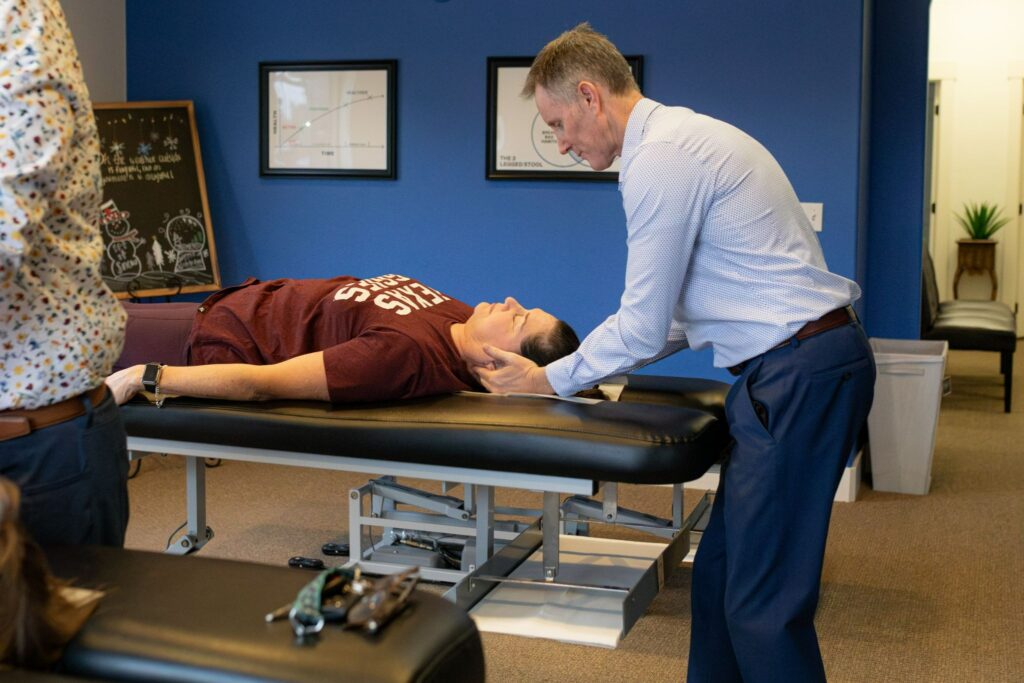

When it comes to managing pain, chiropractic care stands out as a powerful and effective option tailored to your individual needs. Our approach focuses on holistic wellness, ensuring that we not only address your pain but also promote your overall health. With personalized treatment plans and spinal adjustments at the core of our practice, we aim to restore balance to your body and enhance your quality of life.
Chiropractors utilize a variety of techniques to help you feel your best. Soft tissue therapies, for example, can relieve tension and improve circulation, while exercise rehabilitation empowers you to strengthen your body and prevent future injuries. But that’s just the beginning!
Here are some valuable strategies that may transform your experience with pain management:
- Spinal Adjustments: Regular adjustments can help realign your spine, reducing pain and improving your body’s ability to function properly.
- Soft Tissue Therapy: Techniques like massage or myofascial release can ease muscle tension and promote healing.
- Rehabilitation Exercises: Customized exercises strengthen the muscles that support your spine, helping you recover faster and prevent future pain.
- Nutritional Guidance: A balanced diet can play a key role in your overall health and pain management. We can provide tips on foods that reduce inflammation.
- Stress Management Techniques: Stress can contribute to pain. Incorporating relaxation techniques such as deep breathing or meditation can help.
- Posture Education: Learning how to maintain good posture can alleviate unnecessary strain on your body and reduce discomfort.
- Lifestyle Advice: Simple changes in your daily routine, like taking breaks during long periods of sitting, can make a big difference.
- Hydration Tips: Staying hydrated supports joint health and can help alleviate pain.
- Sleep Hygiene: Quality sleep is crucial for healing. We can offer advice on creating a restful sleep environment.
- Regular Check-Ups: Consistent visits to your chiropractor can help maintain your health and catch any issues before they become serious.
By embracing these natural methods, you can take an active role in your pain management and overall health. Chiropractic care is designed to help you achieve optimal wellness without the need for medications or surgeries. Remember, your journey to a pain-free life starts with understanding your body and making informed choices. We’re here to guide you every step of the way!
Personalized Treatment Plans
When you visit me for pain management, you can expect a personalized treatment plan tailored just for you. I’ll begin by taking the time to understand your medical history and the specifics of your pain during a thorough assessment. This step is crucial, as it allows me to get to the bottom of what’s causing your discomfort.
From there, I’ll create a treatment plan that might include a variety of gentle, non-invasive techniques, lifestyle changes, and exercises designed to fit your unique needs. It’s important to know that your plan may change over time. As we work together, I’ll monitor your progress and adjust your treatments to ensure you’re getting the best possible care.
My goal isn’t just to relieve your pain but also to enhance your overall well-being through holistic approaches. By focusing on your individual circumstances, I empower you to take an active role in your healing journey.
Here are some general tips you can incorporate into your daily routine to help support your health:
- Stay Active: Regular movement can help keep your spine healthy. Simple activities like walking or stretching can make a big difference.
- Maintain Good Posture: Pay attention to how you sit, stand, and sleep. Proper posture can alleviate unnecessary strain on your spine.
- Stay Hydrated: Drinking enough water is essential for overall health and can help keep your joints lubricated.
- Practice Stress-Relief Techniques: Consider incorporating practices like deep breathing, yoga, or meditation to reduce tension and promote relaxation.
- Get Adequate Sleep: Ensure you’re getting enough restful sleep, as this is vital for your body’s healing processes.
With my personalized approach to chiropractic care, you can feel confident that you’re taking the right steps toward optimal health and natural wellness. Together, we can work towards alleviating your pain and enhancing your quality of life without the need for surgeries or medications.
Spinal Adjustments
As your local chiropractor, I want to share how spinal adjustments can be a vital part of your journey toward optimal health and wellness. These gentle, targeted manipulations of the spine are designed to restore balance and function to your body, helping you feel your best naturally.
Here are three key benefits of spinal adjustments that you may find helpful:
- Pain Relief: One of the most immediate benefits of spinal adjustments is the relief from discomfort. By addressing misalignments in your spine, we can reduce pressure on nerves and muscles, leading to less pain in your back, neck, and other areas. This non-invasive approach can help you avoid the need for medications or surgeries.
- Improved Range of Motion: When your spine is properly aligned, you’ll notice an increase in your flexibility and movement. This means you can enjoy daily activities—like playing with your kids, exercising, or simply bending down to tie your shoes—without pain holding you back.
- Enhanced Nervous System Function: Your spine houses the nervous system, which influences every function in your body. Proper alignment supports better communication between your brain and body, leading to improved overall health. This means you may experience benefits such as better sleep, enhanced energy levels, and a stronger immune system.
Incorporating spinal adjustments into your treatment plan empowers you to take control of your health journey. Remember, regular chiropractic care is a proactive way to maintain your well-being and prevent future issues.
Here are some general tips to enhance your spinal health:
- Stay Active: Regular physical activity strengthens your muscles and supports spinal health. Aim for activities that get you moving, like walking, swimming, or yoga.
- Practice Good Posture: Whether sitting at a desk or standing in line, be mindful of your posture. Keeping your spine aligned can prevent unnecessary strain.
- Stay Hydrated: Drinking plenty of water supports your overall health, including the health of your spinal discs.
Soft Tissue Therapy
Soft tissue therapy is a vital component of your recovery and overall well-being, especially when it comes to managing pain and improving mobility. This hands-on approach focuses on the muscles, ligaments, and tendons in your body, aiming to relieve tension and enhance circulation. Techniques such as massage, myofascial release, and trigger point therapy are often used to address soft tissue dysfunction, but it’s important to remember that the best way to ensure your body heals effectively is through chiropractic care.
Chiropractic care not only addresses soft tissue issues but also focuses on spinal health, which is essential for your overall wellness. When your spine is aligned and functioning properly, it can lead to improved nerve function, reduced pain, and enhanced mobility. By integrating soft tissue therapy with chiropractic adjustments, you can optimize your healing process naturally without relying on medications or surgeries.
Here are a few tips to help you enhance your recovery and promote natural wellness:
- Stay Active: Gentle movements, stretching, and regular physical activity can keep your muscles and joints healthy.
- Proper Posture: Be mindful of your posture throughout the day, whether you’re sitting at a desk or standing. Good posture can alleviate strain on your spine and soft tissues.
- Hydrate: Drinking plenty of water is essential for muscle recovery and overall health.
- Rest and Recovery: Give your body the time it needs to heal. Listen to your body and take breaks when necessary.
- Regular Chiropractic Visits: Make visits to your chiropractor a regular part of your wellness routine. This will help maintain spinal alignment and support your soft tissue health.
By choosing chiropractic care as your primary approach to health and wellness, you can achieve optimal results in pain relief and overall well-being.
Exercise Rehabilitation
Integrating exercise rehabilitation into your recovery plan is a fantastic way to amplify the benefits of soft tissue therapy and chiropractic care. By including personalized exercises tailored to your specific needs, you can boost your strength, enhance flexibility, and improve your overall function. This not only helps alleviate pain but also plays a key role in preventing future injuries.
Here are three essential components of an effective exercise rehabilitation program that can complement your chiropractic care:
- Strength Training: Building muscle strength is crucial for supporting your joints and enhancing stability. When your body is stronger, it can handle daily activities with less strain, which reduces discomfort and promotes better overall health.
- Flexibility Exercises: Incorporating stretching into your routine can significantly improve your range of motion and alleviate muscle tightness. This promotes better movement mechanics, making everyday tasks easier and more comfortable.
- Functional Movements: Engaging in exercises that replicate daily activities can help you perform your usual tasks with greater ease and less pain. Think of squats, lunges, or reaching exercises that mimic what you do in your day-to-day life.
Remember, chiropractic care is all about natural healing and achieving optimal health without the need for surgeries or medications. By embracing these exercise rehabilitation techniques alongside your chiropractic treatments, you’re taking a proactive step towards a healthier, pain-free life.
Always consult with your chiropractor to ensure your exercise plan aligns with your individual health needs. Together, you can create a holistic approach to wellness that works for you!
Nutritional Counseling
Nutritional counseling can have a profound impact on your wellness journey, especially when combined with chiropractic care. By paying attention to the foods you consume, you can boost your body’s healing abilities and support pain management naturally.
As a chiropractor, I can help you uncover any nutritional gaps and suggest dietary adjustments that enhance your overall health. Incorporating anti-inflammatory foods, such as colorful fruits, vibrant vegetables, and healthy fats, into your meals can significantly reduce pain and aid in recovery.
Staying well-hydrated is also crucial; drinking plenty of water helps keep your joints functioning properly and reduces stiffness, allowing you to move more freely. I may also recommend certain natural supplements to help with any nutritional deficiencies or to support your body’s overall needs.
By making informed choices about what you eat, you empower yourself to take charge of your pain management. Collaborating with me on your dietary habits can lead to a holistic approach that not only alleviates pain but also promotes your overall health and well-being.
Here are a few simple tips to consider:
- Aim to fill half your plate with fruits and vegetables at every meal.
- Choose whole grains instead of refined grains for added nutrients.
- Incorporate healthy fats like avocados, nuts, and olive oil into your diet.
- Make sure to drink water throughout the day—aim for at least 8 glasses!
By embracing these dietary changes alongside chiropractic care, you’ll be on your way to achieving optimal health and a pain-free life.
Lifestyle Modifications
While dietary choices are important, the way you live your life can significantly impact your pain management and overall health. Small changes to your daily routine can make a big difference in how you feel.
Here are three key lifestyle modifications to consider that align perfectly with chiropractic care for achieving optimal wellness:
1. Regular Exercise: Engaging in low-impact activities such as walking, swimming, or yoga can be incredibly beneficial. These exercises not only strengthen your muscles but also enhance flexibility, which is crucial for alleviating pain.
Incorporating regular movement into your day complements chiropractic adjustments and helps maintain spinal health.
2. Stress Management: Stress can take a toll on your body, leading to increased tension and discomfort. Techniques like deep breathing, meditation, or mindfulness can help you unwind and reduce stress levels.
Lowering stress makes it easier to manage pain, and when combined with chiropractic care, it can enhance your overall sense of well-being.
3. Sleep Hygiene: Quality sleep is essential for recovery and pain relief. Establishing a consistent sleep schedule and creating a soothing bedtime environment can help you get the rest you need.
Proper sleep supports your body’s healing processes, and when paired with chiropractic treatment, it can lead to even better results.
By focusing on these lifestyle changes, you can enhance the benefits of chiropractic care and work towards a healthier, pain-free life.
Electrical Stimulation
When it comes to managing pain naturally, electrical stimulation is a remarkable tool that can complement the benefits of chiropractic care. This technique utilizes low-voltage electrical currents to stimulate muscles and nerves, offering relief from both acute and chronic pain. Many patients find it particularly effective for common issues like back pain, arthritis, and sports injuries.
During a chiropractic session, your chiropractor may place electrodes on targeted areas of your body. These gentle electrical impulses can help block pain signals, reduce inflammation, and encourage muscle relaxation.
What’s great about this method is that it’s non-invasive and can be easily combined with other chiropractic treatments to enhance your healing journey.
One of the best parts of electrical stimulation is that it can be tailored to suit your individual needs. Your chiropractor can adjust the intensity and duration to ensure you feel comfortable throughout the process. If you’re interested in how electrical stimulation might fit into your pain management strategy, take the opportunity to discuss it with your chiropractor during your visit. They’re there to help you understand how this technique can support your unique path to wellness.
In addition to exploring electrical stimulation, here are some general tips for maintaining a healthy spine and promoting overall wellness:
- Stay Active: Regular movement is essential for spinal health. Aim for a mix of stretching, strengthening, and aerobic exercises.
- Practice Good Posture: Be mindful of your posture whether you’re sitting, standing, or lifting. Proper alignment can prevent strain on your spine.
- Hydrate: Drinking plenty of water helps to keep the discs in your spine hydrated and functioning properly.
- Get Enough Rest: Quality sleep is crucial for recovery. Make sure your mattress supports your spine well.
- Listen to Your Body: Pay attention to any signs of discomfort. Early intervention can prevent more significant issues down the line.
Heat and Cold Therapy
When managing pain, incorporating heat and cold therapy can be incredibly effective tools alongside chiropractic care. As a chiropractor, I often recommend these methods to help my patients find relief naturally.
Heat therapy is excellent for relaxing your muscles and improving blood flow, which can enhance the healing process. On the other hand, cold therapy is great for reducing inflammation and numbing sharp pain, helping you feel more comfortable.
Sometimes, using both heat and cold in combination can provide even greater relief, especially when dealing with chronic pain or injuries. For example, you might start with cold therapy to reduce swelling and then switch to heat therapy to relax tense muscles afterward.
Here are a few simple tips to help you effectively use heat and cold therapy:
- Heat Therapy: Use a heating pad or warm towel on sore areas for about 15-20 minutes. This can be especially beneficial before stretching or chiropractic adjustments to loosen tight muscles.
- Cold Therapy: Apply a cold pack wrapped in a cloth for 10-15 minutes to avoid frostbite. This is particularly helpful immediately following an injury or after a chiropractic adjustment to minimize inflammation.
- Listen to Your Body: Pay attention to how your body responds to heat and cold. If something doesn’t feel right, it’s best to stop and consult with your chiropractor.
- Stay Hydrated: Drinking plenty of water can help your body recover and maintain flexibility, enhancing the benefits of both therapies.
Remember, while heat and cold therapy can be incredibly beneficial, they work best when combined with regular chiropractic care. Chiropractic adjustments help align your spine and improve overall function, which can lead to more effective pain management.
Benefits of Heat Therapy
Heat therapy is an excellent method for managing pain and is a powerful complement to chiropractic care. When you apply heat to a sore spot on your body, it helps increase blood flow, which can promote healing and reduce stiffness.
Here are three important benefits of incorporating heat therapy into your wellness routine:
- Muscle Relaxation: Heat can work wonders for tense muscles. By soothing tightness, it makes it easier for you to move around and helps lessen discomfort. Consider using a warm towel or heating pad for a comforting experience.
- Pain Relief: Applying heat can often lead to pain relief. The warmth can interrupt pain signals sent to your brain, allowing you to feel more comfortable. Just remember, it’s important to avoid applying heat for too long to prevent burns—aim for about 15-20 minutes.
- Enhanced Flexibility: Heat therapy can improve flexibility in your muscles and joints, which is essential for recovery and can help you move more freely. Gentle stretching after heat application can further enhance this benefit.
Incorporating heat therapy into your daily routine can offer significant relief and promote overall wellness.
As a chiropractor, I encourage you to explore this natural approach to pain management alongside your chiropractic treatments.
Advantages of Cold Therapy
While heat therapy is well-known for its benefits in pain management, cold therapy is equally important when it comes to reducing discomfort and inflammation. When you apply cold therapy, it helps constrict blood vessels, which can numb the area and ease sharp pain. This technique is especially useful for acute injuries, like sprains or strains, and can be a great addition to your recovery plan alongside chiropractic care.
Cold therapy can also minimize swelling, promoting quicker recovery times and allowing you to get back to your daily activities with less discomfort. Using ice packs or cold compresses for about 15-20 minutes at a time can be highly effective, just remember to protect your skin with a cloth or towel.
Additionally, cold therapy can help reduce muscle spasms and enhance your overall mobility, which is essential for maintaining a healthy spine and body. By integrating cold therapy into your pain management routine, you can complement the benefits of chiropractic care and support your body’s natural healing process.
Here are a few tips to keep in mind:
- Always apply cold therapy after an injury to help reduce inflammation.
- Limit your cold application to 15-20 minutes to avoid skin damage.
- Combine cold therapy with gentle stretches and chiropractic adjustments to optimize your recovery.
Combining Heat and Cold
Combining heat and cold therapies can be a powerful tool in managing pain and promoting recovery, especially when paired with chiropractic care. These therapies work together to reduce inflammation, enhance circulation, and relax tight muscles. By alternating between heat and cold, you can better address various aspects of your discomfort.
Here are three simple ways to incorporate this method into your daily routine:
- Begin with cold therapy: Use an ice pack or a bag of frozen vegetables wrapped in a cloth for 15-20 minutes. This helps numb the area and reduces any swelling. It’s a great way to alleviate pain before you start your day or after any physical activity.
- Transition to heat therapy: After the cold treatment, switch to a heating pad or a warm towel. This will help improve blood flow to the area and ease any stiffness you may feel. It’s especially beneficial after a long day or if you’re experiencing muscle tension.
- Repeat as necessary: Throughout your day, alternate between heat and cold as needed. Just remember to give your skin some breaks to avoid irritation. This routine can complement your chiropractic adjustments and enhance your overall pain management strategy.
By integrating these techniques into your wellness routine alongside regular chiropractic care, you can achieve more effective pain relief and support your body’s natural healing process.
Always listen to your body, and don’t hesitate to consult with your chiropractor to tailor these methods to your specific needs.
Posture Correction
Proper posture isn’t just about standing tall; it’s a cornerstone of your overall health and well-being. As a chiropractor, I’ve seen firsthand how good alignment can significantly enhance pain management and promote natural healing.
In this article, I’ll share effective techniques you can easily incorporate into your daily routine to improve your posture, along with the long-term benefits that come from maintaining it.
By making simple adjustments, you can experience lasting changes in how you feel. Here are some tips to get you started:
- Be Mindful of Your Alignment: Whether you’re sitting at your desk or standing in line, pay attention to your posture. Keep your shoulders back, head up, and spine straight. This simple awareness can help reduce strain on your muscles and joints.
- Strengthen Your Core: A strong core supports your spine and helps maintain good posture. Incorporate exercises like planks and bridges into your routine to build strength in your abdominal and back muscles.
- Use Ergonomic Furniture: If you spend long hours at a desk, consider investing in an ergonomic chair that supports your lower back. Adjust your computer screen to eye level to prevent neck strain.
- Take Breaks and Move: Standing up and stretching every 30 minutes can do wonders for your posture. Simple stretches can relieve tension and keep your spine flexible.
- Chiropractic Care: Regular visits to a chiropractor can help align your spine, relieve pain, and educate you on maintaining good posture. Chiropractic care not only addresses existing issues but also prevents future problems, ensuring your body functions optimally.
Remember, achieving and maintaining good posture is a journey. By making these small changes and considering chiropractic care as part of your wellness routine, you can pave the way for a healthier, pain-free life.
Let’s work together to enhance your well-being through proper alignment and natural healing!
Importance of Proper Posture
Good posture is crucial for your overall health and well-being, significantly affecting everything from how your spine is aligned to the quality of your breathing.
When you maintain proper posture, you not only alleviate strain on your muscles and joints, but you also enhance the function of your internal organs.
As a chiropractor dedicated to promoting natural healing and healthier living, I want to share three key benefits of good posture and how chiropractic care can help you achieve it:
1. Pain Reduction: Maintaining proper alignment of your spine minimizes discomfort, particularly in areas like the neck, back, and shoulders.
Regular chiropractic adjustments can help keep your spine aligned, reducing pain and preventing future issues.
2. Enhanced Breathing: Good posture opens up your chest, which allows for deeper and more effective breaths.
This is essential not only for oxygen intake but also for overall vitality.
Chiropractic care can support optimal posture, enabling you to breathe easier and feel more energized.
3. Increased Confidence: Standing tall with good posture can significantly boost your self-esteem and positively influence how others perceive you.
When your body feels good, your confidence naturally shines through.
Chiropractic adjustments can help you achieve that confident stance by ensuring your spine is properly aligned.
Here are some general tips to help you maintain good posture throughout your day:
– Be Mindful of Your Sitting Position: When working at a desk, keep your feet flat on the floor and your back supported by your chair.
Take regular breaks to stretch and realign your body.
- Strengthen Your Core: Engaging in exercises that strengthen your core muscles can provide better support for your spine, promoting good posture.
- Wear Supportive Footwear: Choosing shoes that provide proper support can help maintain alignment from the ground up, reducing strain on your back and joints.
By prioritizing good posture and seeking regular chiropractic care, you can pave the way to a healthier, pain-free lifestyle.
Techniques for Posture Improvement
Improving your posture is essential for spinal health and overall well-being, and chiropractic care plays a pivotal role in achieving this. As a chiropractor, I encourage you to be mindful of how you sit and stand throughout the day. Keeping your shoulders back and your spine straight can help prevent discomfort and promote better alignment.
Incorporating specific exercises can also be beneficial. Simple movements like planks and shoulder blade squeezes strengthen your core and upper back, which are crucial for maintaining a healthy posture. I often recommend integrating these exercises into your routine to support your spine naturally.
Using ergonomic furniture can make a significant difference in your posture as well. Opt for chairs that provide proper lower back support and ensure your computer screen is at eye level to reduce strain on your neck and back.
Don’t forget the importance of stretching! Regularly stretching can relieve tension, especially in tight areas like your neck and shoulders. This practice complements chiropractic adjustments by promoting flexibility and reducing discomfort.
Lastly, consider incorporating yoga or Pilates into your routine. These practices enhance body awareness and flexibility, making it easier to maintain proper posture throughout your day.
Long-term Benefits of Alignment
Maintaining good posture is crucial for not just your immediate comfort, but it also lays the groundwork for a healthier future. By prioritizing proper alignment, you’re investing in your long-term well-being.
Here are three significant benefits you can expect from good posture, along with some tips on how chiropractic care can help:
1. Reduced Pain: When you consistently practice good posture, you reduce the strain on your muscles and joints, which can lead to less chronic discomfort.
Chiropractic adjustments can help improve your spinal alignment and relieve tension, making it easier for you to maintain good posture throughout the day.
Remember, small changes like being mindful of your seating position or using ergonomic furniture can make a big difference!
2. Improved Functionality: Proper alignment allows your body to function more efficiently. This can enhance your physical performance in everyday activities, from lifting groceries to exercising.
Regular chiropractic care can ensure your spine is aligned, which can boost your mobility and flexibility.
Try incorporating gentle stretches and strengthening exercises that support your posture into your routine.
3. Better Mood and Mental Clarity: Good posture isn’t just about the body; it can significantly impact your mind as well.
Standing tall can increase your confidence and energy levels, contributing to better overall mental well-being.
Chiropractic adjustments can also help release pent-up stress and tension, which can improve your mood.
Practicing deep breathing and mindfulness can further enhance your mental clarity and emotional health.
Incorporating these tips into your daily life and considering chiropractic care can help you achieve optimal health and wellness.
Stress Management Techniques
Managing stress can feel overwhelming at times, but incorporating effective techniques into your daily routine can significantly improve your overall well-being and enhance your spinal health. One powerful method you can start with is deep breathing. Take a few moments to focus on your breath; inhale deeply through your nose and exhale slowly through your mouth. This simple practice calms your mind and helps reduce tension in your body, which can positively affect your spine’s alignment.
Another valuable technique is progressive muscle relaxation. By systematically tensing and then relaxing each muscle group, you can release built-up stress that often contributes to back pain and discomfort.
Regular physical activity is also crucial; whether it’s a brisk walk or gentle yoga, moving your body not only boosts your mood but also supports your spinal health.
Furthermore, don’t overlook the benefits of mindfulness or meditation. Spending just a few minutes each day practicing mindfulness can enhance your focus and emotional resilience, which are essential for maintaining a healthy lifestyle.
Incorporating chiropractic care into your routine can amplify these benefits. Chiropractors focus on aligning your spine to improve your body’s function and reduce pain naturally.
Conclusion
Incorporating chiropractic techniques into your pain management plan can significantly enhance your overall health. As a local chiropractor, I emphasize the importance of personalized treatments, spinal adjustments, and nutritional counseling tailored specifically to your needs. By focusing on the root causes of pain rather than just masking the symptoms, chiropractic care empowers you to take control of your well-being.
Here are some general tips to help you on your journey to a healthier, more active lifestyle:
- Stay Active: Regular exercise is key to maintaining a healthy spine and overall wellness. Simple activities like walking, stretching, or yoga can make a big difference.
- Maintain Good Posture: Pay attention to your posture while sitting, standing, and moving. Good posture can help prevent pain and discomfort.
- Stay Hydrated: Drinking plenty of water supports spinal health and helps keep your body functioning optimally.
- Eat a Balanced Diet: Incorporate whole foods, fruits, and vegetables into your daily meals. Nutrition plays a vital role in healing and maintaining health.
- Listen to Your Body: If something doesn’t feel right, don’t ignore it. Early intervention can prevent more serious issues down the line.
- Schedule Regular Adjustments: Regular chiropractic adjustments can keep your spine aligned and help prevent pain from returning.
- Manage Stress: Stress can manifest as physical pain. Techniques like deep breathing, meditation, or spending time in nature can help reduce stress levels.
- Get Enough Sleep: Quality sleep is essential for recovery and overall health. Create a comfortable sleep environment and aim for 7-9 hours each night.
- Educate Yourself: Knowledge is power! Understanding how your body works and the benefits of chiropractic care can motivate you to take an active role in your health.
- Seek Support: Surround yourself with supportive friends and family who encourage your journey towards better health.
By embracing these chiropractic strategies, you’ll be on your way to achieving optimal health naturally. Remember, chiropractic care is not just about treating pain; it’s about fostering a lifestyle of wellness and vitality.