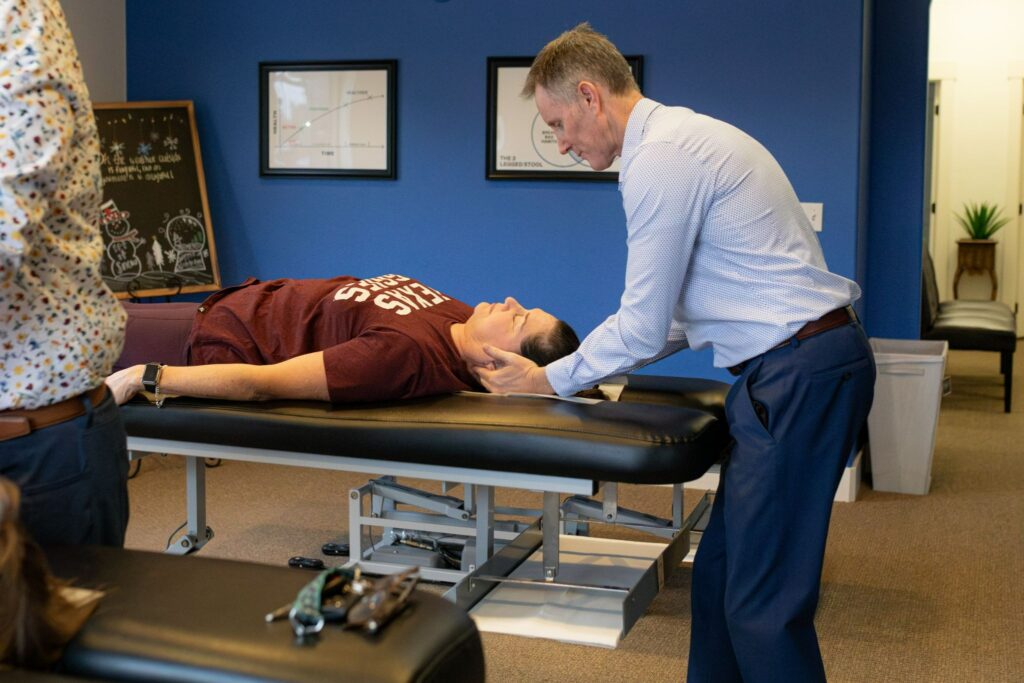

As a local chiropractor, I want to share how crucial your posture is in managing and treating back pain. Many people don’t realize that even small adjustments in how you align your body can significantly reduce discomfort and support your healing process. It’s not just about sitting up straight; there are several factors at play, including ergonomics, nerve function, and your everyday habits.
Understanding the connection between posture and back pain is essential for your recovery. By improving your posture, you can facilitate better nerve function and reduce strain on your muscles and joints. This knowledge can truly transform your healing journey. If you’re curious about how to implement these changes in your daily life, let’s dive into the five key ways posture influences your back pain treatment. Together, we can work towards a more comfortable and pain-free life!
The Connection Between Posture and Pain Severity
As a chiropractor, I often see patients who are unaware of the profound connection between posture and pain severity. When you slouch or maintain poor posture, it can significantly amplify your discomfort.
Your spine is designed to be in proper alignment, which allows for even weight distribution and minimizes stress on your muscles and ligaments. However, when you hunch over or sit with rounded shoulders, you create unnecessary tension, which can lead to discomfort and pain. This misalignment not only exacerbates existing issues but can also contribute to new ones.
Many of you may have noticed that certain activities—like sitting at a desk for hours or standing for long periods—can worsen your back pain if you’re not paying attention to your posture.
But here’s the good news: by making small adjustments, such as keeping your back straight and your shoulders relaxed, you can help alleviate some of that pain. It’s essential to be mindful of your posture throughout the day; this awareness can make a significant difference in how you feel.
As you prioritize good posture, you may find relief from discomfort and improve your overall well-being.
How Proper Alignment Aids in Muscle Recovery
As your local chiropractor, I want to emphasize the importance of maintaining proper alignment for your overall health and muscle recovery. Many people may not realize how crucial alignment is—not just for reducing pain, but also for helping your muscles recover effectively after physical activity or injury.
When your body is well-aligned, it allows your muscles to work optimally, which means less strain and tension on your body. This optimal positioning increases blood flow to the affected areas, ensuring that essential nutrients and oxygen are delivered right where they’re needed for healing.
By keeping your spine and joints in proper alignment, you reduce tension in the surrounding muscles. This not only helps prevent further injuries but can also speed up your recovery process. Moreover, good alignment supports better movement patterns, which can help you feel less fatigued during daily activities.
If you’ve recently participated in intense physical activity or experienced an injury, focusing on your alignment can significantly accelerate your recovery. Incorporating exercises that promote good posture into your routine can further enhance muscle healing, enabling you to return to your daily activities with greater comfort.
So, as you consider your health and recovery, remember that prioritizing proper alignment is key. Your muscles will appreciate the care, and you’ll likely notice an improvement in how you feel every day.
If you have any questions about how chiropractic care can support your muscle recovery, don’t hesitate to reach out!
The Role of Ergonomics in Everyday Posture
As a local chiropractor, I want to emphasize the importance of how you set up your workspace and daily environments in relation to your posture. Many people overlook this, but ergonomics plays a crucial role in maintaining a healthy spine and preventing discomfort. A well-designed workspace can help reduce strain on your back and neck, which is vital for your overall well-being.
For example, it’s essential that your chair offers adequate support for your lower back, and that your feet are flat on the floor. Positioning your computer monitor at eye level is also key to preventing you from hunching over, while keeping your keyboard close enough allows your elbows to remain at a comfortable 90-degree angle.
But it’s not just your workspace that matters; your posture during daily activities is equally important. Whether you’re cooking, driving, or using your phone, being mindful of your body’s alignment can significantly impact your posture and reduce the risk of developing back pain.
Even small adjustments in how you hold your body can lead to substantial improvements. By prioritizing ergonomic principles in your daily life, you can create a healthier and more supportive environment for your body.
As your chiropractor, I encourage you to take these steps seriously, as they can greatly enhance your comfort and overall health. Together, we can work towards a pain-free lifestyle.
Posture’s Influence on Nerve Function and Pain Perception
As a local chiropractor, I want to share with you how your posture can significantly impact your nerve function and how you experience pain.
When your body isn’t aligned properly, it can lead to nerve compression and irritation, which can result in discomfort or even amplify the pain you feel. For instance, if you find yourself slouching or sitting in an awkward position, you may be putting unnecessary pressure on your spinal nerves. This misalignment can disrupt the flow of nerve impulses, leading to sensations such as numbness or tingling.
Additionally, poor posture can lead to increased muscle tension. When your muscles are tight, they can pull on your nerves and the surrounding structures, which can heighten your pain perception.
Techniques for Improving Posture During Daily Activities
As a local chiropractor, I want to share some essential techniques to help you improve your posture during your daily activities. Understanding and being mindful of your body mechanics can make a significant difference in your overall well-being.
Here are some practical tips you can easily incorporate into your routine:
- Sit Properly: It’s crucial to choose a chair that provides adequate support for your lower back. Make sure your feet are flat on the floor, and your knees are at hip level. This simple adjustment can help maintain the natural curve of your spine.
- Stand Tall: When you’re standing, aim to distribute your weight evenly across both feet. Keep your shoulders back and your head in alignment with your spine. This posture not only improves your appearance but also reduces stress on your back and neck.
- Use Ergonomic Tools: Consider investing in ergonomic keyboards and mouse devices for your computer use. These tools are designed to reduce strain on your wrists and shoulders, ultimately promoting better posture and preventing discomfort.
- Take Breaks: Don’t forget to take regular breaks! Stand up, stretch, or take a short walk. These breaks help relieve tension in your muscles and encourage better posture throughout the day.
By incorporating these techniques into your daily life, you can enhance your posture, reduce discomfort, and promote overall health.
As your chiropractor, I’m here to support you on your journey to natural healing and well-being.
Conclusion
As a local chiropractor, I want to share how incorporating good posture into your daily routine can significantly enhance your back pain treatment. When you maintain proper alignment, you not only reduce muscle strain but also improve blood flow, which is crucial for recovery.
Making ergonomic adjustments in your workspace can play a vital role in preventing discomfort and injury. It’s important to be mindful of your posture throughout the day, as it supports nerve function and can help lessen your pain perception.
By adopting simple techniques, you can develop healthier movement patterns that promote recovery and minimize fatigue. Remember, prioritizing your posture is a key step toward achieving a pain-free future. Let’s work together to create a personalized plan that supports your journey to better health!