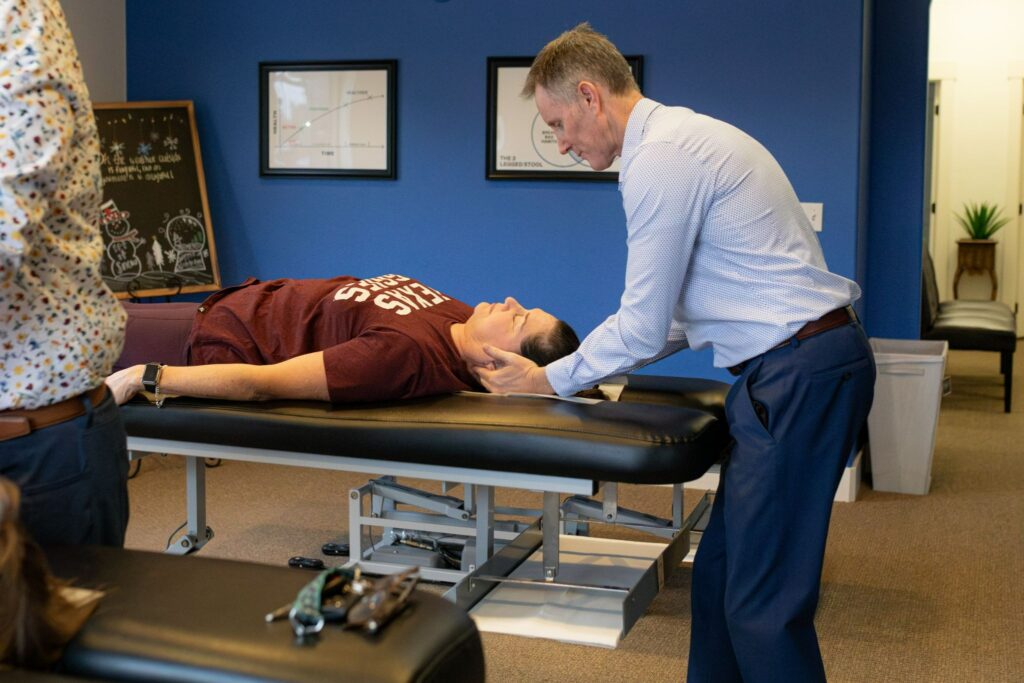

As a local chiropractor, I understand that many of you may be grappling with back pain, and I want to assure you that you’re not alone in this journey. Back pain is a common issue that affects countless individuals, and I believe that finding natural ways to alleviate it can be both effective and empowering for you.
By making a few simple adjustments to your daily routine, you can significantly support your spine and enhance your overall well-being. If you’re curious about practical strategies that can provide relief, I invite you to explore some effective methods that may positively impact your life. Together, we can work towards a healthier, pain-free future.
Maintain Good Posture
As your local chiropractor, I want to emphasize the importance of maintaining good posture for both preventing and alleviating back pain. When you sit, stand, or walk with proper alignment, you can evenly distribute your body weight, which helps reduce strain on your spine and muscles.
To support good posture, I recommend keeping your shoulders back and relaxed, and ensuring your feet are flat on the ground when seated. If you’re standing, it’s crucial to distribute your weight evenly across both feet.
When working at a desk, it’s important to adjust your chair and computer setup so that your monitor is at eye level, and your elbows are positioned at a 90-degree angle.
And let’s not forget about our phones—try to hold them at eye level to prevent hunching over, which can lead to discomfort over time.
Throughout your day, take a moment to check in with your body. If you catch yourself slouching, make an effort to correct your posture right away.
Exercise Regularly
As a local chiropractor, I want to emphasize the importance of regular exercise in managing and relieving back pain. Engaging in physical activity is crucial for strengthening your core muscles, which play a vital role in supporting your spine.
Incorporating stretching exercises into your routine will also enhance your flexibility, allowing your body to move more freely and reducing tension in your back.
I recommend focusing on low-impact activities, such as walking, swimming, or cycling. These exercises promote movement without placing excessive strain on your back, making them ideal for anyone dealing with discomfort.
Strengthening Core Muscles
As a local chiropractor, I understand that back pain can often feel overwhelming and discouraging. One of the most effective ways to alleviate this discomfort is by strengthening your core muscles through regular exercise. A strong core plays a crucial role in stabilizing your spine, which helps to reduce strain on your back.
I recommend incorporating exercises such as planks, bridges, and abdominal crunches into your routine. Aim for 2-3 sessions a week, and as you become more comfortable, gradually increase the intensity of your workouts.
It’s important to remember that engaging your core during daily activities—whether you’re standing, sitting, or even lifting objects—reinforces good posture and supports your spine.
Consistency is vital; even short workouts can lead to significant improvements over time. Always listen to your body and avoid pushing through any pain.
By building a solid foundation of core strength, you’ll not only find relief from back pain but also enhance your overall stability and mobility, making everyday tasks much easier and more comfortable.
If you have any questions about how chiropractic care can complement your core strengthening efforts, don’t hesitate to ask. Together, we can create a holistic plan to support your journey towards better health and well-being.
Stretching for Flexibility
As a local chiropractor, I want to emphasize that strengthening your core is just the beginning when it comes to managing back pain.
It’s equally crucial to prioritize stretching for flexibility. Regular stretching can be a game-changer in alleviating tension in your back and enhancing your overall mobility. I recommend focusing on stretches that specifically target your hamstrings, hip flexors, and lower back muscles.
Incorporating simple movements such as the cat-cow stretch or child’s pose into your daily routine can significantly improve your flexibility. When performing these stretches, make sure to hold each position for at least 15 to 30 seconds, and remember to breathe deeply—this helps to relax your muscles and allows for a more effective stretch.
Don’t feel overwhelmed; you don’t have to dedicate a long time to stretching all at once. Just a few minutes of stretching each day can lead to noticeable improvements.
Low-Impact Activities Recommended
As a local chiropractor, I want to emphasize the importance of engaging in low-impact activities to maintain an active lifestyle while minimizing strain on your back. These activities aren’t just beneficial for your physical health, they can also complement the natural healing processes we promote in chiropractic care.
Swimming is one of the best options available; it provides resistance without impact, allowing your muscles to strengthen while your body is supported by water. This makes it an ideal choice if you’re looking to improve your overall strength without risking injury.
Cycling—whether on a stationary bike or outdoors—can also be a great way to boost your cardiovascular health while building leg strength. It’s gentle on your joints and helps in maintaining a healthy weight, which is crucial for back health.
Don’t overlook the simplicity of walking. It’s a low-impact activity that can be easily tailored to your own pace and distance, making it accessible for everyone. Regular walking can help alleviate back pain and improve your mood.
Additionally, consider incorporating yoga or Pilates into your routine. These practices focus on core strength and flexibility, both of which are essential for a healthy spine. They can help you develop a better awareness of your body and improve your posture, which we know is vital for spinal health.
Always listen to your body during any activity. If you feel discomfort or pain, it’s important to modify your movements or take a break.
Regular low-impact exercise not only helps in reducing back pain but also enhances your overall well-being, which is at the core of what we strive for in chiropractic care. Let’s work together to find the best activities tailored for you!
Incorporate Stretching Techniques
As a local chiropractor, I want to share how incorporating stretching techniques into your daily routine can significantly alleviate back pain and enhance your flexibility. Many people are unaware that dedicating just a few minutes each day to stretching can have profound effects on your overall well-being.
Stretching serves as a natural way to loosen tight muscles, improve circulation, and promote better posture—all essential elements in reducing discomfort and enhancing spinal health.
Here are some effective stretches I recommend:
- Cat-Cow Stretch: This gentle flow between two positions helps warm up the spine and can be a great way to start your day.
- Child’s Pose: A restful position that stretches the lower back and hips, perfect for unwinding and relieving tension.
- Seated Forward Bend: This stretch focuses on the hamstrings while also providing a nice stretch for the spine, making it ideal for those who sit for extended periods.
- Knee-to-Chest Stretch: This stretch is fantastic for relieving tension in the lower back and glutes, which can often become tight due to daily activities.
- Standing Quad Stretch: This stretch opens up the hip flexors, which can counteract the effects of long hours spent sitting, thus promoting better mobility.
By making these stretches a part of your daily routine, you can actively contribute to reducing back pain and improving your overall mobility.
Use Heat and Cold Therapy
As a chiropractor, I often see patients struggling with back pain, and one of the most effective methods I recommend for relief is the use of heat and cold therapy. These natural approaches can significantly aid in your recovery journey and enhance your overall comfort.
Heat therapy is fantastic for relaxing tight muscles and improving blood circulation to the affected area. You can easily incorporate this into your routine with a heating pad, a warm towel, or even a soothing warm bath. Just be cautious to ensure that the heat source isn’t too hot to prevent any burns.
Conversely, cold therapy plays a crucial role in managing inflammation and alleviating sharp pain. Using ice packs or even a bag of frozen peas wrapped in a cloth can be incredibly beneficial. I typically advise applying cold therapy for about 15-20 minutes, particularly after any activities that may exacerbate your discomfort.
Many of my patients find that alternating between heat and cold therapy yields the best results. It’s essential to listen to your body; if one method doesn’t seem to provide relief, don’t hesitate to switch to the other.
Explore Mindfulness and Meditation
As your local chiropractor, I want to emphasize the important role that mindfulness and meditation can play in alleviating back pain. These practices can be incredibly beneficial in managing the stress and tension that often contribute to discomfort and pain in your back.
By incorporating mindfulness and meditation into your daily routine, you can enhance your overall well-being and find relief from your pain.
I encourage you to explore various techniques, such as deep breathing exercises, guided meditations, or mindful stretching, which can complement your chiropractic care.
These methods not only help in promoting relaxation but also foster a greater awareness of your body, allowing you to identify and address tension before it escalates into pain.
Together, we can work towards a holistic approach to your health that prioritizes both physical and mental wellness.
Benefits of Mindfulness
As a local chiropractor, I want to share with you the incredible benefits of practicing mindfulness, particularly when it comes to managing back pain. You mightn’t realize it, but being mindful can significantly improve your overall well-being.
When you focus on the present moment, you can effectively reduce the stress and tension that often lead to discomfort in your back. Mindfulness encourages you to tune into your body, allowing you to develop a greater awareness of your physical sensations. This can be a game-changer for those of you who are new to chiropractic care and natural healing methods.
Let me outline some key benefits of incorporating mindfulness into your daily routine:
- Reduces stress and anxiety levels: Lowering these feelings can help alleviate back pain.
- Enhances emotional regulation: Being mindful helps you manage your emotions, which can positively impact your physical health.
- Improves focus and concentration: A clearer mind can help you engage more effectively in your treatment and recovery process.
- Increases body awareness and connection: Understanding how your body feels can empower you to take better care of it.
- Promotes relaxation and better sleep: Quality rest is essential for healing and recovery, especially if you’re dealing with pain.
Incorporating mindfulness into your life can complement the chiropractic adjustments and treatments I provide, leading to a more holistic approach to your health.
Let’s work together to explore these techniques for a more balanced and pain-free life.
Meditation Techniques Explained
As a chiropractor, I want to share how mindfulness and meditation can be beneficial for your overall well-being and support your body’s natural healing processes.
To begin, it’s important to find a peaceful environment where you can relax without interruptions. Sit comfortably and close your eyes. Start by focusing on your breath—take a deep inhale through your nose, hold it for a moment, and then exhale slowly through your mouth. If you find your thoughts drifting, gently redirect your attention back to your breath.
You might also consider a body scan meditation, which involves mentally checking in with each area of your body and consciously releasing any tension. This practice can be especially helpful in alleviating back pain, as it promotes relaxation and awareness of your body.
Another technique worth exploring is loving-kindness meditation, where you cultivate positive thoughts and feelings towards yourself and others. Incorporating these meditation techniques into your routine not only helps to reduce stress but also complements chiropractic care by enhancing your body’s ability to heal and function optimally.
Incorporating Practice Daily
As a local chiropractor dedicated to enhancing your overall well-being, I want to share how incorporating mindfulness and meditation into your daily routine can significantly aid in managing back pain and improving your health.
By setting aside just a few minutes each day, you can create a peaceful environment that reduces stress and tension in your body, which is crucial for maintaining a healthy spine.
Here are some effective practices I encourage you to consider:
- Begin your day with a simple 5-minute breathing exercise to center yourself and prepare for the day ahead.
- Set reminders throughout your day to practice mindfulness during breaks, allowing yourself moments of calm amidst your busy schedule.
- Consider using guided meditation apps that offer structured sessions, making it easier to integrate this practice into your routine.
- Explore gentle movement practices like yoga or tai chi, which combine physical activity with mindfulness, benefiting both your body and mind.
- Take time to reflect on your day by maintaining a gratitude journal, helping to cultivate a positive mindset that supports your healing journey.
These practices not only complement chiropractic care but also empower you to take an active role in your health and wellness.
Consider Chiropractic Care
As a local chiropractor dedicated to your health and well-being, I want to introduce you to the benefits of chiropractic care, especially if you’re dealing with persistent back pain.
My focus is on diagnosing and treating issues related to your musculoskeletal system, with a strong emphasis on spinal alignment.
Through hands-on spinal manipulation, my goal is to restore your mobility and relieve your pain. Many of my patients experience significant relief after just a few sessions, which can truly transform how you go about your daily activities.
In addition to adjustments, I provide valuable guidance on maintaining proper posture, engaging in appropriate exercises, and optimizing your ergonomics. This empowerment can help you achieve a healthier spine for the long term.
My approach is holistic, meaning we not only target your pain but also address its underlying causes, fostering overall wellness.
Before we begin your treatment, I encourage open communication about your symptoms and medical history. This collaboration ensures that the care you receive is personalized and tailored to your needs, paving the way for a pain-free life.
Together, we can work towards achieving your health goals!
Try Acupuncture
As a local chiropractor, I want to introduce you to a complementary therapy that many of my patients have found beneficial for back pain relief: acupuncture. This ancient practice involves the insertion of thin needles into specific points on the body, a method that not only supports natural healing but can also enhance the effectiveness of your chiropractic care.
Acupuncture works by targeting specific energy pathways in the body, promoting healing and relieving pain. Here are some key benefits of incorporating acupuncture into your treatment plan for back pain:
- Reduces inflammation: Acupuncture can help decrease swelling and irritation in the areas affected by pain.
- Stimulates endorphins: This therapy boosts the production of your body’s natural pain-relieving chemicals, helping you feel better.
- Improves circulation: Enhanced blood flow is crucial for promoting healing and recovery from pain.
- Balances energy: By restoring harmony to your body’s energy pathways, acupuncture can help alleviate discomfort and pain effectively.
- Promotes relaxation: Stress can intensify back pain, and acupuncture helps to relieve that stress, contributing to your overall well-being.
If you’re seeking effective ways to manage your back pain, consider adding acupuncture to your routine. It can be a valuable step in enhancing your overall health and comfort.
Invest in a Supportive Mattress
As a local chiropractor, I want to emphasize the importance of selecting a supportive mattress, especially for those of you experiencing back pain. The quality of your sleep has a significant impact on your overall health and well-being.
A mattress that strikes the right balance between firmness and comfort is crucial; it helps maintain your spine’s natural alignment and alleviates pressure on sensitive areas.
If you find yourself waking up with stiffness or discomfort, it may be time to reconsider your mattress choice. When shopping for a new mattress, it’s important to think about your preferred sleeping position.
For instance, if you sleep on your side, softer mattresses can provide the necessary cushioning for your shoulders and hips. On the other hand, back and stomach sleepers typically require a firmer mattress to ensure proper spinal alignment.
I encourage you to take the time to test various mattresses in-store or utilize online trial periods to find the best fit for your needs.
Maintain a Healthy Weight
As a local chiropractor, I want to emphasize the importance of maintaining a healthy weight, particularly when it comes to managing back pain. Excess weight can add strain to your spine and the surrounding muscles, which may exacerbate discomfort. Carrying extra pounds often leads to poor posture and increased pressure on your joints, ultimately making back pain more challenging to cope with.
However, by adopting a holistic approach that includes a balanced diet and regular exercise, you can significantly reduce this burden on your body.
Here are some practical tips to help you maintain a healthy weight:
- Eat a balanced diet: Prioritize whole foods in your meals, such as fresh fruits, vibrant vegetables, lean proteins, and whole grains. These foods not only nourish your body but also support overall wellness.
- Stay hydrated: Drinking plenty of water is crucial for your overall health and can help boost your metabolism, aiding in weight management.
- Incorporate regular exercise: Aim for at least 150 minutes of moderate physical activity each week. Engaging in regular movement can improve your posture and strengthen the muscles that support your spine.
- Monitor portion sizes: Being mindful of portion sizes can help prevent overeating. It’s important to listen to your body’s hunger cues and eat accordingly.
- Get enough sleep: Quality sleep is vital for regulating the hormones that control hunger and weight. Prioritizing good sleep hygiene can help you maintain a healthy weight and, in turn, alleviate some of the pressure on your back.
By taking these steps, you can’t only work towards a healthier weight but also support your overall spinal health and well-being.
If you have any questions or need more guidance, don’t hesitate to reach out. Your journey to better health is important, and I’m here to help!
Practice Yoga or Pilates
As a local chiropractor, I want to share how practices like yoga and Pilates can significantly enhance your flexibility and strength, which are crucial for alleviating back pain.
Many of my patients have experienced a remarkable reduction in muscle tension and improved posture awareness through these exercises. This awareness is vital for maintaining long-term relief from discomfort.
By incorporating yoga or Pilates into your routine, you may discover a more comfortable, active lifestyle that complements the natural healing approach we emphasize in chiropractic care.
Embracing these practices can be a key component in your journey toward overall wellness.
Improves Flexibility and Strength
As a local chiropractor dedicated to your well-being, I want to share the benefits of incorporating yoga or Pilates into your routine, especially if you’re dealing with back pain. These practices can significantly enhance your overall health and play a crucial role in your recovery.
Both yoga and Pilates emphasize improving flexibility and building strength, which are vital for maintaining a healthy back. By committing to regular sessions, you may experience increased mobility and better spinal support, ultimately leading to less discomfort.
Here are some key benefits of integrating yoga or Pilates into your lifestyle:
- Enhances overall body flexibility: Improved flexibility can alleviate tension in the muscles surrounding the spine.
- Builds core strength for better posture: A strong core supports your spine, reducing the risk of back pain.
- Promotes balance, reducing the risk of injury: Better balance helps prevent falls and strains that can exacerbate back issues.
- Encourages mindful breathing, improving relaxation: Deep, mindful breathing can help reduce stress and tension in the body.
- Supports joint health through gentle movement: Both practices encourage gentle, controlled movements that can aid in joint mobility and health.
By integrating yoga or Pilates into your wellness routine, you’re not only taking steps to relieve back pain but also contributing to a stronger, more resilient body overall.
Reduces Muscle Tension
As a local chiropractor, I often emphasize the importance of incorporating practices like yoga or Pilates into your wellness routine. These methods can significantly reduce muscle tension, which is a common issue many of my patients face.
Both yoga and Pilates emphasize controlled movements and deep breathing techniques, which help to release tight muscles and calm your mind.
By practicing specific poses and stretches, you can effectively target areas of tension in your body, promoting better blood flow and fostering overall relaxation. This is crucial for maintaining a healthy spine and preventing pain.
Moreover, these practices encourage mindfulness, which enhances your awareness of your body’s signals. This heightened awareness can help you identify and address tension spots before they escalate into more serious discomfort.
Regular engagement in yoga or Pilates not only aids in immediate relief but can also lead to long-term benefits, making it easier for you to manage stress and muscle tightness over time.
So, I encourage you to roll out your mat, focus on your breath, and allow yourself to let go of that tension. This can lead to a more comfortable back and overall improved well-being.
If you have any questions about how chiropractic care can complement these practices, feel free to ask during your next visit!
Enhances Posture Awareness
As a local chiropractor, I want to share one of the significant benefits of incorporating practices like yoga or Pilates into your wellness routine: enhanced posture awareness.
By focusing on body alignment and core strength, you can experience noticeable improvements in how you hold yourself throughout the day. This increased awareness can foster better posture habits, ultimately reducing strain on your back and promoting overall spinal health.
Here are several ways that yoga and Pilates can contribute to improved posture:
- They strengthen core muscles, providing essential support for your spine and helping to prevent injuries.
- These practices increase flexibility, which allows for a greater range of motion and helps maintain proper alignment.
- Mindful breathing techniques are encouraged, promoting relaxation and reducing muscle tension that can negatively impact posture.
- You’ll learn body awareness, which is crucial for recognizing and correcting poor posture habits before they lead to discomfort.
- Both disciplines develop balance, contributing to overall stability and alignment, which is vital for maintaining a healthy spine.
I encourage you to embrace these practices as part of your journey toward better posture and overall wellness.
They can complement chiropractic care and support your body’s natural healing processes!
Conclusion
As a local chiropractor, I want to share some effective natural strategies that can help alleviate your back pain and improve your overall well-being. It’s important to understand that maintaining good posture is crucial—this means being mindful of how you sit, stand, and move throughout your day. Staying active is equally important; regular movement can help keep your spine healthy and flexible.
Incorporating stretching into your daily routine can also provide significant benefits. Gentle stretches can alleviate tension and improve mobility. Additionally, you might find relief through heat and cold therapy; using a heating pad or an ice pack can help reduce inflammation and promote healing.
Mindfulness practices, such as meditation or deep breathing exercises, can further assist in managing pain by reducing stress. Acupuncture is another option worth exploring; many patients have found it beneficial for pain relief.
Don’t underestimate the importance of your sleeping environment—investing in a supportive mattress can make a world of difference. Maintaining a healthy weight is also vital, as excess weight can place additional strain on your back.
Remember, consistency is key. By making these practices a regular part of your life, you can enjoy lasting benefits. If you have any questions or need further guidance, feel free to reach out—I’m here to help you on your journey to better health!