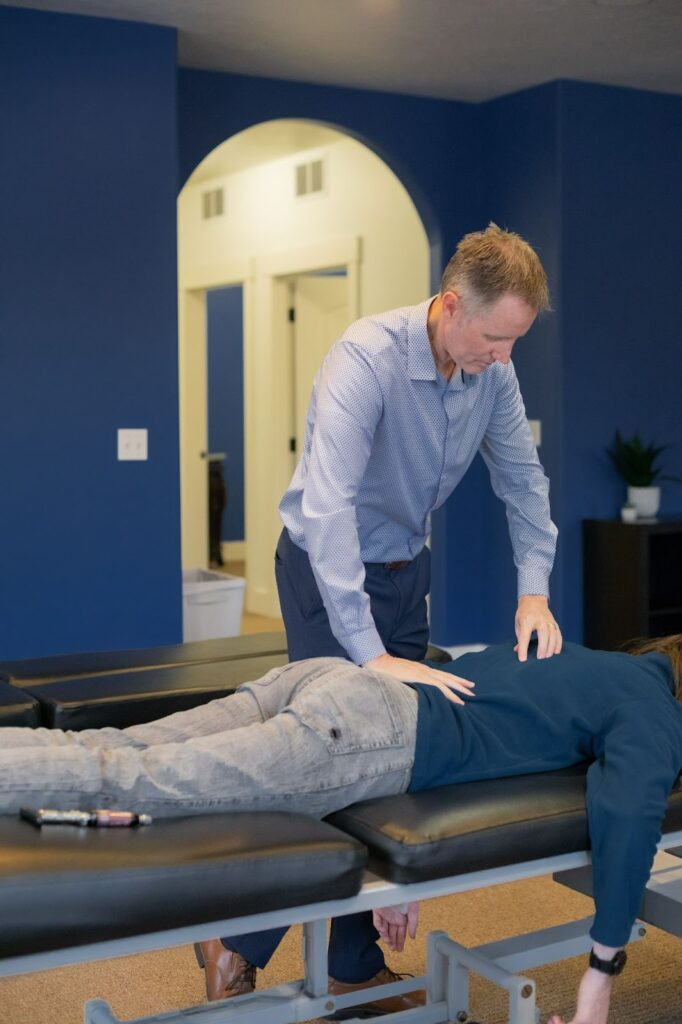

As a local chiropractor, I want to share with you the benefits of soft techniques for managing neck injuries. These gentle approaches, such as manual therapies and stretching, can be incredibly effective in promoting healing and relieving pain. Unlike more invasive treatments, soft techniques focus on enhancing your body's natural recovery processes. By incorporating these methods, not only can we improve your mobility, but we can also help you develop a stronger connection between your body and mind.
If you're curious about how these techniques can be integrated into your recovery plan, I'm here to guide you through the various options that may work best for your specific condition. Understanding and utilizing these soft techniques can play a vital role in your journey toward wellness. Let's explore how we can work together to support your healing.
Understanding Soft Techniques
As a local chiropractor, I want to share with you the incredible benefits of understanding soft techniques when it comes to managing neck injuries. These techniques can truly make a significant difference in your recovery journey.
Soft techniques focus on gentle, non-invasive methods that aim to alleviate pain and promote healing naturally. They often include a blend of manual therapy, stretching, and relaxation methods specifically designed to ease tension and enhance mobility.
A crucial aspect of soft techniques is the importance of listening to your body. I encourage my patients to recognize areas of discomfort and tightness, which allows for a more tailored approach to recovery.
Gentle manipulation of the neck can effectively release muscle tightness, improve blood flow, and reduce inflammation. Techniques such as myofascial release and gentle craniosacral therapy are particularly effective, as they promote the body's natural ability to release built-up tension without any forceful intervention.
Incorporating these soft techniques into your routine is simpler than you might think. Simple stretches and mindful breathing exercises can significantly aid your recovery process.
As you engage in these practices, you'll develop greater body awareness, enabling you to pinpoint stress points in your neck and surrounding areas.
Furthermore, understanding the principles behind soft techniques can empower you to take charge of your healing journey. By learning how these techniques work, you can adapt your approach to suit your unique situation.
Ultimately, embracing soft techniques offers a more effective and holistic recovery experience, helping you return to your daily activities with greater ease and comfort.
I'm here to support you every step of the way on your path to natural healing.
Benefits of Soft Techniques
As a local chiropractor, I want to share with you the remarkable benefits of soft techniques in managing neck injuries. These methods are designed to promote healing and restore balance to your body, making them an integral part of your recovery plan. By incorporating soft techniques into your treatment, you'll likely experience a significant reduction in pain and discomfort.
One of the standout advantages of these techniques is their non-invasive nature. Unlike surgeries or medications that can come with unwanted side effects and complications, soft techniques provide a gentle approach that allows your body to heal naturally. This often means quicker recovery times, so you can return to your daily activities sooner.
Additionally, you'll notice an improvement in your range of motion, which is crucial after sustaining a neck injury.
Soft techniques also contribute to your overall well-being. By alleviating muscle tension and fostering relaxation, they can help you manage stress, which often worsens when you're in pain. This holistic approach can lead to better sleep and a more optimistic outlook on life, both of which are vital components of the healing process.
Furthermore, these techniques help you develop a stronger mind-body connection. As you become more attuned to your body's signals, you'll be better equipped to prevent future injuries.
And because soft techniques are personalized, I can tailor your treatments specifically to your needs, ensuring you receive the most effective care possible.
Embracing soft techniques could be a transformative step in your journey toward healing, and I'm here to guide you every step of the way.
Types of Soft Techniques
As a local chiropractor, I want to share some valuable insights into soft techniques that can significantly aid in your recovery from neck injuries.
These approaches are designed to cater to your specific needs and preferences, helping you find the best path to healing. Here are three effective options:
1. Stretching: Incorporating gentle, targeted stretches into your daily routine can work wonders for improving flexibility and alleviating tension in your neck muscles.
These stretches aren't only beneficial for enhancing mobility but can also provide much-needed relief from discomfort.
2. Heat Therapy: Utilizing heat therapy can be an excellent way to promote blood flow and relax tight muscles.
Whether you choose a warm towel, a heating pad, or a soothing hot bath, applying heat can offer immediate comfort and support your recovery process.
3. Breathing Exercises: Don't underestimate the power of deep breathing techniques!
These exercises can be particularly helpful in managing pain and stress associated with neck injuries.
By encouraging relaxation, breathing exercises can further help to ease muscle tension and foster a holistic healing environment.
Understanding these soft techniques can empower you on your journey to recovery.
If you have any questions or would like personalized recommendations, feel free to reach out!
Massage Therapy
At our chiropractic clinic, we believe that massage therapy can be a transformative approach for individuals dealing with neck injuries. It plays a vital role in alleviating pain, reducing tension, and promoting healing by enhancing blood circulation in the affected area. When you receive a massage from our experienced therapists, they apply targeted pressure to the muscles and soft tissues surrounding your neck, significantly easing discomfort and helping to restore mobility.
During your massage session, our therapists will utilize specific techniques that may include Swedish massage or deep tissue therapy, tailored to your unique injury and pain level. If you're experiencing tightness or stiffness, these methods can effectively release muscle knots and help relax overworked tissues. You'll likely find that the gentle kneading and manipulation bring you a greater sense of comfort and relief.
We encourage open communication with your therapist about your pain levels and any particular areas that need special attention. This ensures that your massage experience is personalized and specifically suited to your needs.
Furthermore, massage therapy can also aid in reducing stress and enhancing your overall well-being, which is especially important as you recover from an injury.
Before starting any massage therapy, it's always wise to consult with us or your primary healthcare provider. Many of our patients find that massage therapy complements their chiropractic care and other rehabilitation methods effectively.
Stretching Exercises
As a local chiropractor, I want to emphasize the importance of stretching for maintaining neck flexibility and reducing tension.
Incorporating specific neck stretches into your daily routine can significantly enhance your mobility and help alleviate discomfort you may be experiencing.
It's essential to remember, however, that safety is key when it comes to stretching. I encourage you to approach these exercises mindfully to avoid any potential injuries.
Importance of Stretching
As a local chiropractor, I want to emphasize the importance of incorporating stretching exercises into your daily routine, especially if you're recovering from neck injuries.
Stretching not only alleviates pain but also enhances your overall mobility, which is essential for your daily activities. Here are three key reasons why stretching should be a priority for your recovery:
- Increases Flexibility: By regularly engaging in stretching, you can lengthen tight muscles and improve your range of motion. This makes it easier to move freely and comfortably throughout your day.
- Reduces Tension: Many neck issues stem from muscle tension, which can lead to discomfort and stiffness. Stretching is a natural way to release this tension, helping you feel more relaxed and at ease.
- Promotes Blood Flow: Stretching exercises stimulate circulation, which is vital for healing. Improved blood flow delivers essential nutrients and oxygen to the injured tissues, supporting your body's natural recovery processes.
By prioritizing stretching, you're taking an important step towards healing and maintaining your neck health.
If you have any questions or need guidance on specific stretches, feel free to reach out. Your wellness is our top priority!
Recommended Neck Stretches
As a local chiropractor, I want to share some valuable neck stretches that can support your recovery and enhance your flexibility. These stretches are simple to incorporate into your daily routine and can significantly benefit your neck health.
Let's start with the neck tilt. Whether you're seated or standing upright, gently tilt your head to one side, allowing your ear to move closer to your shoulder. Hold this position for about 15-30 seconds before switching to the other side. This stretch helps relieve tension and improves flexibility in the neck.
Next, we've the neck rotation. Turn your head to the right, as if you're looking over your shoulder, and hold for 15-30 seconds. Then, return to the center and repeat on the left side. This movement can enhance your neck's range of motion and is particularly beneficial if you spend long hours at a desk.
Another effective stretch is the chin tuck. While sitting or standing with a straight back, gently tuck your chin toward your chest, ensuring your shoulders remain relaxed. Hold this position for 15-30 seconds. This stretch not only helps with neck alignment but also strengthens the muscles that support your head.
Lastly, let's do the shoulder shrug. Raise your shoulders toward your ears, hold for a few seconds, and then release. This simple exercise can help alleviate tension that often builds up in the shoulders and neck area.
Incorporating these stretches into your daily routine can greatly enhance your neck's flexibility and reduce stiffness. Remember to listen to your body—if any stretch feels uncomfortable, it's important to ease off.
Regular practice of these stretches can lead to improved mobility and comfort in your neck, contributing to your overall well-being. If you have any questions or need further guidance, feel free to reach out!
Stretching Safety Tips
As a local chiropractor, I want to emphasize the importance of safety when it comes to neck stretching. While stretching can offer numerous benefits for your neck and overall health, it's crucial to approach it with care to avoid potential injuries.
Here are three essential safety tips I recommend:
- Start with a Warm-Up: Before you begin your neck stretches, take a few minutes to warm up your body. Engaging in light cardio, such as brisk walking or gentle shoulder rolls, can help prepare your muscles and enhance flexibility. This step is vital for safeguarding your neck.
- Listen to Your Body: Your body is your best guide. While stretching, pay close attention to how your neck feels. If you encounter any pain or discomfort, it's important to stop right away. Stretching should provide a gentle sensation, not pain. If you're unsure about what feels right, don't hesitate to ask for guidance.
- Avoid Bouncing Movements: When performing neck stretches, aim for slow and controlled movements. Bouncing can put unnecessary strain on your muscles and increase your risk of injury. Instead, hold each stretch for a minimum of 15-30 seconds to achieve optimal results without risking harm.
By keeping these safety tips in mind, you can enjoy the benefits of neck stretching while minimizing the risk of injury.
If you have any questions or would like personalized advice, feel free to reach out during your next visit!
Relaxation Techniques
As your chiropractor, I want to emphasize the importance of incorporating relaxation techniques into your routine to help alleviate neck pain. Many patients aren't aware of how beneficial practices such as deep breathing exercises, gentle stretching, and mindfulness meditation can be for their recovery.
These techniques not only help reduce tension in your neck but also promote overall healing in your body. Deep breathing exercises can help calm your nervous system and release pent-up stress, while gentle stretching can improve flexibility and alleviate tightness.
Mindfulness meditation allows you to focus on the present moment, which can help you manage pain and improve your mental well-being. Understanding and utilizing these natural healing methods can be an essential part of your journey towards a pain-free life.
Let's explore how we can integrate these practices into your wellness plan for optimal recovery.
Deep Breathing Exercises
As a local chiropractor, I often encourage patients to explore natural and effective methods for managing tension and discomfort, particularly in the neck area. One such method is deep breathing exercises, which can be a powerful tool in alleviating stress and promoting relaxation.
Here are three key benefits of incorporating deep breathing into your daily routine:
- Increases oxygen flow: Deep breathing significantly boosts oxygen circulation throughout your body. This increase in oxygen can help relieve muscle tightness, particularly in the neck, allowing your body to feel more relaxed and rejuvenated.
- Promotes relaxation: When you engage in focused breathing, you activate your body's relaxation response. This process calms the mind and helps ease tension that often contributes to discomfort in the neck area.
- Improves posture: Practicing deep breathing regularly encourages a greater awareness of your body. This mindfulness can lead to improved posture, which is crucial in reducing strain and discomfort in your neck and spine.
To effectively perform deep breathing exercises, find a quiet space where you can be comfortable. You can either sit or lie down, placing one hand on your chest and the other on your abdomen.
Begin by inhaling deeply through your nose for a count of four, allowing your abdomen to rise as you fill your lungs. Hold your breath for a moment, and then exhale slowly through your mouth for a count of six.
Repeat this process several times. Many of my patients report a noticeable reduction in tension after practicing these exercises, making it a valuable addition to your self-care routine.
Embracing deep breathing can complement the benefits of chiropractic care and support your journey toward overall wellness.
Gentle Stretching Methods
As a chiropractor dedicated to your well-being, I want to share some gentle stretching methods that can complement the benefits of deep breathing and help alleviate neck tension.
It's important to start with a comfortable seated position—ensure your back is straight and your shoulders are relaxed, which sets the foundation for effective stretching.
Begin by gently tilting your head to the right, bringing your ear toward your shoulder. Hold this position for about 15-30 seconds, taking note of the stretch along the left side of your neck.
Afterward, switch sides and repeat the process. You can also incorporate a forward tilt by lowering your chin toward your chest, maintaining the same duration. This movement is particularly effective in relieving tightness in the back of your neck.
Next, let's address your shoulders. Try shoulder rolls by lifting your shoulders toward your ears, then rolling them back and down.
Repeat this motion several times to release any built-up tension in that area.
For a final stretch, extend your arms out to the sides and cross them in front of you, giving yourself a gentle hug. This not only aids in relieving neck tension but also helps to open up your upper back, which is important for overall postural health.
Throughout each of these stretches, be sure to breathe deeply.
Integrating these gentle methods into your routine can significantly enhance your neck's flexibility and reduce discomfort.
As you explore natural healing practices, remember that your body is capable of remarkable recovery, and we're here to support you on this journey.
Mindfulness Meditation Practices
Incorporating mindfulness meditation practices into your daily routine can significantly improve your relaxation and overall well-being, particularly when it comes to managing neck tension and stress. As a chiropractor, I often see how stress can manifest physically in the body, leading to discomfort and pain. By focusing your mind and cultivating awareness, you can alleviate some of that tension.
Here are three key benefits of mindfulness meditation that I encourage my patients to consider:
- Reduced Stress: Mindfulness meditation allows you to identify and manage your stressors, promoting a calmer state of mind which can directly impact muscle tension and discomfort in your neck and back.
- Improved Focus: Engaging in regular meditation enhances your concentration. This sharpened focus can help you tackle daily tasks with clarity, reducing the chances of repetitive strain or injury caused by distractions.
- Enhanced Emotional Health: Mindfulness fosters a positive mindset, helping to reduce anxiety and promote a sense of peace. This emotional balance can translate to physical relaxation, which is essential for optimal spinal health.
To start incorporating mindfulness meditation into your routine, find a quiet space where you won't be disturbed. Sit comfortably, close your eyes, and direct your attention to your breath.
When thoughts come to mind, acknowledge them without judgment, and gently guide your focus back to your breath. Begin with just five minutes a day, and as you grow more comfortable, gradually extend that time.
This simple practice can complement your chiropractic care and contribute to your overall healing journey.
Heat and Cold Therapy
As a local chiropractor, I want to share with you the benefits of heat and cold therapy for managing neck injuries and alleviating pain. These two methods complement each other beautifully, providing significant relief when used appropriately.
When you apply heat to your neck, it enhances blood flow to the area, which promotes muscle relaxation and helps to reduce stiffness. You might try using a heating pad, a warm towel, or even enjoying a warm shower. Just remember to limit the heat application to about 15-20 minutes at a time to prevent any risk of burns.
On the flip side, cold therapy is fantastic for reducing inflammation and numbing sharp pain. You can easily create a cold pack using an ice pack or even a bag of frozen vegetables wrapped in a cloth. I recommend applying cold therapy for about 10-15 minutes, allowing your skin to warm up in between sessions. This approach is especially effective immediately after an injury occurs.
I often advise my patients to alternate between heat and cold therapy for maximum benefit. Start with cold therapy to minimize swelling, then switch to heat to further relax the muscles and enhance blood circulation.
Pay attention to your body's response—some individuals may find one method more effective than the other, while others might enjoy the combination.
Always remember, it's important to consult with a healthcare professional, like myself, before embarking on any new treatment, especially if you're dealing with a severe or persistent neck injury.
Mindfulness and Meditation
As a local chiropractor, I want to share with you how mindfulness and meditation can play a significant role in your recovery from neck injuries and pain management. Many of my patients have found these techniques to be incredibly helpful in fostering a deeper connection with their bodies and emotions, which can lead to a more effective healing process.
Here are three specific ways that incorporating mindfulness and meditation into your routine can aid in your recovery journey:
- Pain Reduction: One of the first benefits you might notice is that mindfulness helps shift your attention away from the pain. By practicing mindfulness, you can learn to perceive discomfort in a different light, which often leads to a reduction in perceived pain levels. This shift can make it easier for you to manage your neck injury and promote a more optimistic outlook on your recovery.
- Stress Relief: It's well-known that stress can intensify pain. By integrating mindfulness into your daily life, you can effectively lessen the stress and tension held in your body, which often contributes to neck discomfort. A more peaceful mind results in a more relaxed body, creating an environment conducive to healing.
- Increased Body Awareness: Meditation encourages you to become more attuned to your body, helping you develop a greater awareness of your posture and movements. This heightened awareness can be critical in identifying and adjusting any habits that may be exacerbating your neck pain. Recognizing these patterns is key to both treatment and prevention.
To start incorporating these practices, I encourage you to set aside a few minutes each day for mindfulness or meditation. Find a comfortable position, close your eyes, and focus on your breath. As you breathe deeply, allow any tension in your neck to dissolve.
By gradually weaving these practices into your daily routine, you may discover that they not only alleviate pain but also enhance your overall sense of well-being.
As your chiropractor, I believe in a holistic approach that combines physical adjustments with mindful practices to support your healing journey. Together, we can work towards achieving your health goals.
Integrating Soft Techniques in Recovery
As a local chiropractor, I want to emphasize the importance of integrating soft techniques into your recovery plan for neck injuries. These gentle, natural approaches can significantly enhance your rehabilitation process and support your body's healing abilities.
To start, I recommend incorporating gentle stretching into your daily routine. Simple movements like neck rotations and side bends can help increase flexibility and improve blood flow, which are essential for recovery. Aim to hold each stretch for about 15-30 seconds, and remember to listen to your body—only go as far as feels comfortable.
Massage therapy is another beneficial component to consider. A licensed massage therapist can effectively target tense muscles and enhance circulation, which may lead to quicker healing. Additionally, you can try self-massage techniques using your fingertips or a massage ball to relieve tightness in your neck—this can be a great way to manage discomfort on your own.
Don't overlook the power of breathing exercises, either. Deep, diaphragmatic breathing can significantly reduce stress and tension, allowing your muscles to relax and promote healing. I advise setting aside a few minutes each day to practice slow, deep breaths—inhale through your nose and exhale through your mouth.
Rest is equally important in your recovery journey. Your body needs adequate sleep and regular breaks throughout your day to heal effectively. By embracing these soft techniques, you'll create a more holistic healing environment for yourself.
Conclusion
As a local chiropractor, I want to share how incorporating soft techniques into your recovery from neck injuries can significantly enhance your healing journey. Many patients are not familiar with these gentle methods, but they can make a world of difference. Techniques such as massage therapy, stretching, and mindfulness not only help relieve pain but also allow you to cultivate a deeper connection with your body.
These soft approaches promote improved mobility and relaxation, which are crucial for regaining strength and preventing future injuries. It's essential to understand that healing is a holistic process, and these techniques can complement chiropractic adjustments effectively. I encourage you to explore these methods as part of your recovery plan. Your neck will thank you, and you'll find yourself feeling more balanced and in tune with your body.