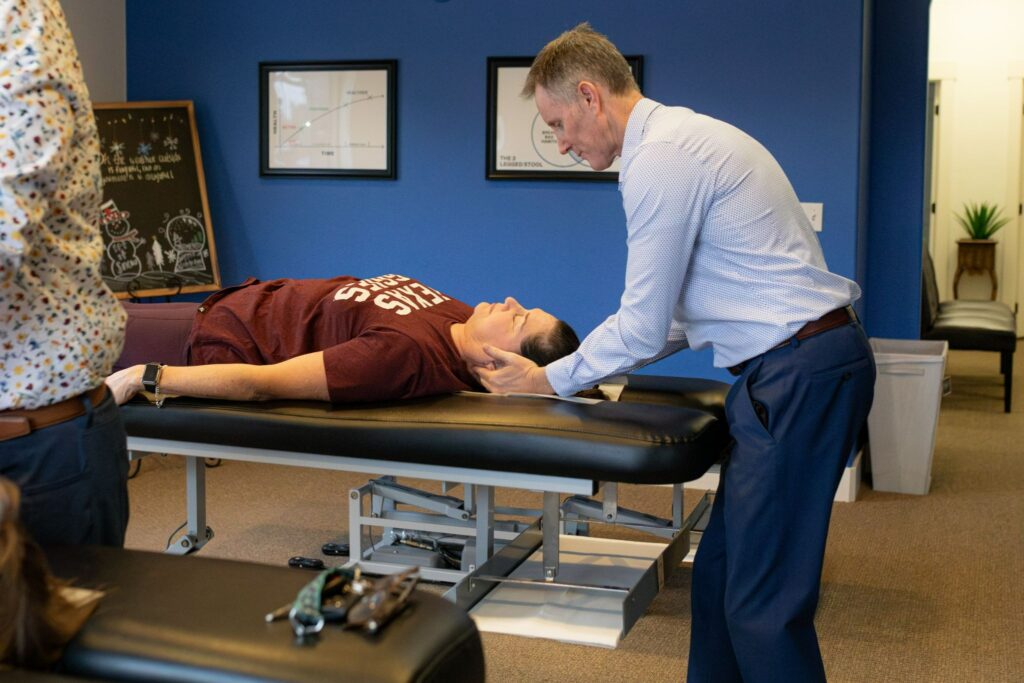

As a local chiropractor, I understand that many of you may be dealing with discomfort caused by poor posture, and I want you to know that you’re not alone in this challenge. Back pain is a common issue that arises from the ways we sit or stand during our daily activities. The good news is that there are natural and effective solutions available to help alleviate this discomfort.
One of the first steps I recommend is making ergonomic adjustments to your workspace. This can include using chairs that offer proper lumbar support, ensuring your computer screen is at eye level, and taking regular breaks to stand and stretch. These small changes can make a significant difference in your posture and overall comfort.
In addition to these adjustments, incorporating specific exercises into your routine can greatly enhance your posture and strengthen the muscles that support your spine. Simple stretches and strengthening exercises can be tailored to your individual needs and can help to relieve tension and promote better alignment.
As we explore these options together, I encourage you to consider how chiropractic care can play a role in your journey toward better posture and pain relief. Our approach focuses on natural healing methods that aim to restore balance and function to your body, providing you with the support you need to feel your best. Let’s work together to find the strategies that resonate with you and get you on the path to a healthier, pain-free life.
Understanding the Impact of Poor Posture
As your local chiropractor, I want to highlight the significant impact that poor posture can have on your body, particularly your back. When you slouch or hunch over, you place unnecessary strain on the muscles and ligaments that support your spine, which can lead to discomfort and pain.
It’s often subtle, but every time you lean forward or twist in an awkward way, you increase the pressure on your vertebrae and discs, potentially causing inflammation and tension. This ongoing stress can manifest as chronic pain, fatigue, and even headaches, making it difficult for you to enjoy daily activities.
If these habits persist, they can lead to misalignments in your spine that complicate your body’s natural healing process. It’s crucial to recognize these effects early on. By understanding how your posture influences your overall health, you can take proactive steps towards improvement.
Simple adjustments in your daily habits can make a significant difference in alleviating pain and enhancing your well-being. As your chiropractor, I’m here to guide you through these changes and help you achieve a healthier posture, ultimately leading to a more comfortable and active lifestyle.
Let’s work together to ensure that your spine remains aligned and your body feels its best.
Ergonomic Adjustments for Your Workspace
As a local chiropractor, I want to help you understand the importance of ergonomic adjustments in your workspace for better posture and to alleviate back pain.
One of the first steps you can take is to ensure that your chair is at the proper height, allowing your feet to rest flat on the floor. Additionally, it’s crucial to position your monitor at eye level to prevent straining your neck.
Your keyboard and mouse should also be within easy reach to minimize any unnecessary stretching or awkward movements.
Making these simple ergonomic changes can greatly enhance your posture and support your overall spine health throughout your workday.
Chair Height Optimization
As a chiropractor, I want to emphasize the importance of chair height in maintaining good posture and preventing back pain—especially for those of you who spend long hours at a desk.
To find the right chair height, start by sitting down with your feet flat on the floor and your knees bent at a 90-degree angle. Your thighs should be parallel to the ground, allowing your hips to comfortably rest against the back of the chair.
If you notice that your chair is too high, it’s a good idea to use a footrest to support your feet. On the other hand, if your chair feels too low, adjust it until your body aligns properly.
It’s crucial that your chair also provides adequate lumbar support to promote the natural curve of your spine.
By ensuring your chair is at the correct height, you not only enhance your comfort but also reduce the strain on your back, which is vital for your overall well-being.
Monitor Positioning Techniques
As a chiropractor, I often emphasize the importance of proper monitor positioning to help prevent neck and back strain, especially for those of you who spend long hours working at a desk.
It’s crucial to set your monitor at eye level, so you can look straight ahead without having to tilt your head up or down. Ideally, the screen should be positioned about an arm’s length away from your eyes to help reduce eye strain, especially if you wear glasses—be sure to account for your prescription when determining the optimal distance.
The top of your screen should be at or just below eye level. This placement helps keep your neck in a neutral position, which is vital for maintaining good posture.
If you find it difficult to achieve this setup, consider using a monitor stand or an adjustable arm to elevate your screen to the right height. Additionally, tilting the screen slightly back can help minimize glare and increase your comfort while you work.
Remember, it’s important to regularly adjust your monitor as needed to ensure an ergonomic setup. This small change can make a significant difference in supporting your posture during those long hours at your desk and can ultimately contribute to your overall well-being.
Taking these steps can help you avoid discomfort and support your body’s natural healing processes.
Keyboard and Mouse Placement
As a local chiropractor dedicated to your well-being, I want to emphasize the importance of a well-organized workspace in preventing posture-related back pain. One key factor in achieving this is the proper placement of your keyboard and mouse.
Ideally, your keyboard should be positioned at elbow height, allowing your forearms to remain parallel to the ground. This helps maintain a neutral wrist position while you type, keeping your wrists straight and relaxed.
Additionally, your mouse should be placed close enough to avoid reaching; it should sit right next to your keyboard. This simple adjustment can significantly reduce strain on your shoulders and neck, areas that are often affected by poor ergonomics.
It’s also crucial that your chair provides adequate support for your lower back, and that your feet rest flat on the floor. If possible, consider using a wrist rest to further enhance comfort and support.
By making these adjustments to your keyboard and mouse placement, you’re not just creating a more comfortable workspace; you’re also promoting better posture and reducing discomfort, which can lead to improved overall health.
Stretching and Strengthening Exercises
As a local chiropractor, I want to share with you the importance of incorporating stretching and strengthening exercises into your daily routine, especially if you’re experiencing posture-related back pain. These exercises can play a crucial role in your recovery and overall well-being.
Stretching is essential for relieving tension in your muscles, which can significantly improve your flexibility and reduce discomfort. I recommend focusing on stretches that target your lower back, hips, and shoulders. For example, the cat-cow stretch is a fantastic way to mobilize your spine, while the seated hamstring stretch can help alleviate tightness in your legs.
On the other hand, strengthening exercises are vital for building support around your spine, enhancing your stability. Incorporate core-strengthening exercises such as planks and bridges to fortify your abdominal and back muscles. Additionally, movements like wall angels can help improve your upper back strength and posture.
It’s important to create a balanced routine that includes both stretching and strengthening exercises. Consistency is key! I encourage you to set aside time each day to focus on these movements. By doing so, you may notice an improvement in your posture and a reduction in pain, which will allow you to move more freely and comfortably throughout your day.
Mindfulness and Body Awareness Techniques
As a local chiropractor, I want to share some valuable insights on managing posture-related back pain through mindfulness and body awareness techniques. Many of my patients find that incorporating these practices can greatly enhance their overall well-being.
To begin, I recommend starting with simple breathing exercises. These exercises can help you feel more grounded and relaxed, which is essential for maintaining good posture.
Once you’re in a calm state, try body scanning techniques. This involves paying close attention to different areas of your body to identify any tension or discomfort.
By tuning into your body in this way, you can significantly improve your awareness of how you hold yourself throughout the day. This increased awareness can lead to better posture and ultimately alleviate some of that nagging back pain.
Breathing Exercises
As a local chiropractor, I want to share with you the benefits of breathing exercises for improving your posture and alleviating back pain. Many people are unaware that focusing on your breath can significantly enhance your body awareness and help release tension stored in your muscles.
To get started, find a comfortable position, whether sitting or standing. Take a deep breath in through your nose, allowing your abdomen to expand fully, and then exhale slowly through your mouth.
As you engage in this breathing, I encourage you to visualize your spine lengthening and your shoulders relaxing. This simple practice not only encourages better posture but also fosters mindfulness, allowing you to become more aware of how you carry your body throughout the day.
Incorporating these breathing exercises into your daily routine can lead to a noticeable reduction in back pain, while also improving your overall well-being.
Body Scanning Techniques
As a local chiropractor, I want to highlight the incredible benefits of body scanning techniques for improving posture and alleviating back pain. Many people may not realize how powerful this mindfulness practice can be. By tuning into your body and focusing your attention on various areas, you can become aware of tension and discomfort that might be affecting your well-being.
To get started, find a comfortable position—whether sitting or lying down. Begin your scan at the top of your head and slowly work your way down to your toes. Pay close attention to areas where you feel tightness or pain, and consciously relax those muscles. This isn’t just passive observation; it’s an active engagement with your body that can lead to significant improvements.
Incorporating body scanning into your daily routine can help you identify poor posture habits and those nagging trigger points that contribute to discomfort. Over time, this practice enhances your overall awareness of your body, encouraging better alignment and providing relief from back pain.
I encourage you to give it a try—you might be pleasantly surprised by the positive changes you experience. Remember, your body has an amazing ability to heal itself, and techniques like body scanning can support that natural healing process.
The Role of Supportive Gear and Accessories
As a local chiropractor, I want to emphasize how crucial supportive gear and accessories can be in your journey toward better posture and reduced back pain. Many people underestimate the impact that the right equipment can have on their overall well-being.
Investing in ergonomic chairs and desks is essential, especially if you spend long hours sitting. These pieces of furniture are designed to provide your body with the support it needs, promoting a healthier posture.
A lumbar support cushion is another fantastic tool; it helps to maintain the natural curve of your spine and can significantly alleviate strain on your lower back.
Don’t overlook the importance of footrests and adjustable monitor stands. These accessories ensure that you’re positioned at the appropriate height, keeping your body aligned and reducing the risk of discomfort.
Moreover, wearing supportive footwear is vital, as it contributes to maintaining proper body alignment starting from the ground up.
For those who struggle with posture, consider using posture-correcting braces or straps as temporary aids. They can serve as helpful reminders to keep your shoulders back and your spine straight.
By incorporating these tools into your daily routine, you can experience noticeable improvements in your posture and a decrease in back pain. This, in turn, will allow you to move through your day with greater comfort and confidence.
Lifestyle Changes for Better Posture
As a local chiropractor, I want to share some valuable insights on how making conscious lifestyle changes can significantly improve your posture and overall well-being.
It’s essential to support your body’s alignment throughout the day, so let’s start with your workspace.
Evaluate your chair and desk height to ensure that your feet rest flat on the ground and your computer screen is at eye level. This simple adjustment can make a world of difference.
Remember to take regular breaks to stand, stretch, and move around, especially if you find yourself sitting for extended periods. These breaks help alleviate tension and promote better circulation.
Incorporating specific exercises into your routine can also be beneficial. Focus on strengthening your core and back muscles with exercises like planks and rows.
Additionally, practices such as yoga or Pilates can improve your flexibility and enhance your posture awareness.
Throughout your day, be mindful of your body positioning—imagine a string gently pulling you upward from the top of your head, encouraging an upright stance.
Footwear plays a crucial role in maintaining proper alignment as well. Choose supportive shoes that provide comfort and stability, as they help facilitate better posture.
By making these small yet impactful changes in your daily routine, you can greatly enhance your posture and reduce discomfort over time.
As your chiropractor, I’m here to guide you on this journey to better health and alignment.
When to Seek Professional Help
As a local chiropractor dedicated to your health and well-being, I want to help you understand when it might be time to seek professional care for your back pain. If you’ve been experiencing discomfort that lingers for more than a few weeks, it’s a good idea to schedule an appointment. Ignoring pain that worsens over time or radiates down your legs can be concerning, as these symptoms may indicate underlying issues that require attention.
If you find it challenging to carry out your daily activities, or if you’re experiencing sensations like numbness, tingling, or weakness, it’s crucial to consult with a healthcare professional. These signs can be indicative of conditions that benefit from chiropractic care, which focuses on natural healing and restoring balance to your body.
In cases where your pain results from an injury or accident, don’t hesitate to seek help right away. We can assess your situation and rule out serious complications such as fractures.
Additionally, if you notice any changes in bowel or bladder control, it’s important to seek care immediately, as these symptoms could signal a serious problem.
If you’ve tried over-the-counter remedies and made lifestyle adjustments without finding relief, a chiropractor can provide personalized advice and treatment options. Our approach emphasizes correcting posture and aligning the spine, which can significantly alleviate discomfort and promote overall wellness.
Conclusion
As a local chiropractor, I want to share some valuable insights on how to tackle posture-related back pain. It’s essential to understand that improving your posture and alleviating pain can be achieved through a variety of natural strategies.
First and foremost, making ergonomic adjustments in your workspace is crucial. This means ensuring that your desk, chair, and computer setup promote good alignment. Additionally, incorporating stretching and strengthening exercises into your daily routine can enhance your body’s resilience and flexibility.
Don’t underestimate the benefits of supportive gear, such as ergonomic chairs or lumbar support cushions, which can provide added comfort. Equally important is practicing mindfulness about your posture and taking regular movement breaks throughout the day to keep your body engaged and prevent stiffness.
If you find that your pain persists despite these efforts, I encourage you to seek professional help. Chiropractic care focuses on natural healing and can help identify underlying issues contributing to your discomfort. By taking these steps, you can work towards achieving a healthier posture and a more pain-free life. Remember, your well-being is a priority, and there are effective, non-invasive solutions available to you.