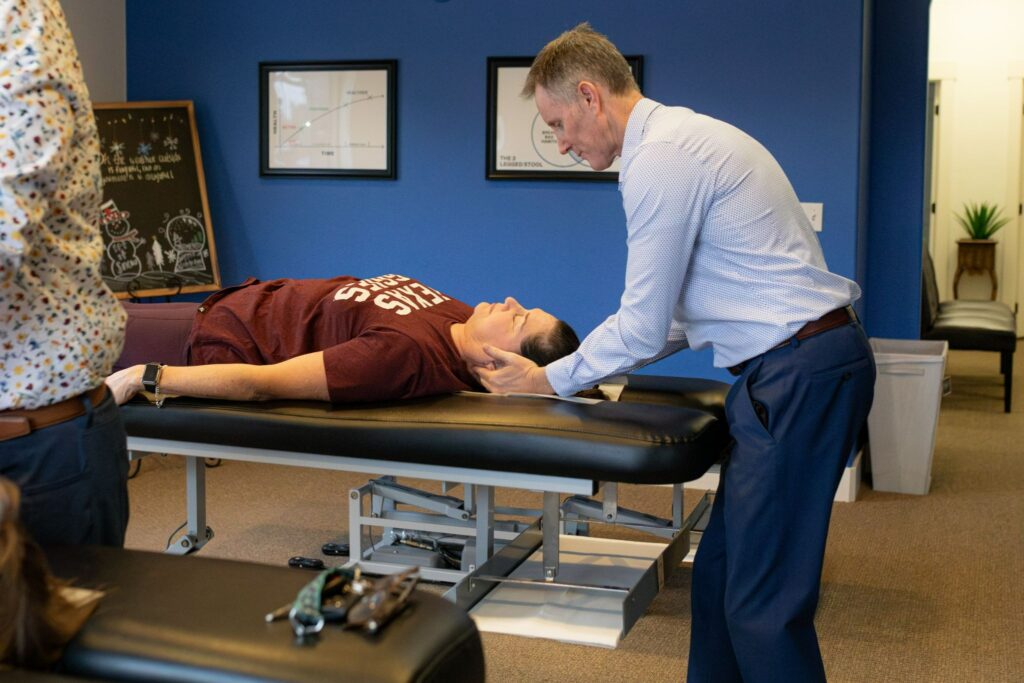

As a local chiropractor, I want to emphasize the importance of preventive care when it comes to managing chronic pain. Many people are unaware that regular check-ups and proactive strategies can significantly alleviate the burden of pain in their lives. By focusing on early detection and creating personalized care plans, you can reclaim control over your health and well-being.
In chiropractic care, we emphasize a holistic approach that includes lifestyle changes and natural therapies, which can truly make a difference in your pain management journey. Simple adjustments to your daily routine, combined with spinal alignments and other natural healing techniques, can help improve your overall function and reduce discomfort.
Understanding these components of chiropractic care and how they work together can be a game changer in transforming your experience with chronic pain. Let's explore how we can work together to enhance your quality of life through preventive care and natural healing methods.
Understanding Chronic Pain
Chronic pain can often feel like an uninvited guest in your life, remaining long after an injury has healed or an illness has subsided. As a chiropractor, I frequently see patients who are wrestling with discomfort that appears to have no identifiable cause or end in sight.
It's important to understand that chronic pain goes beyond just the physical sensations; it also encompasses emotional and psychological challenges that can significantly impact your daily life.
Typically, chronic pain lasts for more than three months and can arise from various issues, such as previous injuries, arthritis, fibromyalgia, or even conditions like migraines. You may notice that this pain doesn't just affect your body; it can also influence your mood, sleep patterns, and overall quality of life.
The frustration, anxiety, and even depression that may accompany chronic pain can make it difficult to manage everyday tasks while dealing with ongoing discomfort.
Many of my patients report experiencing fluctuations in pain intensity, which can make it challenging to predict when they'll feel their best or worst. This unpredictability can impact your ability to trust your body and make plans for your life.
It's crucial to understand that chronic pain is very real and valid; it's not simply a figment of your imagination. By gaining a better understanding of the nature of your pain, you can start to explore various options for effective management.
As a chiropractor, I encourage you to take the time to learn about your condition and how natural healing methods can help. Chiropractic care focuses on the relationship between your body's structure and function, promoting healing through adjustments and therapies that can relieve pain and restore mobility.
By transforming your approach to pain management from a sense of helplessness to a more proactive and empowered stance, you can improve your quality of life and regain control over your well-being.
Together, we can work towards finding the right treatment strategies that suit your individual needs.
Importance of Preventive Care
As your local chiropractor, I want to emphasize the vital role preventive care plays in managing chronic pain and enhancing your overall well-being. Focusing on prevention is key to taking proactive steps that can help minimize the impact of your pain, allowing you to enjoy a higher quality of life. Regular chiropractic check-ups and screenings can help identify potential issues before they escalate, which is crucial in avoiding unnecessary discomfort and complications.
Understanding the importance of preventive care encourages you to engage more actively in your health journey. It empowers you to embrace strategies that can slow the progression of pain-related conditions, making it easier for you to maintain your daily activities and enjoy life to the fullest.
By collaborating closely with me and my team, we can create a personalized care plan tailored to your specific needs, ensuring that you're taking effective steps to manage your pain holistically.
Preventive care in chiropractic also instills a sense of accountability, motivating you to take ownership of your health. When you prioritize these natural healing methods, you're more likely to make informed decisions regarding your treatment options, lifestyle choices, and overall wellness.
This proactive approach can lead to significant improvements in both your physical and emotional well-being, as you gain a deeper understanding of how your body responds to various treatments.
Ultimately, investing in preventive chiropractic care helps you build resilience against chronic pain. By recognizing the importance of prevention, you're not just managing your pain; you're actively working towards better overall health.
Together, we can pave the way for a more fulfilling life, even in the face of chronic pain challenges. Let's embark on this journey to wellness together!
Lifestyle Changes for Pain Management
As a local chiropractor, I want to emphasize the importance of lifestyle changes in effectively managing chronic pain. One of the key areas to focus on is your nutrition and diet. Eating a balanced diet rich in anti-inflammatory foods can significantly impact your pain levels and overall health.
In addition to nutrition, incorporating regular exercise and movement into your daily routine is crucial. Gentle activities such as walking, stretching, or yoga can help improve flexibility and strengthen your body, which in turn can alleviate pain.
These adjustments to your lifestyle aren't just about symptom relief; they can enhance your overall well-being and promote natural healing.
Nutrition and Diet
As your local chiropractor, I want to emphasize how crucial nutrition and diet are in managing chronic pain. The choices you make when it comes to food can have a significant effect on inflammation levels, energy, and your overall health.
By incorporating anti-inflammatory foods into your diet—such as fatty fish, leafy greens, and nuts—you can help alleviate pain. These foods are packed with omega-3 fatty acids and antioxidants, both of which play a vital role in reducing inflammation and promoting healing.
Conversely, it's important to avoid processed foods, refined sugars, and trans fats, as these can increase inflammation and worsen your pain. Instead, I encourage you to focus on whole, nutritious foods like fruits, vegetables, whole grains, and lean proteins. These foods will provide your body with the essential nutrients it needs to operate at its best.
Hydration is another key aspect of your diet. Staying well-hydrated helps maintain joint lubrication and reduces stiffness, which is especially important for those dealing with chronic pain.
I also suggest keeping a food diary to monitor your eating habits and identify any connections between what you eat and your pain levels. This practice can empower you to make more informed dietary choices that support your healing journey.
Exercise and Movement
As a local chiropractor, I want to share how incorporating regular exercise and movement into your daily routine can significantly improve your ability to manage chronic pain. Engaging in physical activity not only strengthens your muscles but also improves flexibility and enhances your overall mobility.
When you incorporate movement, you can alleviate stiffness and tension in your body, which are common contributors to pain.
I recommend starting with low-impact activities that are gentle on your joints, such as walking, swimming, or cycling. These exercises can provide substantial benefits without putting too much strain on your body.
Aim for at least 150 minutes of moderate exercise each week, and don't hesitate to break it up into smaller, manageable sessions. Even short bursts of activity can lead to positive changes in how you feel.
It's crucial to listen to your body and adjust your routine as needed. If you notice an increase in pain, it's perfectly fine to scale back your activities.
The key is to find a balance that works for you and your body. Incorporating stretching and yoga into your regimen can also be incredibly beneficial, as they promote relaxation and improve your range of motion.
As your chiropractor, I'm here to guide you in creating a personalized plan that complements your chiropractic care, helping you achieve a healthier, more active lifestyle.
Physical Therapies and Exercises
As a local chiropractor, I understand that managing chronic pain can be a daunting experience. However, incorporating chiropractic care, along with physical therapies and exercises, can be essential for boosting your overall health and well-being. These natural approaches not only work to alleviate pain but also improve your mobility and strength.
When you engage in chiropractic care, you may discover numerous benefits, including:
- Increased flexibility and range of motion
- Enhanced muscle strength and endurance
- Improved mood and mental clarity
Chiropractic therapy typically involves a thorough assessment by a trained professional who'll create a personalized treatment plan tailored to your specific needs. We'll evaluate your condition, set realistic goals, and guide you through targeted exercises that address your pain areas. This customized approach ensures you're performing movements that support your healing rather than aggravate your discomfort.
In addition to in-office visits, I encourage you to incorporate exercises you can do at home. Simple activities such as stretching, walking, or engaging in low-impact workouts can significantly contribute to your recovery. The key is consistency; even short sessions of activity can lead to meaningful, long-term improvements.
It's crucial to listen to your body throughout this journey. Pacing yourself and adjusting your activities based on how you feel is important. If you encounter any discomfort during an exercise, please don't hesitate to modify it or reach out to me for alternative options that may be more suitable.
By combining chiropractic adjustments with physical therapies and exercises, along with other preventive care strategies, you can adopt a more holistic approach to managing chronic pain. Taking an active role in your recovery is a vital step towards reclaiming your life and enhancing your quality of living.
I'm here to support you every step of the way on your path to wellness.
Psychological Support Strategies
As a local chiropractor, I want to emphasize the importance of psychological support strategies in managing chronic pain and enhancing your overall well-being. Your mental health plays a crucial role in how you perceive and cope with pain, and I believe that integrating these strategies can complement your chiropractic care effectively.
One powerful approach is cognitive-behavioral therapy (CBT). This technique helps you challenge negative thought patterns that may be exacerbating your pain experience. By working on these thoughts, you can develop healthier coping mechanisms, which can significantly reduce feelings of anxiety and depression often associated with chronic pain.
In addition to CBT, I encourage you to explore mindfulness and relaxation techniques. Practicing mindfulness can help you stay present and detach from painful sensations. Simple methods such as deep breathing, meditation, and progressive muscle relaxation can significantly lower your stress levels and help you achieve a sense of calm.
By incorporating these practices into your routine, you create a mental buffer that can enhance your chiropractic treatments.
Support groups can also be incredibly beneficial. Connecting with others who share similar challenges can provide a sense of community and understanding. Sharing your experiences with those who truly understand your journey can validate your feelings and offer new insights into effective coping strategies.
Finally, I want to highlight the value of professional counseling. A therapist can help you navigate the emotional challenges that often accompany chronic pain. They can guide you in exploring your feelings and setting realistic goals, ultimately helping you cultivate a more positive outlook on life despite your pain.
Incorporating Preventive Care Daily
As your local chiropractor, I want to emphasize the importance of incorporating preventive care into your daily routine to effectively manage chronic pain.
It's not just about treating symptoms; it's about fostering a holistic approach to your health.
Start by establishing a consistent exercise schedule tailored to your needs. Movement is essential for maintaining flexibility and strength, which can alleviate pain.
Pair that with a diet rich in nutritious foods to fuel your body and support healing.
Additionally, practicing stress management techniques, such as mindfulness or gentle yoga, can greatly enhance your overall well-being and help reduce pain levels.
These simple yet powerful changes can make a significant difference in your daily life.
Daily Exercise Routine
Incorporating a daily exercise routine is crucial for managing chronic pain and enhancing your overall well-being, especially when complemented by chiropractic care. As a chiropractor, I often see the positive effects that regular physical activity can have on my patients. It not only helps to build strength and improve flexibility, but it also plays a significant role in reducing discomfort and promoting healing.
Here are some key benefits of engaging in daily exercise:
- Pain Relief: When you participate in physical activities, your body releases endorphins—natural painkillers that can help alleviate chronic pain. This is especially beneficial for those of you who may be experiencing ongoing discomfort.
- Improved Mood: Exercise is a powerful mood booster. It helps reduce stress and combats the emotional challenges that often accompany chronic pain. A positive mindset can greatly enhance your healing process.
- Better Sleep: Regular physical activity contributes to better sleep quality. Good sleep is essential for recovery, allowing your body to rejuvenate and prepare for the day ahead.
To start your journey, I encourage you to choose activities that you genuinely enjoy and can realistically fit into your daily routine. Whether it's a leisurely walk, swimming, or practicing yoga, find what feels good for you.
Aim for at least 30 minutes of moderate activity most days of the week. Always listen to your body and be willing to adjust your routine as necessary.
Remember, combining regular exercise with chiropractic care can be a powerful strategy for managing chronic pain. With dedication and consistency, a daily exercise routine can significantly contribute to your preventive care and overall health.
Let's work together to create a plan that suits your needs and helps you take control of your pain management journey.
Healthy Eating Habits
As a local chiropractor, I want to emphasize the significant role nutrition plays in managing chronic pain and enhancing your overall health. Many people don't realize that by adopting healthy eating habits, you can influence your pain levels and improve your quality of life.
To start, focus on incorporating whole foods into your diet. This includes a variety of fruits, vegetables, lean proteins, and whole grains. These foods are rich in essential nutrients and antioxidants, which can help reduce inflammation in your body—a common contributor to pain.
It's also important to limit processed foods that are high in sugar, unhealthy fats, and additives, as these can exacerbate pain and discomfort. Instead, consider adding anti-inflammatory foods to your meals, such as fatty fish, nuts, and olive oil. These can be beneficial in supporting your body's healing processes.
Don't overlook the importance of hydration either. Drinking plenty of water throughout the day is vital for supporting your body's functions and overall well-being.
Additionally, I encourage you to pay attention to portion control. Eating smaller, more frequent meals can help stabilize your blood sugar levels, which may minimize pain-related flare-ups. Keeping a food diary can also be a useful tool; it allows you to track what you eat and how those foods affect your pain levels, helping you identify potential triggers.
By making these mindful dietary choices, you can take an active role in managing your health and chronic pain.
Stress Management Techniques
As a local chiropractor, I want to emphasize the importance of managing stress, especially for those dealing with chronic pain. Stress can significantly affect your physical health, and when stress levels increase, your pain can intensify as well.
That's why it's crucial to incorporate effective stress management techniques into your daily life. Here are some strategies I recommend:
- Mindfulness Meditation: Set aside a few minutes each day to focus on your breathing and be present in the moment. This practice can help reduce anxiety and build your emotional resilience, which is vital for overall well-being.
- Physical Activity: Regular, gentle exercise such as walking or yoga can work wonders. Not only does movement help relieve tension, but it also releases endorphins—your body's natural mood lifters—which can ease your pain.
- Deep Breathing Exercises: Practicing deep, diaphragmatic breathing is another excellent way to manage stress. This technique activates your body's relaxation response, helping to lower stress levels and promote a sense of calm.
By integrating these stress management techniques into your routine, you can enhance your overall health and improve your experience with chronic pain.
If you have any questions or would like guidance on how to incorporate these practices effectively, feel free to reach out during your next visit. Your health and comfort are our top priorities!
Conclusion
As your local chiropractor, I want to emphasize how incorporating preventive care for chronic pain into your daily routine can significantly enhance your health and well-being. By prioritizing regular chiropractic check-ups, you can address underlying issues before they escalate. Along with adjustments, making lifestyle changes and incorporating physical therapies—like stretching and strengthening exercises—are essential proactive steps in managing your pain naturally.
It's also crucial to consider the psychological aspects of pain. Seeking support through counseling or mindfulness practices can greatly complement your physical care, as mental health plays a key role in your overall recovery. Remember, this journey isn't just about managing pain; it's about improving your quality of life and empowering yourself to live more fully and actively. Let's work together to create a personalized care plan that suits your needs and helps you thrive. Start today on the path to a healthier, happier you!