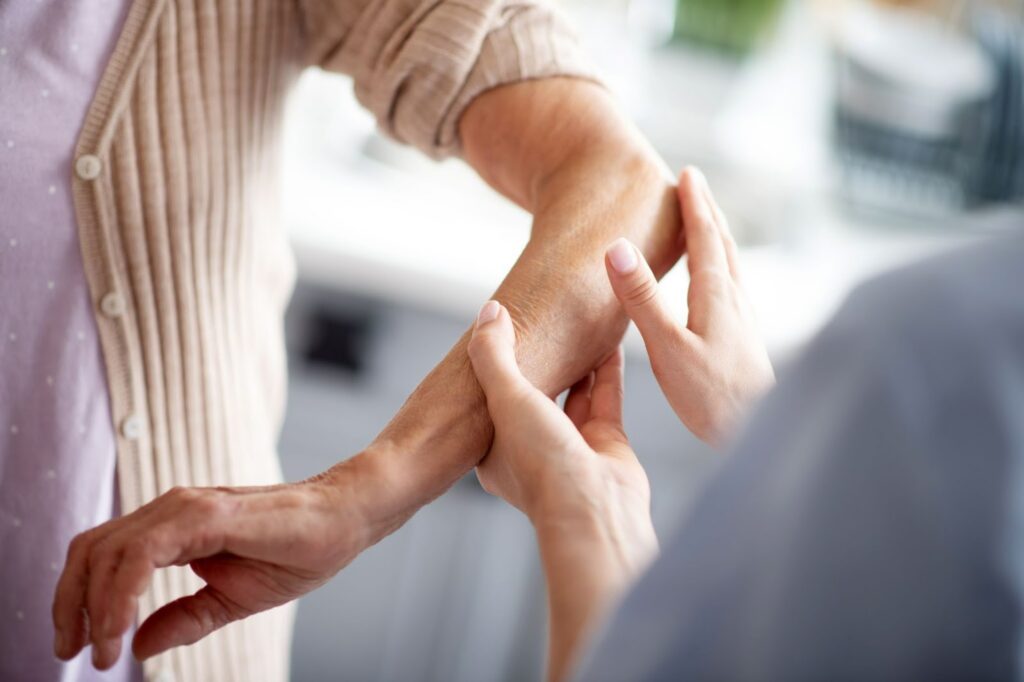

When dealing with a sports injury, it's crucial to understand the various recovery techniques available to you, especially when considering chiropractic care and natural healing methods. While you may already be aware of the importance of rest and hydration, have you thought about how chiropractic adjustments can play a role in your recovery?
Physical therapy is often highlighted, but chiropractic care offers unique benefits as well, such as improving mobility and reducing pain through spinal adjustments. Additionally, alternative therapies like acupuncture or massage can complement your healing process by addressing muscle tension and promoting circulation.
Ice and compression can be effective in managing inflammation, but don't overlook the importance of proper nutrition and mental health in your recovery. A holistic approach that combines these techniques—like chiropractic adjustments, nutrition, and mindfulness—can significantly enhance your healing journey.
As you consider the best combination of recovery methods, I encourage you to explore how chiropractic care can support your overall wellness and get you back to your favorite activities sooner.
Importance of Rest
As a local chiropractor, I want to emphasize the vital role that rest plays in your recovery from sports injuries. When you experience an injury, your body needs time to heal itself, and pushing through discomfort can actually slow down your recovery process. It's crucial to pay attention to your body and recognize when it's time to take a break. By allowing yourself to rest, you're giving your tissues the chance they need to heal, which can significantly shorten your recovery time.
During rest, your body engages in essential physiological processes that promote healing. For example, blood flow to the injured area increases, delivering vital nutrients and oxygen necessary for recovery. This helps reduce inflammation and alleviate pain, enabling you to regain your range of motion and strength.
While it might be tempting to jump back into your routine right away, overexertion can lead to setbacks or even re-injury, which we definitely want to avoid. Incorporating adequate rest into your recovery plan doesn't mean you need to be completely inactive. You can still engage in low-impact activities or gentle stretching, but the primary focus should be on giving your injury the rest it requires.
Additionally, prioritizing quality sleep is crucial, as it enhances your body's natural healing capabilities. As your chiropractor, I'm here to support you in understanding and implementing these principles for a safe and effective recovery.
Role of Physical Therapy
As a local chiropractor, I want to emphasize the vital role that chiropractic care plays in your recovery from sports injuries. Our approach to natural healing focuses on restoring your body's balance and function, which is essential for optimal recovery. When you visit our practice, you're engaging in a proactive healing process rather than simply resting.
During your initial consultation, I'll assess your specific injury and develop a customized plan that addresses your individual needs. This personalized approach is crucial in helping you regain strength, flexibility, and coordination—key elements for safely returning to your sport.
In our sessions, we might utilize various techniques, including spinal adjustments and soft tissue therapies, to promote healing and alleviate pain. These methods not only target the injured area but also work to enhance the overall function of your body, ensuring you're better equipped to prevent future injuries.
Education is another cornerstone of our chiropractic care. I'll provide you with information about your injury, the healing process, and practical strategies to avoid re-injury in the future. You'll learn about proper body mechanics and techniques that can improve your performance, so you not only heal but thrive in your activities.
Moreover, our clinic offers a supportive environment where I act as your partner in recovery. Together, we'll navigate the challenges of rehabilitation, and I'll motivate you to stay committed to your healing journey.
With my expertise, we'll create a comprehensive plan that allows you to return to your sport safely and effectively, while also enhancing your overall well-being.
Ice and Compression Benefits
As a local chiropractor, I want to share some valuable insights on how you can enhance your recovery after an injury. Once you've sought chiropractic care, integrating ice and compression into your healing routine can significantly improve your recovery process.
Let's start with ice therapy, often referred to as cryotherapy. This method is incredibly effective for reducing swelling and numbing pain in the affected area. When you apply ice, it constricts the blood vessels, which helps limit blood flow and prevents further swelling.
I recommend icing your injury for about 15-20 minutes every couple of hours during the initial recovery phase. Just a quick tip: always wrap the ice in a cloth to protect your skin from direct contact.
Next, we've compression, which works synergistically with ice therapy. By using a compression bandage or wrap, you can provide essential support to the injured area while further controlling swelling. Compression maintains pressure on the injury, which helps prevent excessive fluid accumulation.
When selecting a compression bandage, make sure it's snug but not so tight that it restricts circulation. You should still be able to move your fingers or toes comfortably if your injury is in a limb.
By combining ice and compression, you can effectively reduce pain and speed up your recovery. These techniques are particularly beneficial during the first 48 hours after your injury, as this is typically when inflammation is at its peak.
Incorporating these methods into your daily routine will create a more supportive environment for healing, allowing you to return to your activities stronger and more resilient.
Always listen to your body throughout this process. If you experience persistent pain, don't hesitate to consult with a healthcare professional for personalized guidance. Your recovery is important, and I'm here to help you every step of the way!
Nutrition for Healing
As a local chiropractor dedicated to your overall well-being, I want to emphasize the crucial role that nutrition plays in your recovery from a sports injury.
When your body is healing, it's essential to provide it with the right nutrients that support tissue repair. Equally important is staying well-hydrated, as proper hydration can significantly enhance your healing process.
Let's delve into how your dietary choices can positively impact your recovery and help you return to the activities you love.
By understanding the connection between nutrition and healing, you can take proactive steps to aid your recovery naturally.
Essential Nutrients for Recovery
As a local chiropractor, I want to emphasize how essential nutrients play a crucial role in your recovery process. When your body is healing, the right nutrients can make all the difference.
First and foremost, let's talk about protein. This nutrient is fundamental in repairing damaged tissues and building muscle strength. To support your healing journey, consider adding lean meats, fish, eggs, beans, and legumes to your diet. These foods provide the building blocks your body needs.
Carbohydrates are just as important, as they supply the energy necessary for recovery. Instead of reaching for processed options, aim for whole grains, fruits, and vegetables. These nutrient-dense choices will help fuel your body effectively as you recover.
Don't forget about healthy fats! They play a significant role in reducing inflammation, which is key in the healing process. Foods rich in omega-3 fatty acids, such as salmon, walnuts, and flaxseeds, can be especially beneficial for your recovery.
Vitamins and minerals are also vital players in your healing journey. For instance, vitamin C is crucial for collagen production, which is essential for repairing tissues. Additionally, vitamin D is important for bone health. To ensure you're getting enough of these nutrients, incorporate citrus fruits, leafy greens, and fortified foods into your meals.
Lastly, minerals like zinc and magnesium can help speed up your recovery. You can find these essential minerals in foods like nuts, seeds, and whole grains.
Hydration and Healing Process
As a local chiropractor, I want to emphasize that nutrition isn't solely about what you eat; hydration plays a critical role in your recovery process. When you're healing from a sports injury, maintaining proper hydration can significantly affect your body's ability to recover effectively.
Water is essential for transporting vital nutrients to injured tissues, flushing out toxins, and ensuring optimal cellular function. If you're not drinking enough water, you might find that your recovery slows down, leaving you feeling fatigued and unfocused.
It's important to drink water consistently throughout the day, not just when you feel thirsty. A helpful guideline is to aim for at least half your body weight in ounces of water each day. For instance, if you weigh 160 pounds, you should be looking to drink around 80 ounces of water daily.
Additionally, you can enhance your hydration through fruits and vegetables, which also provide essential vitamins and minerals that are crucial for healing.
If you're exercising intensely or sweating a lot, consider adding electrolyte-rich drinks into your routine. These beverages help replenish lost minerals, which are vital for muscle function and recovery.
Hydration and Recovery
As a local chiropractor, I want to emphasize the critical importance of staying hydrated during your recovery from a sports injury. Water isn't just a basic need; it's vital for numerous bodily functions, including nutrient transport and temperature regulation.
When you experience an injury, your body requires a focused healing process, and proper hydration plays a significant role by ensuring optimal blood flow and delivering essential nutrients directly to the injured area.
Moreover, staying well-hydrated aids in flushing out toxins and waste products that can build up in your body while you recover from an injury. Dehydration can lead to thicker blood, making it more challenging for your body to transport oxygen and nutrients to the tissues that need repair. This can slow down your recovery and extend the healing timeline.
I recommend that you aim to drink water consistently throughout the day, particularly as you engage in rehabilitation exercises. Consider incorporating electrolyte-rich drinks, as they can help replenish essential minerals lost through sweat. However, be cautious with the sugar content in some sports drinks, as they may not always be beneficial.
Pay attention to your body's signals. If you're feeling thirsty or fatigued, it's a clear indication that you need to hydrate. Keeping a water bottle nearby can encourage you to sip regularly throughout the day. Additionally, incorporating hydrating foods such as fruits and vegetables into your diet can further support your healing process.
In summary, prioritizing hydration can have a significant impact on your recovery timeline and overall well-being. By making hydration a key focus, you'll enhance your journey towards a quicker, more effective recovery from your sports injury.
Mental Health Considerations
As you navigate the recovery process from a sports injury, it's crucial to understand that mental health plays a significant role in your overall healing. Often, the physical aspects of recovery can overshadow the emotional hurdles that come with being sidelined. You may experience feelings of frustration, anxiety, or even depression as you learn to adjust to new limitations and the uncertainty surrounding your return to the sport. Acknowledging these feelings is the first step in managing them effectively.
In my practice as a chiropractor, I emphasize the importance of a holistic approach to healing, which includes mental well-being. To support your mental health during this time, consider incorporating practices that promote a positive mindset. Setting realistic and achievable goals can help you stay focused and motivated. Instead of solely concentrating on returning to your pre-injury state, celebrate the small victories you achieve throughout your recovery journey—whether it's regaining flexibility or moving without pain.
Mindfulness techniques, such as meditation or deep-breathing exercises, can be incredibly beneficial as well. These practices can help reduce stress and enhance your awareness of both physical and emotional sensations. Additionally, maintaining connections with teammates, friends, and family can provide a vital support system. Sharing your experiences and feelings with others can help alleviate feelings of isolation and foster a more positive perspective on your recovery.
If you find that you're struggling with your mental health, don't hesitate to seek professional help. A sports psychologist or counselor can offer valuable insights tailored to athletes like yourself who are navigating recovery.
Stretching and Flexibility
As a local chiropractor, I want to emphasize the vital role that stretching plays in your recovery from sports injuries.
Many patients may not realize that incorporating flexibility exercises into your routine can significantly enhance your range of motion and help prevent future injuries.
By prioritizing these practices, you'll not only support your body's healing process but also boost your overall performance.
Embracing a holistic approach to recovery, which includes stretching and flexibility, can lead to long-lasting benefits for your health and well-being.
Let's work together to ensure you're on the path to a full recovery!
Importance of Stretching
As a local chiropractor, I want to emphasize the vital role that regular stretching plays in enhancing your flexibility and overall athletic performance. Stretching isn't just a simple activity; it helps lengthen your muscles and tendons, which reduces stiffness and allows for smoother movements.
When your muscles are more flexible, you can achieve a better range of motion—crucial for executing various physical activities effectively. Moreover, stretching is essential for preventing injuries. Tight muscles can lead to strains or tears, particularly during high-intensity activities. Incorporating regular stretching into your routine makes your body more resilient and decreases the likelihood of these injuries, helping you maintain an active lifestyle.
In addition to flexibility and injury prevention, stretching significantly improves circulation. This increased blood flow allows more oxygen and nutrients to reach your muscles, which can speed up recovery after workouts or injuries. You'll also notice that stretching can relieve tension and stress, contributing to a more positive mental state while you engage in your fitness routines.
Lastly, it's important to practice proper stretching techniques consistently. I encourage you to make it a habit to dedicate time to stretching before and after your workouts. By doing so, you won't only improve your performance but also build a strong foundation for a healthier, injury-free journey in your athletic pursuits.
Flexibility Exercises Benefits
As a local chiropractor, I want to share with you the incredible benefits of incorporating flexibility exercises into your daily routine. These exercises play a crucial role in enhancing your overall well-being and athletic performance, and I'm here to help you understand why.
First and foremost, flexibility exercises increase your range of motion, which is essential for performing movements in any physical activity, whether it's sports or everyday tasks. Improved flexibility helps your muscles and joints handle the demands of physical activity, ultimately reducing the risk of injuries that can arise from tight or overworked muscles.
Moreover, integrating stretching into your post-workout routine can significantly aid in muscle recovery. When you take the time to stretch after exercising, you promote blood circulation to your muscles. This increased blood flow helps flush out toxins and delivers vital nutrients, leading to quicker recovery times and less muscle soreness.
Flexibility exercises also play a pivotal role in enhancing your posture and balance. Good posture not only boosts your appearance but also helps prevent common issues like back and neck pain. By improving your balance through flexibility training, you can achieve more fluid and coordinated movements, which is particularly beneficial in sports.
Lastly, let's not overlook the mental benefits of flexibility exercises. Stretching encourages relaxation and can help alleviate stress and tension. This relaxation not only improves your mental focus but can also elevate your overall mood.
By dedicating time to flexibility training, you're not only enhancing your physical capabilities but also nurturing a healthier mindset, which is vital for performing at your best.
Embracing flexibility exercises is a natural and effective way to support your body's health, and as your chiropractor, I encourage you to make them a regular part of your wellness routine. Together, we can work towards a healthier, more flexible you!
Alternative Therapies
As a local chiropractor, I want to share the benefits of exploring alternative therapies for sports injury recovery. These approaches often harness the body's innate healing abilities, leading to faster recovery times and reduced pain.
One of the therapies I highly recommend is chiropractic care itself. Through spinal manipulation, we can help improve alignment, which not only alleviates pain but also enhances your overall function. This method is especially effective for injuries related to the musculoskeletal system, as it targets the root cause of discomfort and promotes natural healing.
In conjunction with chiropractic adjustments, acupuncture is another valuable option. This ancient practice involves the insertion of thin needles at specific points on the body, which can help relieve pain and improve circulation. Many athletes have experienced significant pain relief and improved mobility following acupuncture sessions.
Massage therapy is also an excellent complement to chiropractic care. Regular massages can stimulate blood flow to the injured area, reduce swelling, and alleviate muscle tension. Whether you prefer deep tissue or sports massage, this hands-on approach can significantly accelerate your healing process.
Don't overlook the benefits of yoga, either. This practice not only enhances flexibility but also fosters mental well-being. Engaging in gentle yoga postures can help you maintain strength and range of motion while also reducing stress, which is essential for recovery.
Lastly, I encourage you to consider herbal remedies and nutritional supplements as part of your recovery plan. For instance, turmeric is known for its anti-inflammatory properties and may aid in healing. However, it's crucial to consult with me or another healthcare professional before starting any new supplement regimen to ensure it aligns with your recovery goals.
Gradual Return to Activity
As you begin to recover from a sports injury, it's essential to approach your return to activity with care and mindfulness. Jumping back into your sport too quickly can't only lead to re-injury but also prolong your recovery time. Instead, it's important to focus on a gradual return that allows your body to adapt and regain strength safely.
I recommend starting by evaluating your injury with a healthcare professional, such as a chiropractor. We can provide personalized guidance tailored to your specific condition and help you set realistic and achievable goals.
Once we've a plan in place, it's beneficial to start with low-impact activities that won't put undue stress on your injured area. Activities like swimming or cycling are excellent options that can help you maintain your fitness level while minimizing strain.
As you progress, we'll work together to gradually increase the intensity and duration of your workouts. It's crucial to listen to your body during this process—if you experience any pain or discomfort, it's important to ease back and adjust your routine accordingly.
Incorporating strength training and flexibility exercises into your recovery plan can also be incredibly beneficial. These exercises can enhance your overall stability and resilience, supporting a more effective healing process.
Consider setting specific milestones to track your progress. This might include returning to practice sessions, participating in drills, or slowly reintroducing game situations. Celebrating these small victories is vital, as they can motivate you to stay committed to your recovery journey.
Lastly, please remember that there's no need to rush the process. Giving your body the necessary time to heal will ultimately facilitate a more sustainable return to your sport.
Conclusion
As a local chiropractor, I want to help you understand the vital role that rest and hydration play in your recovery from sports injuries. It's essential to give your body the time it needs to heal, so don't rush the process. Incorporating physical therapy into your recovery plan can be incredibly beneficial, and I encourage you to consider ice and compression techniques to effectively manage pain and swelling.
A balanced diet is not just about nutrition; it's about fueling your body for optimal healing. Additionally, mindfulness practices can greatly enhance your mental well-being during this recovery period. Stretching is also crucial—not only does it improve flexibility, but it can prevent future injuries.
I also recommend exploring alternative therapies, such as chiropractic care, which focuses on restoring proper alignment and function to your body. This can aid in your recovery and help you return to your favorite activities more effectively. As you gradually resume physical activity, be sure to listen to your body and take it step by step. A safe comeback is the goal, and I'm here to support you on that journey to wellness.