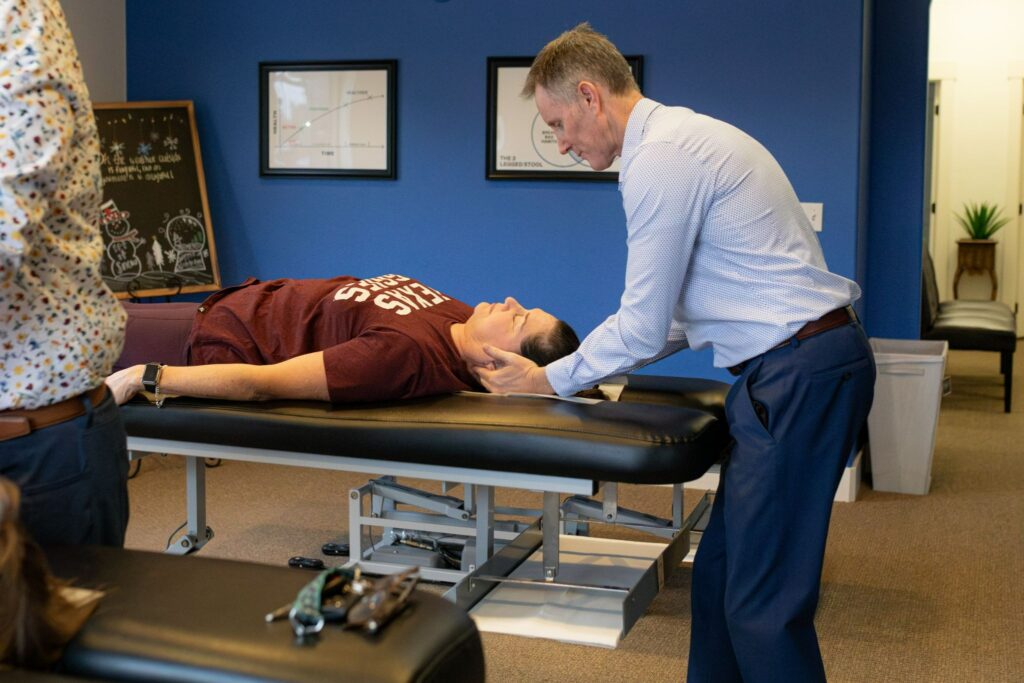

As a local chiropractor, I understand the frustration that comes with persistent back pain, especially when you’ve tried various treatments without lasting relief. It can feel like you’re caught in a loop of temporary fixes, leaving you wondering why the pain keeps returning. The reality is that many common treatment methods tend to focus solely on alleviating symptoms, often overlooking deeper underlying issues.
What if I told you that the key to truly breaking free from this cycle lies in addressing the root causes of your pain? Chiropractic care is designed to do just that. By examining your spine and nervous system, we can identify misalignments and imbalances that may be contributing to your discomfort.
Let’s take a closer look at the factors that might be keeping your pain alive. Through a combination of spinal adjustments, personalized treatment plans, and holistic approaches, we aim to not only relieve your pain but also promote long-term healing and wellness. Together, we can work towards a healthier, pain-free life.
Understanding the Anatomy of Back Pain
As a local chiropractor, I want to help you understand the anatomy of back pain, as this knowledge can empower you to recognize the source of your discomfort and explore natural healing options.
Your back is a complex structure composed of the spine, muscles, ligaments, and nerves, all working in harmony to support your body’s movements and stability.
The spine, made up of individual vertebrae, serves to protect the spinal cord while allowing for flexibility and movement. Between each vertebra are intervertebral discs, which act like shock absorbers, providing essential cushioning to prevent jarring during daily activities.
Surrounding the spine are muscles that not only support stability but also facilitate movement, while ligaments connect the bones, helping to maintain the overall structure of your back. Nerves extend from the spinal cord, transmitting signals for pain and sensation throughout your body.
When any part of this intricate system faces issues—whether due to injury, wear and tear, or strain—you may experience discomfort or pain.
By understanding these anatomical components, you can begin to recognize patterns in your pain. This awareness can lead to more effective, targeted treatments that align with your body’s natural healing processes.
As your chiropractor, I’m here to guide you on this journey toward relief and improved well-being through holistic approaches tailored to your individual situation.
The Role of Muscle Imbalances
As a local chiropractor, I want to help you understand how muscle imbalances can play a significant role in back pain. Many people mightn’t realize that if one side of your body is stronger or tighter than the other, it can lead to misalignment of your spine, resulting in discomfort and persistent pain.
Here are four key ways muscle imbalances can affect your back:
- Altered Posture: When certain muscles are weak, it can lead to poor posture, placing additional strain on your back. This can make everyday activities more challenging and uncomfortable.
- Compensatory Movements: Stronger muscles may end up doing more work to compensate for weaker ones, which can lead to fatigue and soreness. This cycle often exacerbates existing pain.
- Increased Tension: Tight muscles can limit your range of motion, making you feel stiff and painful. This tension can create a domino effect, impacting your overall mobility.
- Limited Flexibility: Muscle imbalances can restrict flexibility, which makes it difficult to perform daily activities without discomfort. This can affect your quality of life over time.
As your chiropractor, I encourage you to address these imbalances through targeted exercises and stretches.
Psychological Factors Affecting Pain Perception
As your local chiropractor, I want to help you understand how emotional stress can significantly affect your perception of pain.
When you’re feeling stressed, pain can seem much more intense than it actually is. It’s also important to recognize that your thoughts and beliefs about pain can either support your healing journey or create barriers to it.
Additionally, if you find yourself fearful of movement, this can lead to a cycle that worsens your back pain.
Emotional Stress Impact
As your local chiropractor, I want to help you understand how emotional stress can significantly impact your experience with back pain.
While many people think of back pain as solely a physical issue, it’s essential to recognize the role that emotional stress plays in both your perception and management of that pain.
When you’re under stress, your body tends to amplify pain signals, making any discomfort feel even more intense. By understanding this connection, you can take steps toward improving both your emotional and physical health.
Here are some ways emotional stress can affect your back pain:
- Increased Sensitivity: Stress can heighten your body’s sensitivity to pain, making you more aware of discomfort.
- Muscle Tightness: Emotional stress often leads to muscle tension, which can directly contribute to back pain.
- Coping Challenges: When you’re stressed, your ability to cope with pain diminishes, making it harder to manage any discomfort you may feel.
- Mood Influences: Feelings of anxiety and depression can exacerbate your perception of pain and make it feel more severe.
Recognizing these factors is an important first step in managing your back pain more effectively.
By addressing both the emotional and physical aspects of your health, we can work together to create a comprehensive approach to your well-being.
Cognitive Behavioral Influence
As a local chiropractor, I want to help you understand how both your thoughts and behaviors can significantly influence your experience of back pain. When you’re dealing with discomfort, the way you think about that pain can either make it feel worse or help ease it.
For example, if you perceive your pain as a sign of a serious injury, it’s natural to feel anxious, and that anxiety can intensify your pain. On the other hand, if you approach your pain with a positive mindset, it can help you manage it more effectively.
Your actions also play a crucial role in how you experience pain. If you avoid activities because you’re afraid of exacerbating your pain, you might be unintentionally reinforcing that pain.
Instead, I encourage you to engage in gentle movements and activities that promote healing and strength. This approach not only helps in altering your pain experience but also empowers you to take control of your situation.
By recognizing how cognitive and behavioral factors influence your pain, you can open the door to more effective pain management and a better quality of life.
Chiropractic care, combined with a positive outlook and active engagement in your health, can help you on your journey to feeling better.
Fear and Avoidance
As a local chiropractor, I want to help you understand how fear and avoidance can significantly impact your experience with back pain.
When fear becomes a driving force in your life, it can lead to avoiding activities that are essential for your recovery. This avoidance not only contributes to physical deconditioning but can also heighten your perception of pain.
Here’s how I often see fear and avoidance manifest in my patients:
- Avoiding Movement: Many patients hesitate to engage in physical activity, thinking it might worsen their pain. However, gentle movement is often crucial for healing.
- Limiting Social Interactions: Some individuals withdraw from social situations because they fear discomfort may arise. This can lead to feelings of isolation and exacerbate stress.
- Neglecting Self-Care: It’s common for patients to skip exercises or therapies that I recommend, thinking they mightn’t help. In reality, these practices can be key to alleviating pain.
- Overthinking Symptoms: Focusing excessively on pain can create a cycle of anxiety and stress, which can intensify your discomfort.
I encourage you to work on breaking this cycle by confronting your fears and gradually reintroducing beneficial activities into your routine.
Chiropractic care focuses on natural healing methods that can help you regain confidence in your body and improve your overall well-being.
Together, we can create a plan that empowers you to move forward on your journey to recovery.
Lifestyle Choices and Their Impact
As a local chiropractor, I want to emphasize how your daily choices can significantly influence your back health. The way you nourish your body, the physical activities you engage in, and even your stress management techniques can either help alleviate or worsen your discomfort.
Eating a balanced diet that includes plenty of anti-inflammatory foods—such as fruits, vegetables, and whole grains—can be beneficial for reducing pain. In contrast, consuming processed foods and excessive sugars may increase inflammation, which can lead to more discomfort.
Movement is also crucial for maintaining a healthy back. Regular physical activity strengthens your back muscles and enhances flexibility, both of which are essential for preventing injuries. On the flip side, a sedentary lifestyle can weaken these important muscles, increasing your susceptibility to pain.
Additionally, don’t overlook the impact of stress on your back health. High levels of stress can lead to muscle tension, which may intensify your pain. Incorporating relaxation techniques into your daily routine—like yoga or meditation—can greatly enhance your overall well-being.
By making mindful lifestyle choices, you can take an active role in managing your back health. Remember, chiropractic care can also support these efforts by helping to align your spine and improve your body’s overall function.
Together, we can work towards reducing the persistent pain you may be experiencing.
The Limitations of Conventional Treatments
Many individuals seeking relief from back pain often turn to conventional treatments, which primarily aim to provide temporary respite rather than tackling the root causes of discomfort.
While medications and various therapies might offer immediate relief, they frequently fail to address the underlying issues that contribute to your pain.
As a chiropractor, I want to help you understand that our approach focuses on identifying and treating these foundational problems, rather than just masking the symptoms.
Temporary Pain Relief
As a local chiropractor, I want to help you understand that while various treatments can offer temporary relief from back pain, their effects may not last, and they often only mask the symptoms without addressing the underlying issues.
Here are four limitations of conventional pain relief methods that you should be aware of:
- Short-lived Effect: Many common treatments provide relief that lasts only a few hours to a couple of days, which can lead to a cycle of repeated use without long-term benefits.
- Side Effects: Medications and other conventional therapies can come with unwanted side effects, which may complicate your overall health and well-being.
- Dependency Risk: Relying on these temporary solutions over time can create a dependency, making it increasingly difficult to manage pain without them.
- Limited Scope: Many traditional approaches focus solely on alleviating pain rather than enhancing your overall function or mobility, which is crucial for long-term wellness.
By understanding these limitations, you can make informed choices and explore more effective, holistic solutions for your back pain through chiropractic care and natural healing methods.
Together, we can work on addressing the root causes of your discomfort and improving your overall quality of life.
Underlying Causes Ignored
As a local chiropractor, I often see patients who are struggling with back pain, and it’s important to understand that many people overlook the underlying causes of their discomfort.
Conventional treatments tend to focus primarily on relieving symptoms, which can be helpful in the short term, but they often fail to address the root issues that are causing your pain.
Consider factors like poor posture, muscle imbalances, or even emotional stress—these elements can significantly contribute to your back pain. When you only treat the pain, you run the risk of allowing these underlying problems to continue, which could lead to chronic issues down the line.
Moreover, conventional methods such as medication or physical therapy may not always be tailored to meet your specific needs. This is where chiropractic care comes in.
We take a holistic approach to your health, aiming to identify and address the true causes of your pain. By doing so, we can help you create a more effective and lasting solution to your back pain.
I encourage you to explore natural healing strategies and seek professional guidance to better understand how chiropractic care can support your overall well-being.
Together, we can work towards not just alleviating your pain but also promoting long-term health and vitality.
The Importance of Proper Diagnosis
As a local chiropractor dedicated to natural healing, I want to emphasize how vital it’s to obtain the right diagnosis when dealing with back pain. Understanding the source of your discomfort is key to finding effective treatment. Here’s why a proper diagnosis is essential:
- Identifies Underlying Conditions: A thorough assessment can reveal issues such as herniated discs or arthritis, which may need targeted chiropractic interventions or alternative therapies.
- Tailors Treatment Plans: With an accurate diagnosis, I can develop a personalized care plan designed specifically for your needs, incorporating chiropractic adjustments, exercises, and lifestyle changes that work best for you.
- Prevents Mismanagement: Incorrect diagnoses can lead to unnecessary treatments or medications that might exacerbate your pain. A correct understanding of your condition ensures we avoid these pitfalls.
- Enhances Recovery: By knowing your specific issue, we can tailor your rehabilitation process. This individualized approach can significantly improve your chances of achieving a full recovery through natural healing methods.
Taking the time to get a thorough diagnosis can ultimately lead you to effective pain relief and help you regain control of your life.
Don’t overlook the importance of understanding your body and its needs!
Chronic Pain and Neurological Changes
As a local chiropractor, I want to help you understand how chronic pain can impact not just your body, but also your nervous system. When pain persists over time, it can lead to significant changes in how your body processes pain signals. You might find that sensations you once considered normal now feel more intense or uncomfortable. This heightened sensitivity is often referred to as central sensitization, and it can make managing your pain a bit more challenging.
It’s important to recognize that your brain has an incredible ability to adapt, a process called neural plasticity. When faced with ongoing discomfort, your brain may begin to rewire itself, which can create a cycle where pain becomes more ingrained in your daily life.
You might also notice that this cycle can affect your emotional well-being, leading to increased feelings of anxiety or depression, which can further amplify your pain experience.
Understanding these changes in your nervous system is crucial for taking a proactive approach to your health. By recognizing how chronic pain affects you, we can work together on natural healing strategies that may help reduce your pain and improve your overall quality of life.
Chiropractic care, along with lifestyle adjustments, can play a significant role in supporting your body’s natural healing processes and helping you regain control over your well-being.
Alternative Approaches to Pain Management
As a local chiropractor, I understand that many people may not be familiar with the benefits of chiropractic care and other natural approaches to pain management.
While traditional methods like medication and surgery can be helpful for some, I believe that exploring alternative strategies can provide you with additional relief and enhance your overall well-being.
Here are four alternative methods you might consider:
- Chiropractic Care: As your chiropractor, my goal is to help you achieve optimal health through spinal adjustments. By realigning your spine, we can relieve pressure on your nervous system, reduce discomfort, and promote your body’s natural healing abilities.
- Acupuncture: This ancient practice involves targeting specific points in the body to alleviate pain. Many patients find that combining chiropractic adjustments with acupuncture can enhance their overall pain relief and healing process.
- Physical Therapy: In conjunction with chiropractic care, physical therapy offers tailored exercises and treatments designed to strengthen your back and improve flexibility. This approach can significantly aid in managing pain and preventing future injuries.
- Mindfulness and Meditation: I encourage my patients to practice mindfulness as a way to develop a healthier relationship with their pain. Techniques such as meditation can help reduce the perception of pain and improve your emotional well-being.
The Mind-Body Connection in Healing
As a local chiropractor, I want to emphasize how crucial the connection between your mind and body is when it comes to your overall health, particularly in managing pain. Many individuals are unaware of how their thoughts and emotions can significantly impact their physical well-being.
For instance, stress, anxiety, and negative feelings can intensify your pain, making it more challenging to find relief.
Incorporating mindfulness practices such as meditation and yoga into your routine can be incredibly beneficial. These activities help you tune into your body, promoting relaxation and alleviating discomfort.
By focusing on your breath and becoming more aware of your physical sensations, you can change your perspective and gain a sense of control over your pain.
Furthermore, cognitive-behavioral therapy can provide you with valuable strategies to manage your thoughts, which can help interrupt the cycle of pain and anxiety.
By addressing both your mental and physical health, we can create a comprehensive approach to healing. This holistic strategy can lead to more effective pain management and improved overall wellness.
I encourage you to embrace the mind-body connection as part of your healing journey. It might just be the key to your recovery and a healthier, more balanced life.
Conclusion
As a local chiropractor, I want to share some insights into why back pain often lingers despite conventional treatments. Many traditional approaches tend to focus more on providing temporary relief rather than addressing the underlying causes of the pain. It’s crucial to understand that back pain can stem from various factors, including muscle imbalances, psychological influences, and lifestyle choices.
In our practice, we emphasize the importance of a comprehensive diagnosis that considers the mind-body connection. This holistic approach helps us identify the root causes of your discomfort, allowing us to create a tailored treatment plan that goes beyond mere symptom relief.
I encourage you to explore alternative methods of healing, such as chiropractic adjustments, which can help restore proper alignment and function to your spine. Embracing a proactive attitude toward your health and well-being can lead to lasting improvements in your back pain and overall quality of life.
By working together, we can transform your experience with back pain and guide you on your journey to better health. Remember, it’s not just about feeling better—it’s about feeling whole again.