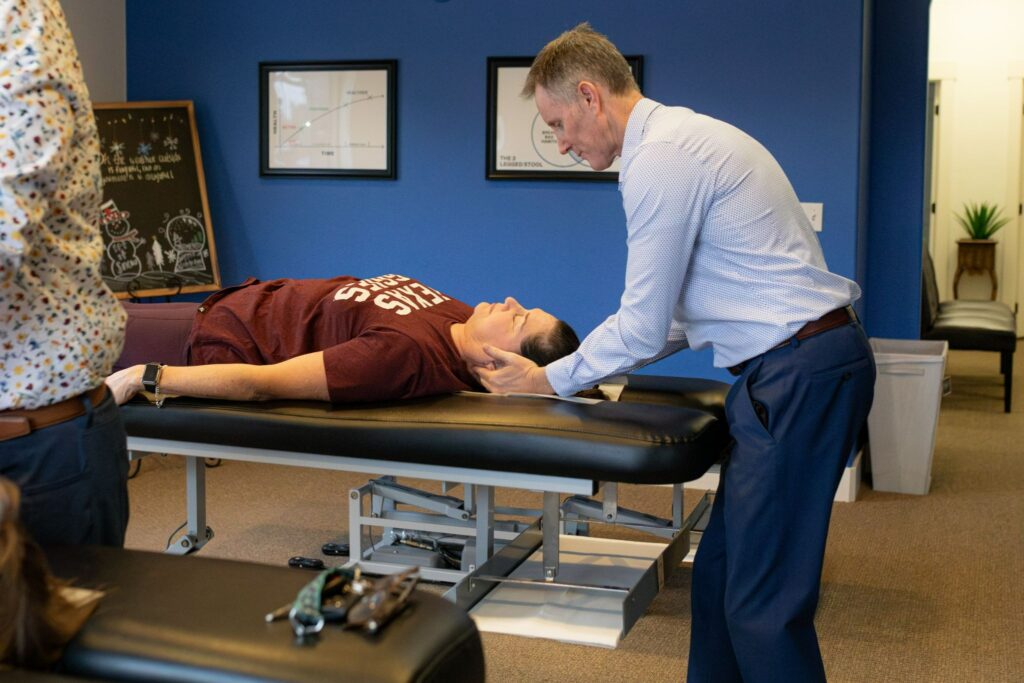

As a local chiropractor, I want to emphasize the importance of considering adjustments in your recovery approach when you experience a sports injury. Making these changes can significantly impact your journey back to strength and performance. Integrating techniques like chiropractic care along with personalized physical therapy can not only help alleviate your pain but also promote a more effective healing process.
It's essential to recognize that these adjustments are not just about physical recovery; they also play a vital role in supporting your mental well-being during this challenging time. So, what should you focus on to ensure a safe and effective return to your sport?
By prioritizing a holistic approach to your recovery, which includes regular chiropractic adjustments, you can enhance your body's natural healing abilities, improve your mobility, and reduce the risk of future injuries. Together, we can work towards getting you back to doing what you love most, feeling stronger and more resilient than ever.
Understanding Sports Injuries
As a local chiropractor, I want to emphasize the importance of understanding sports injuries, especially for those of you who are active or looking to enhance your performance. When you engage in physical activity, your body is inevitably put under stress, making it susceptible to a range of injuries such as sprains, strains, fractures, and tendonitis.
Being able to identify the signs and causes of these injuries can empower you to take proactive measures to safeguard your health. Listening to your body is crucial. Early indicators like pain, swelling, or instability can signal that something is amiss. If these signals are ignored, they can escalate into more serious injuries, which could keep you off the field or court for extended periods.
Familiarizing yourself with the common injuries associated with your specific sport can help you make safer choices during both training and competition. Understanding your body's mechanics is equally important. Improper form or excessive training can create imbalances that heighten your risk of injury.
I encourage you to learn about correct movement techniques and consider collaborating with a chiropractor or trainer to ensure you're using your body correctly. Additionally, don't underestimate the significance of warming up and cooling down. These practices are essential in preparing your muscles and joints for physical activity and can significantly reduce the likelihood of injury.
It's also important to recognize that not all injuries are created equal. Some may require immediate medical intervention, while others might respond well to rest and self-care strategies, including chiropractic adjustments.
Importance of Recovery Adjustments
As a local chiropractor, I want to emphasize the vital role that recovery adjustments play in your healing journey from sports injuries. Understanding these adjustments can help you return to peak performance more quickly and safely. When you experience an injury, your body needs time and specific conditions to heal effectively. By making thoughtful adjustments to your recovery process, you can create the ideal environment for your body to mend itself without risking further injury.
These recovery adjustments often include changes to your daily routine, hydration habits, nutrition, and rest periods. For example, focusing on nutrient-rich foods can significantly support your immune system and aid in tissue repair. Staying hydrated is equally important; it helps maintain healthy blood flow, which is crucial for delivering essential nutrients to the injured area.
It's also important to recognize the significance of proper rest. Your body requires time to repair, and pushing yourself too hard can lead to setbacks that prolong your recovery. By allowing yourself adequate recovery time, you aren't only promoting healing but also preventing complications that could delay your return to full activity.
Additionally, we shouldn't overlook the mental aspects of recovery. Maintaining a positive mindset and staying focused on your healing can enhance your overall experience. By embracing these recovery adjustments, you empower yourself to take control of your healing process and build resilience.
As your chiropractor, I'm here to guide you through these adjustments and support you on your path to recovery. Together, we can develop a personalized plan that addresses your unique needs and helps you heal naturally.
Modifying Workout Routines
As a local chiropractor, I want to help you understand how to effectively modify your workout routines after experiencing a sports injury. It's essential to adjust your approach to not only support your recovery but also to prevent any further injuries. One of the first steps is to consult with a healthcare professional or a chiropractor like myself. We can help you understand your limitations and set realistic goals tailored to your specific needs.
Once you have a clear recovery plan in place, here are some strategies to consider:
- Emphasize Low-Impact Exercises: Transitioning from high-impact activities to low-impact alternatives, such as swimming or cycling, can significantly reduce stress on your injured area while allowing you to maintain your fitness levels. These activities are gentle on the joints and can aid in your overall healing process.
- Integrate Flexibility and Mobility Work: Incorporating stretching and mobility exercises is vital. These practices improve your range of motion and help promote healing. They can also enhance your overall performance when you return to your regular activities.
- Gradually Increase Intensity: Start with lighter weights or lower intensity exercises. Gradually ramp up as your body begins to respond positively. This step-wise approach ensures that you avoid overexertion, which could lead to re-injury.
- Tune in to Your Body: It's important to listen to your body and be mindful of any signs of pain or discomfort. If you feel that something isn't right, it's perfectly okay to modify your routine even further. Remember, your recovery is the priority.
Nutritional Considerations
As a local Chiropractor, I want to emphasize the importance of nutrition in your recovery process after a sports injury. The food you consume plays a crucial role in healing your body, providing essential nutrients that support tissue repair and overall recovery.
Staying well-hydrated is also vital, as it aids in maintaining optimal function and promotes healing.
Incorporating a balanced diet rich in vitamins, minerals, and proteins can significantly enhance your recovery journey.
It's not just about the adjustments and therapies we provide; what you eat complements these treatments and helps you get back to your favorite activities more swiftly.
Let's work together to understand how making mindful nutritional choices can support your healing and well-being.
Essential Nutrients for Healing
As a local Chiropractor, I want to emphasize how crucial it's to focus on essential nutrients following a sports injury. Your body needs specific vitamins and minerals to effectively heal, repair tissues, reduce inflammation, and support overall recovery.
Here are some key nutrients I recommend prioritizing:
- Protein: This is vital for tissue repair and muscle rebuilding, helping your body recover from injury.
- Vitamin C: This nutrient is important for collagen formation, which is necessary for healing wounds and supporting overall tissue health.
- Omega-3 fatty acids: Known for their anti-inflammatory properties, these can significantly help in reducing pain and swelling associated with injuries.
- Zinc: This mineral plays a key role in the healing process and is important for maintaining a healthy immune system.
Incorporating these nutrients into your diet can greatly enhance your recovery. I encourage you to opt for lean meats, fish, dairy, fruits, vegetables, nuts, and whole grains to ensure you're getting the right balance for your healing journey.
Additionally, it's wise to consult with a healthcare professional or nutritionist who can help tailor your nutrient intake based on your specific injury and recovery needs.
By prioritizing these essential nutrients, you'll not only accelerate your healing process but also lay a strong foundation for your future athletic performance.
Hydration's Role in Recovery
As a local chiropractor, I want to emphasize the critical role hydration plays in your recovery process after experiencing a sports injury. When your body is injured, it's essential to provide it with adequate fluids to facilitate healing. Water is vital as it helps transport important nutrients to the injured area, which aids in tissue repair and helps reduce inflammation.
If you're not properly hydrated, your recovery could be delayed, so it's crucial to drink enough fluids throughout the day. Make it a habit to consume water consistently, especially during your rehabilitation exercises.
You might also want to consider incorporating electrolyte-rich beverages into your routine, as they help maintain your body's fluid balance and support muscle function. If you're noticing any swelling, increasing your water intake can promote better circulation and assist in flushing out toxins from your system.
Listen to your body—it will provide you with important signals. Signs like thirst, dark urine, and fatigue can indicate that you might need to increase your hydration.
Additionally, keep in mind that factors such as the climate and your activity level can affect your fluid needs; hotter weather and intense workouts can lead to increased dehydration.
Rehabilitation Techniques
As a local chiropractor, I want to emphasize the importance of rehabilitation techniques in your recovery from sports injuries. Utilizing the right natural healing methods can significantly enhance your healing process, allowing you to return to your favorite activities more quickly and safely.
These techniques not only restore function but also help minimize the risk of re-injury.
Here are some effective rehabilitation techniques that can benefit you:
- Chiropractic Adjustments: These gentle, hands-on manipulations can help realign your spine and joints, improving overall function and alleviating pain.
- Physical Therapy: Customized exercises and stretches can enhance your strength, flexibility, and range of motion, tailored specifically to your recovery needs.
- Manual Therapy: As a chiropractor, I often use hands-on techniques to relieve tension and improve circulation in the affected areas, promoting faster healing.
- Strength Training: Gradually introducing resistance exercises can rebuild the muscle strength necessary for a complete recovery and prevent future injuries.
- Cryotherapy and Heat Therapy: Alternating ice and heat applications can help reduce inflammation and promote blood flow, further aiding your recovery.
Incorporating these techniques into your rehabilitation plan is crucial for optimal healing.
It's essential to start with a thorough assessment from a qualified chiropractor, who can guide you through your recovery journey.
We'll design a personalized program that aligns with your specific injury and athletic goals, focusing on natural healing methods that support your body's innate ability to recover.
Mental Health and Recovery
As a local chiropractor, I want to emphasize the importance of mental health in your recovery from sports injuries. Many people may not realize how significantly your mindset can affect the healing process. When you're sidelined due to an injury, feelings of frustration or anxiety are completely normal. However, these emotions can impact your motivation and commitment to your rehabilitation journey. It's crucial to confront these feelings directly.
Maintaining a positive outlook can greatly enhance your recovery. I often recommend mindfulness practices such as meditation or deep breathing exercises. These techniques can help you manage stress and keep you focused on your healing.
Additionally, having a strong support system—whether it's friends, family, or teammates—can make a world of difference. Their encouragement helps lift your spirits and can reduce feelings of isolation during your recovery.
Setting realistic, achievable goals is another key element in promoting a healthy mental state. Break your recovery down into smaller milestones, and celebrate each step forward, no matter how minor. This practice can instill a sense of purpose and progress.
I also suggest journaling your thoughts and feelings throughout the recovery process; it can provide clarity and help you process your emotions more effectively.
If you find that your mental health struggles are becoming overwhelming, don't hesitate to seek professional support. A sports psychologist or counselor can offer valuable strategies tailored to your specific needs.
Remember, taking care of your mental health is just as essential as your physical rehabilitation. By prioritizing both aspects, you can't only improve your chances of a successful recovery but also build resilience for whatever challenges you might face in the future.
As your chiropractor, I'm here to support you in every step of your healing journey.
Preventing Future Injuries
As a local chiropractor, I understand the importance of preventing future injuries for anyone engaged in physical activities. Maintaining your peak performance while avoiding setbacks is crucial, and through natural healing methods, you can significantly lower your risk of re-injury.
Here are some key strategies I recommend:
- Warm-Up and Cool Down: It's vital to dedicate time to warm up before any physical activity and cool down afterward. These practices prepare your muscles and joints for the demands of exercise and promote recovery, reducing the likelihood of injuries.
- Strength and Conditioning: Incorporating strength training into your routine is essential. Building muscle resilience and enhancing joint stability are critical components in injury prevention, and chiropractic care can support your efforts in this area.
- Listen to Your Body: Always pay attention to any signs of discomfort or fatigue. Ignoring these signals can lead to overuse injuries and prolonged setbacks. Chiropractic adjustments can help address these issues before they escalate.
- Cross-Training: Engaging in various sports or activities can prevent repetitive strain injuries. This not only keeps your routine exciting but also promotes balanced muscle development, which is vital for overall health.
By integrating these strategies into your lifestyle, you're not just preventing injuries; you're also boosting your overall athletic performance.
A focus on injury prevention will prepare you for the physical demands of your sport and enable you to maximize your training efforts.
Remember, taking a proactive approach through chiropractic care and natural healing today can save you from extensive recovery times in the future.
Stay healthy, stay active, and continue striving toward your goals!
Monitoring Progress and Feedback
To effectively monitor your recovery, it's important to track specific metrics that highlight your progress in chiropractic care.
This information not only aids you but also allows me, as your chiropractor, to adjust your treatment plan as necessary.
By maintaining open communication with me, you can ensure you stay on the right path and make informed decisions about your natural healing journey.
Regular check-ins help us both understand how your body is responding to the adjustments and therapies, ensuring you achieve optimal health and wellness.
Tracking Recovery Metrics
As a local chiropractor, I want to emphasize the importance of tracking recovery metrics for your journey back to peak performance, especially if you've experienced an injury.
Understanding how your body is healing can provide you with valuable insights and keep you motivated throughout the recovery process.
Here are some essential metrics to consider as you work towards regaining your strength and mobility:
- Pain Levels: It's crucial to regularly assess your pain on a scale. This helps us understand how your body is responding to chiropractic adjustments and rehabilitation techniques. If you notice changes in pain levels, it can guide our treatment approach.
- Range of Motion: Monitoring your flexibility and joint movement is key to ensuring that you're regaining function without any restrictions. We can help you evaluate your range of motion and implement techniques to enhance it.
- Strength Measurements: Engaging in resistance exercises can help us measure your muscle strength. By comparing the strength of your injured side with your non-injured side, we can tailor your recovery plan to address any imbalances.
- Endurance Levels: Keeping track of your stamina during physical activities is important for assessing your overall fitness. This information will help us determine when you might be ready to safely return to your favorite sport or activity.
By tracking these metrics, you empower yourself to make informed decisions about your recovery and training.
Remember, chiropractic care and a natural healing approach can play a significant role in your rehabilitation journey.
Let's work together to ensure you return to your peak performance safely!
Adjusting Treatment Plans
As you embark on your recovery journey, it's crucial to understand the importance of adjusting your treatment plan based on ongoing feedback. Regularly assessing your symptoms and how you're feeling can help us identify what's effective and what might need a different approach.
For example, if you experience increased pain during certain movements, that's a signal that we may need to modify your treatment strategy.
Listening to your body is key. It often provides us with important clues about what's working and what isn't. If you find that specific treatments aren't yielding the desired results or are causing discomfort, we can make necessary adjustments.
This might include changing the frequency of your chiropractic sessions, introducing gentler techniques, or incorporating new methods that support your healing process.
Tracking your progress is also vital. Keeping an eye on metrics like pain levels, range of motion, and overall functionality can provide insights that guide our adjustments.
This data allows us to focus on the treatments that truly foster your recovery.
After each session, reflecting on your experience can uncover patterns that we can use to adapt your plan effectively.
Remember, recovery isn't a one-size-fits-all journey. By actively monitoring your progress and making adjustments as needed, you empower yourself to achieve a more efficient and effective recovery.
Stay engaged in the process and feel free to communicate any changes or concerns so we can refine your treatment plan together.
Communicating With Professionals
Effective communication with your chiropractor is crucial for your healing journey. This engagement not only allows us to monitor your progress but also ensures you receive personalized feedback that enhances your treatment.
Here are some important points to keep in mind as you navigate your chiropractic care:
- Be Open: It's vital to share your symptoms and any concerns you may have. This transparency helps me understand your situation better and tailor your treatment accordingly.
- Ask Questions: If there's anything about your treatment plan that you don't fully understand, please feel free to ask. Your understanding is key to your healing process.
- Document Your Journey: Keeping a journal of your recovery experiences, including any changes you notice, can provide valuable insights during our appointments and help us adjust your care as needed.
- Stay Engaged: Regular check-ins are important. Schedule follow-up visits so we can discuss your progress and make any necessary adjustments to your treatment plan.
Your commitment to open communication is an integral part of the natural healing process, and I'm here to support you every step of the way!
Conclusion
As a local chiropractor, I want to emphasize the importance of making thoughtful adjustments during your sports injury recovery. Integrating chiropractic care into your healing process can significantly enhance your recovery. Chiropractic techniques can help realign your spine and joints, which is crucial for restoring your strength and flexibility.
Additionally, I recommend incorporating tailored physical therapy into your regimen. This personalized approach can target your specific needs, ensuring that you regain functionality safely and effectively. Nutrition also plays a vital role in recovery, so focusing on a balanced diet will support your healing journey.
It's equally important to prioritize your mental health during this time. A positive mindset can significantly influence your recovery process, helping you stay motivated and engaged in your healing.
By actively monitoring your progress and making necessary adjustments along the way, you can not only recover more swiftly but also reduce the risk of future injuries. This proactive approach will help you return to your sport safely and confidently. If you have any questions about how chiropractic care can support your recovery, feel free to reach out!