
As a local chiropractor, I understand how challenging it can be to manage sports-related back pain. You're not alone in this struggle, and the right treatment can truly transform your experience. Chiropractic care, along with targeted exercises, is a powerful combination that can help alleviate your discomfort and enhance your athletic performance.
Many people are surprised to discover how simple lifestyle changes, paired with effective chiropractic therapies, can significantly aid in your recovery process. It's essential to recognize that your body has an incredible ability to heal itself, and chiropractic care is designed to support that natural healing.
As you consider your options for treating back pain, I encourage you to think about how chiropractic adjustments, stretching, and strengthening exercises can be integrated into your daily routine. These treatments not only help relieve pain but also promote overall well-being and injury prevention. So, what are the top chiropractic treatments you should explore for your sports-related back pain? Let's dive into the possibilities together.
Physical Therapy
Chiropractic care often plays a crucial role in alleviating sports-related back pain. If you're experiencing discomfort, a chiropractor can evaluate your condition and create a customized treatment plan tailored to your needs. Our focus will be on restoring proper alignment and function to your spine, which can significantly reduce pain and enhance your overall well-being.
It's essential to address these aspects, as misalignments and tension in the muscles can worsen your discomfort.
During your visits, you can expect to engage in specific adjustments and therapies aimed at relieving pressure on your spine and surrounding muscles. This may include spinal manipulations, soft tissue techniques, and exercises designed to improve flexibility and strength.
We don't just perform adjustments; we also provide guidance on how to maintain proper posture and body mechanics in your daily life and during sports activities. Learning the right ways to lift, bend, and move can help you avoid further strain on your back.
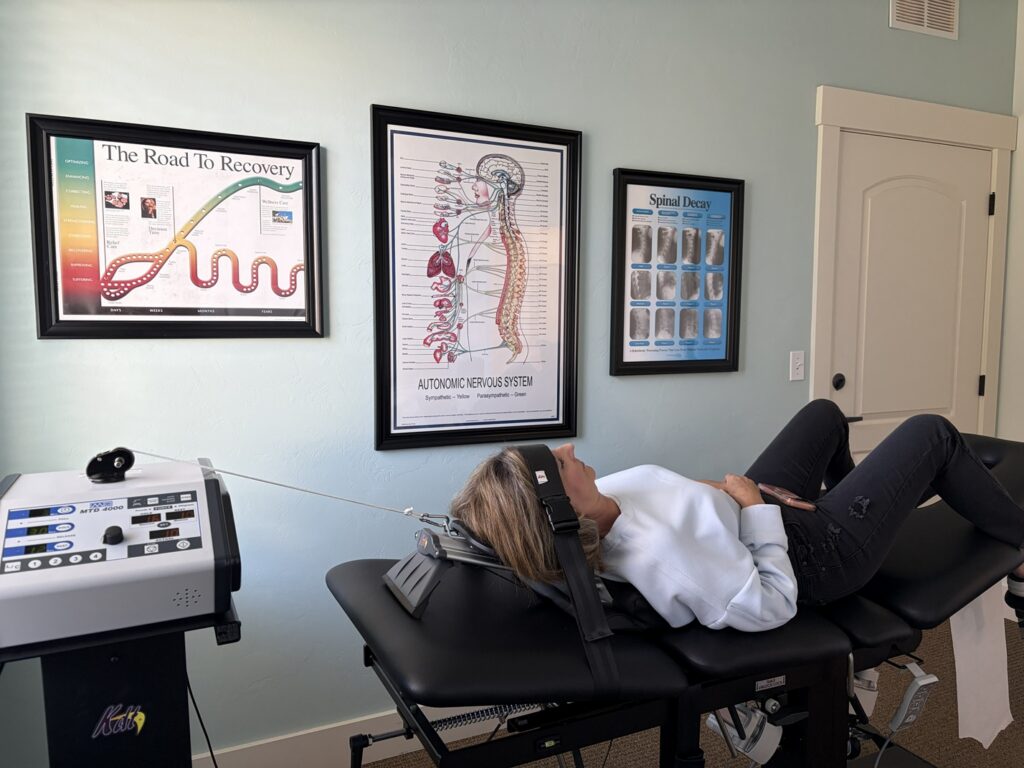
In addition to manual therapies, a chiropractor may incorporate various modalities such as heat, ice, or electrical stimulation to ease pain and promote healing. These techniques can enhance your comfort as you recover.
As you progress through your treatment, we'll continually assess your response and adjust your plan to ensure you're making steady improvements while addressing any ongoing concerns.
Ultimately, chiropractic care empowers you to take charge of your recovery journey. By following our recommendations and committing to your treatment plan, you'll build strength and resilience, enabling you to return to your favorite sports with renewed confidence.
Don't overlook the significance of chiropractic care in your path to healing; it can be a vital component of your overall health and performance.
Chiropractic Care
As a local chiropractor, I want to share with you how chiropractic care can play a crucial role in managing sports-related back pain. Many athletes, whether professional or recreational, often experience discomfort due to the physical demands of their activities. If you're facing such pain, chiropractic care offers targeted treatments that can significantly enhance your recovery journey.
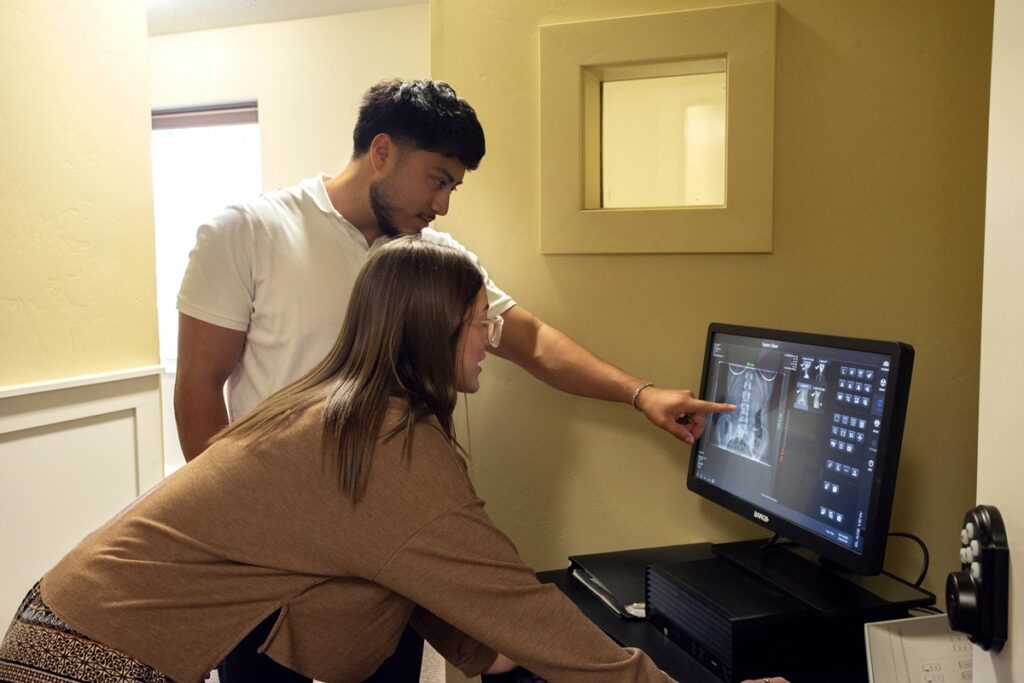
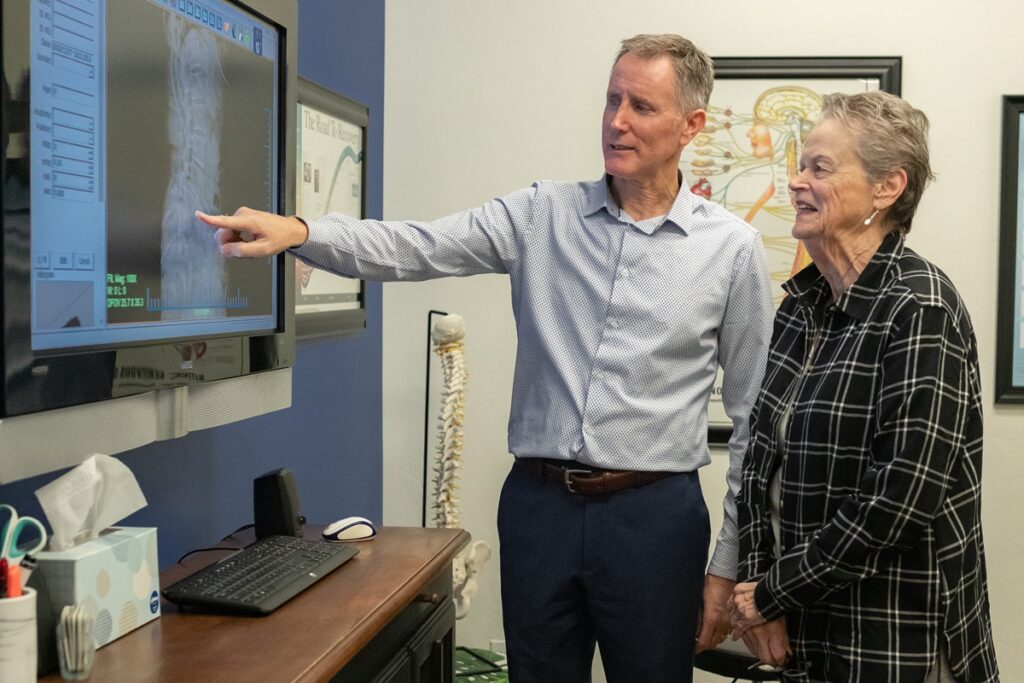
One of the first steps in your care will be a thorough assessment. I'll evaluate your spine, posture, and overall biomechanics to identify the root cause of your discomfort. This personalized approach ensures that your treatment plan is tailored specifically to your needs, leading to more effective results.
A key technique I use in chiropractic care is spinal manipulation. This hands-on method aims to realign the vertebrae, reducing nerve irritation and restoring proper function to your body. By correcting misalignments, many patients experience considerable relief from pain and improved mobility, which is essential for getting back to your sport.
In addition to spinal adjustments, I often integrate a variety of other therapies into your treatment plan. This may include exercises designed to strengthen your core, guidance on proper lifting techniques, and recommendations for stretching routines to enhance flexibility.
By addressing both immediate pain relief and long-term prevention, chiropractic care helps you not only perform at your best but also minimizes the risk of future injuries.
Regular visits to my office can also contribute to better overall spinal health. This proactive approach keeps your back pain under control and ensures your body is well-equipped to handle the physical demands of your sport.
If you're experiencing sports-related back pain, I encourage you to consider chiropractic care as a valuable resource in your recovery efforts and for enhancing your athletic performance. Together, we can pave the way for a healthier, pain-free future.
Massage Therapy
As a local chiropractor, I want to share how massage therapy can significantly benefit those suffering from sports-related back pain.
By incorporating various techniques, massage therapy offers effective pain relief and can greatly improve your overall well-being.
It's important to understand that while massage is a valuable tool, it works best when combined with chiropractic care to address the underlying issues causing your discomfort.
When selecting a therapist, ensure they're qualified and experienced to maximize your healing journey.
Together, we can help you achieve optimal health and recovery.
Techniques for Pain Relief
When it comes to managing sports-related back pain, many people find it can be quite challenging to discover effective relief. As a local chiropractor, I want to share some valuable techniques that can help alleviate your discomfort naturally.
One powerful method we often recommend is massage therapy, which focuses on the muscles and connective tissues around your spine. Skilled therapists apply pressure to specific areas, which can help reduce tension, enhance circulation, and promote relaxation.
For those experiencing chronic tension, deep tissue massage is particularly beneficial. This technique delves into the deeper layers of muscle and fascia, working to break down adhesions and release long-held tightness.
Alternatively, trigger point therapy can be an excellent choice for addressing specific tight areas within the muscles that may be contributing to your pain.
If you prefer a softer approach, Swedish massage is another option to consider. It utilizes long, flowing strokes that not only promote relaxation but also improve blood flow, which is essential for healing.
Regardless of which technique you choose, effective communication with your therapist is crucial. Be sure to discuss your pain levels and any specific areas of discomfort so they can tailor the treatment to your needs.
In addition to massage therapy, we often recommend incorporating gentle stretching and strengthening exercises into your routine. This holistic approach not only provides immediate relief but also plays a significant role in preventing future injuries.
I encourage you to explore these massage techniques and discover what works best for you on your journey to recovery. As your chiropractor, I'm here to guide you through natural healing methods that can enhance your overall well-being.
Benefits of Regular Sessions
As a local chiropractor, I want to share with you the incredible benefits of incorporating regular massage therapy into your wellness routine. Many people may not realize that massage therapy goes beyond just providing immediate relief from pain; it plays a crucial role in enhancing your overall health and athletic performance.
Consistent massage sessions can significantly alleviate muscle tightness and improve flexibility, allowing you to maintain a greater range of motion. This is particularly important for those engaged in sports, as it can help prevent injuries that often arise from restricted movement.
Moreover, regular massage therapy fosters improved circulation throughout your body. This means that essential oxygen and nutrients are delivered more efficiently to your muscles, facilitating quicker recovery and reducing post-exercise soreness.
Additionally, the relaxation and stress relief that come from massage can enhance your mental clarity and focus, both of which are vital for achieving peak performance in your activities.
Establishing a routine with massage therapy also provides an opportunity to identify and address any underlying issues before they develop into more serious concerns. By regularly tuning into your body, you can gain a better understanding of your physical condition and make necessary adjustments to your training regimen.
In the long run, the benefits of regular massage therapy can lead to improved performance, a lower risk of injury, and a more enjoyable experience in your pursuits.
I encourage you to consider adding regular massage sessions to your wellness routine for these lasting advantages. Together, we can work towards your health and performance goals through a holistic approach that includes chiropractic care and natural healing methods.
Choosing a Qualified Therapist
Finding a qualified chiropractor for your back pain and overall wellness is crucial for achieving optimal health and ensuring your safety. Start by looking for a licensed chiropractor who specializes in sports-related injuries, as they're well-versed in the specific needs of athletes. Verify their credentials and make sure they're certified by a recognized chiropractic organization. This guarantees they've undergone extensive training and possess a deep understanding of sports chiropractic care.
Next, consider their experience. It's beneficial to choose a chiropractor who's worked with athletes and understands the unique demands of your sport. Inquire about their familiarity with techniques that can alleviate back pain, such as spinal adjustments, soft tissue therapy, or rehabilitation exercises.
Don't hesitate to read reviews or seek recommendations from fellow athletes or friends who've had positive experiences. Personal testimonials can offer valuable insights into the chiropractor's approach and effectiveness.
When you meet with a potential chiropractor, pay attention to how they communicate. They should listen to your concerns, perform a comprehensive assessment, and create a personalized treatment plan tailored to your specific needs.
Lastly, trust your instincts. You should feel comfortable and confident in their abilities. Finding the right chiropractor may take some time, but it's a worthwhile effort to ensure you receive the best care for your sports-related back pain and overall health.
Acupuncture
As a local chiropractor, I want to share with you an effective approach to alleviating sports-related back pain that aligns with our natural healing philosophy. One such method is acupuncture, an ancient practice that can complement chiropractic care beautifully.
Acupuncture involves the insertion of fine needles into specific points on the body, stimulating the flow of your body's natural energy, known as "Qi." This technique can help reduce inflammation, enhance circulation, and relieve pain, particularly in the back, which is crucial for athletes and active individuals.
When you visit a practitioner for acupuncture, the process typically begins with a thorough assessment of your condition. The acupuncturist will ask about your symptoms, lifestyle, and any previous injuries to personalize your treatment.
While you may feel a slight sensation as the needles are inserted, many people report a sense of relaxation and even drowsiness as the session progresses.
One of the significant advantages of acupuncture is its ability to work in harmony with other treatments, including chiropractic care. By integrating acupuncture into your recovery plan, you can enhance pain relief and support your body's healing process.
Many athletes who've tried acupuncture alongside chiropractic adjustments find that it not only alleviates their back pain but also boosts their overall performance by improving recovery times.
It's important to remember that results may vary from person to person. Consulting with a qualified practitioner ensures you receive the best possible care tailored to your needs.
If you're seeking a non-invasive method to manage your sports-related back pain, I encourage you to consider acupuncture as part of your holistic approach to health and wellness. You might be pleasantly surprised by how effective it can be in supporting your recovery and enhancing your athletic performance.
Stretching and Strengthening
As a chiropractor, I often see patients who struggle with sports-related back pain. One of the most effective ways to manage and prevent this discomfort is by incorporating stretching and strengthening exercises into your daily routine. Stretching plays a vital role in improving flexibility, which is essential for maintaining proper body mechanics during your physical activities. When your muscles are limber, they can provide better support for your spine, ultimately reducing the risk of injury.
I recommend starting with gentle stretches such as the cat-cow pose or the child's pose. These stretches specifically target your back, hips, and hamstrings. Make sure to hold each stretch for 20-30 seconds and focus on deep breathing to help relax your muscles.
Equally important is strengthening your core. A robust core stabilizes your spine and helps distribute forces evenly across your body, which minimizes strain on your back. Exercises like planks, bridges, and bird-dogs are excellent choices. They engage not just your abdominal muscles but also your lower back, glutes, and hips. Aim for two to three sets of each exercise, performing 10-15 repetitions, and gradually increase the intensity as you build strength.
Consistency is key to seeing results. I encourage you to set aside dedicated time each week for these exercises, and remember that it's perfectly fine to modify them to match your fitness level. By integrating both stretching and strengthening into your routine, you can alleviate back pain and enhance your overall athletic performance.
It's important to understand that a strong and flexible body is less susceptible to injuries, allowing you to stay active and enjoy your favorite sports. So, why not start today? You'll be amazed at the positive difference these practices can make in your life!
Pain Medication
As a local chiropractor, I want to help you understand how to manage sports-related back pain effectively, focusing on natural healing methods.
While pain medication, including over-the-counter options and prescription medications, can provide temporary relief, I encourage you to consider alternatives that promote long-term wellness.
Chiropractic care offers a holistic approach to addressing the underlying causes of your discomfort. Through spinal adjustments and targeted therapies, we can help restore proper alignment and function, which can lead to lasting relief without the side effects often associated with pain medications.
Additionally, incorporating topical treatments and exercises can further support your recovery.
Over-the-Counter Options
As a local chiropractor, I often see athletes who are dealing with sports-related back pain. Many of you might turn to over-the-counter pain medications for quick relief, and while they can provide temporary comfort, I want to encourage you to explore a more holistic approach to healing your body.
Nonsteroidal anti-inflammatory drugs (NSAIDs) like ibuprofen and naproxen are commonly used to reduce inflammation and alleviate pain, allowing you to continue with your activities. However, it's important to be mindful of how often you rely on these medications. Following the recommended dosage on the label is essential to avoid potential side effects such as gastrointestinal issues or kidney problems.
If you find yourself frequently reaching for these pills, it may be a sign to reassess your training routine or seek professional guidance.
Another option is acetaminophen, which can help relieve pain but doesn't address inflammation as effectively as NSAIDs. While it might seem appealing, especially if you want to avoid gastrointestinal discomfort, it's crucial to remember that this is just a Band-Aid solution.
I believe that combining over-the-counter options with natural healing methods can significantly enhance your recovery. Techniques such as chiropractic adjustments, rest, and modalities like ice or heat therapy can help address the root cause of your pain rather than just masking symptoms.
Your health should always be the top priority. If your back pain persists, I encourage you to consult with a healthcare professional, such as a chiropractor, who can provide personalized care and support your journey to long-term wellness.
Together, we can work towards not just alleviating pain but also improving your overall function and performance.
Prescription Pain Relievers
If you find that over-the-counter pain relievers aren't easing your sports-related back pain, it may be time to consider other options, including the benefits of chiropractic care.
As a chiropractor, I want to emphasize that there are natural and holistic approaches to managing pain that can be effective without relying solely on prescription medications.
Chiropractic care focuses on the musculoskeletal system and can help alleviate pain by promoting proper alignment and function of the spine.
By addressing the root cause of your discomfort, we can often reduce inflammation and improve mobility, which allows you to return to your activities more quickly and safely.
While some individuals may still require stronger medications, such as nonsteroidal anti-inflammatory drugs (NSAIDs) or opioids, I encourage you to explore natural alternatives first.
NSAIDs like ibuprofen or naproxen can provide temporary relief, but they may come with side effects that can impact your overall health.
Chiropractic adjustments, on the other hand, aim to treat the underlying issues without the same risks.
If your pain is intense, it's crucial to discuss your symptoms with a healthcare professional who understands your unique needs.
We can work together to develop a comprehensive treatment plan that may include chiropractic adjustments, physical therapy, and lifestyle modifications to promote long-term recovery.
Remember, while prescription medications can offer temporary relief, they should be part of a broader strategy that includes natural healing methods.
Topical Pain Treatments
As a chiropractor, I want to introduce you to the benefits of topical pain treatments for managing sports-related back pain. These treatments can provide relief right where you feel discomfort, making them a convenient option for many individuals. Available in forms like creams, gels, and patches, they allow you to focus on specific areas that may be causing you pain.
When you apply these products directly to your skin, they work by penetrating the surface to deliver targeted relief, often without the systemic side effects that can accompany oral medications. Common ingredients you might encounter in these topical treatments include menthol, camphor, and capsaicin. Menthol creates a soothing cooling sensation, while capsaicin can generate warmth and help diminish pain signals over time. Both ingredients can be beneficial for alleviating muscle aches and stiffness that you might experience during physical activity.
To achieve the best results, it's essential to clean and dry the affected area before applying any topical product. Always follow the instructions provided on the packaging regarding how often to apply the treatment and how much to use. Be cautious not to apply these products on broken skin or in combination with heat sources, as this can lead to increased irritation.
If you're uncertain about which topical product would be best for your condition, I encourage you to consult with me or another healthcare professional. We can help you find the right formulation based on your specific symptoms and your level of activity.
Topical treatments can be a valuable addition to your pain management strategy, and I'm here to support you in your journey toward effective relief.
Heat and Cold Therapy
As a local chiropractor dedicated to helping you manage sports-related back pain, I want to share some valuable insights about heat and cold therapy. These natural methods can be incredibly effective in alleviating discomfort after your physical activities by influencing blood flow and reducing inflammation.
When you apply heat to the affected area, it serves to relax and loosen your tissues, which in turn increases circulation. This is particularly beneficial if you're experiencing muscle soreness or stiffness. You might consider using a heating pad, a warm towel, or even indulging in a warm bath. For optimal results, aim for about 15 to 20 minutes of heat application. Just be cautious to ensure the heat isn't too intense to avoid any burns.
On the other hand, cold therapy is an excellent option for reducing inflammation and numbing sharp pain. It's particularly effective when used immediately after an injury or during flare-ups. Using an ice pack or a bag of frozen peas wrapped in a towel can significantly help decrease swelling and alleviate your pain. Similar to heat therapy, you should apply cold therapy for 15 to 20 minutes at a time, and make sure to take breaks in between applications.
Combining both heat and cold therapies can also yield remarkable benefits. By alternating between these treatments, you can enhance blood flow while effectively reducing inflammation. However, it's essential to pay attention to your body's responses. If one method provides you with more relief than the other, feel free to focus on that approach.
With heat and cold therapy, you have versatile tools at your disposal to help manage your back pain and maintain an active lifestyle. If you have any questions or need further guidance on how to implement these therapies, don't hesitate to reach out. I'm here to support you on your journey to better health through natural healing methods.
Yoga and Pilates
As a local chiropractor dedicated to your overall well-being, I want to share how incorporating yoga and Pilates into your routine can significantly help with sports-related back pain.
These practices aren't just about improving flexibility and strength; they play a crucial role in preventing injuries.
By integrating mindful movements, yoga and Pilates also enhance the mind-body connection, which is essential for the healing process.
Embracing these techniques alongside chiropractic care can lead to a more holistic approach to your recovery and overall health.
Flexibility and Strength Benefits
As a local chiropractor, I want to emphasize the importance of flexibility and strength in managing sports-related back pain. Many patients may not be aware that practices such as yoga and Pilates can significantly enhance these qualities, ultimately contributing to better overall health and pain relief.
Here are some key benefits of incorporating yoga and Pilates into your routine for back pain management:
- Increased Flexibility: Regular practice of these disciplines can help lengthen tight muscles, which improves your range of motion and reduces stiffness. This is crucial for maintaining a healthy spine and preventing pain.
- Enhanced Core Strength: Both yoga and Pilates emphasize building strength in your core muscles. A strong core supports your spine and promotes proper posture during daily activities, which is vital for preventing back pain.
- Improved Balance: Engaging in these practices can enhance your body awareness and stability. This reduces the risk of falls and injuries, which can exacerbate existing back pain.
- Stress Reduction: The mindfulness and breathing techniques taught in yoga and Pilates can lower stress levels. Since stress often contributes to muscle tension and discomfort, these practices can be a natural way to alleviate pain.
Incorporating yoga and Pilates into your routine can be a beneficial complement to chiropractic care, enhancing your recovery and overall well-being.
If you're interested in learning more about how these practices can support your journey to a pain-free life, feel free to reach out!
Injury Prevention Techniques
As a local chiropractor, I want to share with you some valuable insights on how incorporating injury prevention techniques through practices like yoga and Pilates can significantly reduce your risk of back injuries during sports.
These disciplines focus on developing core strength, flexibility, and body awareness, all of which are vital for maintaining proper posture and alignment as you engage in physical activities.
In yoga, you'll encounter various poses designed to strengthen your back muscles and enhance your overall flexibility. Poses such as Downward Dog and Cat-Cow are particularly effective in stretching and fortifying the spine, helping to make it more resilient against injuries.
On the other hand, Pilates emphasizes controlled movements that specifically target your core. Exercises like the Hundred and Plank are excellent for building endurance in your core muscles, which play a crucial role in supporting your back during athletic pursuits.
Integrating these techniques into your routine can also improve your balance and coordination, further minimizing the likelihood of falls or awkward movements that could lead to injury.
Regular practice of yoga and Pilates fosters a stronger mind-body connection, heightening your awareness of your body's limits and capabilities.
By prioritizing these injury prevention techniques, you aren't only enhancing your athletic performance but also setting the stage for a healthier, more enjoyable sports experience.
Mind-Body Connection in Healing
As a local chiropractor, I want to emphasize the significant role that practices like yoga and Pilates can play in your healing journey. These activities not only help in preventing injuries but also cultivate a vital mind-body connection that enhances your overall health.
By engaging in yoga and Pilates, you can learn to better tune into your body, which helps you identify pain and tension more effectively.
Here are some essential benefits of incorporating yoga and Pilates into your routine, especially as you explore chiropractic care:
- Improved Flexibility: Regular practice of these disciplines increases your range of motion, supporting muscle recovery and alleviating stiffness, which can complement the adjustments you receive in chiropractic care.
- Strength Building: Yoga and Pilates help strengthen your core muscles, providing better support for your spine. This is crucial in reducing the risk of back pain and enhancing the effectiveness of chiropractic treatments.
- Enhanced Body Awareness: By practicing these methods, you'll develop a greater awareness of your body, allowing you to detect areas of discomfort and adjust your movements. This awareness is beneficial during your chiropractic sessions, as it enables more effective communication with your chiropractor about your needs.
- Stress Reduction: The mindfulness aspects of yoga and Pilates can significantly lower stress levels. Since stress can exacerbate physical pain, reducing it's essential for your healing process.
Ergonomic Assessments
As a local chiropractor, I want to share with you the importance of ergonomic assessments in preventing sports-related back pain. Many people may not realize how critical proper posture and movement patterns are for overall health, especially when engaging in physical activities. An ergonomic assessment can help you understand how your body interacts with your environment, revealing potential risk factors that could lead to discomfort or injury.
During an ergonomic assessment, I'll closely observe your body mechanics. This includes how you lift, bend, and perform movements specific to your sport. Together, we'll identify any improper techniques or misalignments that could be putting unnecessary strain on your back. By recognizing these patterns, you can gain valuable insights into improving your performance while also reducing the risk of injury.
After the assessment, I may suggest simple yet effective changes based on my findings. This could involve adjusting your workstation setup, incorporating supportive equipment, or modifying your lifting techniques. These seemingly minor adjustments can make a substantial difference in your back health.
Moreover, I'll provide personalized recommendations that are tailored specifically to your sport and physical needs. Incorporating these recommendations into your training routine can significantly enhance your athletic performance while safeguarding your back. It's important to maintain a neutral spine and effectively engage your core muscles during any activity.
Lifestyle Modifications
As a local chiropractor dedicated to helping you understand and manage sports-related back pain, I want to emphasize the importance of lifestyle modifications. Many people are unaware of how their daily habits can impact their back health, but even small changes can lead to significant improvements.
Here are some essential adjustments to consider:
- Maintain a healthy weight: Carrying excess weight can place additional strain on your back. A balanced diet combined with regular exercise is key to shedding unwanted pounds and supporting your spine.
- Incorporate stretching and strengthening exercises: It's vital to focus on your core and back muscles. Engaging in activities like yoga and Pilates can enhance your flexibility and stability, providing the support your spine needs.
- Prioritize good posture: Whether you're sitting at a desk or standing, maintaining a neutral spine is crucial for alleviating pressure on your back. If possible, invest in ergonomic furniture, and be conscious of your body alignment throughout the day.
- Stay hydrated: Proper hydration is essential for the health of your spinal discs. Dehydration can lead to stiffness and discomfort, so make it a point to drink water regularly.
By implementing these lifestyle modifications, you can take proactive steps toward better back health and overall well-being.
Conclusion
As a local chiropractor, I want to share with you how incorporating these 10 effective treatments can significantly alleviate your sports-related back pain and enhance your athletic performance. Chiropractic care, along with options like massage therapy and yoga, plays a crucial role in your recovery process. These treatments are designed to restore balance, improve mobility, and promote healing naturally.
It's also vital to consider lifestyle modifications and ergonomic assessments as part of your healing journey. By making small adjustments in your daily habits and environment, you can create a supportive foundation for your recovery.
Taking a proactive approach to your health and well-being is essential. By engaging in these strategies, you can pave the way for a stronger, pain-free athletic experience. I encourage you to start incorporating these treatments today, and together we can work towards achieving your performance goals without the hindrance of pain.