Scoliosis is one of those conditions that can feel overwhelming when you first hear the diagnosis — whether it’s for yourself or someone you love. The idea of a curved spine brings up a lot of questions, and often a fair amount of worry. But here’s something important to know: scoliosis doesn’t have to define your quality of life, and many people find meaningful relief and support through conservative, non-invasive care. At The Chiropractor at Castlebury in Eagle, ID, Dr. Craig Ellison and Dr. Kristin Moore work with scoliosis patients regularly, helping them understand their condition and move forward with confidence.
What Is Scoliosis?
Scoliosis defined: Scoliosis is an abnormal lateral (sideways) curvature of the spine. Instead of running in a relatively straight vertical line when viewed from behind, the spine curves to one side — and sometimes rotates as well. It can appear as a gentle “S” or “C” shape and can range from mild to more severe.
Understanding Scoliosis: More Than Just a Curved Spine
When most people think of scoliosis, they picture a simple curve in the back. But the reality is a bit more nuanced. Scoliosis involves the spine curving sideways — but it often also involves rotation of the vertebrae themselves. This three-dimensional nature of the condition is part of what makes it so important to have it properly evaluated and monitored by a qualified professional.
The condition is most commonly identified during childhood or adolescence, often during a school screening or a routine physical. However, scoliosis can also develop in adults, particularly as a result of spinal degeneration over time. Regardless of when it appears, living with scoliosis means understanding how the spine’s altered alignment can affect surrounding muscles, joints, and nerves.
Many people with mild to moderate scoliosis live full, active lives without significant limitations. The key is understanding your specific curve, staying proactive about spinal health, and working with care providers who are experienced in conservative management. That’s exactly the kind of partnership that Dr. Craig Ellison and Dr. Kristin Moore strive to build with every patient at The Chiropractor at Castlebury in Eagle, ID.
Common Causes and Types of Scoliosis
Scoliosis isn’t one-size-fits-all. There are several different types, each with its own underlying cause and trajectory. Understanding which type you or your child has is an important starting point for any care plan.
The most common form is idiopathic scoliosis, which means the cause isn’t fully known. It accounts for the vast majority of scoliosis cases and most often appears in adolescents during periods of rapid growth. Researchers believe genetics may play a role, as the condition does tend to run in families, but no single cause has been definitively identified.
Degenerative scoliosis develops in adults, typically later in life, as spinal discs and joints wear down unevenly. This type is particularly relevant for older adults experiencing new onset back pain, stiffness, or changes in posture. Congenital scoliosis is present from birth and occurs due to abnormal vertebral development in the womb. Neuromuscular scoliosis is associated with conditions that affect the muscles and nerves supporting the spine, such as cerebral palsy or muscular dystrophy.
No matter the type, each case of scoliosis is unique. The curvature, its location in the spine, the patient’s age, and the presence of any related symptoms all factor into how the condition should be approached and managed.
Signs and Symptoms to Watch For
Scoliosis is sometimes called a “silent” condition because it may develop gradually without causing obvious pain — especially in younger patients. That’s one reason why regular checkups and screenings are so valuable. Still, there are signs that may indicate a spinal curve is present or progressing.
One of the most visible indicators is uneven shoulders — one shoulder blade appearing more prominent or sitting higher than the other. Similarly, the hips may look uneven, with one side appearing elevated. When a person with scoliosis bends forward, a rib hump may become visible on one side of the back. The head may appear slightly off-center in relation to the pelvis. Clothing may seem to hang unevenly, or one pant leg may look longer than the other.
In terms of physical discomfort, scoliosis can contribute to muscle fatigue and back pain, particularly after standing or sitting for extended periods. Some patients experience tightness in the back, reduced range of motion, or a general sense of imbalance. In more severe cases, curvature of the spine can affect chest space and breathing, though this is less common in mild to moderate presentations.
Here in Eagle, ID, patients often come into The Chiropractor at Castlebury after noticing postural changes or experiencing nagging back discomfort that hasn’t responded well to rest alone. A thorough evaluation with Dr. Craig Ellison or Dr. Kristin Moore can help clarify whether scoliosis — or another structural issue — may be contributing to those symptoms.
How Chiropractic Care Fits Into Scoliosis Management
One of the most common questions people ask is: “Can a chiropractor help with scoliosis?” The honest, accurate answer is: yes — chiropractic care can play a meaningful and supportive role in the management of scoliosis, particularly for mild to moderate cases. However, it’s important to set realistic expectations. Chiropractic care is not a cure for scoliosis and cannot straighten a structurally curved spine. What it can do is address the secondary effects of that curve and support better overall spinal function.
Chiropractic adjustments focus on improving joint mobility, reducing areas of dysfunction in the spine, and helping the surrounding musculature work more efficiently. For someone with scoliosis, this can translate to reduced muscle tension, improved range of motion, and less day-to-day discomfort. Evidence suggests that conservative care — including chiropractic — may help manage symptoms and support spinal stability in scoliosis patients.
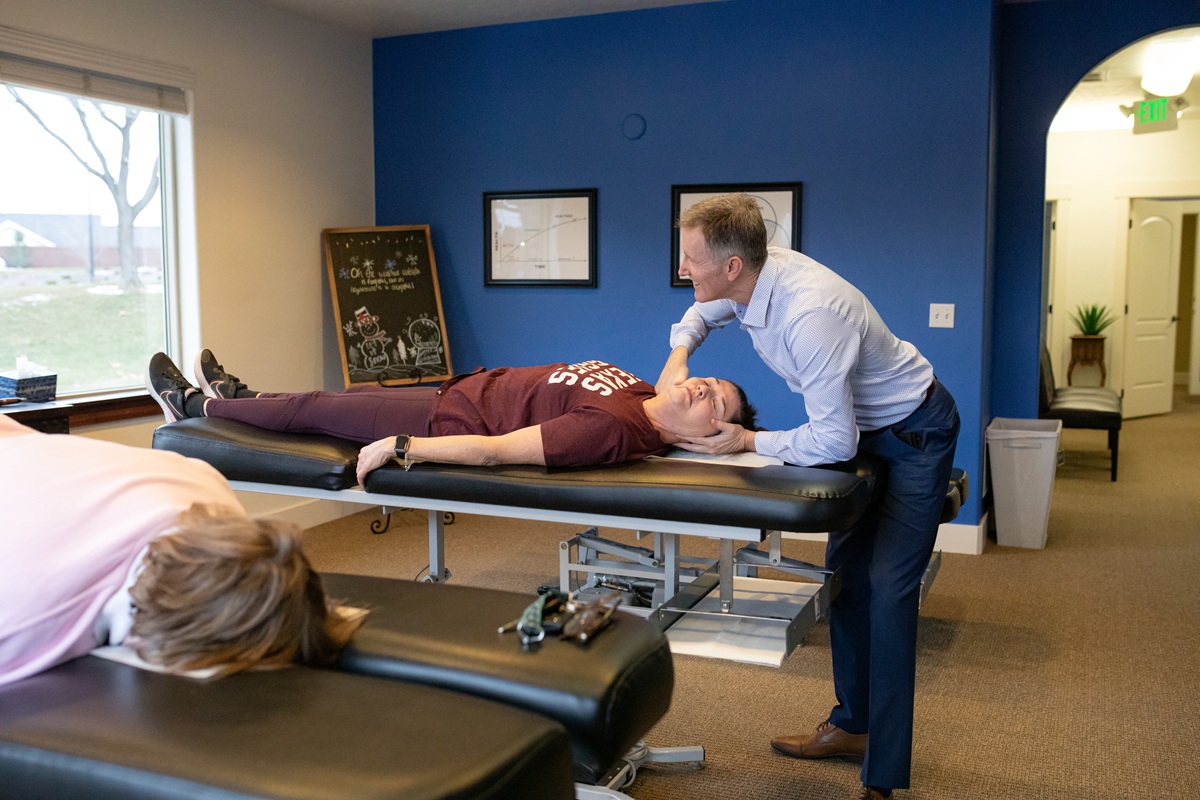
At The Chiropractor at Castlebury, Dr. Craig Ellison and Dr. Kristin Moore take a thorough, individualized approach with each scoliosis patient. This typically begins with a detailed assessment of posture, range of motion, and spinal alignment. Depending on the findings, care may include gentle spinal adjustments, soft tissue work to address muscle imbalances, and specific recommendations for stretching and movement that support the spine.
Chiropractic care also emphasizes education. Understanding your spine’s unique pattern helps you make smarter choices about daily habits, posture, activity levels, and long-term wellness. Many patients find that regular visits help them feel more in control of their condition rather than at the mercy of it.
It’s also worth noting that chiropractic care works well alongside other treatment approaches. For adolescents who may also be working with an orthopedic specialist or wearing a brace, chiropractic care can be a complementary part of the overall strategy. The goal is always the best possible outcome for the patient — and that often means collaboration across disciplines.
Practical Tips for Living Well With Scoliosis
Managing scoliosis isn’t just about what happens in the chiropractic office. The choices you make every day have a real impact on how your spine feels and functions. Here are some practical, evidence-aligned habits that can support your spinal health between visits.
Stay active. Movement is medicine for a spine affected by scoliosis. Low-impact activities like walking, swimming, and cycling are generally well-tolerated and help maintain core strength and spinal mobility without placing excess stress on an already uneven structure. Strong core muscles provide essential support for the spine, which is especially important when alignment is compromised.
Be mindful of posture. Poor posture habits can amplify the discomfort associated with scoliosis. Whether you’re sitting at a desk, looking at your phone, or carrying a bag, being aware of how you hold your body matters. Ergonomic adjustments — like using a chair with good lumbar support or wearing a backpack over both shoulders instead of one — can reduce the strain on your spine throughout the day.
Prioritize sleep position. Sleeping on your back or side with proper pillow support is generally recommended for those with spinal conditions. A supportive mattress that maintains spinal alignment without creating pressure points can make a significant difference in how you feel each morning.
Stay consistent with care. Regular chiropractic visits — even when you’re feeling relatively well — help monitor any changes in the spine and keep small issues from becoming larger ones over time. Dr. Craig Ellison and Dr. Kristin Moore at The Chiropractor at Castlebury in Eagle, ID are committed to long-term partnerships with their patients, not just short-term fixes.
When to See a Chiropractor for Scoliosis
If you or your child has been diagnosed with scoliosis, or if you suspect a spinal curve may be developing, it’s a good idea to schedule a chiropractic evaluation sooner rather than later. Early assessment allows for a clearer picture of the curve’s extent and provides a baseline for monitoring over time.
You should consider reaching out to a chiropractor if you notice uneven shoulders or hips, if back pain or muscle fatigue is interfering with daily activities, or if you’ve been told you have a mild to moderate curve and are looking for conservative management options. Adults experiencing new onset back pain with a history of scoliosis — or who have developed degenerative changes — may also benefit from evaluation and care.
There are, however, certain red flags that warrant prompt medical attention rather than chiropractic care alone. If you experience significant difficulty breathing, sudden worsening of a curve, loss of bladder or bowel control, or severe neurological symptoms such as numbness or weakness in the legs, please seek medical evaluation right away. A good chiropractor will always refer out when a situation falls outside the appropriate scope of conservative care. Dr. Craig Ellison and Dr. Kristin Moore take this responsibility seriously and are committed to ensuring every patient receives the right level of care for their specific situation.
Scoliosis Management: Conservative Care vs. Other Approaches
|
Approach |
Goal |
Best For |
Invasiveness |
|---|---|---|---|
|
Chiropractic Care |
Improve joint mobility, reduce muscle tension, manage symptoms |
Mild to moderate scoliosis; symptom management |
Non-invasive |
|
Observation / Monitoring |
Track curve progression over time |
Small curves, young patients still growing |
Non-invasive |
|
Bracing |
Slow or prevent curve progression during growth |
Adolescents with moderate curves who are still growing |
Non-invasive, external device |
|
Physical Therapy |
Strengthen core and postural muscles, improve movement patterns |
All curve types; often used alongside other approaches |
Non-invasive |
|
Surgical Intervention |
Correct severe curvature and prevent further progression |
Severe curves (typically 40–50+ degrees) or rapid progression |
Invasive; typically a last resort |
Myths vs. Facts About Scoliosis
Myth: Scoliosis only affects teenagers.
Fact: While adolescent idiopathic scoliosis is the most well-known form, scoliosis can develop at any age. Degenerative scoliosis, which occurs as spinal discs and joints wear down unevenly over time, is actually quite common in adults — particularly older adults. Anyone at any stage of life can be affected.
Myth: Chiropractic care can straighten a scoliotic spine.
Fact: Chiropractic care cannot structurally straighten a spine affected by scoliosis. What it can do — and does effectively — is help manage the associated symptoms, improve joint function, reduce muscle imbalances, and support a better quality of life. Honest, evidence-based care means setting accurate expectations from the start.
Myth: If scoliosis doesn’t hurt, it doesn’t need attention.
Fact: Scoliosis can be present and progressing without causing significant pain — especially in younger patients. Regular monitoring is important because early intervention, when indicated, tends to produce better long-term outcomes than waiting until symptoms become severe. Don’t wait for pain to seek an evaluation.
Myth: People with scoliosis shouldn’t exercise.
Fact: Quite the opposite. Appropriate physical activity is encouraged for most people with scoliosis. Exercise supports core strength, flexibility, and overall spinal health. The key is choosing activities that are appropriate for your specific curve and working with a knowledgeable provider to tailor recommendations to your needs.
Myth: Scoliosis always leads to surgery.
Fact: The vast majority of scoliosis cases — particularly those with mild to moderate curves — are managed conservatively and never require surgical intervention. Surgery is typically considered only when curves are severe or rapidly progressing and other approaches have not been sufficient. Most people with scoliosis manage their condition well without surgery.
Final Thoughts from The Chiropractor at Castlebury
Living with scoliosis doesn’t have to mean living in pain or worry. With the right support, the right information, and a proactive approach to spinal health, most people with scoliosis can lead active, fulfilling lives. Conservative care — including chiropractic — plays an important and well-supported role in that journey for many patients.
Here in Eagle, ID, our community is full of active, engaged people who want to feel their best at every stage of life. At The Chiropractor at Castlebury, Dr. Craig Ellison and Dr. Kristin Moore are proud to serve this community with thorough, personalized, evidence-informed care. Whether you’ve just received a scoliosis diagnosis, have been managing a curve for years, or are simply concerned about changes in your posture, our team is here to listen, evaluate, and help you find the best path forward.
You don’t have to navigate scoliosis alone. Reach out to The Chiropractor at Castlebury in Eagle, ID — we’d be honored to be part of your care team.
Frequently Asked Questions About Scoliosis and Chiropractic Care
Can chiropractic care help reduce scoliosis-related back pain?
Yes, chiropractic care has been shown to help manage the muscle tension, joint dysfunction, and discomfort that often accompany scoliosis. While it doesn’t correct the underlying curve, it can meaningfully reduce pain and improve day-to-day function for many patients. Each case is different, so a personalized evaluation is always the best starting point.
Is chiropractic care safe for children with scoliosis?
Chiropractic care is generally considered safe for children and adolescents when provided by a qualified practitioner using age-appropriate techniques. Dr. Craig Ellison and Dr. Kristin Moore assess each young patient individually and use gentle approaches that are appropriate for developing spines. Parents are always encouraged to discuss any concerns openly during the initial consultation.
How often would I need to see a chiropractor for scoliosis?
Visit frequency varies depending on the severity of the curve, the presence of symptoms, and individual goals. Some patients benefit from more frequent initial visits and then transition to a maintenance schedule, while others may need ongoing regular care. Dr. Craig Ellison and Dr. Kristin Moore will work with you to develop a schedule that makes sense for your unique situation.
Will I need X-rays before starting chiropractic care for scoliosis?
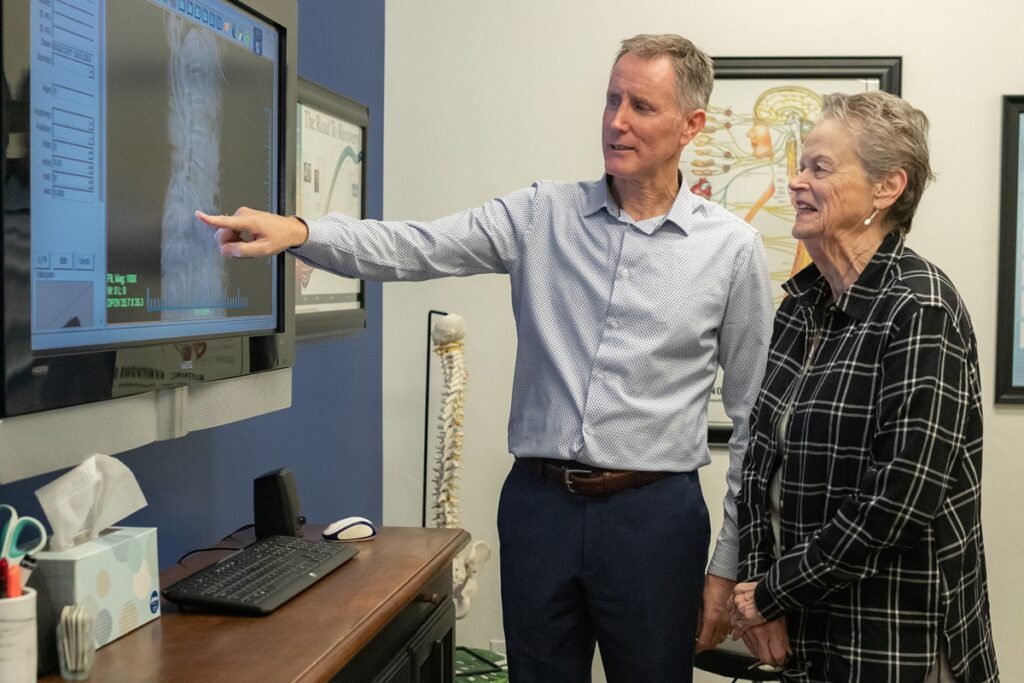
In many cases, imaging is helpful to fully understand the nature and extent of a spinal curve before beginning care. X-rays can reveal the degree of curvature, the location in the spine, and any rotational components. Your care team will determine whether imaging is indicated based on your history and examination findings.
Can adults develop scoliosis, or is it only a childhood condition?
Adults can absolutely develop scoliosis. Degenerative scoliosis develops as the spine ages and joints and discs break down unevenly. Adults may also have had scoliosis since childhood that continues to require monitoring and care. A chiropractic evaluation can help clarify the nature of any spinal changes and guide appropriate next steps.
What is the difference between scoliosis and poor posture?
Poor posture can cause the spine to appear curved, but postural issues typically self-correct when a person stands straight and makes a conscious effort to adjust. True scoliosis involves a structural curve of the spine that does not resolve simply by changing position. A proper clinical examination — and often imaging — is the most reliable way to distinguish between the two.
TL;DR Summary
-
Scoliosis is an abnormal lateral curvature of the spine that can develop at any age and ranges from mild to severe.
-
Chiropractic care cannot straighten a scoliotic spine, but it can effectively manage symptoms, improve joint function, and support quality of life.
-
Dr. Craig Ellison and Dr. Kristin Moore at The Chiropractor at Castlebury in Eagle, ID provide personalized, conservative scoliosis care for patients of all ages.
-
Staying active, maintaining good posture, and keeping regular chiropractic appointments are all important parts of living well with scoliosis.
-
Most scoliosis cases do not require surgery — conservative approaches like chiropractic care, physical therapy, and monitoring are effective for many patients.