
Neck pain has a way of making even the simplest tasks feel exhausting. Whether it sneaks up on you after a long day at your desk or shows up suddenly after sleeping in an awkward position, it has a real impact on your quality of life. Here in Eagle, Idaho, many of our patients come to The Chiropractor at Castlebury describing that same frustrating, nagging discomfort — and they’re often surprised to learn just how much chiropractic care can help. If you’ve been dealing with neck pain and wondering whether it’s time to seek care, this article is for you.
What Is Neck Pain, Exactly?
Neck pain defined: Neck pain refers to discomfort, stiffness, or soreness in the cervical spine — the seven vertebrae that make up the upper portion of your spinal column. It can range from mild tension and achiness to sharp, radiating pain that travels into the shoulders, arms, or head.
Neck pain is one of the most common musculoskeletal complaints in the country. It can be short-lived or chronic, and it often has clear, treatable causes that respond well to conservative care — like chiropractic treatment.
- What Causes Neck Pain?
- Signs and Symptoms to Watch For
- How Chiropractic Care Can Help Neck Pain
- Practical Tips for Neck Pain Relief at Home
- When to See a Chiropractor for Neck Pain
- Myths vs. Facts About Chiropractic and Neck Pain
- Final Thoughts from The Chiropractor at Castlebury
What Causes Neck Pain?
The cervical spine is an incredible structure — it supports the full weight of your head (which typically weighs around 10 to 12 pounds) while allowing a remarkable range of motion. That combination of load-bearing and mobility makes it naturally vulnerable to strain and dysfunction.
Some of the most common causes of neck pain we see at The Chiropractor at Castlebury include poor posture, prolonged screen use, muscle tension from stress, sleeping positions that strain the neck, and sudden movements like whiplash from a car accident. In many cases, the root cause isn’t a single dramatic event — it’s the slow buildup of daily habits that gradually stress the joints, muscles, and discs of the cervical spine.
Spinal misalignments, also called vertebral subluxations, can also play a significant role. When the vertebrae in your neck are not moving properly or are sitting in a less-than-ideal position, surrounding muscles often compensate by tightening up. This compensation pattern can create a cycle of stiffness, pain, and restricted movement that is difficult to break without professional care.
Degenerative changes — such as disc thinning or joint wear — are another contributor, especially in adults over 40. However, it’s important to know that having some degenerative changes on an imaging scan does not necessarily mean you’re destined to live with pain. Many people with these findings respond very well to chiropractic care and conservative treatment.
Signs and Symptoms to Watch For
Neck pain presents differently from person to person. Some people experience a dull, constant ache. Others feel sharp pain with certain movements — like turning their head to check a blind spot while driving. Still others have stiffness in the morning that gradually loosens up throughout the day.
Beyond the neck itself, symptoms can radiate outward. Tension headaches that begin at the base of the skull are extremely common with cervical spine dysfunction. You might also notice tingling or numbness down one arm, which can indicate that a nerve root in the cervical spine is being irritated or compressed. Shoulder tightness, upper back pain, and jaw discomfort are also frequently associated with neck problems.
If any of these symptoms sound familiar, you’re not alone — and more importantly, you don’t have to just push through it. There are real, effective options available to you right here in Eagle, ID.
How Chiropractic Care Can Help Neck Pain
Chiropractic care focuses on restoring proper movement and alignment to the spine, which in turn supports the surrounding muscles and nervous system. When it comes to neck pain specifically, research suggests that chiropractic adjustments — also called spinal manipulations — can be an effective, non-invasive option for reducing pain and improving function.
The American College of Physicians (ACP) guidelines for treating non-specific neck pain include spinal manipulation as a recommended first-line conservative treatment. This is meaningful because it reflects a growing consensus in the medical community that chiropractic care should be considered before more invasive options like injections or surgery.
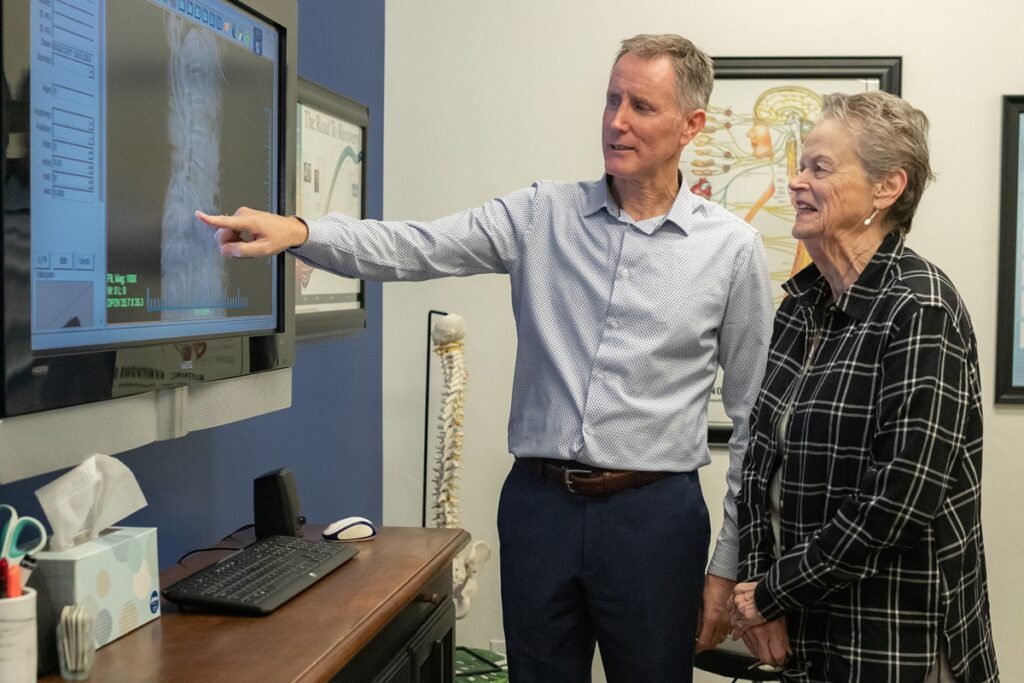
At The Chiropractor at Castlebury, Dr. Craig Ellison and Dr. Kristin Moore take a thorough, individualized approach to care. Rather than offering a one-size-fits-all adjustment, they begin with a comprehensive evaluation of your posture, range of motion, spinal alignment, and overall health history. This allows them to develop a care plan that’s genuinely tailored to your specific situation.
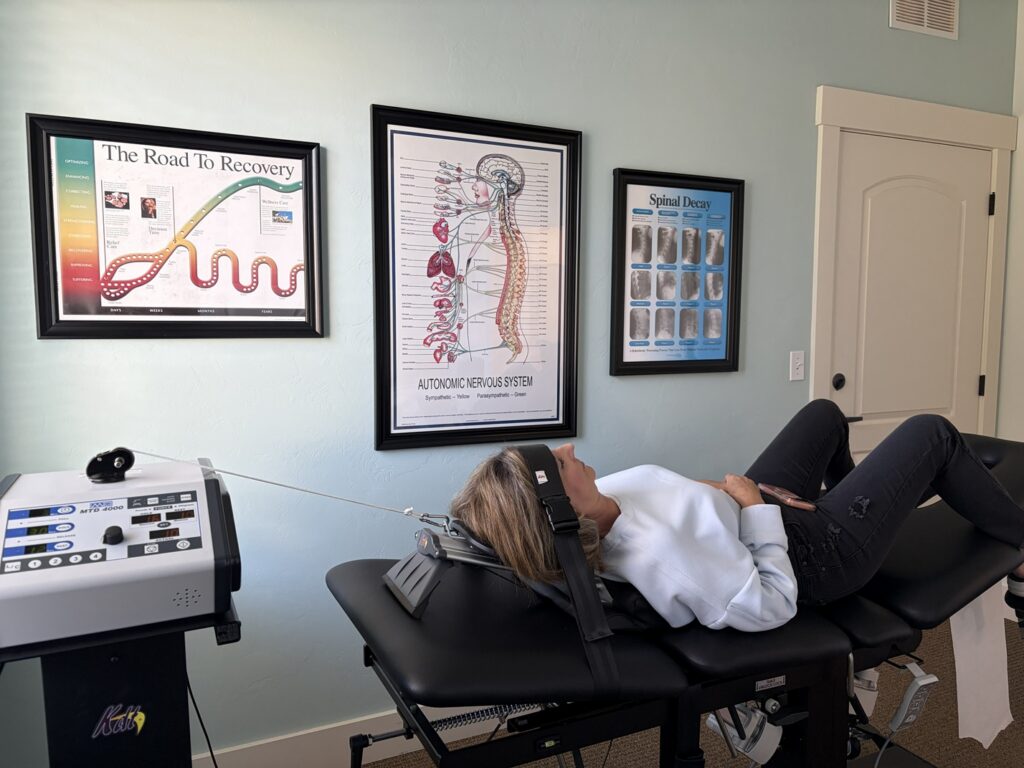
Chiropractic adjustments for neck pain typically involve gentle, controlled movements applied to specific cervical vertebrae to restore proper joint motion. Many patients notice a meaningful reduction in stiffness and discomfort after just a few visits. Beyond adjustments, Dr. Craig Ellison and Dr. Kristin Moore may also incorporate soft tissue work, postural rehabilitation, and movement guidance to support long-term recovery.
One of the most important things to understand is that chiropractic care addresses root causes — not just symptoms. Rather than masking pain with medication, chiropractic care works to correct the underlying mechanical dysfunction that is contributing to your discomfort. That distinction matters a great deal for long-term results.
Practical Tips for Neck Pain Relief at Home
While professional chiropractic care is often necessary for lasting relief, there are meaningful steps you can take at home to support your recovery and reduce daily strain on your neck.
One of the most impactful changes you can make is improving your workstation setup. If you work at a desk, your monitor should be at eye level — not angled downward. Looking down at a screen for hours each day creates enormous strain on the cervical spine, a pattern often referred to as “tech neck.” Even small ergonomic adjustments can make a big difference over time.
Sleeping position also matters more than most people realize. Sleeping on your back with a supportive pillow that maintains the natural curve of your neck is generally the most spine-friendly option. Stomach sleeping, in particular, forces the neck into extended rotation for hours at a time — a position that commonly contributes to morning stiffness and pain.
Gentle movement throughout the day is another key habit. If you sit for long periods, taking brief breaks every 30 to 45 minutes to move, stretch, and reset your posture can help prevent the muscle fatigue and joint stiffness that builds up with prolonged static positions. Stress management is also worth mentioning — many people unconsciously carry tension in their neck and shoulders during stressful periods, which can significantly worsen symptoms.
When to See a Chiropractor for Neck Pain
In general, if your neck pain has lasted more than a few days, is interfering with your daily activities, or keeps coming back, it’s worth getting a professional evaluation. Chiropractic care is a natural first step for many people — especially when pain is mechanical in origin and not linked to a serious underlying condition.
Here in Eagle, Idaho, the team at The Chiropractor at Castlebury regularly helps patients who have been putting off care, thinking the pain would resolve on its own. Sometimes it does. But chronic patterns of dysfunction often benefit greatly from earlier intervention rather than waiting it out.
There are some red flags that warrant prompt medical attention rather than chiropractic care as a starting point. These include neck pain following a significant trauma, loss of bowel or bladder control, severe arm weakness, unexplained weight loss, or fever accompanying the neck pain. In these situations, please seek medical evaluation right away. A good chiropractor will always refer out when something falls outside the scope of chiropractic care — and Dr. Craig Ellison and Dr. Kristin Moore take that responsibility seriously.
| Situation | Recommended Action |
|---|---|
| Neck stiffness after sleeping or sitting | Consider chiropractic evaluation — commonly mechanical |
| Neck pain lasting more than a week | Schedule a chiropractic visit for assessment |
| Recurring neck pain with headaches | Chiropractic care may address the root cause |
| Numbness or tingling down the arm | See a chiropractor promptly for nerve-related evaluation |
| Neck pain after a car accident (whiplash) | Seek evaluation immediately — chiropractic and/or medical |
| Neck pain with fever, severe weakness, or trauma | Seek emergency or urgent medical care first |
Myths vs. Facts About Chiropractic and Neck Pain
Myth: Chiropractic adjustments for the neck are dangerous.
Fact: Cervical chiropractic adjustments, when performed by a licensed and trained chiropractor, are considered a safe and evidence-supported treatment for neck pain. Serious adverse events are rare. Dr. Craig Ellison and Dr. Kristin Moore conduct thorough evaluations before any care is recommended, ensuring that adjustments are appropriate for each individual patient.
Myth: You’ll have to keep going forever once you start chiropractic care.
Fact: Chiropractic care plans are goal-oriented and tailored to the individual. Many patients achieve their desired outcomes in a defined course of visits. Some patients do choose to continue with periodic wellness care after their pain resolves — but that’s always a personal decision, never a requirement.
Myth: Neck pain will just go away on its own if you wait long enough.
Fact: While some acute neck pain does resolve without treatment, chronic or recurring neck pain often has an underlying mechanical cause that tends to persist or worsen without appropriate care. Getting evaluated early can prevent a short-term issue from becoming a long-term problem.
Myth: Chiropractic care is only for back pain.
Fact: Chiropractic care addresses the entire spine, including the cervical spine, as well as extremity joints and related musculoskeletal structures. Neck pain is one of the most frequently treated conditions in chiropractic practice, and evidence supports its effectiveness for cervical complaints.
Myth: If your neck hurts, you just need to rest it completely.
Fact: Complete rest and immobility can actually slow recovery from neck pain. Gentle, guided movement — including chiropractic-assisted mobility and rehabilitative exercises — is generally considered a more effective approach than prolonged rest for most types of mechanical neck pain.
Final Thoughts from The Chiropractor at Castlebury
Living with neck pain doesn’t have to be your normal. Whether your symptoms are new or something you’ve been managing for a long time, there is hope — and there are real, conservative options that don’t involve medications or surgery.
Here at The Chiropractor at Castlebury in Eagle, Idaho, Dr. Craig Ellison and Dr. Kristin Moore are passionate about helping members of this community feel better and move better. They take the time to truly understand what you’re experiencing, explain what’s happening in your body in plain language, and work with you toward lasting relief.
If neck pain has been holding you back, we encourage you to take that first step. A thorough evaluation is the starting point — and often, patients leave that first visit already feeling more hopeful than they did when they walked in. Eagle is a wonderful, active community, and you deserve to enjoy it fully without pain standing in the way.
Frequently Asked Questions About Chiropractic Care for Neck Pain
How many chiropractic visits will I need for neck pain?
The number of visits varies depending on the severity and duration of your neck pain, your overall health, and how your body responds to care. Some patients notice significant improvement within just a few visits, while more chronic cases may require a longer care plan. Dr. Craig Ellison and Dr. Kristin Moore will provide a personalized recommendation after your initial evaluation.
Is chiropractic care safe for neck pain?
Yes — when performed by a licensed chiropractor, cervical spinal adjustments are generally considered safe and are supported by evidence as a first-line conservative treatment. Your chiropractor will always review your health history and perform an assessment before recommending any specific technique.
Can a chiropractor help with tension headaches caused by neck pain?
Research suggests that chiropractic care can be effective for cervicogenic headaches — those that originate from dysfunction in the cervical spine. Many patients at The Chiropractor at Castlebury report improvement in both neck pain and associated headaches with regular care.
What should I expect during my first chiropractic visit for neck pain?
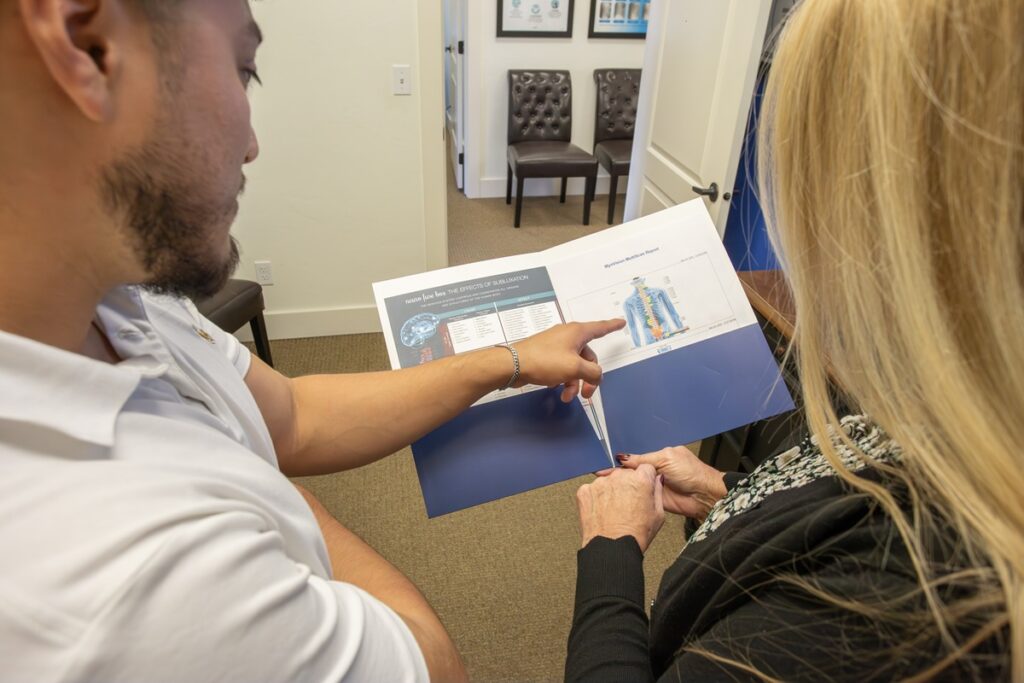
Your first visit will typically include a detailed health history review, a physical and postural assessment, and an evaluation of your cervical spine’s range of motion and alignment. Based on those findings, your chiropractor will explain their clinical impression and discuss a recommended care approach with you.
Can chiropractic care help with neck pain from whiplash?
Yes — whiplash-related neck pain is one of the most common conditions treated by chiropractors. Evidence indicates that chiropractic adjustments, combined with soft tissue therapy and rehabilitative guidance, can support recovery from whiplash injuries effectively.
Do I need a referral to see a chiropractor for neck pain?
In most cases, no referral is needed to see a chiropractor. Chiropractors are primary contact providers, meaning you can schedule directly without needing to see another physician first. If you’re located in or near Eagle, Idaho, you can reach out to The Chiropractor at Castlebury directly to get started.
TL;DR — Key Takeaways
- Neck pain is a very common condition with mechanical causes that often respond well to chiropractic care.
- Chiropractic adjustments are a recommended first-line conservative treatment for neck pain, according to guidelines from organizations like the American College of Physicians.
- Dr. Craig Ellison and Dr. Kristin Moore at The Chiropractor at Castlebury in Eagle, ID provide individualized care aimed at addressing the root cause of your pain — not just masking symptoms.
- Ergonomic habits, sleep position, and daily movement all play important roles in both preventing and recovering from neck pain.
- If your neck pain is persistent, recurring, or accompanied by other symptoms, a chiropractic evaluation is a smart, safe first step toward feeling better.