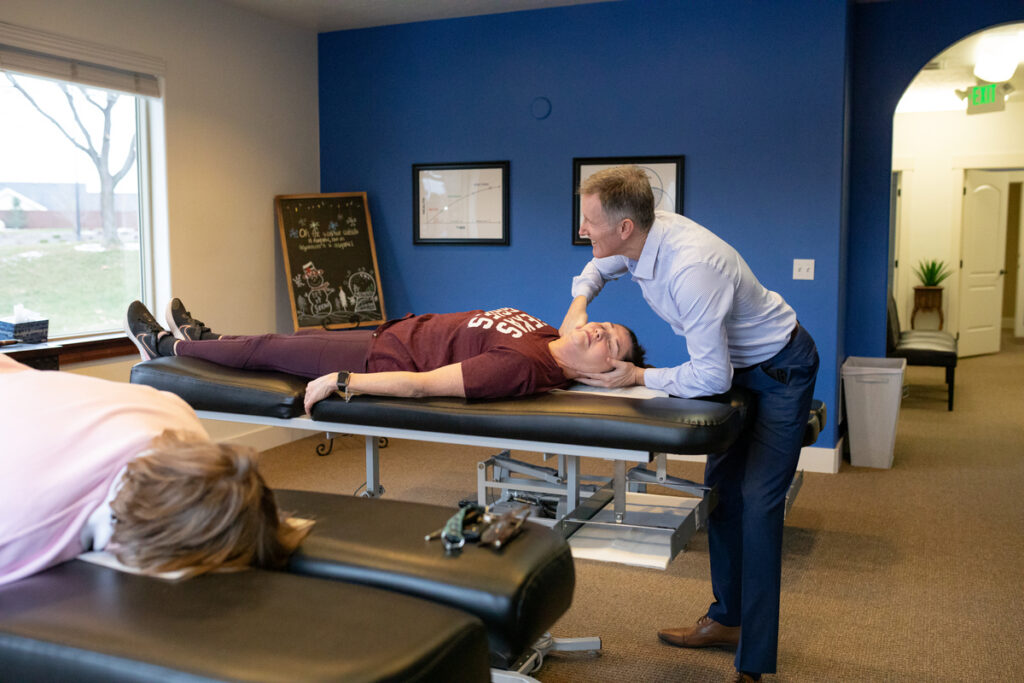
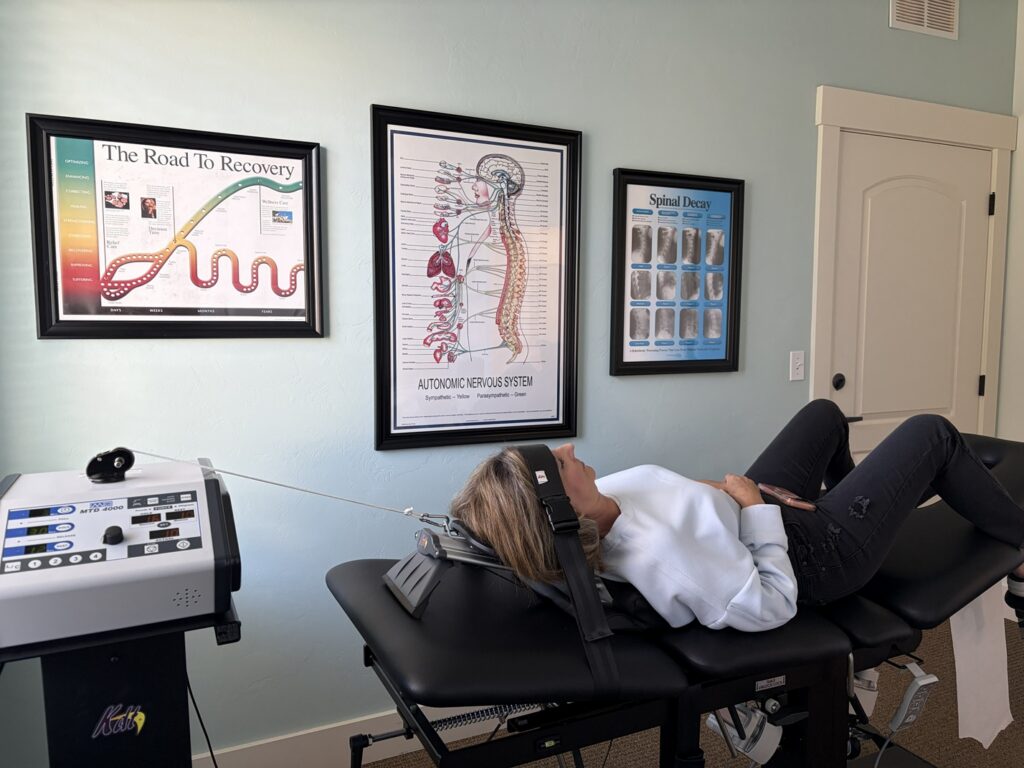

You walked away from the accident. Maybe the car was barely dented. Maybe you felt okay at first. A little shaken, sure, but nothing that seemed serious. Then days passed. A week. Two weeks. And now your neck still hurts, sometimes worse than right after the crash. If this sounds familiar, you are not alone, and you are not imagining it. Delayed and lingering neck pain after a car accident is one of the most common concerns we see here at The Chiropractor at Castlebury in Eagle, ID. Understanding why this happens — and what you can do about it — is the first step toward feeling like yourself again.
What Is Whiplash, Exactly?
Whiplash is a soft tissue injury to the neck caused by a rapid, forceful back-and-forth movement of the head — similar to the cracking of a whip. It most commonly occurs during rear-end collisions, but it can happen in any type of impact. The injury affects muscles, ligaments, tendons, and sometimes the joints and discs of the cervical spine. The tricky part? Symptoms often do not show up right away, which is why your neck may hurt more now than it did the day of the accident.
Why Does Neck Pain Show Up Late After a Car Accident?
This is one of the questions Dr. Craig Ellison and Dr. Kristin Moore hear most often from patients here in Eagle, ID. You expected to feel sore right away if something was wrong. So why did the pain sneak up on you days or even weeks later? The answer lies in how your body responds to trauma.
In the immediate moments after a collision, your body floods with adrenaline. This stress hormone is a powerful natural painkiller. It keeps you alert, focused, and capable of responding to danger, and it temporarily masks pain signals. Many people walk away from accidents feeling surprisingly fine, only to notice stiffness and aching once the adrenaline fades and they return to daily routines.
Beyond the hormonal response, inflammation is another major factor. Soft tissue injuries like sprains and strains do not always produce immediate, visible swelling. The inflammatory process in muscles and ligaments can build gradually over 24 to 72 hours. In some cases, symptoms continue to develop for a week or more. That is why someone may feel a dull ache two days after a crash that becomes sharp, stabbing neck pain by day ten.
Finally, the body is remarkably adaptive. It will compensate for an injured area by shifting load to surrounding muscles and joints. Over time, these compensating structures become overworked and painful themselves. What started as a minor strain in one area of your cervical spine can radiate outward and upward, creating headaches, shoulder tension, and upper back discomfort that compound the original injury.
What Is Actually Happening in Your Neck?
Your cervical spine — the seven vertebrae that make up your neck — is a remarkably intricate structure. It supports the weight of your head, protects your spinal cord, and allows for a wide range of motion. But that mobility comes with a trade-off: vulnerability. During a car accident, even a low-speed impact can generate enough force to strain the muscles and ligaments that hold all of those structures together.
The most commonly affected tissues are the muscles and ligaments at the front and back of the neck. When the head snaps forward and then backward during impact, these tissues are stretched beyond their normal range. Microscopic tears can occur in muscle fibers and ligament tissue, which are injuries that do not show up on standard X-rays but cause significant pain and stiffness nonetheless.
The facet joints, which are the small joints between each cervical vertebra, are also vulnerable. These joints guide and limit the movement of the spine, and they are richly supplied with nerve endings. When they become irritated or misaligned from the force of a collision, they can produce deep, achy pain that is hard to localize. This type of joint involvement is one reason neck pain after a car accident can feel vague and diffuse rather than sharp and pinpointed.
In some cases, the intervertebral discs, which are the cushioning pads between each vertebra, may be affected. A disc that becomes slightly herniated or bulging after an injury can press on nearby nerve roots, leading to radiating pain, numbness, or tingling that travels down the shoulder and arm. This nerve involvement is important to assess early, which is part of why a professional evaluation matters so much after any accident.
Signs and Symptoms to Watch For
Neck pain is the hallmark symptom of whiplash and post-accident cervical strain, but it is far from the only one. Many patients who visit The Chiropractor at Castlebury in Eagle, ID are surprised to learn that their headaches, jaw pain, or brain fog may also be connected to their car accident injury.
Common symptoms associated with whiplash and post-accident neck injuries include persistent stiffness or limited range of motion, headaches that start at the base of the skull and radiate forward, tenderness in the neck, shoulders, and upper back, dizziness or a sense of imbalance, fatigue that feels out of proportion to your daily activity, and tingling or numbness that travels into the arms or hands.
It is worth noting that symptoms can fluctuate. Some people feel better in the morning and worse by evening. Others notice that stress, prolonged sitting, or screen time aggravates their symptoms. These patterns make sense given the nature of soft tissue and joint injuries — the affected structures are sensitive to load, posture, and tension. Paying attention to what makes your neck feel better or worse can provide valuable information when you sit down with Dr. Craig Ellison or Dr. Kristin Moore to discuss your care.
How Chiropractic Care Can Help
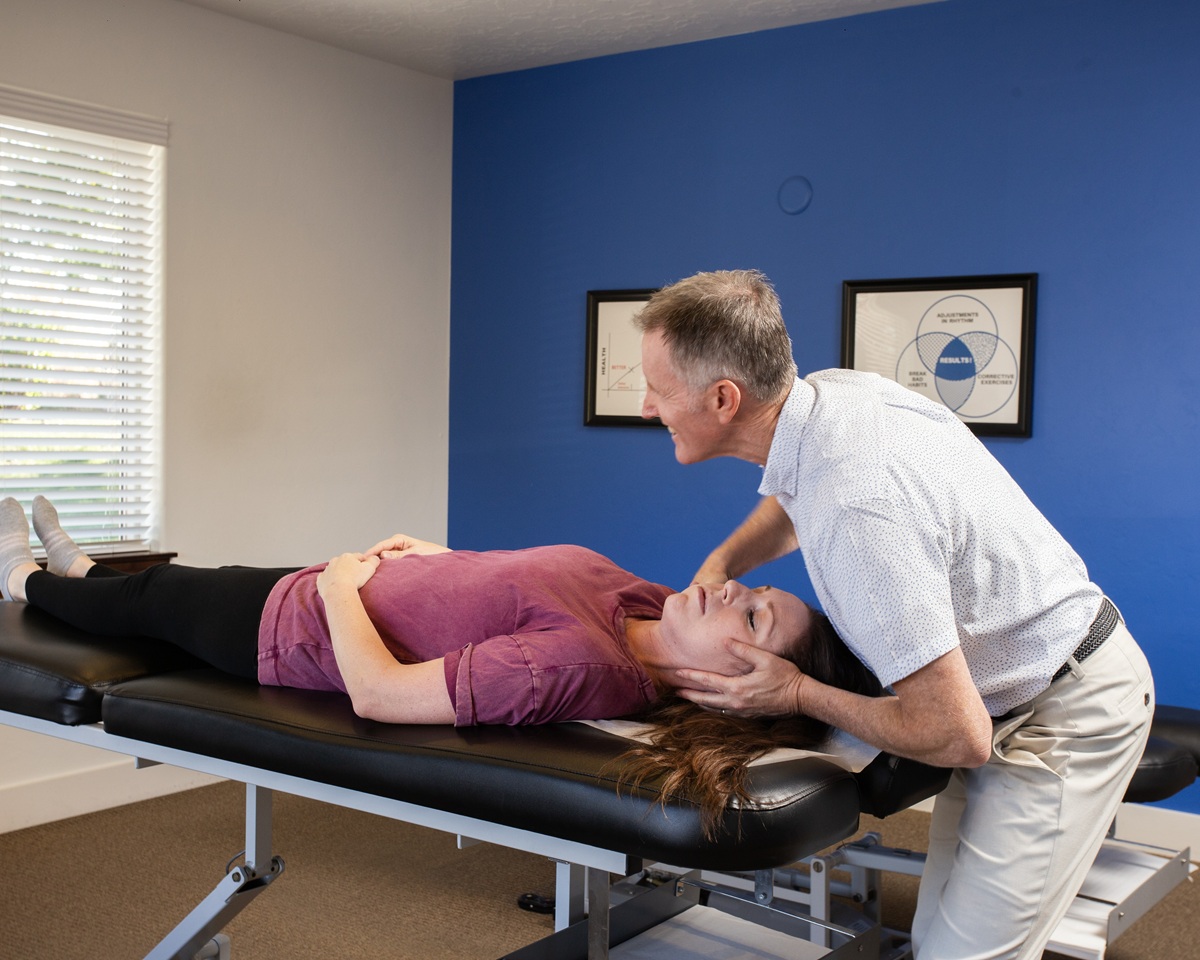
Chiropractic care is widely recognized as a conservative, non-invasive approach to managing the musculoskeletal effects of car accident injuries. The American College of Physicians and other major health organizations include manual therapy among the recommended options for neck pain management. Evidence from the research literature suggests that chiropractic care can help reduce pain, restore range of motion, and support the recovery of normal cervical function following whiplash-type injuries.
At The Chiropractor at Castlebury in Eagle, ID, Dr. Craig Ellison and Dr. Kristin Moore take an individualized approach. No two car accident injuries are exactly the same, and care is tailored based on a thorough evaluation of your symptoms, history, posture, and spinal function. The goal is not simply to reduce pain in the short term but to address the underlying structural and functional issues that are causing that pain.
Chiropractic adjustments work by restoring proper motion to restricted joints in the cervical spine. When joints become locked or move poorly after an injury, the surrounding muscles tend to tighten protectively around them. Adjustments help free up those restricted joints, which in turn allows the muscles to relax and reduces the cycle of tension and pain. Many patients begin to notice improved range of motion and reduced stiffness within the first few visits.
In addition to spinal adjustments, care at our office may include soft tissue work to address muscle tightness, therapeutic exercises to support cervical stability, and guidance on posture and ergonomics that reduce ongoing strain. Recovery from a car accident injury is rarely a one-size-fits-all process, and the care team at The Chiropractor at Castlebury is committed to working with you through each phase of healing.
Practical Tips for Managing Neck Pain at Home
While professional care is important for fully addressing post-accident neck pain, there are steps you can take at home to support your recovery. These recommendations are safe and practical complements to the care you receive in the office.
One of the most important things you can do is avoid prolonged static positions. Sitting in one position — whether at a desk, in a car, or on the couch — for extended periods causes the muscles and connective tissue of the neck to stiffen. Taking brief movement breaks every 30 to 45 minutes helps maintain circulation and reduces the buildup of tension. Even simple, slow, controlled range-of-motion movements like gentle chin tucks and side-to-side head turns can make a meaningful difference in daily comfort.
Pay attention to your sleep position. Sleeping on your stomach places your cervical spine in a rotated position for hours at a time, which can significantly aggravate neck pain. Side sleeping with a supportive pillow that keeps your head aligned with your spine, or back sleeping with a contoured cervical pillow, tends to be more comfortable and restorative after an injury.
Heat and cold therapy can each play a role depending on the stage of your recovery. In the early days after an injury, gentle cold applications can help reduce inflammation. Later in recovery, moist heat can be soothing for tight, achy muscles. Ask Dr. Craig Ellison or Dr. Kristin Moore about which approach is most appropriate for your specific situation.
Screen time and forward head posture deserve special attention. Every inch your head moves forward from its neutral position adds significant additional load to the cervical spine. Being mindful of how you hold your head while looking at your phone, tablet, or computer can reduce strain during the healing process.
When to See a Chiropractor
If you were in a car accident and your neck still hurts — even weeks later — that is a clear signal that your body needs professional attention. Many people in the Eagle, ID area make the mistake of waiting to see if things improve on their own, hoping the pain will simply go away. While mild soreness can resolve without intervention, persistent or worsening neck pain is a sign that underlying tissue damage or joint dysfunction has not been addressed.
You should consider scheduling an evaluation sooner rather than later if your neck pain has lasted more than a few days, if you are experiencing headaches alongside neck pain, if you notice any tingling or numbness in your arms or hands, if your range of motion feels restricted, or if you are waking up with more stiffness than when you went to sleep.
There are also red flags that warrant immediate medical attention rather than a chiropractic visit. These include severe, worsening neurological symptoms such as sudden weakness in your arms or legs, difficulty swallowing or breathing, loss of bladder or bowel control, or a sudden and severe headache unlike any you have experienced before. These symptoms should prompt you to seek emergency medical care right away. Once serious pathology is ruled out, chiropractic care can then be an excellent part of your recovery plan.
|
Post-Accident Neck Pain: Symptoms vs. Likely Causes |
Possible Source of Pain |
|---|---|
|
Stiff neck, limited rotation left or right |
Muscle spasm, facet joint restriction |
|
Headaches at base of skull |
Upper cervical joint irritation, muscle tension |
|
Tingling or numbness in arm or hand |
Nerve root irritation, disc involvement |
|
Jaw pain or difficulty chewing |
TMJ strain secondary to whiplash forces |
|
Dizziness or imbalance |
Upper cervical joint dysfunction, proprioceptive disruption |
|
Shoulder and upper back tension |
Compensatory muscle overload, referred pain patterns |
Final Thoughts from The Chiropractor at Castlebury
Living in Eagle, ID means navigating busy roads, highway commutes, and all the unpredictability that comes with daily driving. Car accidents happen to careful, attentive drivers every single day, and the neck pain that follows does not make you weak or dramatic. It makes you human. Your body went through something real, and the symptoms you are experiencing deserve real, thoughtful care.
At The Chiropractor at Castlebury, Dr. Craig Ellison and Dr. Kristin Moore are here to help you understand what happened in your neck, why it is still bothering you, and what a reasonable, individualized path toward recovery looks like. Our approach is rooted in education, evidence-informed care, and genuine concern for the well-being of our patients and our community.
If you or someone you love is dealing with lingering neck pain after a car accident, please do not wait for it to become a chronic problem. Reach out to The Chiropractor at Castlebury in Eagle, ID. You deserve to feel better, and the right support can make a real difference in how fully and how quickly you recover.
Frequently Asked Questions
How long after a car accident can whiplash symptoms appear?
Symptoms of whiplash can appear anywhere from a few hours to several days after a collision. In some cases, the full extent of symptoms may not be apparent until a week or more has passed. This delayed onset is due to adrenaline masking pain initially and the gradual progression of inflammation in soft tissues.
Is it too late to see a chiropractor weeks after my accident?
It is not too late. While earlier intervention is generally better for outcomes, chiropractic care can still be beneficial weeks or even months after an accident. Dr. Craig Ellison and Dr. Kristin Moore can evaluate your current condition and develop a care plan appropriate to your stage of recovery.
Will chiropractic care for my neck hurt?
Most patients find chiropractic care comfortable, especially as their recovery progresses. Your chiropractor will adapt techniques based on your comfort level and the sensitivity of your injury. Some mild soreness after an adjustment is normal and typically resolves within a day or two.
Can neck pain after a car accident cause headaches?
Yes. Headaches are one of the most common secondary symptoms of whiplash and cervical strain. They typically originate from irritated joints and tense muscles in the upper cervical spine and can be effectively addressed as part of a comprehensive chiropractic care plan.
Should I see a chiropractor or a medical doctor first after a car accident?
If you have any serious symptoms, such as significant neurological changes, extreme pain, or signs of fracture, seek medical evaluation first. For musculoskeletal symptoms like neck stiffness and pain without red flags, a chiropractor is well-equipped to evaluate and treat your injury. Many patients benefit from a collaborative approach between their medical doctor and chiropractor.
How many chiropractic visits will I need after a car accident?
The number of visits varies depending on the severity of your injury, your overall health, and how your body responds to care. After a thorough evaluation, Dr. Craig Ellison and Dr. Kristin Moore will give you a realistic picture of what a care plan may look like for your specific situation. There is no universal answer, but the goal is always to get you feeling better as efficiently as possible.
TL;DR Summary
-
Delayed neck pain after a car accident is extremely common and is caused by adrenaline masking early symptoms, gradual inflammation, and soft tissue injuries that develop over days or weeks.
-
Whiplash affects muscles, ligaments, facet joints, and sometimes discs in the cervical spine — none of which are visible on a standard X-ray.
-
Common symptoms include neck stiffness, headaches at the base of the skull, shoulder tension, dizziness, and arm tingling — all of which should be professionally evaluated.
-
Chiropractic care is a non-invasive, evidence-supported approach for post-accident neck pain, focusing on restoring joint motion, reducing muscle tension, and supporting full recovery.
-
If your neck still hurts weeks after an accident, do not wait. Contact The Chiropractor at Castlebury in Eagle, ID to schedule an evaluation with Dr. Craig Ellison and Dr. Kristin Moore.