

Pregnancy is one of the most remarkable journeys a person can experience — but it’s no secret that it comes with some real physical challenges. One of the most common complaints we hear from expectant mothers here in Eagle, Idaho is hip pain. Whether it’s a deep, achy discomfort that sets in during the second trimester or sharp twinges that make it hard to sleep at night, hip pain during pregnancy is incredibly common and, thankfully, something that chiropractic care can often help address. If you’re looking for safe, drug-free support during your pregnancy, you’re in the right place.
What Is Hip Pain During Pregnancy?
Hip pain in pregnancy refers to discomfort, aching, stiffness, or sharp sensations felt around the hip joints, pelvis, and surrounding muscles during any stage of pregnancy. It can stem from a variety of causes including hormonal changes, postural shifts, and the added weight of a growing baby. For many women, it begins in the second trimester and may worsen as pregnancy progresses.
Why Hip Pain Happens: The Biomechanics of Pregnancy
To understand why hip pain is so prevalent during pregnancy, it helps to take a quick look at what’s happening in the body. Pregnancy triggers a cascade of hormonal, structural, and postural changes — all in a relatively short period of time. The body is incredibly adaptable, but that adaptability comes with a cost.
One of the key hormones involved is relaxing. Released during pregnancy, relaxing helps loosen the ligaments in the pelvis so the body can accommodate a growing baby and eventually prepare for childbirth. While this is a necessary and brilliant biological process, it also means that the joints in the hip and pelvic region become less stable. Loose ligaments mean the surrounding muscles have to work harder to compensate, which often leads to fatigue, tension, and pain.
At the same time, the body’s center of gravity is shifting forward as the belly grows. This shift places added stress on the lower back, pelvis, and hip joints. The spine naturally curves more (a condition called hyperlordosis), the pelvis tilts forward, and muscles throughout the core, hips, and glutes have to adapt to these new demands. When alignment is even slightly off during this process, discomfort can follow quickly.
Here in Eagle, ID, Dr. Craig Ellison and Dr. Kristin Moore at The Chiropractor at Castlebury see this pattern regularly in expecting mothers. The combination of relaxing, shifting posture, and the physical weight of a growing baby creates the perfect storm for hip and pelvic discomfort — and it deserves real attention, not just a “tough it out” approach.
Common Symptoms and How They Show Up
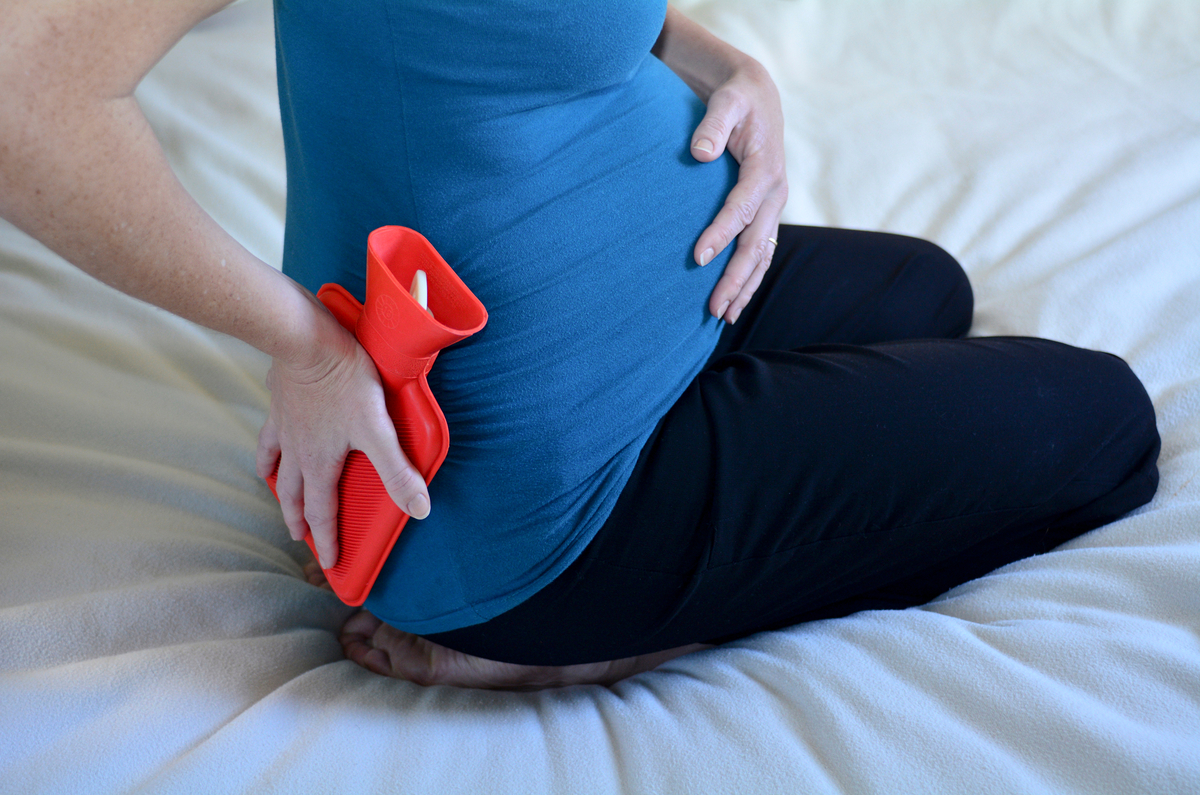
Hip pain during pregnancy doesn’t always look the same from person to person. Some women describe a general aching sensation deep within the hip joint. Others experience sharp or stabbing pain that comes on with movement, especially when walking, climbing stairs, or rolling over in bed. It can be one-sided or affect both hips equally.
One specific condition that often develops is Symphysis Pubis Dysfunction (SPD), which involves pain at the front of the pelvis where the two halves of the pubic bone meet. This can radiate into the hips and inner thighs and is often aggravated by walking or separating the legs. Another common diagnosis is posterior pelvic pain, felt in the back of the pelvis and hips, which is often confused with regular lower back pain but has distinct characteristics.
Sciatic-like symptoms can also develop during pregnancy, where the sciatic nerve — which runs from the lower back through the hips and down the legs — becomes irritated. This can cause radiating pain, tingling, or numbness down one or both legs. Understanding the specific nature of your hip pain is an important first step, which is why a thorough evaluation by a trained provider like Dr. Craig Ellison or Dr. Kristin Moore is so valuable.
Many women also experience disrupted sleep because lying on their side — the recommended sleep position during pregnancy — places direct pressure on the hips. What starts as mild discomfort at night can build into significant pain that affects daily life and overall wellbeing throughout the pregnancy.
How Chiropractic Care Can Help During Pregnancy
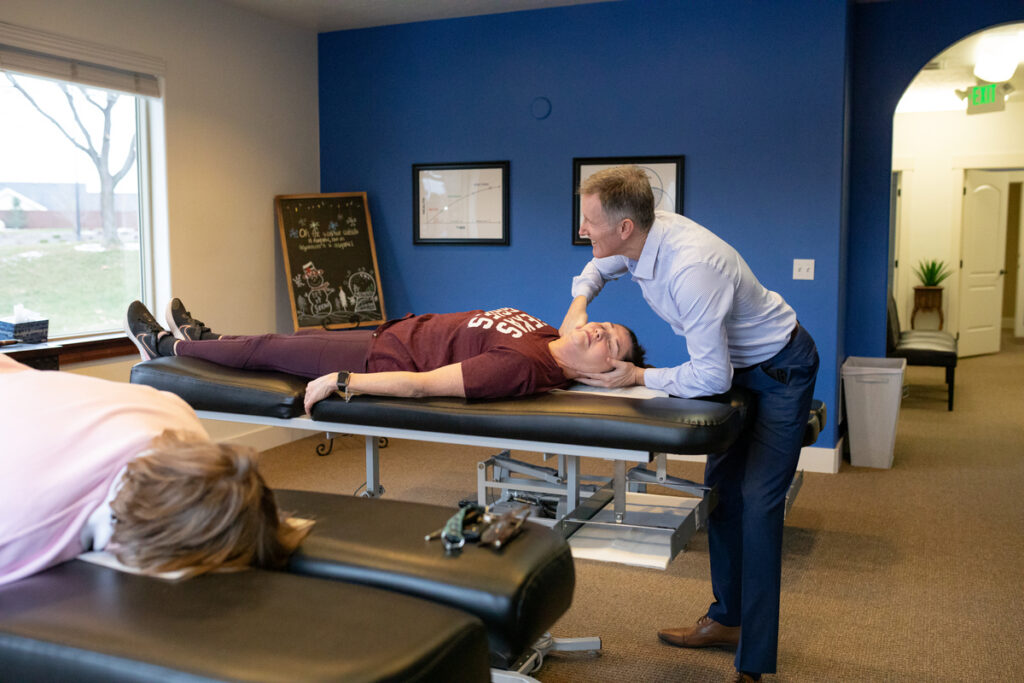
Chiropractic care during pregnancy is a gentle, non-invasive, and drug-free approach to managing musculoskeletal discomfort. It focuses on restoring proper alignment to the spine and pelvis, reducing tension in the surrounding muscles and soft tissues, and supporting the body’s ability to adapt to the changes of pregnancy. Evidence from organizations including the American Chiropractic Association and research reviewed in publications like the Journal of Midwifery and Women’s Health suggests that chiropractic care can be a safe and beneficial option for managing pregnancy-related musculoskeletal pain.
One of the most important tools in prenatal chiropractic care is the Webster Technique. This is a specific chiropractic analysis and adjustment method designed to reduce sacral subluxation and improve the function of the sacroiliac joints. By helping to restore balance in the pelvis, the Webster Technique may reduce tension in the uterine ligaments and surrounding muscles. Dr. Craig Ellison and Dr. Kristin Moore at The Chiropractor at Castlebury are trained in these specialized techniques and approach prenatal care with both expertise and compassion.
Chiropractic adjustments during pregnancy are modified to accommodate the changes in a mother’s body. Specialized pillows and positioning tools are used to ensure that expectant mothers can be comfortable during their visit without putting any pressure on the abdomen. The adjustments themselves are gentle and specifically targeted to the areas causing discomfort.
Beyond adjustments, a chiropractor may also provide soft tissue work, stretching guidance, and postural coaching to help expectant mothers move more comfortably throughout their pregnancy. The goal is never to simply mask pain — it’s to address the underlying biomechanical causes so the body can function as well as possible during this extraordinary time.
Practical Tips for Managing Hip Pain at Home
While chiropractic care can make a significant difference, there are also things you can do between visits to support your comfort and wellbeing. These recommendations are safe, simple, and align with the guidance that Dr. Craig Ellison and Dr. Kristin Moore often share with patients at The Chiropractor at Castlebury in Eagle, Idaho.
Sleep positioning matters a great deal. Using a pregnancy pillow to support the belly and keep the hips stacked can significantly reduce the pressure placed on the hip joints during the night. Placing a pillow between the knees while sleeping on your side helps keep the pelvis in a neutral, aligned position, reducing stress on both the hips and lower back.
Gentle movement is your friend. Staying active with low-impact exercise such as walking, prenatal yoga, or swimming can help maintain muscle strength and flexibility around the hips and pelvis. Sitting for long periods tends to tighten the hip flexors and glutes, so taking regular movement breaks throughout the day is a simple but effective habit.
Pay attention to how you’re transitioning between positions. One of the most painful moments for many pregnant women is getting in and out of the car, rolling over in bed, or standing up from a chair. Moving mindfully — keeping the knees together when rolling over, swinging both legs out of the car simultaneously — can reduce unnecessary stress on the pubic symphysis and hip joints.
Footwear also plays a role. Supportive shoes with good arch support help distribute body weight more evenly, reducing the compensatory strain that ends up traveling up through the ankles, knees, and hips. Avoiding high heels during pregnancy is strongly advisable, as they further exaggerate the forward pelvic tilt that contributes to hip pain.
|
Common Hip Pain Trigger |
What’s Happening |
What Helps |
|---|---|---|
|
Relaxin hormone release |
Ligament laxity reduces joint stability |
Chiropractic pelvic alignment, gentle strengthening |
|
Shifting center of gravity |
Increased lumbar curve, forward pelvic tilt |
Postural coaching, core support exercises |
|
Side sleeping pressure |
Direct compression on hip joint |
Pregnancy pillow, pillow between knees |
|
Prolonged sitting |
Hip flexor tightening, glute weakness |
Regular movement breaks, prenatal yoga |
|
Symphysis Pubis Dysfunction |
Excessive movement at pubic joint |
Webster Technique, movement modification |
|
Sciatic nerve irritation |
Nerve compression from postural changes |
Chiropractic adjustment, stretching guidance |

When to See a Chiropractor for Pregnancy Hip Pain
Many women wonder when it’s appropriate to seek chiropractic care during pregnancy. The honest answer is: sooner rather than later often makes the most sense. Pain that is mild and occasional can progress quickly as the pregnancy advances and the body continues to change. Addressing biomechanical imbalances early in pregnancy may help prevent more significant discomfort from developing later.
You might consider scheduling an evaluation if you notice hip or pelvic pain that interferes with your ability to walk, sleep, or perform daily activities. If you’re finding it difficult to roll over in bed, if climbing stairs causes sharp discomfort, or if you’re experiencing persistent one-sided hip pain, those are meaningful signs that the pelvis may be out of balance and could benefit from a professional assessment.
There are also some symptoms that should prompt a conversation with your OB-GYN or midwife before or alongside chiropractic care. These include severe or sudden onset pain, any bleeding, fever, significant swelling in the legs, or pain accompanied by neurological symptoms such as significant numbness or weakness in the lower limbs. Chiropractic care works best as part of a collaborative approach to prenatal health, and the team at The Chiropractor at Castlebury is always happy to coordinate care with your primary maternity provider when needed.
Myths vs. Facts About Chiropractic Care During Pregnancy
Myth: Chiropractic adjustments are unsafe during pregnancy.
Fact: When performed by a trained chiropractor using pregnancy-appropriate techniques, chiropractic care is considered safe for most pregnant women. Specialized positioning, gentle pressure, and modified techniques ensure the comfort and safety of both mother and baby. As always, it’s wise to inform your OB-GYN or midwife that you are receiving chiropractic care.
Myth: Hip pain in pregnancy is just something you have to endure.
Fact: Hip and pelvic pain during pregnancy is common, but that doesn’t mean it’s inevitable or untreatable. Conservative care approaches, including chiropractic, can meaningfully reduce discomfort and improve a mother’s ability to move and function throughout pregnancy.
Myth: Chiropractic care can harm the baby.
Fact: Chiropractic adjustments are applied to the mother’s musculoskeletal system — specifically the spine, pelvis, and joints. No direct force is applied to the uterus or baby. Techniques such as the Webster Method are specifically designed with the pregnant body in mind and have been used safely in prenatal care for decades.
Myth: You should wait until after delivery to address hip pain.
Fact: Waiting often means spending months in unnecessary discomfort. Addressing alignment and muscle tension issues during pregnancy not only helps with current pain but can also support a smoother labor experience and postpartum recovery. Early intervention is generally more effective than waiting until pain becomes severe.
Myth: All chiropractors are the same when it comes to prenatal care.
Fact: Not all chiropractors have specialized training in prenatal techniques. It’s important to seek care from providers — like Dr. Craig Ellison and Dr. Kristin Moore at The Chiropractor at Castlebury — who have experience working with pregnant patients and are familiar with the unique physiological demands of pregnancy.
Final Thoughts from The Chiropractor at Castlebury in Eagle, Idaho
Pregnancy is a season of life that deserves exceptional care and support. Hip pain doesn’t have to be the price you pay for growing a family. Here in Eagle, Idaho, Dr. Craig Ellison and Dr. Kristin Moore at The Chiropractor at Castlebury are dedicated to helping expectant mothers feel their best — not just get through it.
Chiropractic care during pregnancy is about more than pain relief. It’s about supporting your body’s incredible ability to adapt, maintaining pelvic balance as things shift and change, and empowering you to move through pregnancy with greater comfort and confidence. Whether you’re in your first trimester and hoping to get ahead of discomfort or in your third trimester and really struggling, there is a good chance that thoughtful, skilled chiropractic care can help.
We know that choosing care during pregnancy comes with questions and understandable caution. The team at The Chiropractor at Castlebury welcomes those conversations. We’re here to listen, evaluate thoroughly, and offer honest guidance about whether chiropractic care is a good fit for where you are in your pregnancy journey. Our goal is simply to help you and your growing baby thrive.
Frequently Asked Questions
Is chiropractic care safe in the first trimester?
For most healthy pregnancies, chiropractic care can be appropriate throughout all trimesters, including the first. It’s always a good idea to inform your OB-GYN or midwife before beginning care. Your chiropractor will also conduct a thorough intake to determine the most appropriate approach for your specific situation.
How many chiropractic visits will I need during pregnancy?
There’s no one-size-fits-all answer. Some women find significant relief in just a few visits, while others benefit from regular care throughout their pregnancy. Your chiropractor will assess your progress and adjust the care plan accordingly based on your individual needs and response to treatment.
What is the Webster Technique and is it right for me?
The Webster Technique is a specific chiropractic method focused on analyzing and adjusting the sacrum and pelvis to improve function and reduce tension in the pelvic region. It’s commonly used in prenatal chiropractic care. Whether it’s appropriate for you will depend on your specific presentation, which Dr. Craig Ellison or Dr. Kristin Moore can assess during an evaluation.
Can chiropractic care help with sciatica during pregnancy?
Sciatic-like symptoms during pregnancy are often related to postural changes, pelvic misalignment, or muscle tension rather than true disc-related sciatica. Chiropractic care can be effective in addressing the underlying causes of these symptoms. Research suggests conservative care, including chiropractic, is a reasonable first-line approach for pregnancy-related sciatic pain.
Will lying face down on the table be safe for my belly?
Chiropractic tables and positioning during prenatal visits are modified to accommodate a growing belly. Specialized pillows, bolsters, and drop-table techniques are used so that no pressure is placed on the abdomen. Your comfort and safety are always the top priority.
Can I continue chiropractic care after delivery?
Absolutely. The postpartum period brings its own set of physical challenges as the body recovers from childbirth and adjusts to new demands like nursing and carrying an infant. Many women find that continuing chiropractic care after delivery supports their recovery and helps them return to feeling like themselves more quickly.
TL;DR — Key Takeaways
-
Hip pain during pregnancy is extremely common and is driven by hormonal changes, postural shifts, and the physical demands of a growing baby.
-
Conditions like Symphysis Pubis Dysfunction, posterior pelvic pain, and sciatic irritation are frequent contributors to hip discomfort in expectant mothers.
-
Chiropractic care, including techniques like the Webster Method, offers a safe, drug-free approach to managing pregnancy-related hip pain.
-
Simple home habits — like pregnancy pillow use, mindful movement, supportive footwear, and regular activity — can complement chiropractic care and reduce daily discomfort.
-
Dr. Craig Ellison and Dr. Kristin Moore at The Chiropractor at Castlebury in Eagle, ID are experienced in prenatal chiropractic care and are here to support you through every stage of your pregnancy.