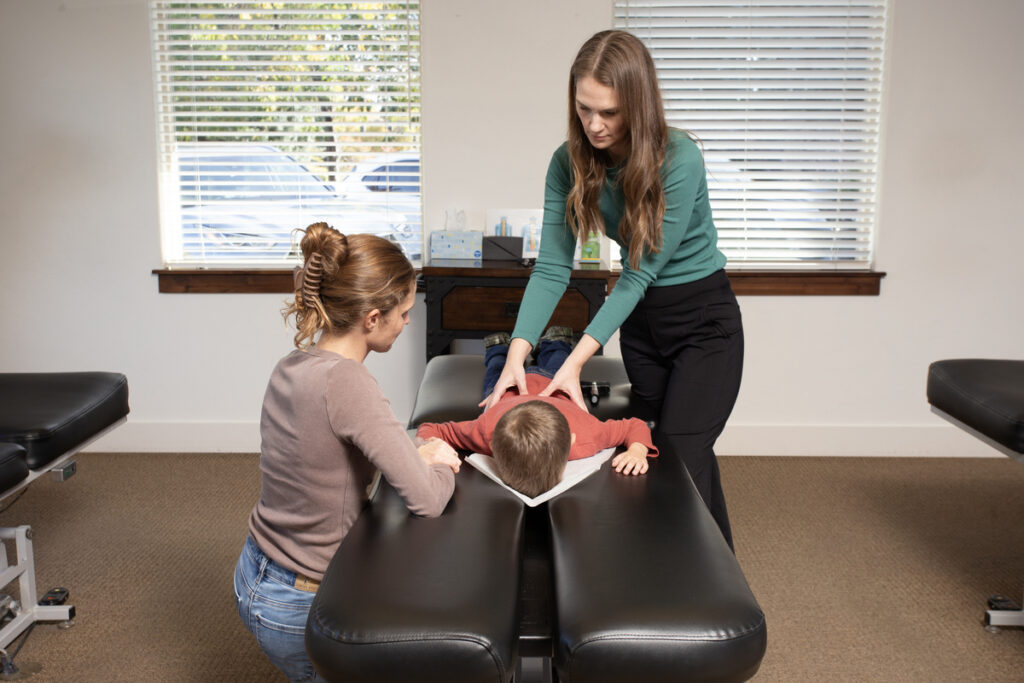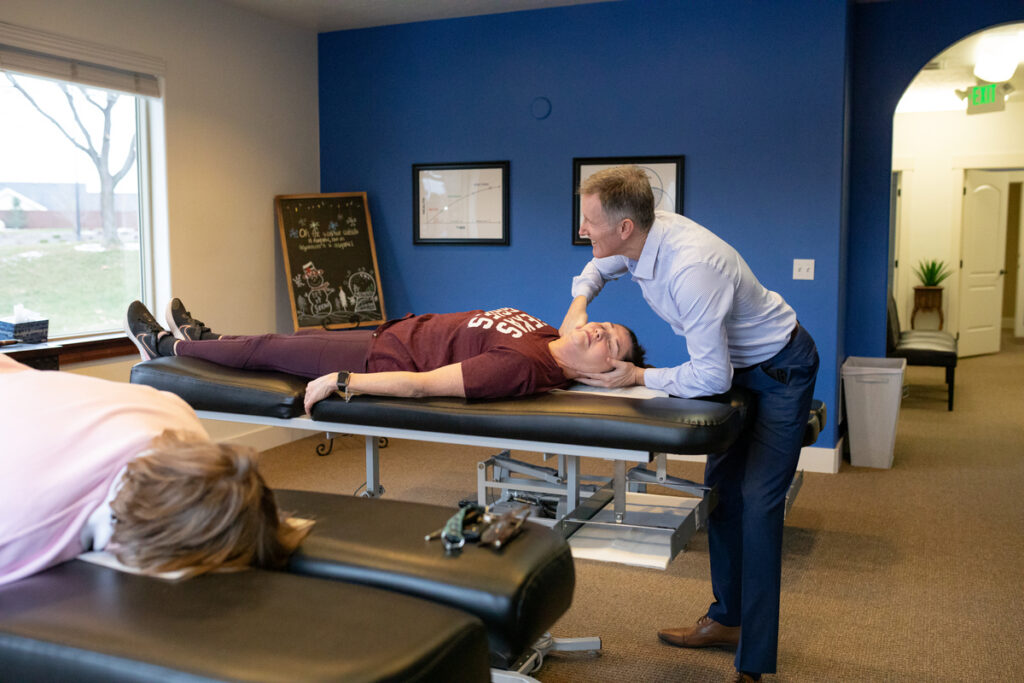

When dealing with a sports injury, it's crucial to understand how to navigate the recovery process effectively. As a local chiropractor, I want to emphasize the importance of assessing the injury's severity early on. This initial evaluation is key to determining the best course of action for rehabilitation. Working alongside a chiropractor allows you to develop a personalized recovery plan that caters to your unique situation.
Nutrition is another vital component of your healing journey. The foods you consume can significantly influence your body's ability to recover. By focusing on a balanced diet rich in nutrients, you can support your body's natural healing processes.
However, recovery involves more than just these fundamental steps. Chiropractic care can provide a holistic approach that not only addresses the injury but also enhances your overall well-being. By incorporating chiropractic adjustments, rehabilitation exercises, and lifestyle modifications, we can work together to expedite your return to peak performance. Let's explore how this comprehensive approach can benefit you and get you back in the game faster.
Assess the Injury
Assessing your injury is a crucial first step in your recovery journey, especially when it comes to sports-related incidents. As a chiropractor, I want to help you understand how to properly evaluate your injury to ensure effective healing.
When you experience a sports injury, begin by reflecting on the incident and how you feel. Pinpoint the exact location of your discomfort. Is the pain sharp, dull, or throbbing? Recognizing these sensations can provide valuable insight into the severity of your injury.
Next, take a moment to observe for any swelling, bruising, or unusual shapes in the affected area. These physical signs can help distinguish between a minor strain and a more serious condition, such as a fracture.
It's important to gently test your range of motion. Can you move without significant pain? If you find your movement is limited or causes discomfort, it's a signal from your body that you need to proceed with caution. Always listen to your body—it's your best guide.
If you find it difficult to bear weight on a joint or if the pain intensifies, I strongly recommend seeking professional advice. As a chiropractor, I can help you assess the injury further and develop a natural healing plan tailored to your needs.
Additionally, consider your overall health and fitness level when evaluating your injury. If you're prone to injuries or have experienced similar issues in the past, it's important to share this information with me during your visit.
I may recommend specific imaging tests to better understand the situation and guide you on your path to recovery. Remember, natural healing often takes time, and I'm here to support you every step of the way.
Follow a Rehabilitation Plan
As your local chiropractor, my goal is to help you understand the importance of following a personalized rehabilitation plan tailored to your specific needs after evaluating your injury. This plan is crucial for your recovery, providing a structured approach to healing that allows you to regain strength and mobility effectively.
Working closely with me, you'll receive a program designed specifically for your injury type and severity. It's essential to stick to this plan as closely as possible; consistency is key to your recovery journey. You'll likely engage in exercises aimed at enhancing flexibility, strength, and endurance, as well as activities that improve your overall stability.
I'll ensure you understand how each exercise contributes to your healing process, which will help motivate you to stay committed. Remember, it's vital not to rush through the exercises. Maintaining proper form is essential to prevent further injury and prolonging your recovery. If you experience any pain that seems unusual or excessive, please communicate with me right away. I can adjust your plan to ensure you're progressing safely.
In addition to the active rehabilitation, it's important to incorporate rest days as recommended. These breaks will allow your body to heal and adapt to the stress of your exercises. Listen to your body; if you're feeling fatigued or sore, it's perfectly fine to modify your plan temporarily.
Recovery is a marathon, not a sprint, and approaching it with patience will serve you well. By diligently following your rehabilitation plan, you'll be well on your way to getting back to your normal activities and feeling your best.
Prioritize Nutrition and Hydration
As a local chiropractor, I want to emphasize the vital role that nutrition and hydration play in your recovery from sports injuries. While following your rehabilitation plan is crucial, what you eat and drink is equally important for healing. Your body requires specific nutrients to repair itself, and staying well-hydrated is essential for all physiological functions, including tissue repair.
By focusing on these aspects, you can enhance your recovery and return to your favorite activities more quickly.
Here are four key nutritional strategies that I recommend:
- Increase Protein Intake: Protein is a building block for muscle repair and recovery. Incorporate lean meats, fish, eggs, beans, and nuts into your meals. It's important to spread your protein intake throughout the day to support your body in rebuilding tissues effectively.
- Opt for Anti-Inflammatory Foods: Incorporating foods rich in omega-3 fatty acids, such as salmon, flaxseeds, and walnuts, can significantly help reduce inflammation in your body. Additionally, focus on consuming a variety of fruits and vegetables, particularly berries and leafy greens, as they're packed with antioxidants that help combat oxidative stress resulting from injuries.
- Stay Hydrated: Many people overlook the importance of hydration, but dehydration can slow down your recovery. It's crucial to drink plenty of water daily—aim for at least half your body weight in ounces. If you're engaging in physical activity that causes you to sweat, consider supplementing with electrolyte-rich beverages to replenish lost fluids.
- Limit Processed Sugars and Saturated Fats: These can promote inflammation and hinder your healing process. Instead, focus on consuming whole foods that nourish your body and provide the energy needed for optimal recovery.
By prioritizing these nutritional strategies alongside your chiropractic care, you'll be taking significant steps toward a faster and more effective recovery.
Incorporate Rest and Sleep
As your local chiropractor, I want to emphasize how crucial rest and sleep are in your recovery plan for sports injuries. When you're dealing with an injury, your body is in need of significant time to heal, and quality sleep is a key player in this healing process. It might be tempting to push through the discomfort and continue training, but skipping out on proper rest can actually extend your recovery time.
I recommend aiming for 7 to 9 hours of quality sleep each night. During this vital time, your body releases growth hormones and actively repairs damaged tissues, which can help you return to your sport more quickly. Remember, it's not just about the number of hours you sleep, but also the quality of that sleep. Establishing a calming bedtime routine can signal to your body that it's time to wind down. Consider dimming the lights, avoiding screens at least an hour before bed, and incorporating relaxing activities such as reading or meditation.
Listening to your body is essential. If you find yourself feeling fatigued during the day, don't hesitate to take short naps. These can provide a significant boost to your energy levels and enhance your recovery. Just be cautious with longer naps, as they may disrupt your ability to get quality sleep at night.
Alongside ensuring you get plenty of sleep, it's also important to incorporate regular rest days into your recovery regimen. These rest days are vital; they allow your body to recover and rebuild without the added stress of exercise.
Use Supportive Therapies
As a local chiropractor, I want to share the importance of supportive therapies in your recovery journey. While rest and sleep are vital for healing, incorporating these therapies can significantly enhance your recovery process.
Here are four supportive therapies that can complement chiropractic care and promote your overall healing:
- Physical Therapy: Collaborating with a physical therapist can be incredibly beneficial in regaining strength and improving your range of motion. They'll develop a personalized exercise program that focuses on your specific injury, ensuring you're effectively on the path to recovery.
- Massage Therapy: Therapeutic massage is a wonderful way to relieve muscle tension and enhance circulation. By improving blood flow, massage therapy not only alleviates pain but also helps deliver essential nutrients to the injured area, facilitating faster healing.
- Cryotherapy: Utilizing cold therapy can be transformative, especially during the initial stages of your injury. Ice packs or cryo chambers can help reduce inflammation and numb acute pain, making your recovery process much more manageable.
- Acupuncture: This ancient healing technique can play a vital role in stimulating your body's natural healing abilities. By targeting specific points on the body, acupuncture can provide pain relief and promote overall well-being, which can smooth out the recovery process.
Integrating these supportive therapies into your recovery plan can significantly enhance your progress.
However, it's crucial to consult with a healthcare professional, such as a chiropractor, before starting any new treatments to ensure they align with your unique needs.
Conclusion
As a local chiropractor, I want to share some valuable insights on how to speed up your sports injury recovery naturally. First and foremost, it's crucial to assess your injury accurately. Understanding the specifics of your condition allows us to create a tailored rehabilitation plan that suits your unique needs.
Nutrition and hydration play a significant role in the healing process, so we'll emphasize the importance of fueling your body with the right nutrients and staying properly hydrated. Additionally, don't underestimate the power of rest and quality sleep, as they are essential for recovery.
In my practice, I also encourage the use of supportive therapies such as chiropractic adjustments, which can help alleviate pain, improve mobility, and promote overall healing. By focusing on these key areas—accurate assessment, a personalized rehabilitation plan, optimal nutrition, adequate rest, and supportive therapies—you'll be well on your way to getting back in the game faster and stronger. Let's work together to ensure you heal effectively and naturally!