
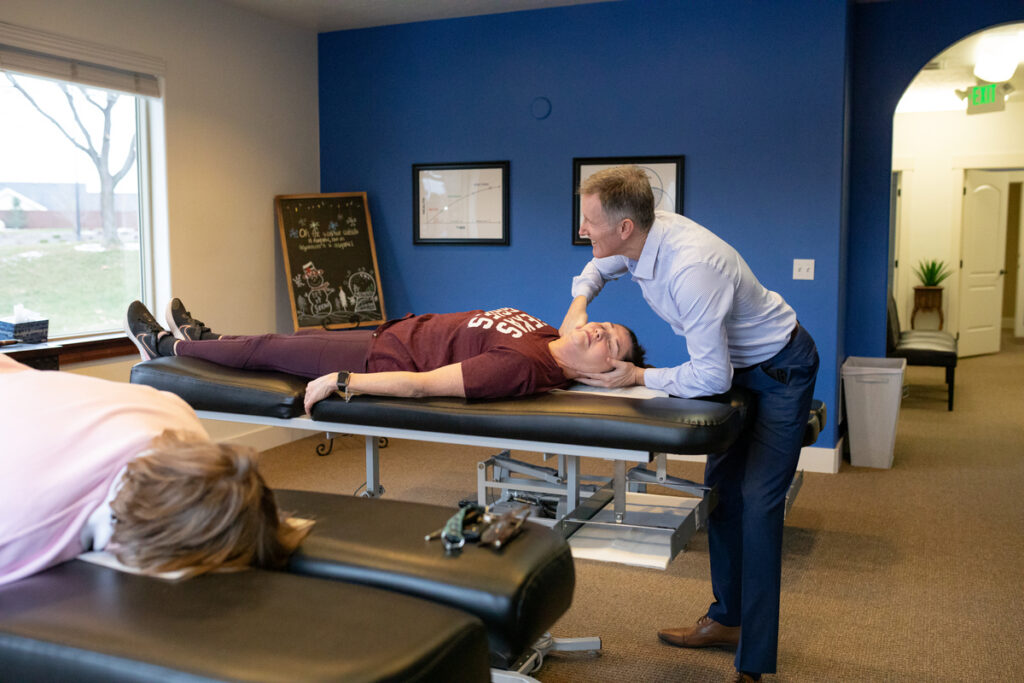

Whiplash is one of those injuries that often catches people off guard. You might feel fine immediately after a car accident or collision, only to wake up the next morning with a stiff neck, pounding headache, and pain that makes it hard to turn your head. If that sounds familiar, you’re not alone. Here in Eagle, ID, many patients come to The Chiropractor at Castlebury after experiencing exactly this kind of delayed discomfort. Chiropractic care for whiplash is one of the most well-supported conservative treatment approaches available, and understanding how it works can help you feel more confident about your options and your recovery.
What Is Whiplash?
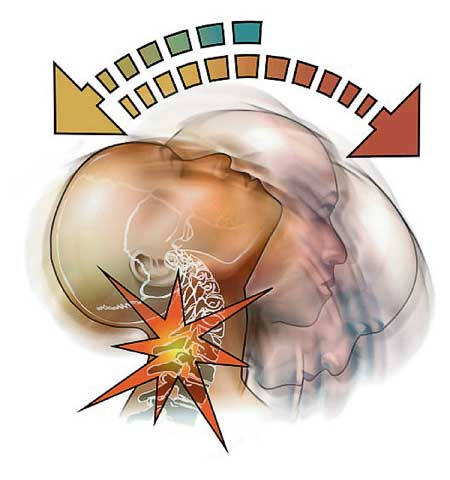
Whiplash is a soft tissue injury to the neck caused by a rapid, forceful back-and-forth movement of the head — similar to the cracking of a whip. It most commonly happens during rear-end car accidents, but can also result from sports collisions, falls, or other sudden impacts. The injury affects the muscles, ligaments, tendons, and sometimes the joints and discs of the cervical spine (the neck).
Common Causes and Risk Factors
Most people associate whiplash exclusively with car accidents, and while rear-end collisions are indeed the most frequent cause, they’re far from the only one. Contact sports like football, hockey, or wrestling can produce the same type of rapid head-snapping movement. A bad fall where your head jerks back, a sudden blow to the head, or even a rough amusement park ride can be enough to strain the delicate structures of the cervical spine.
Certain factors can increase your risk of developing more severe or prolonged whiplash symptoms. These include having a pre-existing neck condition, being in a poor seating position at the time of impact, and the direction or speed of the force involved. Age can also play a role, as the neck’s muscles and connective tissues naturally lose some flexibility over time. At The Chiropractor at Castlebury, Dr. Craig Ellison takes a thorough intake history with every patient to understand how the injury occurred and what structures might be involved.
It’s also worth noting that vehicle headrest position matters more than most people realize. A headrest that is too low or positioned too far back fails to limit the backward motion of the head during a rear-end collision, which can significantly worsen the extent of the injury. This is one of the small but important biomechanical details that Dr. Craig Ellison often discusses with patients during the educational component of their care.
Signs and Symptoms of Whiplash
One of the most frustrating aspects of whiplash is that symptoms don’t always appear right away. Thanks to adrenaline and the body’s natural inflammatory response, you might feel relatively okay in the first few hours after an incident. Pain and stiffness often begin to surface 12 to 24 hours later — sometimes even a day or two after the event. This delay causes many people to dismiss the injury, which can lead to complications if treatment is delayed.
The most common symptom is neck pain and stiffness that worsens with movement. Many patients also describe a reduced range of motion, meaning they simply can’t turn their head as far as they normally would. Headaches that start at the base of the skull and radiate forward are another telltale sign. Some people experience tenderness in the shoulders, upper back, or arms, and in more significant cases, numbness or tingling can radiate down into the hands.
Less commonly recognized symptoms include fatigue, dizziness, difficulty concentrating, and even blurred vision. These are sometimes grouped under what’s called “whiplash-associated disorders,” a broader classification that recognizes whiplash as more than just a neck strain. If you’re experiencing any combination of these symptoms following a collision or impact, seeking an evaluation — such as one available right here in Eagle, ID at The Chiropractor at Castlebury — is always a smart first step.
How Chiropractic Care Helps with Whiplash
Chiropractic care is widely recognized as one of the most effective conservative approaches for managing whiplash injuries. Guidelines from organizations like the National Institute for Health and Care Excellence (NICE) and the American Chiropractic Association support manual therapies as part of appropriate care for neck pain and whiplash-associated disorders. The goal is not just to relieve pain, but to restore proper movement and function to the cervical spine.
When you visit Dr. Craig Ellison at The Chiropractor at Castlebury, the first step is always a comprehensive evaluation. This typically involves a review of how the injury happened, an assessment of your current symptoms, and a physical examination of your neck and upper spine. In some cases, imaging may be recommended to rule out fractures or more serious structural damage before care begins.
The core of chiropractic treatment for whiplash usually involves spinal manipulation or adjustment — gentle, controlled movements applied to the joints of the cervical and thoracic spine to restore proper alignment and motion. Research suggests that these techniques can help reduce pain, decrease muscle tension, and improve range of motion. In addition to adjustments, care may include soft tissue therapies to address muscle spasm and tightness, gentle mobilization techniques, and rehabilitative guidance to help you regain strength and flexibility in the supporting muscles of the neck.
What makes chiropractic care particularly well-suited for whiplash is its individualized nature. Not every whiplash injury is the same, and Dr. Craig Ellison approaches each patient’s case with that in mind. The pace, intensity, and types of techniques used are always tailored to where you are in your recovery — whether you’re in the acute phase dealing with significant pain and inflammation, or further along and working to rebuild full mobility.
Practical Tips to Support Your Recovery
While professional care is essential for proper whiplash recovery, there are things you can do at home to support your healing between appointments. One of the most important is avoiding prolonged static postures. Sitting at a desk or staring at a screen for hours without moving can tighten the already-stressed muscles of the neck and upper back, slowing your recovery.
Gentle, pain-free range-of-motion movements can help maintain circulation and prevent excessive stiffness. Your chiropractor will guide you on which movements are safe for your specific situation. Applying ice during the first 48 to 72 hours after the injury can help manage swelling and pain in the acute phase. After that initial period, gentle heat may help relax tight muscles — but always follow the specific guidance given by your care provider.
Sleep position matters too. Try to sleep on your back or side with a supportive pillow that keeps your neck in a neutral position. Avoid sleeping on your stomach, as this forces the neck into a prolonged rotated position that can aggravate whiplash symptoms. Staying hydrated and getting adequate rest are simple but genuinely important parts of tissue healing that many people overlook.

When to See a Chiropractor for Whiplash
The short answer is: sooner rather than later. Early intervention tends to lead to better outcomes with whiplash injuries. If you’ve been in a car accident or experienced a significant impact, it’s worth getting evaluated even if your pain is mild at first. Early care can help prevent acute whiplash from becoming a chronic, longer-term problem.
You should seek care promptly if your symptoms are not improving after a few days, if your pain is worsening, if you’re having difficulty with everyday activities like driving or working, or if you’re experiencing headaches, dizziness, or radiating arm symptoms. Dr. Craig Ellison and the team at The Chiropractor at Castlebury in Eagle, ID are experienced in evaluating and managing these types of injuries and can help determine the appropriate course of care.
There are also situations where chiropractic care alone may not be sufficient and where medical referral is appropriate. These include cases where there is suspected fracture, significant neurological compromise (severe weakness or loss of function in the arms), difficulty swallowing, or severe instability. A good chiropractor will always recognize these red flags and coordinate care with other healthcare providers when necessary.
Treatment Approaches at a Glance
|
Approach |
Description |
Benefits |
Considerations |
|---|---|---|---|
|
Chiropractic Adjustment |
Controlled manipulation of cervical/thoracic joints |
Restores motion, reduces pain, improves alignment |
Should be tailored to injury stage; not for fractures |
|
Soft Tissue Therapy |
Manual work on muscles, tendons, and ligaments |
Relieves muscle spasm, improves circulation |
Most effective when combined with other care |
|
Rehabilitative Exercise |
Targeted movement and strengthening for the neck |
Rebuilds strength, prevents recurrence |
Requires proper progression and guidance |
|
Over-the-Counter Medication |
NSAIDs or analgesics for pain relief |
Short-term symptom management |
Does not address underlying structural issues |
|
Rest Only |
Avoiding activity after injury |
Useful for initial 24-48 hours |
Prolonged rest can delay recovery and increase stiffness |
Myths vs. Facts About Whiplash
Myth: Whiplash only happens in high-speed accidents.
Fact: Whiplash can occur at surprisingly low impact speeds. Research indicates that the rapid acceleration-deceleration mechanism, not the speed itself, is what causes the injury. Many patients experience significant whiplash symptoms from low-speed collisions of under 10 miles per hour.
Myth: If you don’t feel pain right away, you weren’t hurt.
Fact: It is very common for whiplash symptoms to be delayed by 12 to 48 hours or more. The body’s adrenaline response and initial inflammation can mask pain shortly after an injury. This is one of the most important reasons to seek an evaluation even when you feel “okay” after a collision.
Myth: A cervical collar (neck brace) is the best treatment for whiplash.
Fact: While a soft collar was historically a common recommendation, current evidence actually suggests that prolonged immobilization can slow recovery. Gentle, guided movement and early mobilization tend to produce better outcomes than extended rest or bracing.
Myth: Whiplash is just a minor strain that always heals on its own.
Fact: While mild whiplash can resolve with time, a meaningful number of people develop persistent symptoms that last months or longer without appropriate care. Early, professional evaluation and treatment can significantly reduce the risk of whiplash becoming a chronic condition.
Myth: Chiropractic adjustments are dangerous for whiplash injuries.
Fact: When performed by a trained and licensed chiropractor who has properly evaluated the injury, chiropractic care is considered a safe and evidence-supported option for whiplash. Dr. Craig Ellison always performs a thorough assessment before beginning any treatment to ensure it is appropriate for each individual patient.
Final Thoughts
Whiplash can feel overwhelming, especially when you’re already dealing with the aftermath of a stressful accident or injury. The good news is that with the right care and the right information, most people recover fully and return to their normal lives. Chiropractic care offers a non-invasive, drug-free path to pain relief and restored mobility that is well-supported by evidence and widely trusted by patients.
Here in Eagle, ID, The Chiropractor at Castlebury is proud to serve the local community with thoughtful, personalized care. Dr. Craig Ellison brings a thorough, patient-centered approach to every case, helping individuals understand what’s happening in their bodies and what can be done to support their recovery. If you or someone you know is dealing with neck pain, stiffness, or other symptoms after a collision or impact, don’t wait and wonder — reach out to our team and take that first step toward feeling better.
You don’t have to navigate whiplash recovery alone. Our team at The Chiropractor at Castlebury is here to walk with you through every stage of the process, from that initial evaluation all the way through to regaining your full range of motion and confidence in your body.
Frequently Asked Questions
How long does it take to recover from whiplash with chiropractic care?
Recovery time varies depending on the severity of the injury, how quickly treatment began, and individual health factors. Mild cases may resolve in a few weeks, while more significant injuries can take several months of consistent care. Your chiropractor will give you a more personalized timeline after your initial evaluation.
Is chiropractic care safe for whiplash injuries?
Yes, chiropractic care is generally considered safe for whiplash when provided by a licensed chiropractor who has thoroughly evaluated the injury first. Techniques are always adapted to your specific condition and stage of healing. A qualified chiropractor will also recognize when a referral to another provider is more appropriate.
Should I see a chiropractor even if my whiplash pain is mild?
Absolutely. Mild symptoms don’t always mean a minor injury, and untreated whiplash can sometimes develop into a longer-term problem. An early evaluation can help identify underlying issues and set you on a good recovery path before symptoms have a chance to worsen.
Can children get whiplash, and is chiropractic care appropriate for them?
Yes, children can experience whiplash from car accidents, sports, or falls. Chiropractic care can be appropriate for younger patients, though techniques are adapted to their age, size, and development. A thorough evaluation is always the starting point to determine what is safe and suitable.
Will I need imaging (X-rays or MRI) before starting chiropractic care for whiplash?
Not always, but it depends on the nature of the injury. If there is any concern about fracture, disc injury, or significant structural damage, imaging may be recommended before treatment begins. Your chiropractor will use clinical judgment and your symptom history to determine whether imaging is necessary.
Does whiplash always cause neck pain, or can it show up in other ways?
Whiplash can cause a wider range of symptoms than most people expect, including headaches, shoulder and upper back pain, arm tingling or numbness, dizziness, fatigue, and difficulty concentrating. These varied presentations fall under what’s known as whiplash-associated disorders and are important to assess comprehensively.
TL;DR Summary
-
Whiplash is a soft tissue neck injury caused by rapid head movement and is common after car accidents, sports collisions, and falls.
-
Symptoms — including neck pain, stiffness, headaches, and dizziness — often appear 12 to 48 hours after the incident, so early evaluation is important even if you feel fine at first.
-
Chiropractic care, including spinal adjustments, soft tissue therapy, and rehabilitative guidance, is a well-supported, non-invasive approach to whiplash recovery.
-
Dr. Craig Ellison at The Chiropractor at Castlebury in Eagle, ID provides personalized, thorough evaluations and care plans tailored to each patient’s stage of recovery.
-
Seeking care sooner rather than later gives you the best chance at a full recovery and reduces the risk of whiplash becoming a chronic condition.