
Most people don’t think much about posture until something starts to hurt. You sit at a desk, look at your phone, drive a long commute — and you don’t feel anything. Not yet. But here in Eagle, Idaho, Dr. Craig Ellison sees the long-term consequences of poor posture every single day, and the patterns are consistent: what starts as a harmless slouch in your twenties quietly builds into real, lasting problems by the time you’re in your forties, fifties, or beyond. The goal of this article is to pull back the curtain on those hidden costs — the ones that don’t announce themselves until years down the road — and to help you understand what you can actually do about it right now.
What Is Poor Posture, Exactly?
Poor posture refers to any sustained body position that places undue stress on the muscles, joints, ligaments, and spine. In plain terms, it’s the way your body slouches, hunches, tilts, or compensates when you’re not paying attention — and over time, those small misalignments add up to significant structural wear and tear.
The Hidden Damage Poor Posture Does Over Time
Here’s the part that surprises most patients. Poor posture isn’t just about appearance — it’s not simply about standing up straight so you look more confident. The real issue is biomechanical. When your spine is repeatedly held in an unnatural position, the surrounding muscles, discs, and joints begin to adapt to that position. And “adapt” sounds like a good thing, but in this case, it isn’t.
Your body is remarkably good at compensating. If your head drifts forward because you’re staring at a screen all day, the muscles at the base of your skull, the back of your neck, and across your upper shoulders work overtime to hold that weight up. The human head weighs roughly ten to twelve pounds in a neutral position, but research suggests that for every inch your head moves forward, the effective load on your cervical spine can multiply significantly. That’s an enormous amount of extra strain placed on structures that weren’t designed for it.
Over months and years, this creates a cascade of problems. Muscle imbalances develop — some muscles become chronically shortened and tight, while opposing muscles become weakened and overstretched. Joints that are perpetually loaded in the wrong positions begin to show early signs of degenerative wear. Intervertebral discs, which depend on proper spinal mechanics to stay hydrated and healthy, are subjected to uneven pressure that can accelerate their breakdown. None of this is dramatic or sudden. It happens slowly, quietly, beneath the surface — until one day it isn’t quiet anymore.
At The Chiropractor at Castlebury in Eagle, Idaho, Dr. Craig Ellison regularly works with patients who are genuinely surprised that their current discomfort traces back to habits they developed decades earlier. A teenager who spent hours hunched over a laptop. A young professional who never adjusted their workstation ergonomics. A parent who carried a heavy bag on the same shoulder for years. The timeline is long, but the connection is real.
Common Causes of Poor Posture in Everyday Life
Poor posture doesn’t usually come from one dramatic event. It comes from the accumulation of ordinary, repeated habits that most of us never question. Understanding where these patterns come from is the first step toward changing them.
One of the most common culprits today is what’s often called “tech neck” — the forward head position that develops from looking down at phones, tablets, and laptops for extended periods. This has become especially prevalent in younger populations, and the concern among musculoskeletal health professionals is that these habits are setting people up for early-onset spinal changes that previous generations didn’t experience until much later in life.
Prolonged sitting is another major driver of poor posture. When we sit for hours without proper lumbar support, the natural inward curve of the lower back tends to flatten or even reverse. The hip flexors tighten, the glutes weaken, and the pelvis begins to tilt in ways that alter the alignment of the entire spine above it. Even people who exercise regularly can fall into this trap if the majority of their day is spent seated.
Footwear, sleep positions, repetitive occupational movements, stress-related muscle tension, and even emotional posture — the way we physically carry sadness, anxiety, or exhaustion — all play roles in shaping how we hold our bodies over time. Here in Eagle, Idaho, many of our patients work in settings that involve a mix of desk work and physical activity, and that combination of prolonged sitting followed by physical demands on an already-compensating spine creates its own set of challenges.
Signs Your Posture May Already Be Affecting Your Health
One of the reasons poor posture is so insidious is that its early warning signs are easy to dismiss. A little stiffness in the morning. Mild tension headaches that you chalk up to stress. Occasional tightness between the shoulder blades. Fatigue that seems disproportionate to how much you’ve actually done. These aren’t random nuisances — they’re often the body’s early signals that something in its structural foundation isn’t functioning as it should.
As the cumulative effects of poor posture grow, the symptoms typically become harder to ignore. Persistent neck and upper back pain. Low back pain that doesn’t resolve with rest. Shoulder discomfort that limits your range of motion. Numbness or tingling in the arms or hands. Reduced flexibility in the spine. Difficulty standing up straight without effort. In some cases, long-standing postural dysfunction can contribute to changes in breathing mechanics, because a rounded, compressed thoracic spine leaves less room for the lungs to fully expand.
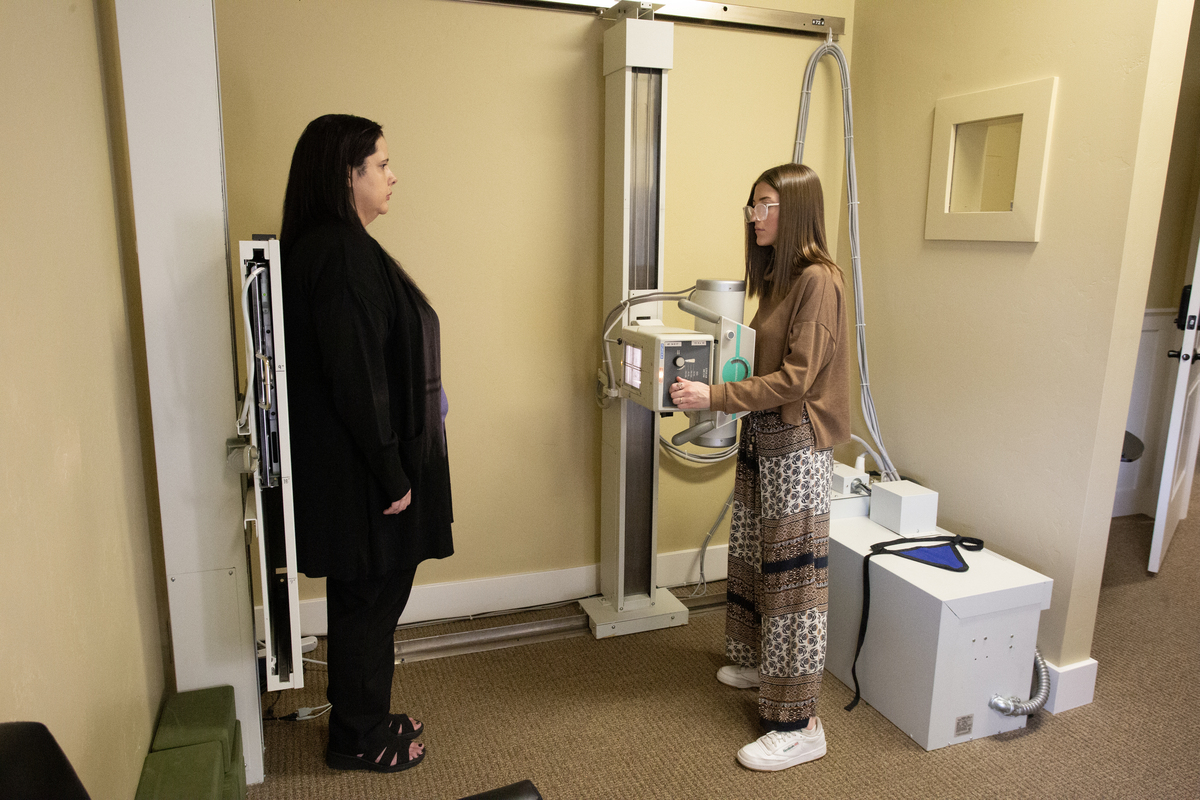
It’s worth noting that poor posture and spinal misalignment can also affect the nervous system. The spine is the primary protective structure for the spinal cord and the nerve roots that branch out from it. When spinal mechanics are chronically compromised, there is potential for nerve irritation that expresses itself in ways that don’t always seem obviously spinal in origin. Dr. Craig Ellison at The Chiropractor at Castlebury emphasizes that a thorough evaluation is always the right starting point, because symptoms alone rarely tell the full story.
How Chiropractic Care Fits Into Posture Correction
Chiropractic care takes a whole-spine, whole-body approach to posture and structural health. Rather than simply treating the symptoms that show up — the pain, the stiffness, the tension headaches — chiropractic assessment looks at the underlying biomechanical reasons those symptoms are present in the first place.
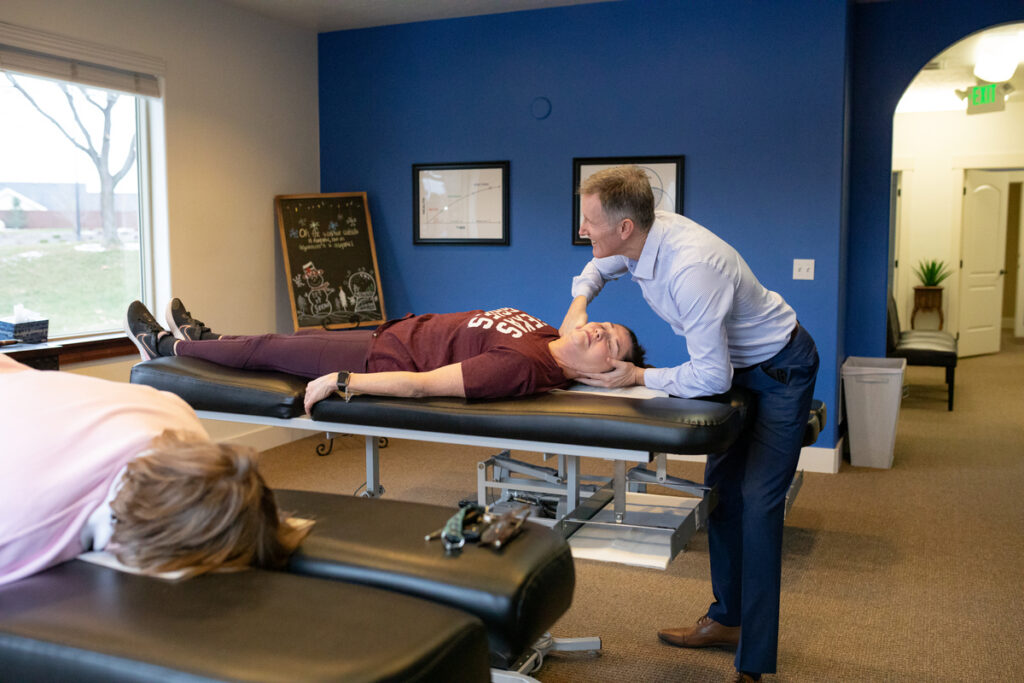
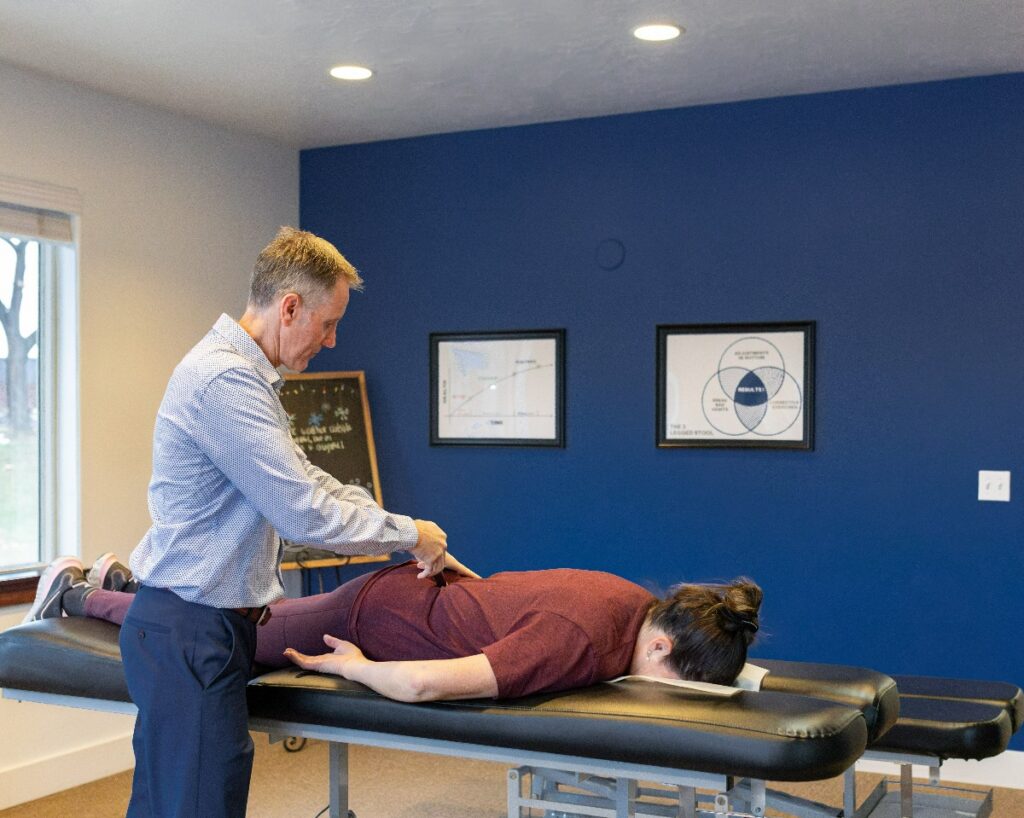
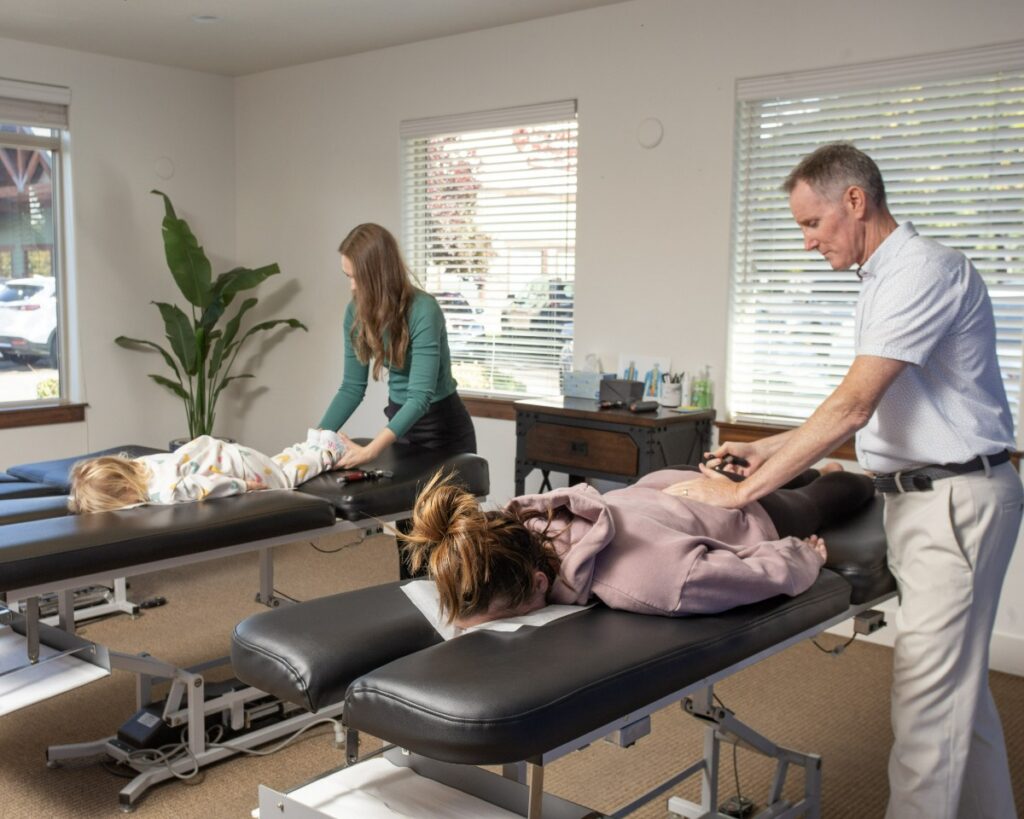
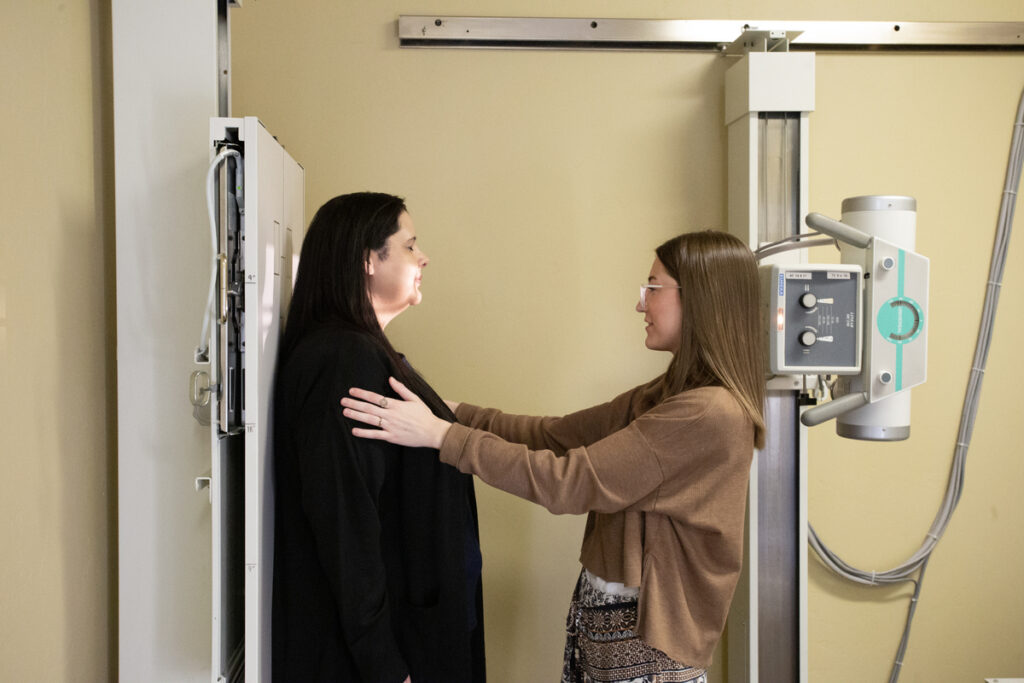
At The Chiropractor at Castlebury in Eagle, Idaho, Dr. Craig Ellison and Dr. Kristin Moore take time to evaluate the way each patient’s spine is aligned, how their joints are moving, and where muscle imbalances or restrictions may be contributing to their postural patterns. This kind of individualized assessment matters, because poor posture looks different from person to person and requires a personalized care approach — not a one-size-fits-all solution.
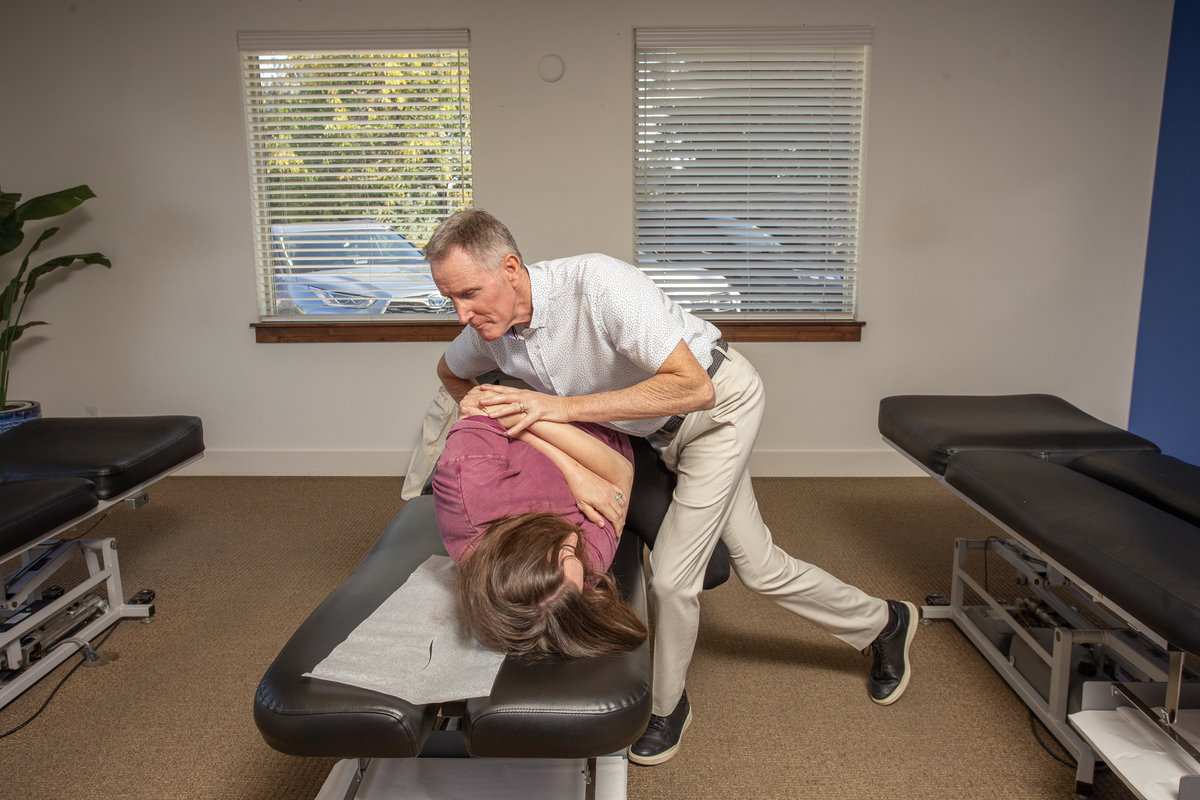
Chiropractic adjustments work to restore proper joint motion and spinal alignment. When joints in the spine or pelvis become restricted or misaligned, they can disrupt the body’s natural mechanics and reinforce poor postural habits. By carefully addressing those restrictions, chiropractic care helps the body move more freely and hold itself in better alignment — not through force, but through supporting the spine’s natural capacity for healthy function.
Alongside adjustments, chiropractic care often incorporates soft tissue work, rehabilitative movement guidance, ergonomic coaching, and postural education. The goal is never to create dependency on care, but to give patients the understanding and tools they need to make lasting improvements. Evidence from organizations like the American Chiropractic Association and the National Center for Complementary and Integrative Health (NCCIH) supports chiropractic care as a safe, non-invasive approach to managing musculoskeletal conditions, including those rooted in long-standing postural dysfunction.
Practical Tips to Protect Your Posture Starting Today
You don’t have to wait until something hurts to start taking posture seriously. Small, consistent habits made now can prevent a significant amount of pain and dysfunction later. These recommendations aren’t complicated — they just require intentionality.
Start with your workspace. If you spend hours at a desk each day, your chair, monitor height, and keyboard placement matter enormously. Your screen should be at eye level so your neck isn’t constantly tilting downward. Your chair should support the natural curve of your lower back, and your feet should rest comfortably flat on the floor. Even the best ergonomic setup, however, won’t fully compensate for staying in one position for too long — try to stand, stretch, or walk briefly every thirty to forty-five minutes.
Be mindful of how you use your phone. Bringing the device up to eye level rather than dropping your head down to the screen is a simple habit that reduces the chronic load on your cervical spine. It feels awkward at first, but it becomes natural quickly. For sleep, a supportive pillow that keeps your neck in a neutral position can make a meaningful difference over thousands of hours of cumulative rest.
Strengthening the muscles that support upright posture — particularly the deep core, the glutes, and the muscles of the upper and mid-back — is one of the most effective long-term strategies available. Activities like walking, swimming, yoga, and targeted strengthening exercises can all support better postural health. If you’re unsure where to start, the team at The Chiropractor at Castlebury can provide guidance tailored to your specific needs and lifestyle here in Eagle, Idaho.
When to See a Chiropractor About Posture
Some people wait until pain is severe before seeking care, but that’s rarely the ideal time to start. If you’re noticing persistent stiffness, recurring headaches, tension in the neck or shoulders, or low back discomfort that comes and goes — those are reasonable signals to schedule an evaluation. Early intervention typically means less structural compensation has occurred, which generally makes the path to improvement more straightforward.
If your posture has been a concern for a long time, or if you’re seeing visible changes — a forward head position, a noticeably rounded upper back, uneven shoulder heights — those are signs that musculoskeletal changes may already be underway, and a professional assessment is worth pursuing sooner rather than later.
There are also situations that warrant medical attention rather than chiropractic care, and a good chiropractor will always be upfront about that. Significant neurological symptoms such as severe weakness, loss of bladder or bowel control, or rapidly progressing numbness are red flags that require prompt medical evaluation. At The Chiropractor at Castlebury, the priority is always getting each patient the right kind of care — not simply providing chiropractic services for every situation that walks through the door.
Posture Mistakes vs. Smarter Corrections
|
Common Posture Mistake |
What’s Happening in the Body |
Smarter Correction |
|---|---|---|
|
Head forward / chin jutting out |
Excess load on cervical spine; upper neck muscle strain |
Gently retract the chin; bring screen to eye level |
|
Rounded upper back (thoracic kyphosis) |
Shortened chest muscles; weakened upper back muscles |
Strengthen mid-back; open chest with regular movement breaks |
|
Lower back flattened while sitting |
Loss of lumbar curve; increased disc pressure |
Use lumbar support; sit with hips slightly higher than knees |
|
Crossing legs habitually |
Pelvic imbalance; hip and SI joint strain |
Sit with both feet flat on the floor; switch positions frequently |
|
Carrying a bag on one shoulder |
Lateral spinal imbalance; compensatory muscle tension |
Use a backpack with both straps, or alternate shoulders regularly |
|
Looking down at a phone for long periods |
Increased cervical load; “tech neck” pattern development |
Raise phone to eye level; limit prolonged screen time |
Myths and Facts About Posture
Myth: Poor posture only causes back pain.
Fact: Poor posture can contribute to a wide range of issues beyond back pain, including tension headaches, jaw tension, shoulder dysfunction, reduced breathing capacity, and nerve irritation that causes symptoms in the arms or hands. The spine is connected to everything, and its alignment influences far more than just localized discomfort.
Myth: You’ll know immediately if your posture is causing damage.
Fact: This is one of the most common misconceptions, and it’s exactly what makes poor posture so costly in the long run. Structural changes in the spine, including disc degeneration, joint wear, and muscle imbalances, can develop over years without producing noticeable symptoms until the damage is already significant. Regular posture and spinal evaluations can catch these patterns early.
Myth: Posture problems are permanent once you have them.
Fact: While it’s true that long-standing postural dysfunction is more challenging to address than patterns caught early, meaningful improvement is possible at most stages of life. The spine and musculoskeletal system have a remarkable capacity for adaptation. With consistent effort, proper guidance, and appropriate care, many people see notable improvements in their posture and related symptoms.
Myth: Only older people need to worry about posture.
Fact: The habits formed in childhood, adolescence, and early adulthood are often the ones that create the most long-term damage. By the time posture-related problems become symptomatic in middle age, those habits may have been in place for twenty or thirty years. Starting good posture habits early — or correcting poor ones as soon as they’re identified — is the most protective strategy available.
Myth: Chiropractic care can’t help with posture — it only treats pain.
Fact: Chiropractic care is specifically well-suited to addressing the biomechanical foundations of poor posture. Through spinal adjustments, joint mobilization, soft tissue work, and corrective movement guidance, chiropractic care addresses the structural reasons posture suffers in the first place. It’s a proactive, whole-body approach — not simply a pain management tool.
Final Thoughts From The Chiropractor at Castlebury
The cost of poor posture is real — but it’s also largely preventable. That’s the message that Dr. Craig Ellison and Dr. Kristin Moore want every patient in the Eagle, Idaho community to take to heart. You don’t have to wait until pain forces the issue. You don’t have to accept stiffness, headaches, or fatigue as an inevitable part of getting older. Many of those experiences have roots that can be identified, addressed, and improved.
At The Chiropractor at Castlebury, the approach has always been rooted in education and genuine care for this community. Eagle, Idaho is a growing, active, health-conscious community — and the people here deserve the kind of thoughtful, honest chiropractic guidance that empowers them to make good decisions about their long-term spinal health. Whether you’re already experiencing symptoms or simply want to get ahead of potential problems, the door is always open for a conversation.
Your posture tells a story about how you’ve been living. The good news is that with the right support, you can start writing a healthier chapter — at any age.
Frequently Asked Questions
Can poor posture really cause problems years later, even if I feel fine now?
Yes. Many of the structural changes associated with chronic poor posture — including disc degeneration and joint wear — develop gradually and silently over years. By the time symptoms appear, the underlying changes are often already well established. This is why proactive evaluation and correction are so valuable.
How long does it take to correct poor posture?
There’s no universal timeline — it depends on how long the postural patterns have been in place, how consistently corrective habits are practiced, and whether any underlying structural changes need to be addressed. Some people notice meaningful improvements within weeks, while longer-standing patterns may take months of consistent effort.
Is chiropractic care safe for posture correction?
Chiropractic care is widely recognized as a safe, non-invasive approach to musculoskeletal health, including posture-related concerns. Organizations like the NCCIH and the American Chiropractic Association recognize it as a conservative, evidence-informed option. A thorough evaluation before beginning care ensures that the approach is appropriate for your specific situation.
At what age should I start thinking about my posture?
Honestly, the earlier the better. The postural habits formed in youth often carry into adulthood and can contribute to long-term spinal changes if left unaddressed. That said, it is genuinely never too late to begin making improvements — people of all ages can benefit from better postural awareness and appropriate care.
What’s the difference between a posture problem and a structural spinal problem?
Posture problems refer to habitual positions and movement patterns that place undue stress on the spine and supporting tissues. Over time, these can lead to structural changes — meaning actual physical alterations in the joints, discs, or bones. A proper chiropractic evaluation can help distinguish between the two and determine the most appropriate path forward.
Do I need to be in pain to see a chiropractor about my posture?
Not at all. Many patients visit The Chiropractor at Castlebury for preventive or wellness-oriented care, wanting to address postural habits before they become symptomatic. Early evaluation and guidance can be one of the most effective investments in your long-term spinal health.
TL;DR Summary
-
Poor posture causes cumulative, often silent damage to the spine, muscles, and joints that may not become symptomatic for years or even decades.
-
Common causes include prolonged sitting, tech neck from screen use, improper ergonomics, and repetitive one-sided habits.
-
Early warning signs include morning stiffness, tension headaches, shoulder tightness, and fatigue — but significant structural changes can occur without obvious symptoms.
-
Chiropractic care addresses the biomechanical roots of poor posture through spinal adjustments, soft tissue work, and corrective guidance — not just symptom relief.
-
Starting good postural habits early and seeking evaluation at the first signs of concern are the most effective ways to protect your long-term spinal health.