
If you’ve ever felt a sharp, shooting pain that starts in your lower back and travels down through your buttock and into your leg, you already know how disruptive sciatica can be. It can make sitting at your desk nearly impossible, disrupt your sleep, and turn simple activities like walking or bending over into a real challenge. Here in Eagle, ID, many patients come through our doors at The Chiropractor at Castlebury dealing with exactly this kind of pain — and the good news is that there are effective, non-invasive ways to address it. Understanding why chiropractic care is such a smart first step for sciatica could make a meaningful difference in how quickly you find relief and get back to living your life.
What Is Sciatica?
Sciatica is not a diagnosis in itself — it’s a symptom. It refers to pain, numbness, tingling, or weakness that radiates along the path of the sciatic nerve, which runs from your lower back through your hips and buttocks and down each leg. Most cases of sciatica affect only one side of the body at a time and are caused by compression or irritation of the sciatic nerve or its roots in the lumbar spine.
What Causes Sciatica?
The sciatic nerve is the longest and widest nerve in the human body. It starts in the lumbar spine — specifically around the L4 through S3 vertebral levels — and travels all the way down to your feet. When something compresses, irritates, or inflames any part of this nerve or the nerve roots that feed into it, you get the characteristic radiating pain we call sciatica.
The most common structural cause is a herniated or bulging disc. The discs between your vertebrae act as cushions, and when the inner material pushes outward, it can press directly on a nearby nerve root. Another common cause is spinal stenosis, a narrowing of the spinal canal that can put pressure on the nerve roots. Degenerative disc disease, bone spurs, and even tight muscles like the piriformis muscle in the buttock area can also contribute to sciatic nerve compression.
Here in Eagle, ID, we frequently see patients whose sciatica is tied to lifestyle factors — long hours sitting at a desk, prolonged driving, or work that involves repetitive bending and lifting. Poor posture and weak core muscles can also increase the mechanical load on the lumbar spine over time, setting the stage for nerve irritation. Occasionally, pregnancy-related changes in posture and pelvis alignment can also trigger sciatica symptoms.
Signs and Symptoms to Watch For
Sciatica has a pretty recognizable pattern once you know what to look for. The hallmark is pain that travels from the lower back, through the gluteal region, and down the back or side of one leg — sometimes all the way to the foot. But the sensation varies quite a bit from person to person. Some people describe it as a constant burning or aching. Others feel sudden jolts of sharp, electric-like pain. Many experience tingling or numbness in the leg or foot.
It’s also common for symptoms to worsen with certain positions or movements. Sitting for long periods, sneezing, coughing, or bending forward often intensifies the pain. Standing and walking, interestingly, can sometimes provide temporary relief because it changes the pressure on the spine. Muscle weakness in the affected leg is another sign that shouldn’t be ignored, as it can indicate significant nerve involvement.
It’s important to understand that sciatica symptoms can range from mildly annoying to severely debilitating. Even when the pain is manageable, it tends to persist or worsen if the underlying cause isn’t addressed. That’s one of the key reasons why seeking evaluation early — rather than just waiting it out — can make a big difference in your recovery timeline.
How Chiropractic Care Can Help with Sciatica
Chiropractic care is widely recognized as one of the most effective conservative, drug-free approaches for managing sciatica. The American College of Physicians and the National Institutes of Health have both acknowledged spinal manipulation and conservative care as recommended first-line treatments for lower back pain and related conditions. Research suggests that chiropractic adjustments can reduce pain, improve function, and help restore normal movement in patients experiencing sciatic nerve irritation.
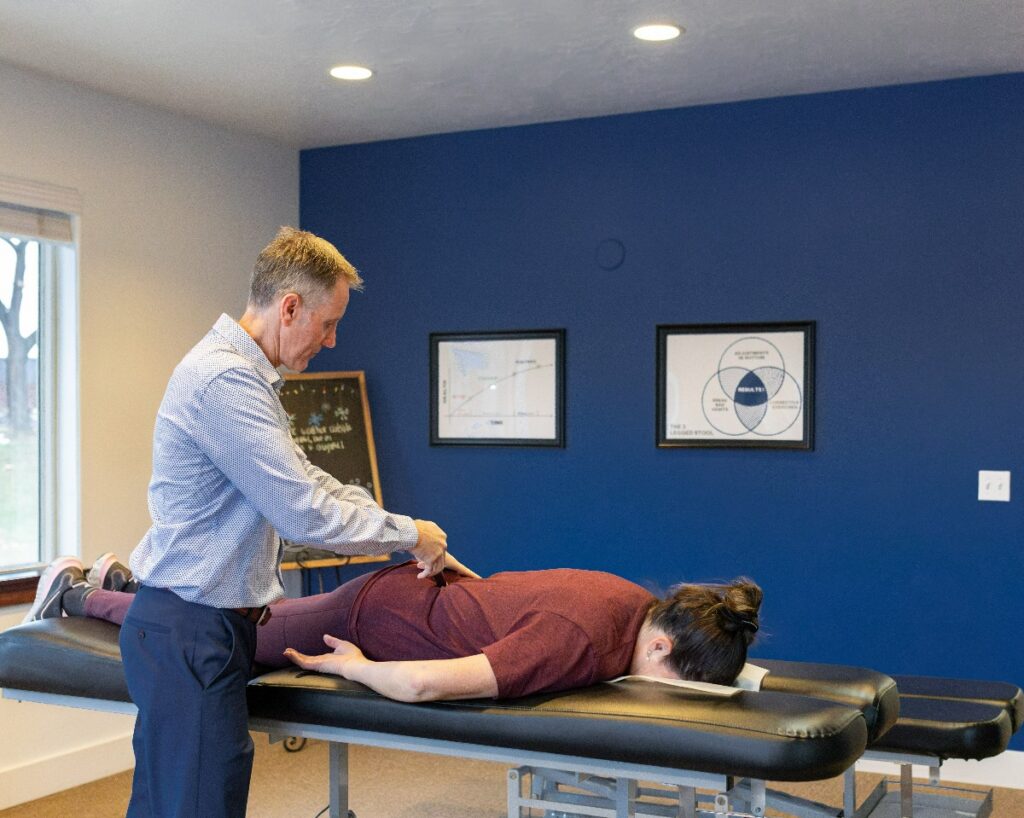
The core of chiropractic care for sciatica involves spinal manipulation — sometimes called a chiropractic adjustment. The goal is to gently restore proper alignment and movement in the lumbar spine and pelvis, which can help relieve pressure on the affected nerve root. When the spine moves more freely and is properly aligned, the nervous system can function with less interference, and the surrounding soft tissues are better able to heal.
Beyond spinal adjustments, chiropractors are trained to address the whole picture. The doctors at The Chiropractor at Castlebury takes a thorough, individualized approach to sciatica care. That means evaluating not just where your pain is, but understanding your posture, movement patterns, daily habits, and any contributing factors — so that care is tailored specifically to you. Other complementary techniques such as soft tissue therapy, rehabilitative exercises, and ergonomic guidance may also be incorporated into your plan.
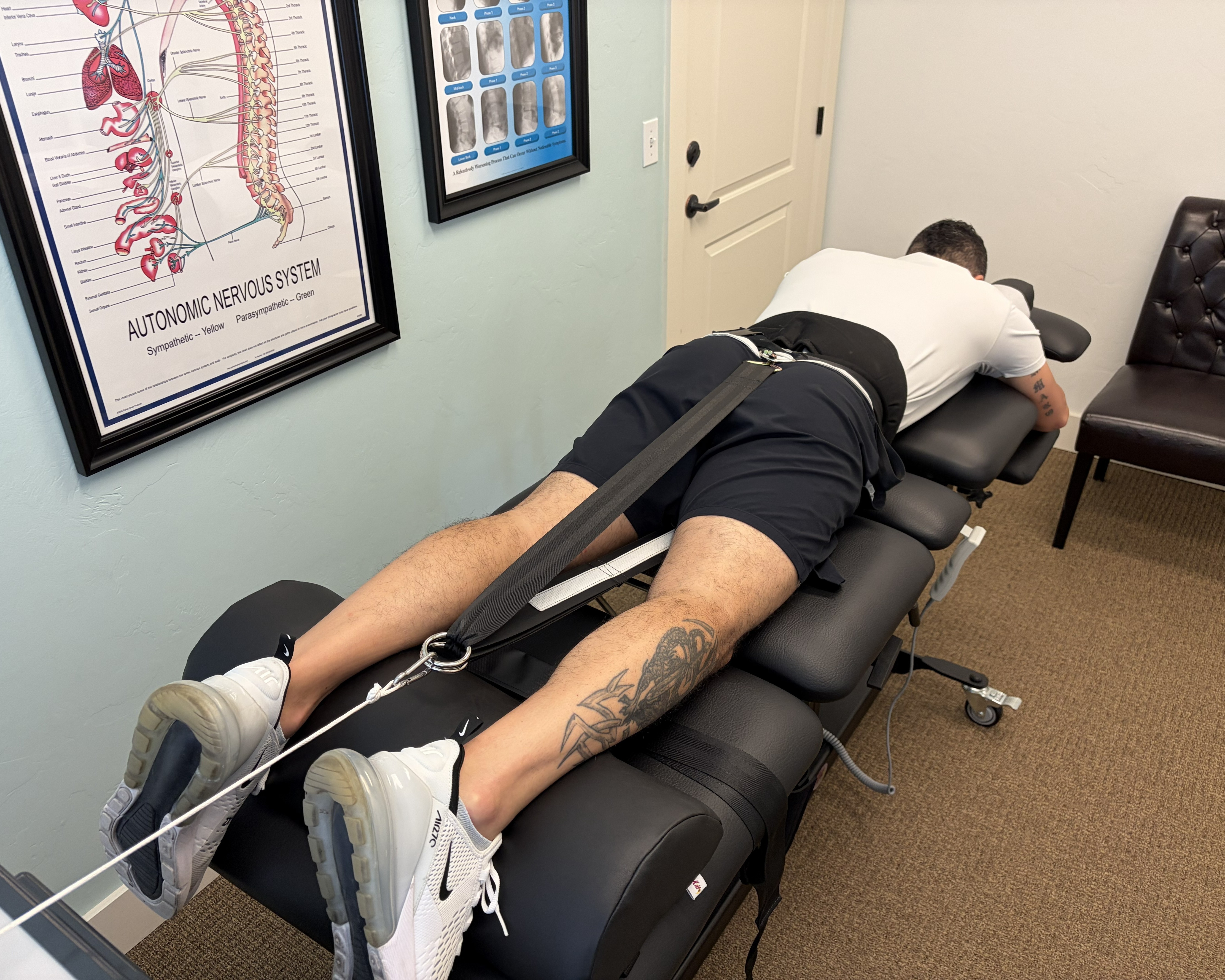
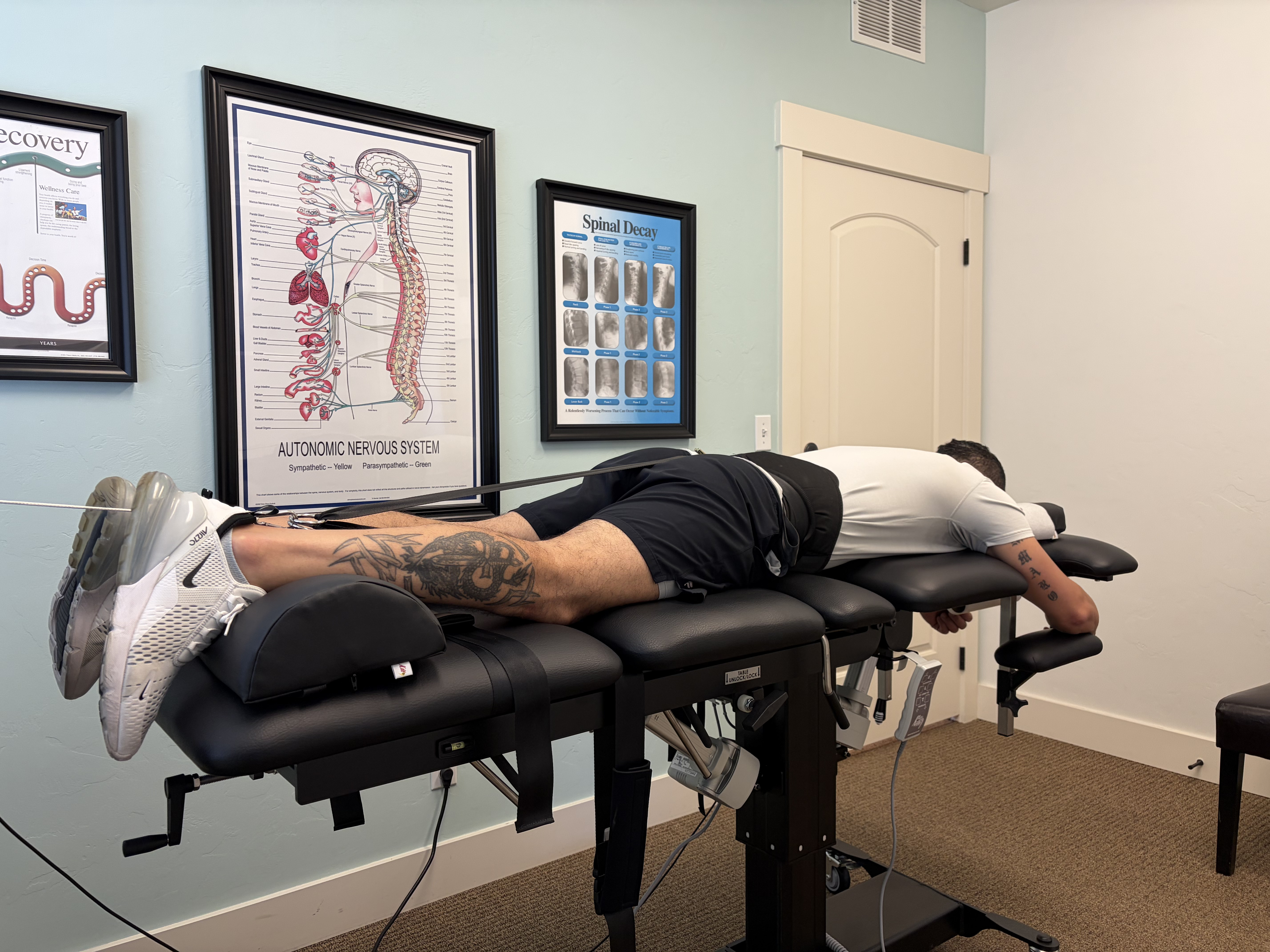
Spinal Decompression Therapy for Sciatica Pain
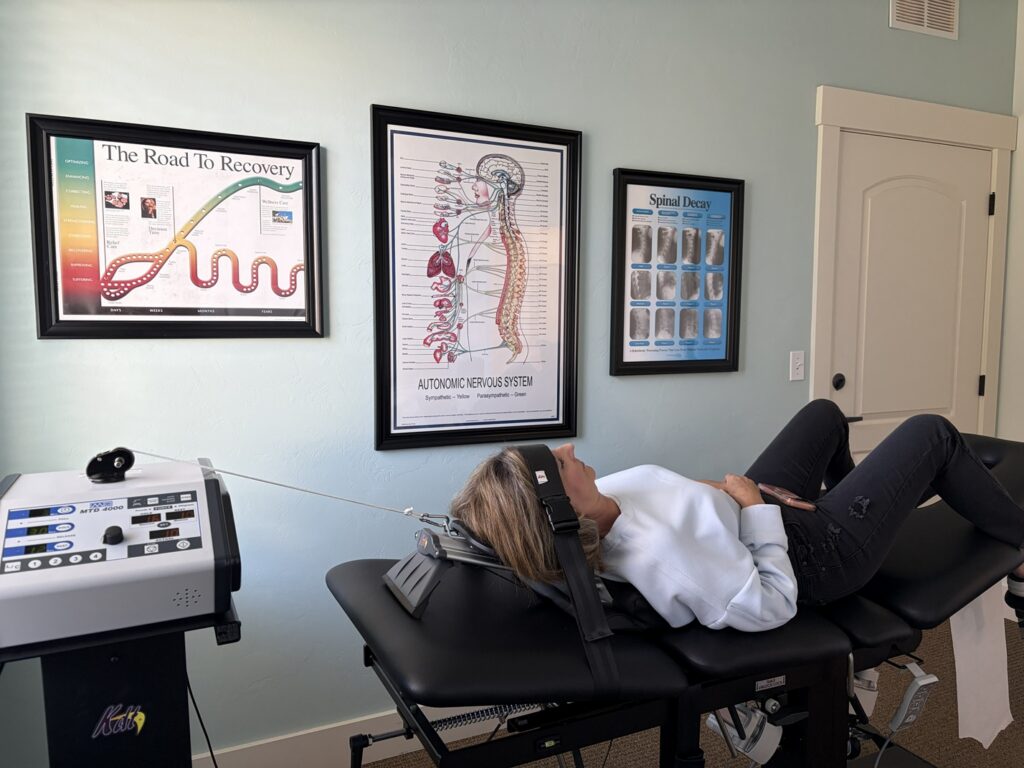
Spinal Decompression Therapy is another conservative treatment we may recommend for patients with sciatica, particularly when symptoms are caused by a herniated disc, bulging disc, degenerative disc disease, or other conditions that place pressure on the sciatic nerve. Spinal Decompression Therapy uses a specialized traction table to gently stretch the spine, creating negative pressure within the spinal discs. This process may help reduce pressure on irritated nerve roots, encourage the movement of nutrients and oxygen into damaged discs, and support the body’s natural healing process. When combined with chiropractic adjustments, soft tissue therapy, and corrective exercises, Spinal Decompression Therapy can help relieve pain, improve mobility, and address the underlying cause of sciatica without relying on surgery or medication.
Evidence from the Cochrane Library and the Spine Journal indicates that spinal manipulation offers benefits for patients with acute and chronic low back pain with radiculopathy — the clinical term for nerve-related symptoms like those seen in sciatica. While individual results vary, many patients notice meaningful improvement in their pain levels and ability to move within a relatively short course of care.
What to Expect at The Chiropractor at Castlebury
If you’re coming to see Dr. Craig Ellison or Dr. Kristin Moore at The Chiropractor at Castlebury in Eagle, ID for the first time, here’s what a typical visit looks like. Your initial appointment will involve a detailed health history and a thorough physical examination focused on your spine, pelvis, and neurological function. They will assess your range of motion, posture, and muscle strength, and he’ll take time to listen to what you’re experiencing — not just the pain, but how it’s impacting your daily life.
From there, a care plan is developed that fits your specific situation. There is no one-size-fits-all approach to sciatica. Depending on your diagnosis, they may use gentle spinal adjustments, soft tissue techniques, traction, or therapeutic exercises. You’ll also receive guidance on what you can do between appointments to support your recovery. The goal is not just short-term pain relief, but helping your body heal properly and reducing the likelihood of the problem returning.
Practical Tips for Managing Sciatica at Home
While professional care is the most important step, there are several things you can do at home to support your recovery and reduce flare-ups. Movement is generally better than rest. Gentle walking, even just 10 to 15 minutes at a time, helps keep your spine mobile and encourages circulation in the affected area. Avoid prolonged sitting when possible, and if your job requires it, get up and move around every 30 to 45 minutes.
Pay attention to your sleeping position as well. Lying on your back with a pillow under your knees, or on your side with a pillow between your knees, can help reduce pressure on the lumbar spine and sciatic nerve while you sleep. Avoid sleeping on your stomach, as this position can increase the curve in your lower back and aggravate nerve irritation.
Applying ice or a cold pack to the lower back during the first 48 to 72 hours of a flare can help reduce inflammation. After that initial period, gentle heat may help relax the surrounding muscles. Always place a cloth between the ice or heat and your skin to protect against burns. And always follow the specific advice Dr. Ellison and Dr. Moore provides, as what’s right for your particular situation may differ from general guidance.
When to See a Chiropractor for Sciatica
You don’t need to wait until your sciatica is unbearable before seeking care. In fact, the sooner you get evaluated, the better your chances of a faster recovery. If you’ve been experiencing lower back pain with any radiating leg symptoms for more than a week or two, that’s a good reason to schedule an appointment at The Chiropractor at Castlebury in Eagle, ID.
If your symptoms come and go but keep returning, that’s also a sign that something in your spine’s mechanics isn’t quite right and deserves attention. Recurring sciatica that is left unaddressed can become chronic, making it harder to treat over time. The doctors can help identify the underlying pattern and work with you on a long-term solution.
However, there are certain symptoms that warrant immediate medical attention rather than a chiropractic visit. These red flags include sudden loss of bladder or bowel control, progressive weakness in both legs, severe pain following a traumatic injury, or a rapid worsening of neurological symptoms. If you experience any of these, go to the emergency room right away. A good chiropractor will always prioritize your safety and refer you to the appropriate provider when necessary.
Symptom or Situation |
Appropriate Action |
|---|---|
|
Mild to moderate lower back and leg pain lasting 1-2 weeks |
Schedule a chiropractic evaluation |
|
Recurring sciatica flare-ups |
See a chiropractor to identify the underlying cause |
|
Sciatica with sitting or standing limitations |
Conservative chiropractic care is often appropriate |
|
Numbness or tingling in one leg |
Chiropractic evaluation recommended |
|
Loss of bladder or bowel control |
Seek emergency medical care immediately |
|
Rapid neurological deterioration or bilateral leg weakness |
Seek emergency medical care immediately |
Myths vs. Facts About Sciatica
Myth: Sciatica always requires surgery to resolve.
Fact: The vast majority of sciatica cases resolve with conservative, non-surgical care. Research suggests that most people with sciatica improve over weeks to months with appropriate treatment, and spinal manipulation, physical rehabilitation, and lifestyle modifications are recommended as first-line approaches before surgery is ever considered.
Myth: You should stay in bed and rest until the pain goes away.
Fact: Extended bed rest is not recommended for sciatica and may actually slow your recovery. Gentle, appropriate movement helps maintain spinal mobility, reduces stiffness, and supports the healing process. Your chiropractor can guide you on what types of movement are safe and beneficial for your specific situation.
Myth: Sciatica is just back pain.
Fact: Sciatica is specifically nerve-related pain that radiates along the path of the sciatic nerve — it’s not simply back pain. The radiating, shooting, or burning quality of the pain, often extending into the leg and sometimes the foot, distinguishes it from typical muscle-related lower back pain and requires a different evaluation and treatment approach.
Myth: If the pain goes away on its own, you don’t need to do anything else.
Fact: While symptoms may temporarily subside, the underlying structural or mechanical issue that caused the nerve irritation often remains. Without addressing it, sciatica frequently returns — sometimes worse than before. Getting evaluated even after a flare resolves can help prevent recurrence and protect your long-term spinal health.
Myth: Chiropractic adjustments are dangerous for sciatica.
Fact: When performed by a qualified, licensed chiropractor, spinal adjustments are considered a safe and effective approach for many cases of sciatica. The doctors will conduct a thorough examination before any care is provided to ensure that chiropractic treatment is appropriate and safe for each individual patient.
Final Thoughts
Living with sciatica doesn’t have to be your new normal. Whether you’ve been dealing with it for weeks or have been managing flare-ups for years, there is real hope for improvement through conservative, patient-centered care. Here in Eagle, ID, the team at The Chiropractor at Castlebury is committed to helping members of this community understand their bodies better and find lasting, drug-free relief.
Dr. Craig Ellison and Dr. Kristin Moore bring a thorough, caring approach to every patient who walks through the door — whether you’re a first-timer who just started noticing sciatic symptoms or someone who has tried multiple treatments without success. The goal is always to understand the root of what’s going on, give your body the support it needs to heal, and empower you with the knowledge and tools to stay well long-term.
If you’re in Eagle, ID or the surrounding area and you’re struggling with lower back pain or radiating leg pain, don’t wait for it to get worse. Reach out to The Chiropractor at Castlebury and take the first step toward feeling like yourself again. You deserve to move freely, sleep soundly, and enjoy your daily life without pain holding you back.
Frequently Asked Questions
How many chiropractic visits will I need for sciatica?
The number of visits varies depending on the severity and duration of your symptoms, the underlying cause, and how your body responds to care. They will give you a clear picture of your recommended care plan after your initial evaluation. Many patients experience noticeable improvement within the first several weeks of consistent care.
Can a chiropractor make sciatica worse?
A thorough examination before treatment helps ensure that chiropractic care is appropriate for your specific condition. In the hands of a qualified chiropractor, adjustments are generally safe and beneficial for sciatica. If there are any contraindications — such as fractures, tumors, or severe nerve compression — a responsible chiropractor will refer you to the appropriate specialist.
Is sciatica the same as a herniated disc?
Not exactly. A herniated disc is one of the most common causes of sciatica, but sciatica can also be caused by spinal stenosis, piriformis syndrome, bone spurs, and other conditions. Sciatica is the symptom — the radiating nerve pain — while the herniated disc is a potential underlying cause. Identifying the cause is key to selecting the right treatment approach.
How long does sciatica typically last?
Many acute cases of sciatica improve within a few weeks to a few months with appropriate care. Chronic cases that have been present for a longer period may take more time to resolve. Early intervention and addressing the root cause — rather than just masking the pain — is associated with better long-term outcomes.
Should I get an MRI before seeing a chiropractor for sciatica?
In many cases, an MRI is not necessary before beginning conservative chiropractic care. The doctors can often identify the likely cause of your sciatica through a thorough physical and orthopedic examination. Imaging may be recommended if symptoms are severe, not responding to care, or if there is reason to suspect a more serious underlying condition.
Can sciatica affect both legs at the same time?
Sciatica most commonly affects only one side of the body. Bilateral sciatica — symptoms in both legs simultaneously — is less common and can sometimes indicate a more serious condition, such as cauda equina syndrome, which requires immediate medical attention. If you’re experiencing symptoms in both legs along with any bowel or bladder changes, seek emergency care right away.
TL;DR
-
Sciatica is nerve-related pain that radiates from the lower back through the buttock and down the leg, most often caused by compression of the sciatic nerve.
-
Common causes include herniated discs, spinal stenosis, piriformis tightness, poor posture, and prolonged sitting — all of which are frequently seen in patients across Eagle, ID.
-
Chiropractic care, including spinal adjustments and soft tissue work, is a well-supported, drug-free approach for managing sciatica and addressing its root cause.
-
The doctors at The Chiropractor at Castlebury provides individualized sciatica care designed to reduce pain, restore movement, and prevent recurrence.
-
Don’t wait for symptoms to become severe — early evaluation leads to better outcomes, and most cases of sciatica can be effectively managed without surgery or medication.