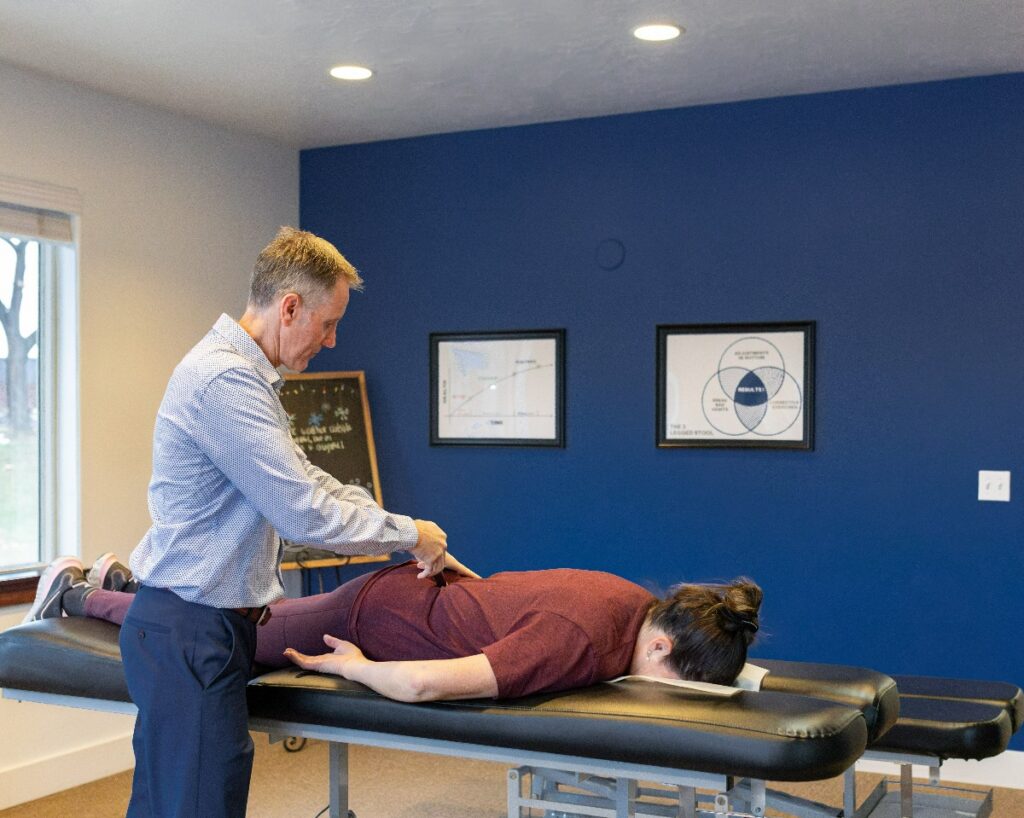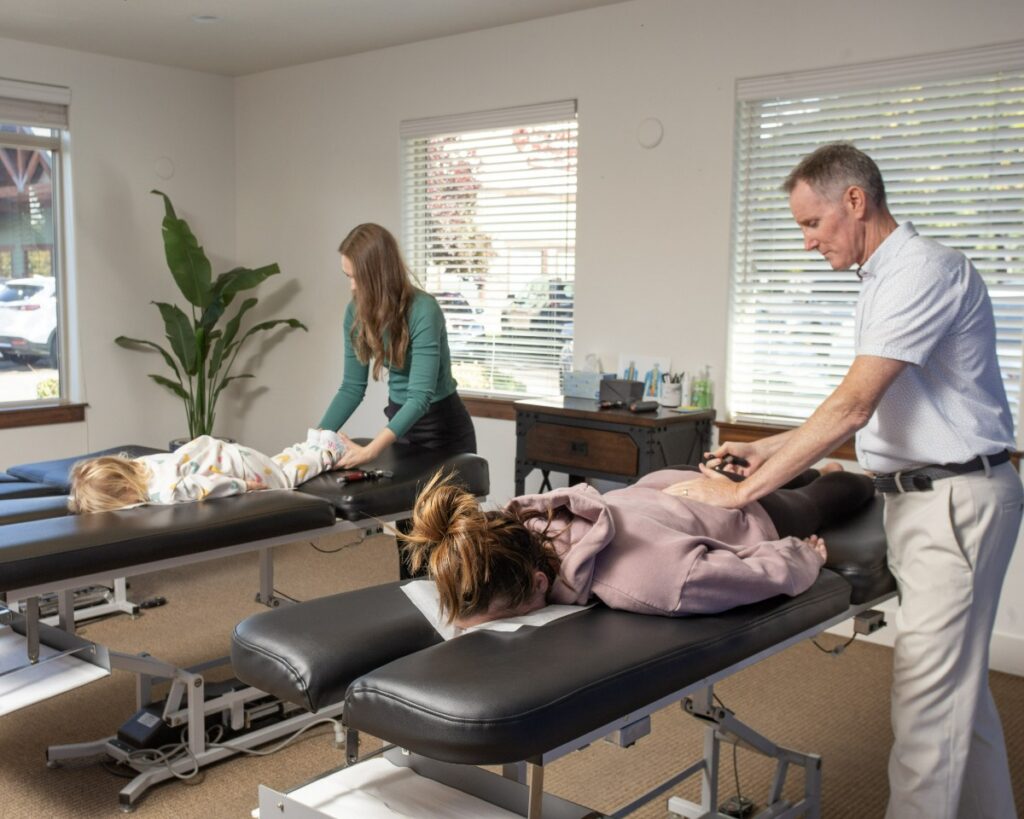

As a local chiropractor, I understand that many of you are dealing with upper back pain, and you're certainly not alone in this struggle. A lot of discomfort stems from poor posture or a sedentary lifestyle, but the good news is that there are effective, natural strategies to help you find relief. By making small adjustments to your daily habits and incorporating specific techniques, you can significantly reduce your pain and improve your overall well-being.
You might be surprised at how simple changes can lead to remarkable improvements in your condition. If you're curious about these tips and how they can transform your experience, I'm here to guide you through some practical solutions that can truly make a difference in your life. Let's work together to enhance your comfort and promote a healthier lifestyle.
Assess Your Posture
As a local chiropractor, I want to emphasize the importance of evaluating your posture for relieving upper back pain. Many people are unaware that poor posture can lead to unnecessary strain on your muscles and spine, resulting in discomfort over time. I encourage you to take a moment to assess how you sit, stand, and move throughout your daily activities.
Ask yourself: Are your shoulders slumped forward? Is your head jutting out in front of your body? These common habits can contribute significantly to tension in your upper back, and addressing them is a vital step towards feeling better.
When sitting, it's essential to keep your back straight and your shoulders relaxed. Your feet should rest flat on the floor, and your knees should form a right angle. If you spend a lot of time at a desk, consider investing in an ergonomic chair that provides support for your lower back. Additionally, adjusting your computer screen to eye level can help prevent you from leaning forward, which often strains the upper back.
While standing, it's important to distribute your weight evenly across both feet and keep your shoulders back. Avoid locking your knees, as this can destabilize your posture. When you walk, strive to maintain a straight back and engage your core muscles to support your spine effectively.
Don't forget to consider your posture while sleeping! A proper pillow is crucial for keeping your neck aligned with your spine. If you tend to sleep on your side, placing a pillow between your knees can help maintain proper alignment throughout the night.
Incorporate Stretching Exercises
As a local chiropractor, I want to share with you the importance of incorporating effective stretching exercises into your daily routine to help alleviate upper back pain.
Many patients may not realize just how beneficial stretching can be for improving your overall comfort and mobility.
I recommend that you aim to stretch regularly, focusing on both the frequency and duration of your stretches. Consistent practice is crucial; it can lead to noticeable relief from discomfort and significantly improve your range of motion.
Stretching not only helps to loosen tight muscles but also promotes better blood flow, which can enhance the healing process.
By integrating these simple yet effective stretching techniques into your day, you can take proactive steps towards a healthier, pain-free back.
If you have any questions or need guidance on specific stretches, feel free to reach out during your next visit!
Effective Stretching Techniques
As a local chiropractor dedicated to helping you understand natural healing methods, I want to emphasize the importance of incorporating effective stretching techniques into your daily routine to alleviate upper back pain.
One of the first stretches I recommend is the Cat-Cow stretch. Begin by positioning yourself on all fours. Arch your back upward while tucking your chin in, then lower your belly and lift your head. This dynamic movement not only enhances flexibility but also helps to reduce stiffness in your back.
Next, let's explore the Child's Pose. Kneel and sit back on your heels, then stretch your arms forward on the ground, allowing your forehead to rest on the floor. Holding this position for a few breaths can significantly help in releasing tension in your upper back.
Another beneficial stretch is the doorway stretch. Stand in a doorway, placing your arms at a 90-degree angle on the door frame. Gently lean forward, and you should feel a nice stretch across your chest and shoulders, which can work wonders in alleviating upper back discomfort.
Finally, I encourage you to incorporate shoulder rolls into your routine. Whether you're sitting or standing tall, lift your shoulders towards your ears, then roll them back and down. Repeat this several times; it's a simple yet effective way to improve circulation and relieve tightness in your muscles.
These stretches are a great way to complement the care you receive at my clinic and can help you manage upper back pain naturally.
Frequency and Duration
As a local chiropractor, I want to share some essential tips on finding the right frequency and duration for your stretching exercises, especially if you're dealing with upper back pain. Integrating stretching into your daily routine is crucial for relief and recovery.
Ideally, aim to stretch at least three to five times each week; however, daily sessions can significantly boost your results. Remember, consistency is key to seeing improvements.
In terms of duration, each stretching session should last around 15 to 30 minutes. It's important to hold each stretch for 15 to 30 seconds, allowing your muscles to relax and elongate properly.
Take your time with these movements—slow and controlled stretches tend to yield better outcomes compared to hurried ones. Always pay attention to how your body feels. If you experience any pain or discomfort while stretching, it's important to ease off and adjust the intensity accordingly.
I recommend including a combination of static and dynamic stretches. This approach will help target not only your upper back but also surrounding areas like your shoulders and neck, promoting overall flexibility and relief.
Use Proper Ergonomics
As a chiropractor, I want to emphasize the importance of proper ergonomics in your daily life, particularly when it comes to enhancing your comfort, productivity, and overall spinal health. Many patients come to me with complaints of upper back pain, which can often be traced back to poor workspace setups.
Let's discuss how you can create an ergonomic environment that supports your body.
First, take a close look at your chair. It's essential that your chair offers adequate lumbar support to help maintain the natural curve of your lower back. When seated, your feet should rest flat on the floor or on a footrest, which helps to alleviate tension in your legs and back.
Next, let's talk about desk height. Your elbows should ideally be at a 90-degree angle when you're typing, and your wrists should remain straight. If your desk is too high or too low, you may find yourself slouching or straining, which can lead to discomfort and pain. Adjusting your chair height or using a keyboard tray can help you achieve the right position.
Your computer monitor is another critical factor. It should be positioned at eye level to prevent you from tilting your head up or down, which can strain your neck and shoulders. If you work with multiple screens, ensure they're aligned at the same height and close enough to reduce strain.
Lastly, I can't stress enough the importance of taking regular breaks. Stand up, stretch, or walk around every hour to relieve built-up tension in your body.
By incorporating these ergonomic adjustments into your daily routine, you can significantly reduce discomfort and improve your overall well-being.
Apply Heat or Cold Therapy
As your local chiropractor, I understand that even with an ergonomic workspace, you may still experience upper back pain from time to time. When that happens, incorporating heat or cold therapy into your routine can be a natural and effective way to relieve discomfort.
Let's explore how each method works and when to use them.
Cold therapy is particularly beneficial during the initial stages of pain or following any activities that may aggravate your upper back. Applying an ice pack or a cold compress to the affected area for about 15-20 minutes can help reduce inflammation and numb sharp pain.
Just a quick tip: always wrap the ice pack in a cloth to protect your skin from potential damage.
Conversely, heat therapy is ideal for addressing chronic pain or muscle stiffness. Utilizing a heating pad, a warm towel, or even enjoying a hot shower can effectively relax tight muscles and enhance blood circulation.
Aim for around 15-20 minutes of heat application, but always be cautious—if it feels too hot, it's best to cool it down a bit.
You might also find that alternating between heat and cold therapy can provide enhanced relief by tackling both inflammation and muscle tension.
I encourage you to listen to your body and determine which method brings you the most comfort.
Incorporating heat or cold therapy into your pain management routine can significantly improve your overall well-being.
Don't hesitate to experiment with these methods to find what feels right for you. Keeping your upper back comfortable is essential not only for your productivity but also for your overall health.
If you have any questions or need further guidance, feel free to reach out—I'm here to help!
Stay Hydrated
As your local chiropractor, I want to emphasize the importance of staying hydrated for your overall well-being and its significant impact on muscle function.
Many people may not realize that inadequate water intake can lead to stiff muscles, which can increase the risk of discomfort and pain, particularly in the upper back area.
I encourage you to prioritize your hydration by drinking enough water throughout the day. This simple practice can help alleviate tension and support your body's natural healing processes.
Importance of Water Intake
As a local chiropractor, I want to emphasize the crucial role that hydration plays in your overall health, especially when it comes to alleviating upper back pain. When your body is well-hydrated, it operates more efficiently, which can significantly help in reducing discomfort in your upper back.
Water serves as a vital carrier of nutrients to your muscles and joints, ensuring they stay lubricated and are less susceptible to stiffness and pain. If you're not consuming enough water, you may face dehydration, which can lead to muscle cramps and increased tension in your body.
This tension often manifests as tightness and soreness in the upper back. I encourage you to make a conscious effort to drink adequate amounts of water throughout the day and pay attention to your body's thirst signals.
In addition to drinking water, incorporating foods with high water content—such as fruits and vegetables—into your diet can further enhance your hydration levels. These foods not only help keep you hydrated but also provide essential nutrients that support muscle health.
It's important to establish a routine of sipping water regularly rather than waiting until you feel thirsty. If you're active or spend time outdoors, remember to increase your water intake to compensate for any fluid loss through sweating.
Staying hydrated is a straightforward yet powerful way to support your body and alleviate upper back pain. If you have any questions about how hydration can play a role in your chiropractic care, feel free to ask!
Hydration and Muscle Function
As a local chiropractor, I want to emphasize the importance of adequate hydration for optimal muscle function. Water plays a crucial role in helping your muscles contract effectively and recover after physical activity.
When you're dehydrated, it can lead to issues such as cramping, fatigue, and reduced strength—factors that can contribute to discomfort, including upper back pain.
To support your muscles and overall well-being, it's essential to drink enough water throughout the day. Listen to your body; if you feel thirsty, it's a clear sign that you need to hydrate.
If you're engaging in physical activities or spending time outdoors in the heat, be sure to increase your water intake to replace the fluids lost through sweat.
In addition, if you're exercising intensely, consider including electrolyte-rich beverages in your routine. These drinks can help replenish vital minerals lost during sweating, further enhancing muscle function and aiding in recovery.
Remember, staying properly hydrated is a simple yet effective way to support not only your muscles but also your overall health and wellness.
If you have any questions about how hydration ties into your chiropractic care or natural healing, feel free to ask!
Practice Relaxation Techniques
As a local chiropractor, I want to share with you how relaxation techniques can be a powerful tool in alleviating upper back pain. Many of my patients come to me feeling stressed or tense, which often leads to muscle tightness and discomfort. By incorporating relaxation practices into your daily routine, you can reduce tension and promote overall well-being—essential elements of natural healing.
Let's start with deep breathing exercises. I recommend finding a comfortable position, closing your eyes, and taking slow, deep breaths. Inhale deeply through your nose, letting your abdomen rise, and hold for a moment before exhaling slowly through your mouth.
Try to maintain this practice for five to ten minutes each day. You'll likely notice a reduction in the tension in your back.
Another effective technique is progressive muscle relaxation (PMR). This method involves systematically tensing and then relaxing different muscle groups. Start with your toes, tense them for a few seconds, and then release. Gradually move up your body, focusing on your back and shoulders.
This not only helps alleviate tightness but also enhances your awareness of where you hold stress.
Mindfulness meditation is another practice I highly recommend. Dedicate a few minutes each day to focus on the present moment. Pay attention to your breath and the sensations in your body, particularly in your upper back.
This practice can help you manage pain more effectively by altering your response to it.
Finally, consider integrating gentle yoga or stretching into your routine. Poses like Child's Pose or Cat-Cow can effectively stretch and strengthen your back while promoting relaxation.
By adopting these techniques into your life, you may find significant relief from upper back pain and improve your overall health.
As your chiropractor, I'm here to guide you on this journey to natural healing. Let's work together to find the best strategies for your well-being.
Consult a Healthcare Professional
As a local chiropractor, I want to emphasize the importance of seeking professional help when dealing with upper back pain. Many people overlook this crucial step, but consulting a chiropractor can significantly impact your recovery journey. We specialize in identifying the root causes of your pain, which may not be immediately apparent.
When you come in for a visit, I'll conduct a thorough assessment, including a detailed physical examination. In some cases, we may also recommend imaging tests to rule out serious conditions like herniated discs or spinal issues that may require specific attention.
Once we identify the source of your discomfort, I'll create a personalized treatment plan tailored to your needs. This may include chiropractic adjustments, therapeutic exercises, and advice on proper posture and ergonomics to help alleviate pain and inflammation.
Ignoring ongoing upper back pain can lead to more serious complications in the future. By consulting a chiropractor, you're not only addressing your current symptoms but also taking proactive steps to prevent further issues. I can guide you on exercises specifically designed for your condition, helping you strengthen your back and improve your overall well-being.
Don't hesitate to reach out for assistance. Whether your pain is mild or severely impacting your daily life, my expertise in chiropractic care and natural healing can help you find effective relief.
Conclusion
As a local chiropractor, I want to share some valuable insights on how you can relieve upper back pain and improve your overall well-being naturally. First and foremost, it's important to be mindful of your posture throughout the day; this simple adjustment can have a profound impact on your spine health. Incorporating regular stretching into your routine is also essential, as it helps to keep your muscles flexible and reduces tension.
Consider investing in ergonomic furniture that provides proper support for your spine, especially if you spend long hours sitting. Heat or cold therapy can be incredibly beneficial for alleviating discomfort; applying a warm compress or an ice pack can help soothe inflamed areas. Additionally, staying hydrated is crucial, as it supports overall muscle function and helps prevent stiffness.
Don't underestimate the power of relaxation techniques, such as deep breathing or meditation, which can help reduce stress and tension in your body. However, if you find that your pain persists despite these efforts, I encourage you to consult with a healthcare professional like myself. Together, we can develop a personalized approach to your care that addresses your specific needs. By taking these proactive steps, you can regain comfort and mobility, allowing you to enjoy life to the fullest.