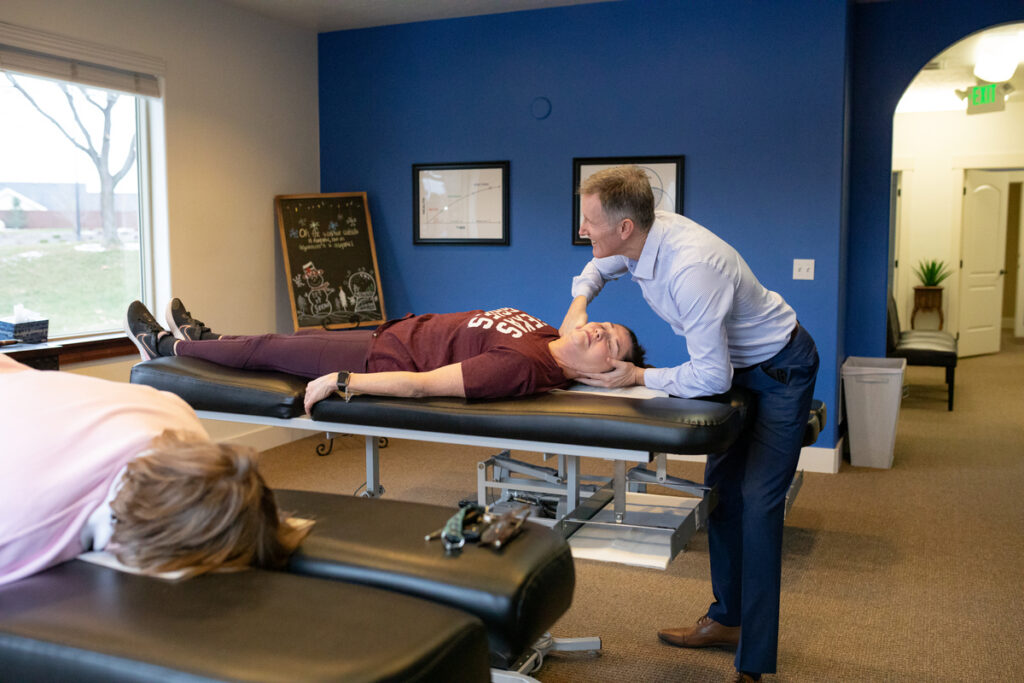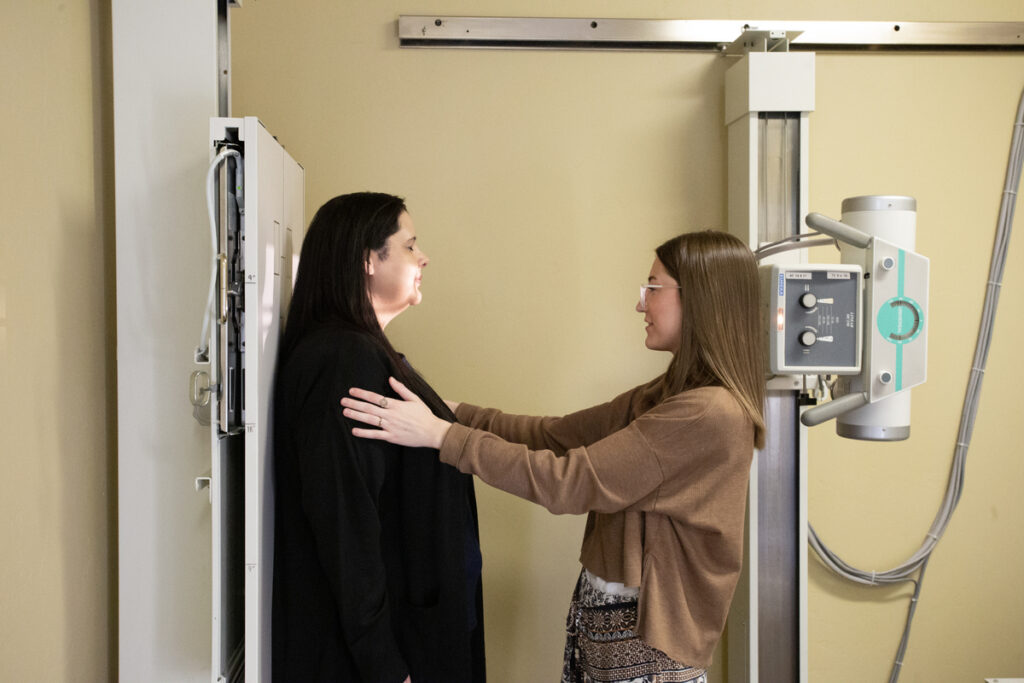

As a local chiropractor, I understand that many of you may feel overwhelmed by the multitude of treatment options available for chronic pain. You might be wondering about the benefits of chiropractic care and how it can play a role in your healing journey. Chiropractic adjustments, combined with alternative therapies like acupuncture and mind-body techniques such as mindfulness meditation, can create a powerful impact on your overall well-being.
In my practice, I've seen firsthand how effective relief often comes from a holistic approach. This includes lifestyle modifications, nutritional changes, and a strong support system to help you navigate the challenges of chronic pain. It's essential to view your healing journey as a collaboration between various treatment modalities.
You might be surprised to learn that sometimes the key to managing your pain lies in unexpected solutions, such as regular chiropractic adjustments that promote spinal health and enhance your body's natural healing capabilities. Let's explore these innovative strategies together to help you gain a new perspective on pain relief and empower you to take control of your health.
Understanding Chronic Pain
As a local chiropractor, I want to help you understand the challenges of chronic pain and how chiropractic care can play a vital role in your healing journey. Chronic pain can feel like an unwelcome intruder in your life, interrupting your daily routines and affecting not just your physical health, but also your emotional well-being and relationships.
It's important to recognize that chronic pain isn't just a sensation; it's a complex issue that involves physical, psychological, and social dimensions. By understanding this complexity, we can work together toward effective management and relief.
Chronic pain can arise from a variety of causes, such as past injuries, underlying medical conditions, or even stress. Unlike acute pain, which signals immediate danger and typically resolves after healing, chronic pain can linger long after an injury has healed.
It may present itself in different ways—sharp, dull, or throbbing—and its intensity can fluctuate. You may notice that certain movements or activities aggravate your pain, while others may provide temporary comfort.
The psychological impact of chronic pain is significant and often overlooked. Many individuals experience feelings of frustration, anxiety, or depression in conjunction with their physical symptoms.
It's crucial to acknowledge this emotional aspect, as it can greatly influence your perception of pain and your ability to cope with it. You may also find that your pain can appear unexpectedly, which can leave you feeling vulnerable and uncertain.
As your chiropractor, I'm here to guide you through understanding the root causes of your pain and exploring natural healing methods. With a holistic approach that includes spinal adjustments, lifestyle advice, and exercises tailored specifically to your needs, we can work together to manage your chronic pain effectively and improve your overall quality of life.
Alternative Therapies
As a local chiropractor, I want to take a moment to introduce you to the world of alternative therapies for managing chronic pain. Many of my patients have found great success by incorporating these natural methods into their treatment plans, and I believe you could benefit from exploring these options as well.
Chiropractic care, for instance, is one of the key therapies we offer. It centers on spinal alignment, which plays a crucial role in your overall health. By addressing musculoskeletal issues, we can help alleviate pain and improve your body's function. Many individuals report significant relief after just a few sessions, allowing them to engage in activities they love once again.
In addition to chiropractic adjustments, there are a variety of other alternative therapies worth considering. Acupuncture, for example, involves the insertion of thin needles into specific points on the body. This ancient practice can promote healing and reduce pain, and many patients find it to be a powerful complement to their chiropractic care.
Herbal remedies also hold a place in the realm of natural healing. Supplements like turmeric and ginger are known for their anti-inflammatory properties and may be worth discussing with your healthcare provider before adding them to your routine.
Massage therapy is another beneficial option that we often recommend. It helps to relax tight muscles and improve circulation, which can further enhance your healing process. Regular massage sessions have been known to not only ease pain but also contribute to overall well-being.
Don't forget about physical therapy as well! We often incorporate alternative approaches like guided stretching and strengthening exercises tailored to your specific needs. Combining these therapies with traditional treatments can create a more holistic approach to managing chronic pain.
Incorporating alternative therapies into your pain management plan can empower you to take control of your health and improve your quality of life. I encourage you to discuss these options with me or your healthcare provider to ensure a safe and effective treatment plan that works for you.
Together, we can find the best approach to help you feel your best!
Mind-Body Techniques
As your local chiropractor, I want to share with you the important role your mind plays in experiencing and managing chronic pain. Integrating mind-body techniques into your healing journey can significantly enhance your recovery. These techniques highlight the connection between your thoughts, emotions, and physical sensations, empowering you to take control of your pain.
One effective approach I recommend is mindfulness meditation. Practicing mindfulness allows you to observe your thoughts and feelings without judgment, creating a space between your pain and your reactions. This awareness can help reduce stress and anxiety, which often worsen chronic pain. I encourage you to set aside just a few minutes each day to focus on your breath, letting go of distractions and tuning into your body's sensations.
Another valuable method is guided imagery. This technique involves visualizing a peaceful scene or a place where you feel safe and relaxed. This mental escape can provide a break from your pain and foster a sense of calm. You can find guided imagery recordings online or even create a personalized script that resonates with you.
Additionally, I often suggest progressive muscle relaxation. This technique involves tensing and then relaxing each muscle group in your body, promoting physical relaxation and alleviating tension that can contribute to pain.
Incorporating these mind-body techniques into your routine can empower you in your pain management journey. By nurturing your mental well-being, you're likely to experience a more holistic approach to healing and an improved quality of life.
Lifestyle Modifications
As a local chiropractor, I want to share with you some valuable lifestyle modifications that can greatly assist in managing chronic pain. Many people are unaware of how interconnected our daily habits are with our overall well-being.
By focusing on diet and nutrition, establishing a consistent exercise routine, and incorporating effective stress management techniques, you can significantly enhance your journey toward pain relief.
Let's delve into how these changes can benefit you. A balanced diet rich in anti-inflammatory foods can reduce pain and improve your body's healing processes.
Regular exercise not only strengthens your muscles and joints but also releases endorphins, which are natural pain relievers. Additionally, managing stress through techniques like meditation or deep-breathing exercises can help alleviate tension in your body, further contributing to pain reduction.
By understanding and applying these lifestyle modifications, you're taking proactive steps towards a healthier, pain-free life.
Diet and Nutrition
As a local chiropractor, I want to share how diet and nutrition can significantly influence your journey toward managing chronic pain. Many of my patients are surprised to learn that the foods we consume can either contribute to or alleviate discomfort. By making mindful dietary choices, you can positively impact your pain levels and overall well-being.
Here are some dietary adjustments I recommend:
- Fruits and Vegetables: Aim to include a colorful variety in your meals, particularly berries and leafy greens. These foods are loaded with antioxidants and essential vitamins that support your body's healing processes.
- Healthy Fats: Incorporate sources of healthy fats, such as avocados, olive oil, and fatty fish. These foods are known to help lower inflammation, which is often a key player in chronic pain.
- Whole Grains: Instead of refined grains, try switching to whole grains like quinoa and brown rice. These options provide more fiber and essential nutrients, aiding in better digestion and overall health.
It's also important to be mindful of foods that may trigger pain. Processed foods, sugary snacks, and excessive alcohol can increase inflammation in the body, potentially worsening your discomfort.
Additionally, staying well-hydrated is crucial, as proper hydration supports your overall health and can enhance your body's ability to heal.
By focusing on a balanced diet rich in anti-inflammatory foods, you can take proactive steps toward managing your chronic pain more effectively. These dietary changes not only have the potential to help you feel better but can also greatly improve your quality of life.
As your chiropractor, I'm here to support you on this journey toward natural healing and wellness.
Regular Exercise Routine
As a local chiropractor, I want to emphasize that making dietary changes is just one aspect of managing chronic pain. One of the most effective strategies to enhance your overall well-being is incorporating a regular exercise routine. I understand that it may feel daunting at first, but taking small, manageable steps can lead to significant, long-lasting improvements in your health.
I recommend aiming for at least 150 minutes of moderate aerobic activity each week. Simple activities like brisk walking or cycling can't only help reduce pain and inflammation but also elevate your mood.
In addition to aerobic exercises, strength training plays a vital role in your recovery. Building muscle supports your joints and can significantly alleviate pain. It's important to focus on major muscle groups and include strength training exercises at least twice a week.
The key to success here is consistency. Find physical activities that you enjoy—whether it's dancing, swimming, or practicing yoga—to make it easier to stick to your routine.
Always listen to your body. If you experience discomfort during any exercise, it's crucial to modify the movements or seek advice from a healthcare professional, such as myself. Gradually increasing your activity level can help build strength without worsening your pain.
Ultimately, a well-rounded exercise routine not only enhances your physical health but also strengthens your mental resilience against chronic pain. As your chiropractor, I'm here to support and guide you on this journey toward better health and improved quality of life.
Stress Management Techniques
As a local chiropractor, I understand that chronic pain can often lead to increased stress levels, which is why it's crucial to incorporate effective stress management techniques into your routine.
When you're experiencing pain, stress can intensify your discomfort, creating a challenging cycle. By integrating stress management practices into your daily life, you can't only find relief but also enhance your overall well-being.
Here are a few techniques that I recommend:
- Mindfulness Meditation: Taking just a few minutes each day to focus on your breath and stay present can significantly reduce anxiety and improve your ability to cope with pain. This practice helps you become more aware of your body and can lead to greater pain tolerance.
- Deep Breathing Exercises: Utilizing simple deep-breathing techniques can help calm your nervous system and alleviate stress. Try inhaling deeply for a count of four, holding that breath for four, and then exhaling for four. This method helps activate your body's relaxation response.
- Progressive Muscle Relaxation: This technique involves tensing and then relaxing each muscle group in your body. It's a great way to identify areas of tension and release them, particularly those related to your pain.
By becoming more aware of your body, you can better manage stress and discomfort. Incorporating these practices into your life can complement the chiropractic care you receive and lead to a more balanced, pain-free life.
Let's work together to find the best strategies for your unique situation!
Nutritional Approaches
As your local chiropractor, I want to share with you how important nutrition can be in managing chronic pain. The foods you choose to eat can have a profound impact on your body's inflammatory response and overall pain levels. By incorporating anti-inflammatory foods into your daily diet, you may find relief from discomfort.
Start by including foods that are high in omega-3 fatty acids, such as fatty fish, flaxseeds, and walnuts. These foods are known for their ability to help reduce inflammation, potentially leading to decreased pain.
Don't forget about the power of fruits and vegetables! They're packed with antioxidants that can help combat oxidative stress, a factor that may worsen your pain. Try to fill your plate with a variety of colors, focusing on berries, leafy greens, and cruciferous vegetables like broccoli and kale.
Additionally, spices such as turmeric and ginger are fantastic natural anti-inflammatories, so consider incorporating them into your meals whenever possible.
It's equally important to be mindful of what you limit in your diet. Processed foods, sugars, and trans fats can actually increase inflammation. Pay attention to how different foods make you feel—some people discover that dairy or gluten can aggravate their discomfort. An elimination diet might be a helpful way to identify any specific food triggers for you.
Hydration is another vital component of your nutrition plan. Drinking plenty of water helps keep your body functioning optimally and can assist in pain reduction.
Lastly, embracing a balanced diet full of whole foods can improve your overall health and bolster your body's natural ability to relieve pain.
Technological Innovations
As a local chiropractor, I want to share how technological innovations are transforming the way we manage chronic pain. Many of my patients are surprised to learn about the advancements in pain management that go hand-in-hand with natural healing practices.
For instance, wearable pain management devices can help track your pain levels and provide relief right when you need it.
Additionally, virtual reality therapy is emerging as a fascinating tool that immerses you in a calming environment, helping to distract from discomfort and improve your overall well-being.
These innovations aren't just things of the future; they're practical solutions that can complement the chiropractic care I provide. Together, we can explore these options to enhance your treatment and improve your quality of life.
Wearable Pain Management Devices
As a local chiropractor, I want to introduce you to the benefits of wearable pain management devices, which have become increasingly popular for those looking to alleviate persistent discomfort naturally.
These innovative tools provide a non-invasive approach to pain management, allowing you to continue with your daily activities while effectively addressing your symptoms.
Here are some key features of these devices that you may find particularly helpful:
- Transcutaneous Electrical Nerve Stimulation (TENS): This technology utilizes mild electrical impulses to help relieve pain. It's adjustable, so you can tailor the intensity to your comfort level, making it a great option for individualized care.
- Heat Therapy: Many of these devices include a heat function, which can soothe sore muscles and enhance blood circulation, promoting relaxation and aiding in the healing process.
- Biofeedback Monitoring: Some wearables are equipped to track your body's responses, providing insight into your pain triggers. This information can be valuable in helping you understand how your body reacts to different activities and adjustments.
With a range of options available, you can select a device that best meets your unique needs.
By embracing wearable pain management technology, you can take an active role in controlling your pain, ultimately improving your quality of life.
As your chiropractor, I'm here to support you on your journey to natural healing and overall wellness.
Virtual Reality Therapy Solutions
As a local chiropractor, I want to introduce you to an exciting development in pain management: virtual reality (VR) therapy solutions. This innovative approach can be a valuable complement to traditional chiropractic care, especially for those dealing with chronic pain. By immersing yourself in a carefully crafted virtual environment, you can effectively distract your mind from the pain signals your body is sending.
With VR therapy, you can embark on virtual adventures, engage in calming activities, or participate in mindfulness exercises. These immersive experiences not only provide a sense of escapism but also help shift your focus away from discomfort. Research has shown that patients who incorporate VR into their pain management strategies often report lower levels of pain and an uplifted mood.
One of the great things about VR therapy is its ability to be tailored to your individual preferences and needs. You may find certain virtual environments or activities resonate more with you, enhancing the effectiveness of your experience.
Additionally, many VR programs can be accessed from the comfort of your own home, making it easy to find relief whenever you need it.
As technology continues to evolve, integrating virtual reality into your overall pain management plan could be transformative. It empowers you to take an active role in your healing journey, complementing the benefits of chiropractic care.
If you're curious about how VR therapy can work alongside your treatment, I encourage you to explore this exciting option. Let's work together to find the best strategies for your well-being!
Support Systems
As a local chiropractor, I want to emphasize the importance of support systems in managing chronic pain, particularly when it comes to exploring natural healing methods. Living with persistent discomfort can be overwhelming, but having a network of supportive individuals can significantly improve your daily experience. This network can include family, friends, healthcare professionals, and even dedicated support groups where you can share your journey with others facing similar challenges.
You don't have to go through this pain journey on your own. Engaging with people who understand your situation can provide not only comfort but also validation. It's crucial to have someone who can assist with everyday tasks during times when your pain levels may be at their peak.
Here are some key elements of a robust support system that I often discuss with my patients:
- Emotional Support: Your loved ones can lend a listening ear, helping you articulate feelings that may otherwise remain unexpressed. This emotional connection is vital for your mental well-being.
- Practical Help: Assistance with errands, meal preparation, or household chores can greatly reduce stress when you're managing pain. Having a helping hand allows you to focus more on recovery and healing.
- Professional Guidance: As a chiropractor, I provide tailored advice on pain management strategies. I can guide you through chiropractic adjustments, exercises, and lifestyle changes that empower you to take control of your condition naturally.
Building a strong support system is key to enhancing your coping strategies and improving your overall quality of life.
Conclusion
As your local chiropractor, I want to share how a holistic approach to chronic pain relief can significantly improve your quality of life. Many patients are not aware of the benefits of chiropractic care and natural healing methods. By exploring alternative therapies like spinal adjustments, practicing mind-body techniques such as meditation and relaxation exercises, and making key lifestyle changes, you can take control of your pain management in a more effective way.
Nutrition also plays a vital role in your healing journey, so let's discuss how a balanced diet can support your overall health. Additionally, having a strong support system—whether it's friends, family, or health professionals—can make a big difference in your recovery process.
I encourage you to embrace these strategies, and together, we can find a personalized path to relief that meets your specific needs. Remember, you don't have to navigate this journey alone—help is here, and positive change is absolutely within reach!