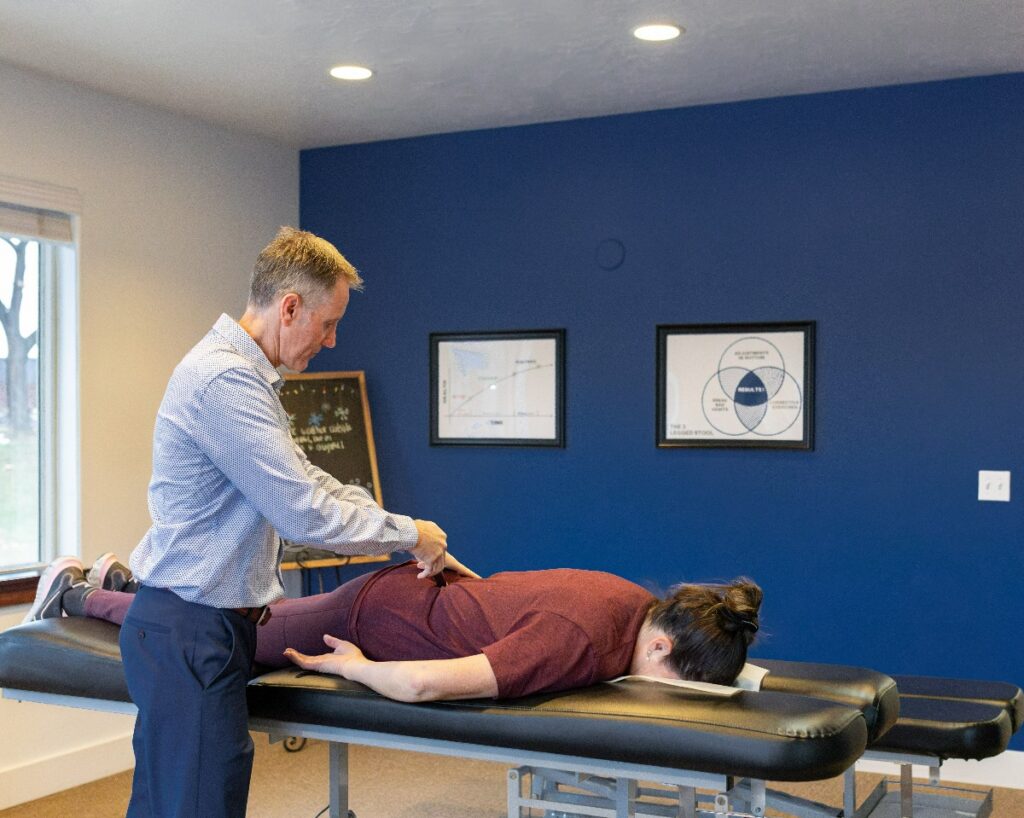

Chronic back pain can feel like a heavy burden, but as your local chiropractor, I want to assure you that you don't have to live with it. Many people are unaware that understanding the triggers of your pain and engaging in effective exercise routines can significantly improve your mobility and overall comfort. Chiropractic care is not just about addressing physical symptoms; it also emphasizes the importance of emotional well-being in your healing process.
As we explore a holistic approach to pain management together, you may be curious about the specific strategies we can implement to help you. Techniques such as spinal adjustments, targeted exercises, and lifestyle modifications can all play a crucial role in your recovery journey. By incorporating these methods, you can experience transformative changes in how you manage your pain and move toward lasting relief. Let's work together to unlock the potential for a healthier, pain-free life!
Understanding Chronic Back Pain
Chronic back pain can often feel like a heavy burden, impacting your daily routines and limiting the activities you enjoy. As a chiropractor, I want to help you understand the nature of this pain and how we can work together toward effective relief. Chronic back pain typically manifests as a persistent dull ache or sharp discomfort that lasts longer than three months. Each person's experience with this pain is unique, and it can significantly affect your posture, movement, and even your emotional well-being.
It's important to recognize that chronic back pain isn't just a symptom of an injury; it can arise from ongoing issues such as muscle tension, nerve compression, or inflammation. You might notice that certain positions or movements worsen your discomfort, which is why identifying these triggers is crucial.
When your body reacts to pain by altering your movements, it can lead to additional strain on other muscles and joints. This creates a cycle where experiencing pain causes reduced activity, which then exacerbates the pain.
The emotional impact of chronic back pain shouldn't be overlooked. Many individuals experience feelings of frustration, anxiety, or depression as they try to maintain their everyday lives. It's essential to know that you're not alone in this struggle—many people share similar experiences. Open communication with your healthcare provider about your pain levels and their effects on your life is vital.
As your chiropractor, I strive to help you understand the complexities of your chronic back pain so that we can tailor a treatment plan that suits your specific needs. Together, we can explore natural healing techniques and lifestyle adjustments that promote healing and improve your overall well-being.
Common Causes and Triggers
As a local chiropractor, I want to share some insights about the common causes and triggers of back pain that can help you find relief naturally. One of the most prevalent issues I see in my practice is poor posture. If you find yourself sitting for long periods at a desk or slouching on the couch, your spine is likely taking a toll.
It's essential to remain conscious of your posture throughout the day, as this can significantly impact the health of your back.
Another common culprit of back pain is muscle strain. Many individuals injure themselves by lifting heavy objects improperly or making sudden, awkward movements.
Being mindful of how you lift and using proper techniques can prevent discomfort down the line and promote a healthier back.
Stress is another factor that often contributes to back pain. When under stress, our muscles tend to tighten, which can lead to pain and discomfort.
By identifying and managing stress in your life, you may notice a considerable improvement in how your back feels.
Lifestyle choices also play a crucial role in back health. For instance, a sedentary lifestyle and being overweight can increase the strain on your spine.
Carrying excess weight places additional pressure on your back, while a lack of exercise can weaken the supporting muscles.
Incorporating physical activity into your routine can strengthen these muscles and alleviate pain.
Lastly, it's important to consider that underlying conditions, such as herniated discs or arthritis, may be contributing to your chronic back pain.
If you've tried various remedies without finding relief, I encourage you to consult with a healthcare professional.
A thorough assessment can provide a proper diagnosis and guide you toward effective treatment options, including chiropractic care, which focuses on natural healing and restoring balance to your body.
Effective Exercise Regimens
As a local chiropractor dedicated to helping our community understand the benefits of natural healing, I want to emphasize the importance of managing chronic back pain through targeted exercise.
One of the most effective ways to alleviate discomfort and improve your overall back health is by strengthening your core muscles. A strong core provides stability and support to your spine, which can help reduce pain.
Additionally, incorporating flexibility and stretching techniques into your exercise routine can greatly enhance your mobility and alleviate tension in your back. These practices not only promote better posture but also improve circulation and reduce the risk of injury.
By focusing on these exercises, you can empower yourself to take control of your back health.
Let's work together to explore a holistic approach to wellness that incorporates these essential techniques for a stronger, pain-free back.
Strengthening Core Muscles
As a local chiropractor, I often see patients struggling with back pain, and I want to emphasize the importance of strengthening your core muscles in alleviating that discomfort and improving your overall stability. A strong core acts as a natural support system for your spine, reducing strain on your back muscles and promoting better posture.
To effectively strengthen your core, it's essential to incorporate a variety of exercises that target different muscle groups. Let's start with planks. I recommend holding a plank position for 20-30 seconds, and as you become stronger, gradually increase the duration. Adding side planks to your routine will engage your obliques, which are crucial for maintaining stability throughout your body.
Another great exercise is the bridge. Simply lie on your back with your knees bent, lift your hips off the ground, and hold that position for a few seconds before lowering down. This movement not only strengthens your core but also helps activate your glutes.
You might also want to try dead bugs. While lying on your back with your arms pointing toward the ceiling and your knees bent at a 90-degree angle, slowly lower one arm and the opposite leg, then return to the starting position. This exercise is fantastic for improving coordination and boosting your core strength.
Don't overlook the bird-dog exercise either! This movement enhances your balance and stability.
Remember, consistency is crucial; aim to perform these exercises three times a week to see the best results.
Flexibility and Stretching Techniques
As a local chiropractor, I want to emphasize the significant benefits of incorporating flexibility and stretching techniques into your daily routine. These practices can greatly improve your overall mobility and play a vital role in alleviating chronic back pain. By regularly stretching, you not only enhance your range of motion but also reduce muscle tension, which is often a contributing factor to discomfort.
I recommend starting with gentle stretches that focus on your lower back, hamstrings, and hip flexors. One effective stretch is the cat-cow stretch, which helps loosen your spine. To perform this stretch, get on all fours, arch your back upwards, and then dip it down while lifting your head. Hold each position for a few breaths to maximize the benefits.
Another fantastic stretch is the child's pose; sit back on your heels and stretch your arms forward on the ground. This position can work wonders for your back.
Consistency is key to reaping the full benefits of stretching. I encourage you to aim for at least three stretching sessions each week. Always listen to your body; if you encounter pain while stretching, it's important to ease off and adjust the intensity.
Additionally, incorporating practices like yoga or Pilates into your routine can further enhance your flexibility while fostering greater body awareness. Remember, these natural healing techniques can complement your chiropractic care and support your journey toward a healthier, pain-free life.
Importance of Posture
As a local chiropractor, I want to emphasize the vital role that good posture plays in managing and alleviating chronic back pain. When you maintain proper alignment while sitting, standing, or walking, you help distribute your body weight evenly. This action reduces strain on your spine and the surrounding muscles, which is crucial to preventing muscle fatigue and discomfort that can exacerbate your pain over time.
To enhance your posture, I encourage you to be mindful of how you carry yourself throughout the day. While sitting, ensure your feet are flat on the ground, your back is straight, and your shoulders are relaxed. If you spend long hours at a desk, consider adjusting your chair and computer monitor to achieve a comfortable height. A lumbar support cushion can also be beneficial, promoting proper spinal alignment.
When you're standing, make sure to distribute your weight evenly on both feet. Keep your shoulders back and your head in line with your spine. If you catch yourself slouching, it's essential to consciously correct your posture by engaging your core muscles. This simple adjustment can lead to a noticeable improvement in how you feel.
Incorporating regular posture checks into your daily routine can help you cultivate better habits. Set reminders to evaluate your stance throughout the day, or think about investing in ergonomic furniture to encourage healthier alignment.
Nutritional Support for Healing
As your local chiropractor, I want to emphasize the crucial role nutrition plays in your healing journey from chronic back pain. Many people may not realize that what you eat can significantly impact your recovery and overall muscle health.
By incorporating anti-inflammatory foods and essential nutrients into your diet, along with maintaining proper hydration, you can enhance your healing process.
Let's delve into how these elements work together to support your well-being. By choosing foods that reduce inflammation, you can help alleviate pain and promote healing in your back.
Additionally, ensuring that you get the right nutrients can strengthen your muscles, providing better support for your spine. Staying hydrated is equally important, as it helps maintain spinal disc health and overall bodily functions.
Together, these nutritional strategies can complement the chiropractic care you receive and pave the way for a more effective recovery.
Anti-Inflammatory Foods
As a local chiropractor, I want to share how a diet rich in anti-inflammatory foods can significantly enhance your journey towards relieving chronic back pain. By incorporating these foods into your daily meals, you can help reduce inflammation in your body, which is often a key contributor to the pain you're experiencing.
Start by adding fatty fish to your diet, such as salmon and mackerel. These fish are loaded with omega-3 fatty acids known for their powerful anti-inflammatory effects.
Don't underestimate the importance of fruits and vegetables; they should be staples in your diet. Berries, leafy greens, and cruciferous vegetables like broccoli are fantastic options. They're packed with antioxidants that help protect your cells from damage and promote healing.
Nuts and seeds, particularly walnuts and flaxseeds, are also beneficial. They provide healthy fats that can support your overall health and reduce inflammation.
In addition, consider incorporating spices like turmeric and ginger into your cooking. These spices contain compounds with strong anti-inflammatory properties and can be excellent additions to your meals.
Hydration is equally crucial, so be sure to drink plenty of water and herbal teas.
Making these dietary changes can greatly contribute to your overall well-being and complement the chiropractic care you're receiving, helping you manage your chronic back pain more effectively.
Essential Nutrients for Recovery
As your local chiropractor, I want to emphasize the importance of fundamental nutrients in your recovery from chronic back pain. Healing your body and regaining strength involves not just chiropractic adjustments but also a well-balanced diet rich in essential vitamins and minerals.
Vitamin D is vital for maintaining healthy bones. To boost your intake, consider incorporating foods such as fatty fish, fortified dairy products, or egg yolks into your meals.
Additionally, magnesium is key for proper muscle function and can help alleviate tension in your body. You can find magnesium in leafy greens, nuts, and seeds.
Another important component in your recovery is omega-3 fatty acids, which are found in fish like salmon and walnuts. These healthy fats help reduce inflammation, an important factor in managing pain.
Don't overlook the role of protein in your diet, as it's crucial for tissue repair. Lean meats, legumes, and dairy products provide the building blocks necessary for muscle and tissue recovery.
Furthermore, antioxidants found in a variety of fruits and vegetables help combat oxidative stress and reduce inflammation, promoting overall healing.
Lastly, B vitamins are essential for supporting nerve health and energy production. Whole grains, meats, and eggs are excellent sources of these vital nutrients.
By focusing on incorporating these fundamental nutrients into your diet, you can significantly support your body's healing process and work effectively towards alleviating your chronic back pain.
Hydration and Muscle Health
As a local chiropractor, I want to emphasize the importance of staying well-hydrated for your muscle health and recovery from chronic back pain. Water is crucial for maintaining the elasticity and flexibility of your muscles. When you're not getting enough fluids, your muscles can become stiff and more susceptible to cramps, which can worsen your back pain.
I encourage you to make it a habit to drink water throughout the day, especially if you lead an active lifestyle or live in a warmer climate. A good rule of thumb is to aim for at least eight 8-ounce glasses daily, but it's important to listen to your body. If you notice you're feeling thirsty or your urine appears dark, these are clear indicators that you need to increase your fluid intake.
In addition to water, electrolytes like sodium, potassium, and magnesium play a significant role in supporting muscle function. These minerals help your muscles contract and relax properly, which can help reduce the risk of spasms. You can replenish electrolytes through various sources such as sports drinks, coconut water, or even nutritious foods like bananas and avocados.
Don't forget that incorporating hydrating foods into your diet—like cucumbers, watermelon, and oranges—can also boost your fluid intake.
Exploring Alternative Therapies
As a local chiropractor, I often see patients who are struggling with chronic back pain and are looking for relief beyond traditional medical treatments. I want to share some insights about alternative therapies that can significantly improve your physical and emotional well-being.
One of the primary methods we use in chiropractic care is spinal alignment. By focusing on the mechanics of your body, we can help relieve tension and improve mobility. Many of my patients experience a noticeable decrease in back pain after just a few adjustments.
It's fascinating to see how aligning the spine can lead to an overall improvement in health and comfort.
In addition to chiropractic adjustments, I encourage patients to consider massage therapy. This therapy can effectively relax tight muscles, enhance blood flow, and promote healing in areas affected by pain.
Integrating massage with chiropractic care often yields even better results.
Another important aspect of managing back pain is physical therapy. Tailored exercises and stretches designed specifically for your needs can strengthen your back muscles and improve flexibility.
This proactive approach allows you to take control of your pain management.
For those interested in natural healing, herbal remedies like turmeric and ginger can be beneficial as natural anti-inflammatory supplements. These options can complement the chiropractic care you receive and support your overall healing journey.
Additionally, practices like yoga and tai chi can be excellent additions to your routine. They promote gentle movements that help build strength, balance, and relaxation, all of which can alleviate pain and empower you in your recovery process.
It's important to remember that you don't have to navigate your pain alone. As a chiropractor, I'm here to guide you through these alternative therapies and help you find the best path to healing.
Together, we can work towards a pain-free life.
Mindfulness and Mental Health
As a local chiropractor, I want to share how alternative therapies can significantly improve your journey in managing chronic back pain.
It's essential to recognize that addressing the mental aspects of your health is just as important as the physical. Chronic pain often affects your emotions and mindset, leading to increased stress, anxiety, and even depression.
By incorporating mindfulness practices into your daily routine, you can enhance your mental health and foster a healthier relationship with your pain.
Here are four mindfulness techniques that I recommend to support you on this path:
- Meditation: Dedicate a few minutes each day to sit quietly and focus on your breath. This practice helps cultivate awareness and can significantly reduce stress levels.
- Body Scanning: Find a comfortable position, lie down, and mentally scan your body from head to toe. Pay attention to any areas of tension or discomfort without judgment. This technique can help you connect more deeply with your body and identify areas that may need attention.
- Gratitude Journaling: Take a moment each day to jot down three things you're grateful for. This simple exercise shifts your focus away from pain and encourages a more positive mindset, which can enhance your overall well-being.
- Mindful Movement: Participate in gentle activities such as yoga or tai chi, being conscious of each movement and how it makes your body feel. Not only does this support physical flexibility, but it also promotes mental clarity and relaxation.
Incorporating these mindfulness techniques alongside chiropractic care can create a holistic approach to managing your chronic back pain, leading to improved mental and emotional health.
Creating a Personalized Plan
Creating a personalized plan for managing your chronic back pain is essential for effective treatment and long-term relief, and as your local chiropractor, I'm here to guide you through this process.
First, it's important to identify your specific pain triggers and limitations. I recommend keeping a pain diary to track when your pain worsens, what activities seem to aggravate it, and any relief strategies that have worked for you. This information will be crucial in developing a plan tailored to your needs.
Next, I'll work with you to incorporate chiropractic care into your treatment. Chiropractic adjustments can help realign your spine, reduce pain, and improve mobility. Additionally, I can recommend specific exercises designed to strengthen your core, enhance flexibility, and promote better posture. Integrating these exercises into your daily routine can significantly alleviate pain over time.
It's also beneficial to consider complementary therapies as part of your pain management plan. Techniques such as acupuncture, massage therapy, and yoga can enhance your overall well-being and provide additional relief from pain. I encourage you to explore different therapies to discover what best aligns with your preferences and needs.
Nutrition plays a crucial role as well. A balanced diet rich in anti-inflammatory foods can help reduce overall pain levels, so it's something we should discuss. Staying hydrated is just as important, as it supports your body's healing processes.
Finally, I suggest setting realistic goals and regularly assessing your progress. Your plan should be adaptable, changing with your evolving needs. Celebrate even the small victories along the way, and remember that support is available from friends, family, or local support groups.
With commitment and a comprehensive approach that includes chiropractic care, you'll be well-equipped to manage your chronic back pain and reclaim your quality of life.
Conclusion
As a local chiropractor, I want to share some insights on how to effectively address chronic back pain through a holistic approach. It's essential to recognize the importance of understanding your individual pain triggers. By engaging in personalized exercises tailored for your needs, you can significantly improve your mobility and overall well-being.
Proper nutrition plays a crucial role in your recovery, as it fuels your body and supports healing. Additionally, maintaining good posture is vital; it can help alleviate strain on your back and prevent further issues. I also encourage exploring alternative therapies, such as chiropractic adjustments, which can realign your spine and relieve tension.
Mindfulness practices are equally important, as they can enhance your mental health and resilience when dealing with pain. Remember, consistency is key—staying committed to these strategies will yield the best results. And don't forget the value of community support; reaching out to others who share similar experiences can provide encouragement and motivation.
By embracing these strategies, you're not just addressing your pain, but also paving the way for lasting wellness. Together, we can work towards a healthier, more active life free from chronic back pain.