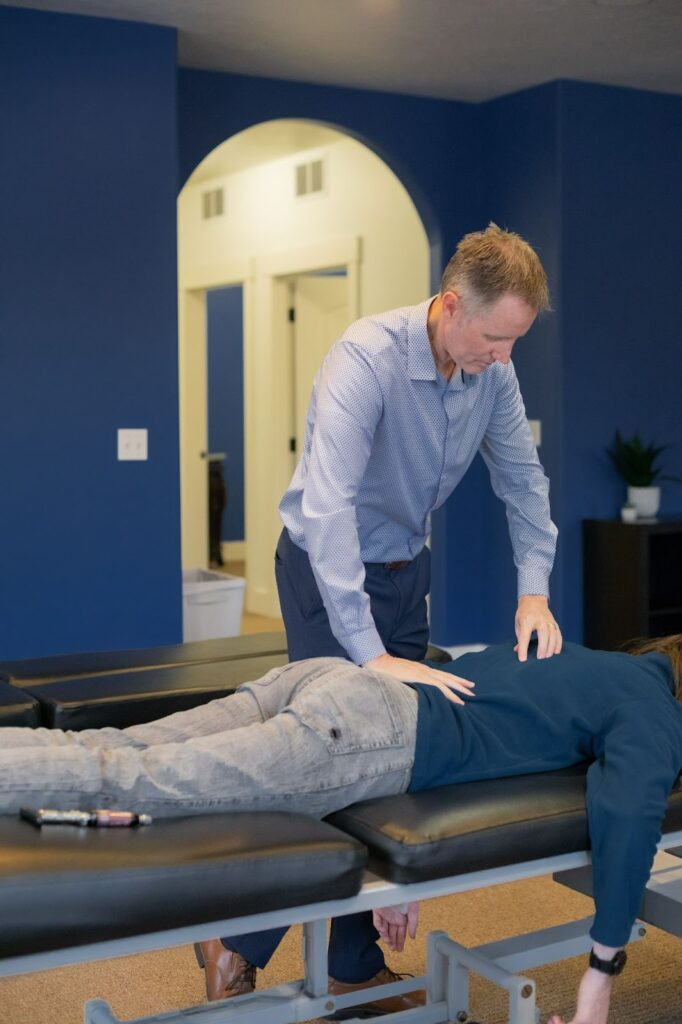

If you're dealing with upper back discomfort, know that you're not alone, and understanding the underlying causes is the first step toward finding relief. As a local chiropractor, I often see how simple changes in your daily habits—like improving your posture or adjusting how you sit at your desk—can lead to significant improvements in your comfort.
In addition to these lifestyle adjustments, incorporating specific exercises tailored to strengthen your back and promote flexibility can greatly enhance your recovery. I also encourage exploring professional therapies like chiropractic adjustments, which can realign your spine and alleviate tension.
So, what specific strategies can you adopt to boost your comfort and functionality? You might be surprised by the effectiveness of a holistic approach that combines these elements. Together, we can work towards a path of natural healing and improved well-being.
Common Causes of Upper Back Discomfort
As a local chiropractor, I often see patients who are surprised by how frequently upper back discomfort can interrupt their daily lives. You might experience a sudden twinge while reaching for an item on a high shelf, or perhaps you notice a nagging ache after spending hours at your desk. Understanding the common causes of this discomfort is crucial in helping you find effective relief and improve your quality of life.
One of the primary contributors to upper back pain is muscle strain. This can happen if you've recently lifted something heavy or pushed yourself too hard during a workout. Additionally, poor ergonomic setups at work—like slouching or hunching over your computer—can place undue stress on your upper back muscles, leading to discomfort.
Stress is another significant factor. When you're feeling anxious or overwhelmed, it's common to unconsciously tense your back muscles, which can result in pain over time. Recognizing the connection between your emotional state and physical well-being is an important step in managing discomfort.
Injuries also play a role in upper back pain. Whether it's a fall, a sports-related incident, or even whiplash from a car accident, these injuries can have lingering effects that manifest as pain in your upper back.
Lastly, underlying medical conditions such as herniated discs or arthritis may contribute to persistent discomfort. If you suspect that this may be affecting you, I encourage you to consult with a healthcare professional for a thorough evaluation.
By identifying the root causes of your upper back discomfort, you can take proactive steps toward alleviating the pain. Chiropractic care, along with lifestyle adjustments, can significantly enhance your overall well-being and help you return to the activities you love.
Importance of Proper Posture
As a local chiropractor dedicated to your health and well-being, I want to emphasize the importance of maintaining proper posture. It plays a crucial role in preventing upper back discomfort and enhancing your overall quality of life. Many people may not be aware of common posture mistakes they make daily, but with a few simple adjustments, you can significantly improve your posture and, in turn, your health.
Let's take a closer look at some effective tips that can help you stand and sit with confidence. By integrating these practices into your daily routine, you can experience the numerous benefits of good posture, such as reduced pain and increased energy levels.
Benefits of Good Posture
As a local chiropractor, I want to emphasize the importance of maintaining good posture—not just for how you look, but for your overall health and well-being.
When you adopt proper posture while standing and sitting, you unlock a variety of benefits that support both your physical and mental health. Here are four key advantages of good posture that I often share with my patients:
- Reduced Pain: When your body is properly aligned, it significantly reduces the strain on your muscles and joints. This means less discomfort in areas like your back, neck, and shoulders, which is crucial for maintaining mobility and quality of life.
- Improved Breathing: Good posture allows your chest and lungs to open up fully, facilitating deeper, more effective breaths. This increase in oxygen intake can lead to heightened energy levels and improved focus throughout your day.
- Enhanced Confidence: Standing tall not only improves your physical presence but can also elevate your self-esteem. Good posture influences how you feel about yourself and how others perceive you, fostering a sense of confidence that can impact various aspects of your life.
- Better Digestion: Correct posture plays a vital role in digestive health. By sitting or standing properly, you can minimize pressure on your internal organs, allowing them to function optimally and improving your overall digestive processes.
By incorporating good posture into your daily routine, you can experience these benefits and contribute to a healthier lifestyle.
As your chiropractor, I'm here to guide you on this journey to better health through natural healing practices.
Common Posture Mistakes
As a local chiropractor, I want to share with you some common posture mistakes that many people make, often without realizing it. Good posture is crucial for your overall health, but these mistakes can negate the benefits you could be enjoying.
One of the most prevalent issues I see is slouching. When your shoulders round forward and your back curves excessively, it not only puts strain on your upper back but also limits your lung capacity. This can lead to discomfort and even impact your breathing.
Another mistake is leaning forward when sitting, especially when using devices or computers. This habit can create muscle imbalances, resulting in increased discomfort in your neck and upper back.
It's also important to pay attention to your head position; jutting your chin forward can put extra stress on your spine and lead to pain over time.
Crossing your legs while sitting is another common error that can misalign your pelvis, leading to discomfort. Additionally, the type of footwear you choose can significantly impact your posture. High heels or unsupportive shoes can disrupt your body's natural alignment, causing problems in the long run.
Lastly, many people don't realize that holding your breath while concentrating can lead to tension in your upper back.
Being aware of these posture mistakes is essential for preventing discomfort and maintaining a healthier spine. By improving your posture and understanding how your body works, you can support your upper back better and truly enjoy the benefits of good posture.
If you have any questions or need guidance, feel free to reach out—I'm here to help you on your journey to better health!
Tips for Improvement
As a local chiropractor dedicated to helping you achieve optimal health, I want to emphasize the importance of good posture for your overall well-being, particularly if you're experiencing discomfort in your upper back.
Making a few simple changes to your daily routine can significantly alleviate pain and help prevent future issues. Here are some practical tips to support you in maintaining proper posture:
- Sit Properly: When you sit, aim to keep your feet flat on the floor, your back straight, and your shoulders relaxed. It's crucial to choose a chair that provides adequate support for your lower back, as this can reduce strain.
- Stand Tall: When standing, make sure to distribute your weight evenly across both feet, keep your shoulders back, and engage your core muscles. Visualize a string gently pulling you upward from the crown of your head to encourage an upright posture.
- Take Breaks: If you find yourself sitting for extended periods, it's essential to take short breaks every hour. Stand up, stretch, and walk around to help relieve tension and reset your posture. This simple practice can make a big difference in how you feel.
- Strengthen Core Muscles: Incorporating exercises that target your core, such as planks and bridges, is vital. A strong core provides support for your spine and helps promote better posture, which in turn can reduce discomfort.
By following these tips, you can take proactive steps toward improving your posture and enhancing your overall health.
Effective Stretches and Exercises
As your local chiropractor, I understand that many of you may not be familiar with the benefits of chiropractic care and natural healing.
One common issue many people face is discomfort in the upper back. To address this, I recommend incorporating specific stretching techniques and exercises that target the upper back muscles.
Establishing a daily mobility routine can greatly enhance your flexibility and overall well-being. By engaging in these practices, you can alleviate discomfort and promote a healthier spine.
Let's take a closer look at some effective stretches and exercises that can truly make a difference in how you feel.
Targeted Stretching Techniques
As a local chiropractor, I often see patients who struggle with upper back discomfort. One of the most effective ways to alleviate this tension is by incorporating targeted stretching techniques into your daily routine.
These stretches not only help to loosen tight muscles but also improve flexibility, which can lead to better posture and reduced discomfort. Here are four stretches I recommend for my patients:
- Child's Pose: This is a gentle stretch that you can do at home. Start by kneeling on the floor, sitting back on your heels, and then reach your arms forward on the ground. Hold this position for about 30 seconds. It's great for lengthening your spine and relieving tension.
- Cat-Cow Stretch: This dynamic stretch helps enhance spinal flexibility. Begin on all fours with your hands under your shoulders and knees under your hips. As you inhale, arch your back upwards (this is the cat position), and as you exhale, dip your back downwards (the cow position). Repeat this flow for 30 seconds to help mobilize your spine.
- Thoracic Extension: For this stretch, sit comfortably in a chair. Clasp your hands behind your head and gently lean back, allowing your upper back to open up. Hold for a few breaths; you should feel a nice stretch across your upper back, which is vital for maintaining good posture.
- Doorway Stretch: This stretch is particularly effective for opening up the chest and stretching the upper back. Stand in a doorway, place your arms on the frame, and gently lean forward. Hold this position for 20 to 30 seconds. It's an easy way to alleviate tightness after a long day of sitting.
Incorporating these stretches into your routine can significantly improve your upper back comfort and overall well-being.
If you're experiencing persistent discomfort, I encourage you to consider a chiropractic consultation for personalized care and guidance. Your spinal health is important, and natural healing methods can be very effective in promoting wellness.
Strengthening Upper Back Muscles
As a local chiropractor, I want to emphasize the importance of not only stretching but also strengthening your upper back muscles for long-term relief from discomfort. Many people may not realize that focusing on these muscles can significantly enhance posture and alleviate pain over time.
One effective exercise to incorporate into your routine is the seated row. Using a resistance band, sit with your legs extended in front of you. Pull the band towards you while squeezing your shoulder blades together. This simple movement targets your rhomboids and trapezius, which are crucial for a stable and strong upper back.
Another great exercise is the wall angel. Stand against a wall with your arms raised to a 90-degree angle. Slowly slide your arms up and down the wall while keeping your back flat against the surface. This not only improves shoulder mobility but also strengthens the muscles in your upper back.
Don't overlook the superman exercise, either. Lie face down on the floor, extend your arms and legs, and lift them off the ground at the same time. Hold this position for a few seconds before lowering back down. This exercise strengthens the entire upper back region, contributing to better overall support.
Incorporating these exercises into your routine just a few times a week can provide significant relief from discomfort and help build resilience in your back muscles.
Always listen to your body, and if you're unsure about starting any new exercise program, it's wise to consult with a healthcare professional. Strong back muscles are essential for maintaining a pain-free, active lifestyle!
Daily Mobility Routine
As a local chiropractor, I'm here to guide you on how a daily mobility routine can significantly benefit both your body and mind. Many individuals experience upper back discomfort, and incorporating specific stretches and exercises into your day can help alleviate this pain and enhance your overall flexibility.
Here's a straightforward routine that I recommend:
- Cat-Cow Stretch: Begin on all fours. Alternate between arching your back upwards (like a cat) and gently lowering your belly down (like a cow). This movement warms up your spine and releases built-up tension.
- Thoracic Rotations: You can do this seated, either cross-legged or in a chair. With one hand placed behind your head, rotate your torso towards the opposite side. This exercise improves the mobility of your upper back, which is essential for maintaining good posture.
- Child's Pose: Kneel down and sit back on your heels, stretching your arms forward on the floor. This position gently elongates your back and shoulders, encouraging relaxation and easing tension.
- Wall Angels: Stand with your back against a wall. Start with your arms in a "W" position, then slowly slide them upwards to form a "Y." This not only strengthens your upper back but also helps improve your overall posture.
Incorporating these simple yet effective movements into your daily routine can boost your mobility, diminish discomfort, and keep you feeling energized throughout your day.
Lifestyle Modifications for Relief
As your local chiropractor, I want to share some valuable tips for easing upper back discomfort that you can easily incorporate into your daily routine.
First and foremost, let's talk about posture. It's essential to be conscious of how you position your body throughout the day. When sitting, strive to keep your back straight, shoulders relaxed, and feet flat on the floor. If you're at a desk for work, an ergonomic chair or even a standing desk can help promote better alignment, which is crucial for spinal health.
I recommend taking regular breaks during your day. Aim to stand up, stretch, and move around every hour. This simple practice can significantly relieve tension and prevent stiffness that often arises from prolonged sitting.
Additionally, when lifting objects, always bend at your knees and keep the item close to your body. This technique minimizes strain on your back and helps protect your spine.
Don't overlook the importance of your sleep habits, either. A supportive mattress is vital, and using pillows that align your neck with your spine can make a world of difference. If you're a side sleeper, placing a pillow between your knees can help maintain proper spinal alignment while you rest.
It's also important to assess your daily activities. If you find yourself carrying heavy bags regularly, try to balance the load or opt for a backpack with padded straps to distribute weight more evenly.
Engaging in low-impact exercises, such as walking or swimming, can strengthen the muscles that support your back and promote overall wellness.
Lastly, hydration and nutrition are key players in muscle health. Staying hydrated and maintaining a balanced diet can contribute significantly to your well-being.
Therapies and Treatments Available
As a local chiropractor, I often encounter patients who are seeking effective ways to manage upper back discomfort. After making some lifestyle modifications, you may be wondering what additional options are available to alleviate your pain and enhance your overall well-being. Here are some therapies and treatments that I recommend considering:
1. Chiropractic Care: One of the most effective ways to address upper back pain is through chiropractic adjustments. Our goal is to realign your spine and relieve any pressure on the nerves that may be contributing to your discomfort.
Regular chiropractic visits not only focus on pain relief but also work to improve your posture, which can significantly reduce strain on your upper back over time.
2. Physical Therapy: If you're interested in a personalized approach to strengthening your back, physical therapy can be an excellent option. A skilled physical therapist will develop a tailored exercise program designed to enhance your upper back muscle strength and flexibility, helping to alleviate pain and prevent future issues.
3. Massage Therapy: Therapeutic massage is another complementary approach that can be incredibly beneficial. It helps relieve muscle tension in your upper back and enhances circulation, promoting relaxation and stress reduction.
This form of therapy can be a powerful ally in managing discomfort and improving your overall sense of well-being.
4. Acupuncture: If you're open to exploring holistic methods, acupuncture may be worth considering. This ancient practice involves the insertion of thin needles into specific points on your body, helping to alleviate pain and stimulate your body's natural healing processes by increasing the release of endorphins.
Each of these therapies and treatments can play a pivotal role in relieving upper back discomfort. It's essential to find the right combination that suits your needs.
When to Seek Professional Help
As a local chiropractor, I want to help you understand when it's time to seek professional assistance for upper back discomfort. It's crucial to recognize the signs that indicate you may benefit from chiropractic care for effective management and recovery.
If your upper back pain lingers for more than a few days or seems to worsen over time, I encourage you to reach out for a consultation. Ignoring persistent discomfort can lead to more complicated issues down the road, and addressing it early can make a significant difference.
You should also consider seeking help if you notice your pain radiating into your arms, hands, or legs. This could suggest nerve involvement, which is an area where chiropractic care can be particularly beneficial. Additionally, if you experience numbness, tingling, or weakness in these regions, please don't hesitate to schedule an appointment with me.
Another important factor to be aware of is if your upper back pain is accompanied by other concerning symptoms like fever, unexplained weight loss, or difficulty breathing. These may be signs of a more serious underlying condition that warrants immediate attention.
If your discomfort stems from an injury, especially following a fall or accident, getting evaluated promptly is essential to prevent further complications.
Lastly, if you've tried over-the-counter pain relief methods or home remedies without success, this is a strong indicator that it's time to consult with a chiropractor. We can assess your condition and recommend tailored treatments that align with natural healing principles to help you find relief and restore your well-being.
Your health is important, and I'm here to help you navigate your journey to recovery.
Conclusion
As your local chiropractor, I want to emphasize the importance of a holistic approach to addressing upper back discomfort. It's not just about treating the symptoms; it's about understanding the root causes. Proper posture is crucial, and I encourage you to be mindful of how you sit and stand throughout your day. Incorporating effective stretches and exercises into your routine can also play a significant role in relieving tension and strengthening your back.
In addition to these practices, I can't stress enough the benefits of therapies like chiropractic care and massage. These treatments are designed to provide targeted relief and can help restore balance to your spine and muscles. If your discomfort continues despite these efforts, it's vital to seek professional help. Together, we can identify any underlying issues and develop a personalized plan to improve your back health.
Remember, by taking proactive steps today, you can pave the way for a healthier and more comfortable back in the future. Your well-being is our priority, and we are here to guide you on your journey to recovery.