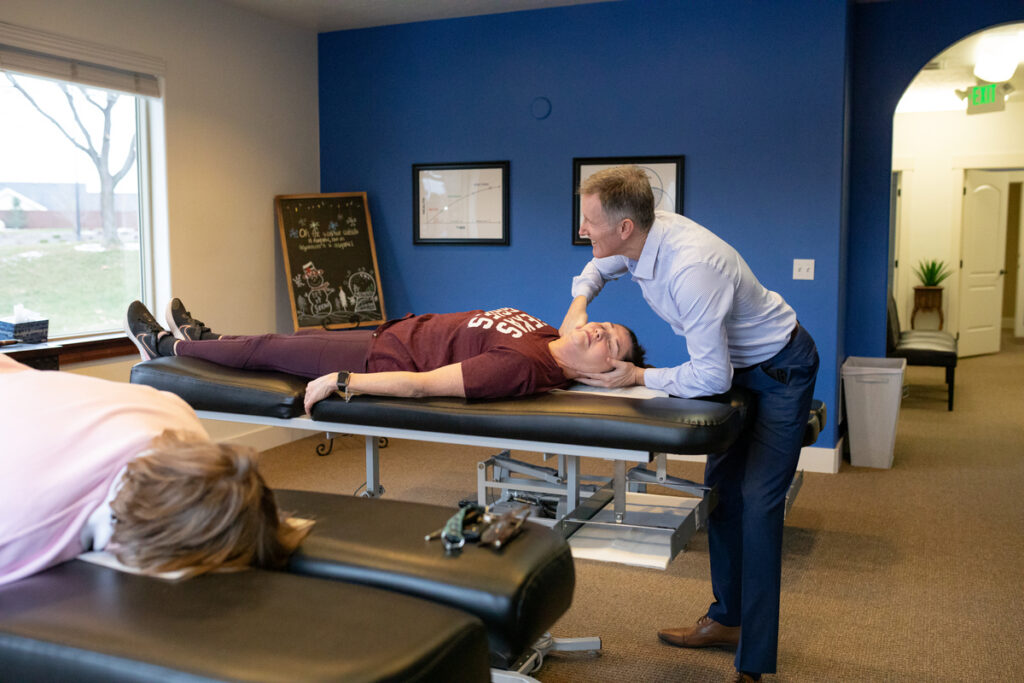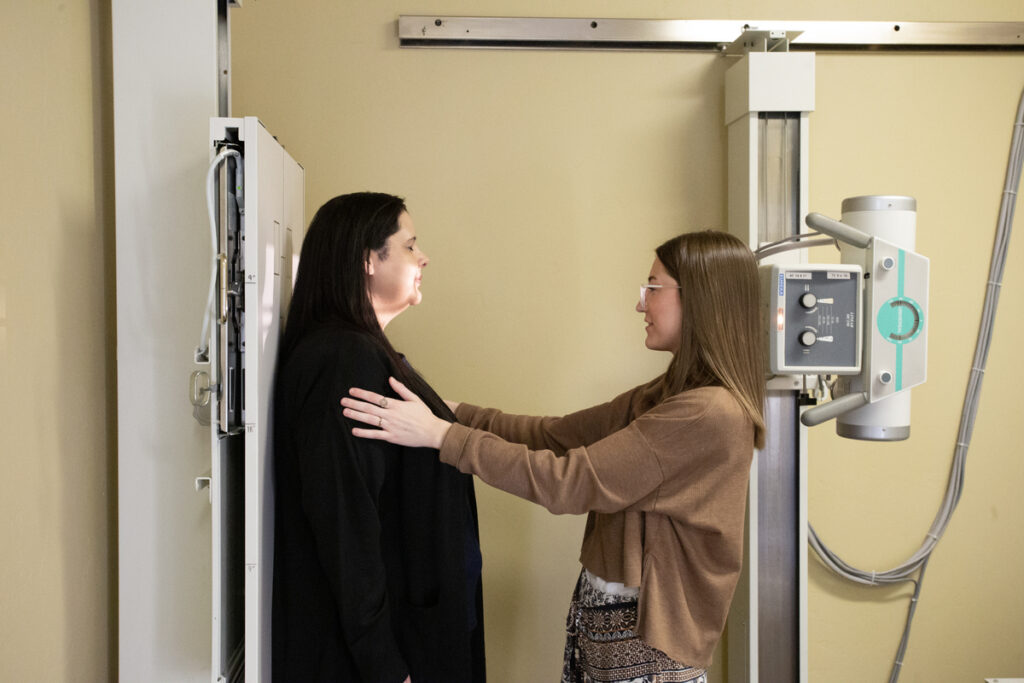

When it comes to supporting children with ADHD, it's important to consider a holistic approach to their care that includes chiropractic support. Early intervention and collaboration with families can significantly impact a child's development. As a chiropractor, I play a role in identifying how spinal health and nervous system function may affect a child's symptoms. Our journey doesn't stop at adjustments; we work in partnership with parents and caregivers to create a comprehensive support system.
Incorporating strategies that involve teachers and other caregivers can enhance the overall well-being of children with ADHD. Chiropractic care focuses on optimizing the body's natural healing processes, which may help improve focus, behavior, and emotional regulation. Additionally, we can explore specific techniques and lifestyle adjustments that can further support these children, ensuring we provide the best possible care for their unique needs. By working together, we can create an environment that fosters growth and success for children with ADHD.
Understanding ADHD and Its Impact
As a local chiropractor, I want to shed light on a condition that affects many children—ADHD, or Attention-Deficit/Hyperactivity Disorder. Understanding its impact is crucial, not only for parents and caregivers but also for anyone interested in holistic approaches to health and well-being.
Children with ADHD often face challenges with focus, impulsivity, and hyperactivity. These issues can significantly affect their daily lives, behavior, and emotional health. In a school setting, for example, you might notice a child struggling to complete tasks, follow instructions, or remain seated during lessons.
It's vital to understand that these behaviors aren't indicative of laziness or a lack of intelligence; they stem from neurological differences related to ADHD.
From a chiropractic perspective, we recognize that the body and mind are interconnected. Emotional regulation can be particularly challenging for children with ADHD; they may experience intense feelings that are difficult to manage. This can lead to outbursts or feelings of inadequacy, impacting their self-esteem and relationships with peers and adults alike.
By understanding ADHD through a holistic lens, we can foster a supportive environment that encourages growth and development. Open communication, patience, and celebrating small achievements can make a remarkable difference in a child's journey.
Additionally, chiropractic care can play a supportive role in overall wellness, helping to alleviate physical stressors that may exacerbate ADHD symptoms.
Encouraging coping strategies and promoting a healthy lifestyle can empower children with ADHD. As you explore different avenues for support, remember that being informed and proactive about both ADHD and holistic health practices can help your child thrive academically and socially.
Together, we can create a foundation for their success and well-being.
Role of Pediatricians in Diagnosis
When it comes to understanding conditions like ADHD, local chiropractors play a pivotal role in identifying underlying issues that may contribute to your child's symptoms.
We conduct thorough assessments that look beyond just the symptoms, helping to ensure a more comprehensive understanding of your child's health.
This holistic approach can lead to early interventions that significantly enhance your child's development and overall well-being.
Embracing natural healing methods can offer additional support in managing ADHD, promoting balance and wellness in your child's life.
Identifying Symptoms Early
Recognizing early signs of health issues is crucial for effective treatment and support. As a local chiropractor, you play a significant role in identifying these signs, which can greatly influence a person's overall well-being and quality of life.
It's important to be attentive to symptoms such as chronic pain, limited mobility, and discomfort in daily activities. These issues often present themselves in various contexts, including at home and work.
When patients come in for their initial consultations, encourage them to share any concerns they've regarding their physical health. Ask specific questions about their posture, movement patterns, and any discomfort they may experience.
It's essential to consider their age and lifestyle, as symptoms can manifest differently in individuals. You can also educate patients about the typical signs of musculoskeletal imbalances and what to look out for.
Remind them that early intervention through chiropractic care can lead to better health outcomes, including improved mobility, pain relief, and enhanced overall wellness.
Comprehensive Evaluation Process
A comprehensive evaluation process is essential for understanding the health and wellness of children, especially when it comes to their physical and emotional well-being.
As a local chiropractor, I want to emphasize the importance of gathering information from various sources to see the complete picture of a child's health. This often involves conversations with parents, teachers, and other caregivers.
To ensure a thorough understanding of a child's needs, consider the following components in your evaluation:
- Postural assessments: Observe the child's posture and spinal alignment, as these can greatly impact their overall health and behavior.
- Lifestyle discussions: Engage in detailed conversations with parents and teachers to gain insight into the child's daily activities, including their diet, exercise, and sleep patterns.
- Developmental milestones: Review the child's growth and any past concerns related to their physical or emotional development.
- Functional assessments: Evaluate the child's physical abilities and movement patterns to identify any areas that may need support or correction.
Developing Effective Treatment Plans
Creating effective wellness plans for children with ADHD from a chiropractic perspective involves a holistic understanding of their unique needs and challenges. As a chiropractor, I emphasize the importance of gathering comprehensive information about the child's behavior, academic performance, and social interactions. This information helps us identify specific areas of difficulty and strengths, allowing for a tailored approach to their care.
It's essential to consider the child's age, developmental level, and any coexisting conditions, as these factors will guide our treatment options.
Next, we set clear, achievable wellness goals that are specific and measurable. For example, if a child exhibits impulsivity, a goal could involve practicing self-regulation strategies that we can support through chiropractic adjustments and lifestyle changes. This keeps our plan focused and actionable, ensuring we address the child's needs effectively.
Incorporating a blend of natural interventions is crucial. While chiropractic adjustments can help improve nervous system function and overall well-being, they're part of a broader strategy. We also consider nutritional advice, exercise recommendations, and stress management techniques. It's important that these interventions align with the child's individual needs and the family's preferences.
Regularly reviewing and adjusting the wellness plan based on the child's progress is vital. This flexibility allows us to refine our approach and introduce new strategies as necessary. Communication with the child and their caregivers is key during this process.
Collaborating With Families and Schools
Successful collaboration between families and healthcare providers, including chiropractors, is crucial for supporting children with ADHD and other health concerns. By working together, we can create an environment that promotes understanding, consistency, and encouragement for your child's well-being.
Open communication among all parties ensures everyone is aligned regarding treatment plans, health expectations, and educational needs.
To facilitate this collaboration, consider the following strategies:
- Establish Regular Appointments: Schedule consistent visits with your chiropractor and engage in discussions about your child's progress and any challenges they may be facing. This keeps everyone informed and allows for timely adjustments to their care plan.
- Share Information: Provide your chiropractor with insights about your child's specific strengths and challenges. This knowledge can empower them to tailor treatments that effectively support your child's health.
- Create a Holistic Health Plan: Collaboratively develop a personalized care plan that outlines specific chiropractic adjustments and wellness strategies suited to your child's needs. This ensures that both home and healthcare environments are working towards the same goals.
- Encourage Family Involvement: Stay engaged in your child's holistic health journey by attending workshops, learning about natural healing methods, or participating in community health events. Your active involvement reinforces the importance of wellness and provides additional support for your child.
Behavioral Strategies for Daily Life
Navigating daily life can be particularly challenging for children with ADHD, and as a chiropractor, I want to emphasize the holistic approaches that can support their well-being. Establishing a consistent routine is crucial; children with ADHD benefit greatly from structure. A well-organized daily schedule can help them anticipate what's coming next. Visual aids, such as charts or calendars, can be incredibly useful in outlining activities and tasks throughout the day.
Clear communication is also vital. It's important to set expectations and rules using simple, direct language that your child can easily understand. Positive reinforcement, such as praise or rewards, goes a long way in encouraging adherence to these guidelines. Celebrating even the smallest successes can boost their confidence and motivation.
In addition to these strategies, incorporating regular breaks is essential. Children with ADHD often find it difficult to maintain focus for extended periods. Planning short breaks, especially during homework or chores, allows them to recharge. Encouraging physical activity during these breaks can help release built-up energy, ultimately enhancing their focus when they return to their tasks.
Creating a distraction-free environment is another key factor. Designate a quiet area for homework that's free from electronics and noise. This can significantly improve their concentration and productivity.
Lastly, as a chiropractor, I encourage practicing patience and empathy. It's important to recognize that your child's behavior may not always align with your expectations. By remaining calm and supportive, you can foster a safe space for them to express themselves and feel understood.
These strategies, combined with chiropractic care, can help create a more harmonious home environment and empower your child to navigate daily challenges with greater ease. Remember, holistic health is about nurturing the body, mind, and spirit.
Monitoring Progress and Adjusting Care
Monitoring progress and making adjustments in care is vital for children with ADHD, and as a chiropractor, I want to emphasize the importance of a holistic approach to their well-being. Engaging with your child's overall health plan, including chiropractic care, can significantly contribute to their development.
Regularly assessing how your child responds to treatment can help identify effective strategies and areas needing adjustment. It's essential to maintain open communication not only with your chiropractor but also with educators and other healthcare providers to gather insights from various angles.
To effectively monitor your child's progress, consider these strategies:
- Set clear health goals: Work with your chiropractor to establish specific, measurable health objectives tailored to your child's needs and abilities.
- Keep a health journal: Document your child's behaviors, challenges, and successes related to their chiropractic care. This will help uncover patterns and track improvements over time.
- Schedule regular chiropractic check-ins: Plan consistent appointments to evaluate your child's progress and discuss any necessary modifications to their care plan.
- Involve your child in their care: Encourage your child to take part in tracking their health goals and achievements. This involvement can foster greater self-awareness and motivation in their healing journey.
Conclusion
Supporting children with ADHD through a holistic approach, including chiropractic care, can play a significant role in their overall growth and well-being. As a chiropractor, I want to educate you on how natural healing methods can complement traditional pediatric care. Understanding ADHD and its impact on your child's life is crucial. By working closely with healthcare providers and incorporating chiropractic adjustments, we can help improve your child's nervous system function, which may positively influence their behavior and focus.
Creating a structured environment at home is also vital. By maintaining open communication with teachers and caregivers, you can ensure that everyone is on the same page regarding your child's needs. Utilizing positive reinforcement techniques can further enhance their development.
As you monitor your child's progress through our chiropractic care, don't hesitate to communicate any changes or challenges you observe. Together, we can adjust our strategies to best support your child's journey. With a collaborative effort, we can empower your child to navigate challenges more effectively and improve their overall quality of life.