
When dealing with an injury, it's crucial to grasp the time-tested methods that many athletes rely on to heal effectively. While you may believe that rest alone is sufficient, the reality is that there's much more involved in the healing process. As a chiropractor, I want to emphasize the importance of a holistic approach that includes not just rest, but also tailored physical therapy, chiropractic adjustments, and proper nutrition. Each of these components plays a vital role in your recovery.
Additionally, mental resilience is key to staying focused on your healing goals. Are you curious about how these strategies work together to form a comprehensive healing plan? Let's delve into the details that can truly make a difference in your journey back to optimal health and performance.
Understanding Injury Types
As a local chiropractor, I want to take a moment to discuss the types of injuries that many athletes—both professional and recreational—face, and how understanding them can play a crucial role in your prevention and rehabilitation efforts.
Injuries generally fall into two categories: acute and chronic. Acute injuries occur suddenly, often as a result of a specific incident. For example, you might sprain your ankle when landing awkwardly or strain a muscle during an intense sprint. These injuries typically manifest with immediate pain and swelling, signaling that something is amiss.
As your chiropractor, I emphasize the importance of evaluating these injuries promptly. Doing so can lead to effective treatment and can help you recover more quickly.
On the other hand, chronic injuries develop gradually over time, often due to repetitive stress or overuse. Conditions like tendonitis and stress fractures are common examples. The symptoms of chronic injuries can intensify over time, making it vital to recognize the early warning signs.
By addressing these issues early on, you may prevent more serious complications down the line that could sideline you from your activities.
It's also important to note that different sports can lead to specific types of injuries. For instance, runners often experience knee issues, while football players may be more susceptible to concussions or ligament tears.
By staying informed about the common injuries associated with your sport, you can better prepare yourself and take proactive steps to protect your body.
As your chiropractor, I'm here to help you understand these injuries and guide you toward natural healing methods that promote recovery and prevention.
Through chiropractic care, we can work together to address these issues holistically, ensuring you stay active and healthy in your chosen sport.
Importance of Rest and Recovery
As a local chiropractor, I want to emphasize the importance of rest and recovery for your overall health and athletic performance. Many people underestimate how crucial downtime is for the body, especially when it comes to healing and revitalizing. Without proper rest, your body lacks the opportunity to repair itself, which can lead to increased fatigue and a higher risk of injury.
When you continuously push your limits without allowing yourself time to recover, it's not just your body that suffers; your progress can be significantly hindered as well. During periods of rest, your muscles have the chance to rebuild and strengthen, your energy stores get replenished, and your nervous system can reset. This natural biological process is vital for enhancing your overall performance, whether you're an athlete or simply looking to improve your daily activities.
It's essential to listen to your body—if you find yourself feeling worn out or notice ongoing soreness, those are clear signals that you need to take a break. Ignoring these signs can lead to overtraining, which can set back your health and wellness journey considerably.
Incorporating rest days into your routine isn't a sign of weakness; rather, it's a strategic choice that can enhance your physical capabilities. You might consider exploring active recovery options, such as gentle stretching or low-impact activities, which can promote blood flow without overexerting yourself. This approach can help speed up the healing process while allowing you to stay engaged in your wellness journey.
Furthermore, don't overlook the importance of quality sleep. Adequate sleep is a cornerstone of recovery, as it enables your body to enter deeper restorative phases essential for healing. Aim for 7-9 hours of sleep each night to optimize your recovery and overall performance.
Physical Therapy Techniques
As a local chiropractor, I want to emphasize the vital role that chiropractic care and natural healing techniques play in your recovery from injuries and in enhancing your overall athletic performance. If you're feeling sidelined, exploring targeted chiropractic treatment can significantly impact your journey to recovery. These natural methods not only aid in healing but also prepare your body to come back stronger than ever.
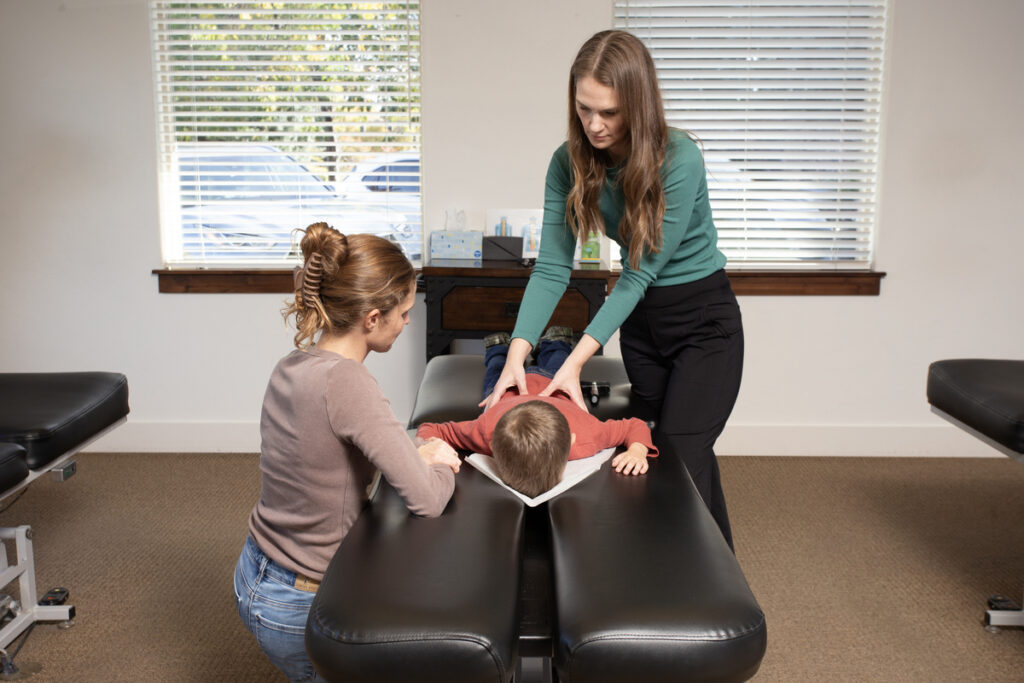
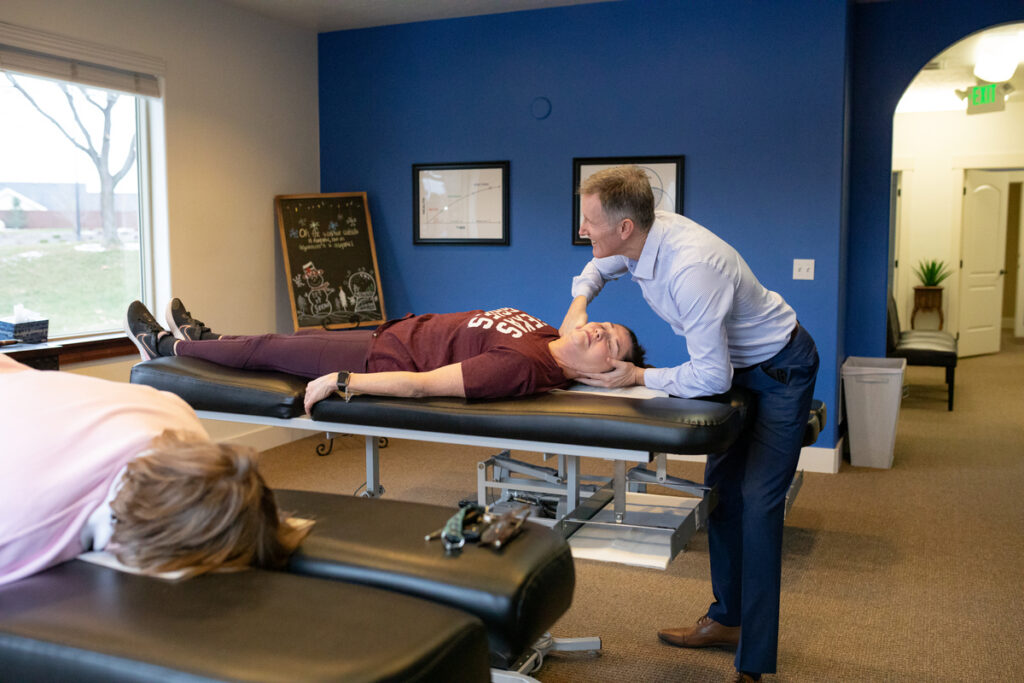
One of the key techniques we utilize is spinal manipulation, where I gently adjust your spine and joints to restore proper alignment. This can enhance your mobility, alleviate pain, and improve blood circulation to the affected areas.
Additionally, therapeutic exercises are an integral part of the healing process. I'll create a customized exercise program tailored to your specific needs, gradually increasing in intensity to help you regain strength and flexibility while minimizing the risk of re-injury.
Another critical component of our approach is neuromuscular re-education. This technique focuses on refining your body's coordination and movement patterns. By retraining your muscles to work together efficiently, you can improve your athletic performance and ensure a safer return to your sport.
We also incorporate various modalities such as ultrasound and electrical stimulation to support your recovery. These treatments assist in tissue healing and help reduce inflammation, creating an optimal environment for your body to recover.
Moreover, education is a cornerstone of our practice. I take the time to teach you about proper biomechanics and injury prevention strategies, empowering you to make informed decisions as you get back into your activities.
Nutrition for Healing
As a local chiropractor, I want to emphasize the vital role that proper nutrition plays in your healing journey. When your body is injured, it needs the right nutrients to recover effectively, and your diet can significantly impact this process. It's essential to focus on nourishing your body with whole foods to support your recovery.
First and foremost, let's talk about protein. This macronutrient is crucial for repairing muscle and tissue. To meet your protein needs, consider incorporating lean meats, fish, eggs, dairy, legumes, and nuts into your meals. A diverse range of protein sources ensures that you're getting all the essential amino acids necessary for healing.
In addition to protein, healthy fats shouldn't be overlooked. Foods like avocados, olive oil, and fatty fish are excellent sources of omega-3 fatty acids, which can help reduce inflammation and promote healing.
It's also vital to include a variety of colorful fruits and vegetables in your diet. These foods are packed with vitamins, minerals, and antioxidants that bolster your immune system and overall health.
Carbohydrates also play an important role in your recovery. They provide the energy your body needs to heal, so opt for complex carbohydrates like whole grains, sweet potatoes, and quinoa.
And don't forget about hydration! Drinking plenty of water is essential for nutrient transport and keeping your tissues healthy.
Lastly, I highly recommend consulting with a nutritionist or dietitian, especially one who specializes in sports nutrition. They can help you develop a personalized meal plan tailored to your injury and recovery goals.
Mental Resilience Strategies
As a local chiropractor, I want to emphasize that building mental resilience is just as crucial as physical recovery when healing from injuries. Cultivating a strong mindset is essential for navigating the challenges that come with being sidelined from your regular activities. One of the first steps is to embrace a positive attitude. Focus on aspects you can control, like your rehabilitation exercises and nutrition, rather than fixating on what you can't do right now. This shift in perspective can empower your recovery process.
Setting realistic goals is another vital strategy I encourage. Break your recovery journey into smaller, achievable milestones. Celebrate each victory, whether it's regaining full range of motion, completing a rehabilitation session, or simply feeling better each day. Acknowledging these accomplishments can significantly boost your confidence and keep you motivated throughout your healing journey.
Visualization techniques can also enhance your mental resilience. Take some time to imagine yourself fully healed, back to your normal activities, and performing at your best. This mental imagery can reinforce your commitment to the recovery process and serve as a powerful reminder of your ultimate goal.
Incorporating mindfulness practices, such as meditation or deep breathing exercises, can be incredibly beneficial in managing stress and anxiety associated with injuries. I recommend setting aside a few minutes each day to focus on your breath and clear your mind. This practice can help you stay grounded and present, rather than getting overwhelmed by worries about your injury.
Lastly, I can't stress enough the importance of social support during your recovery. Surround yourself with friends, family, or teammates who are supportive and encouraging. Their positivity can help maintain your motivation and remind you that you're not alone on this journey.
Chiropractic care can also be a part of your support system, helping alleviate physical discomfort and enhancing your overall well-being as you heal.
Cross-Training for Injury Prevention
As your local chiropractor, I want to share the importance of cross-training for injury prevention and overall athletic performance. Many of you may not be familiar with how incorporating diverse activities into your exercise routine can significantly benefit your body. By engaging in various forms of physical activity, you can work different muscle groups, which helps reduce the risk of overuse injuries that often arise from repetitive movements.
For instance, if you're primarily a runner, adding activities like swimming or cycling can boost your cardiovascular fitness while minimizing strain on your joints. This variety not only keeps your body balanced but also enhances its adaptability, which is crucial for maintaining good health.
Focusing exclusively on one sport can lead to muscle imbalances that may result in injuries. Cross-training offers a way to strengthen weaker areas of your body while allowing overworked muscles to rest and recover. It's about being smart with your training. For example, if you're lifting weights, integrating practices like yoga or Pilates can improve your flexibility and core strength, both of which are essential for preventing injuries.
Listening to your body is key. If you're feeling fatigued or experiencing discomfort, cross-training provides an excellent opportunity for recovery while keeping you active. You may even discover new activities that challenge you in different ways, making your fitness journey more enjoyable and sustainable.
Additionally, cross-training can be particularly beneficial during recovery from injuries. If you find yourself unable to participate in your primary sport, switching to low-impact exercises allows you to maintain your fitness levels without exacerbating your injury.
By embracing cross-training, you aren't only taking proactive steps to prevent injuries, but you're also building a strong and well-rounded athletic foundation that supports long-term success and well-being.
As your chiropractor, I encourage you to explore these strategies for a healthier, more resilient you. Remember, natural healing and chiropractic care can work hand-in-hand with a well-rounded fitness approach to enhance your overall health.
Seeking Professional Guidance
When navigating the intricacies of injury recovery or aiming to boost your athletic performance, enlisting the help of a chiropractor can significantly enhance your journey. As a trained professional, I bring specialized knowledge in musculoskeletal health that can support you throughout your healing process. I can evaluate your individual situation, assist you in setting realistic goals, and develop a customized recovery plan tailored to your specific needs.
Working with a chiropractor ensures you receive personalized care rather than a one-size-fits-all approach. I focus on understanding your body type, injury history, and the specific demands of your sport, providing guidance that's uniquely suited for you. Additionally, I'll teach you proper techniques to prevent re-injury and enhance your movements, which is crucial for achieving long-lasting results. My experience with various athletes allows me to offer insights and motivation that can help you stay on track.
One of the key advantages of working with me is the accountability I provide. Knowing you have someone to check in with can encourage you to adhere to your rehabilitation routine and persevere through challenging moments. I'll monitor your progress closely, making necessary adjustments to your treatment plan to ensure you're consistently moving toward your goals.
If you ever feel uncertain about your recovery plan, I encourage you to seek a second opinion. A dedicated chiropractor will empower you and help restore confidence in your physical capabilities.
Conclusion
Injury recovery is more than just taking a break; it's a comprehensive journey towards healing. As your local chiropractor, I want to emphasize the importance of understanding your specific injury and adopting a well-rounded approach to recovery. This includes not only chiropractic adjustments to restore proper alignment and function but also strategies like physical therapy, balanced nutrition, and fostering mental resilience.
Incorporating cross-training into your routine can help maintain your overall strength and balance, ensuring that your body is well-prepared to prevent future injuries. I encourage you to seek professional guidance, as it can significantly enhance your rehabilitation process. With commitment and the right support, you can return to your activities stronger and more resilient than ever. Together, let's make your path to recovery a successful one!