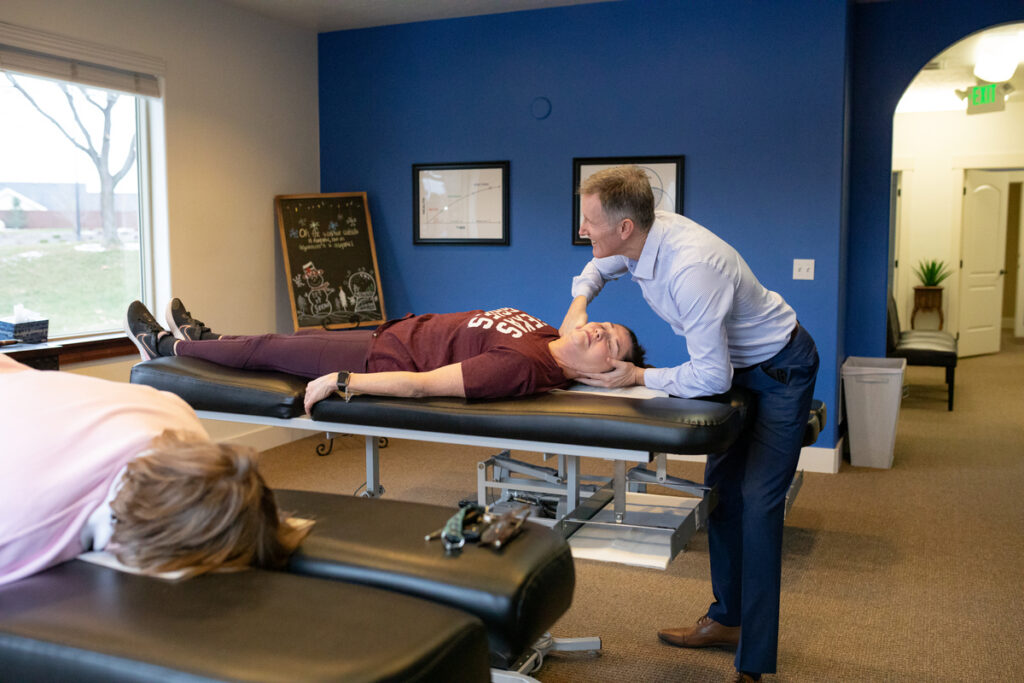

As a local chiropractor, I want to share some effective strategies for managing chronic pain that can significantly improve your daily life. It's important to explore various approaches, including chiropractic care, which focuses on aligning the spine and relieving tension in the body. Mindfulness practices and tailored exercise regimens can also be incredibly beneficial, helping you regain control over your pain.
In my practice, I've seen how integrating alternative therapies—such as acupuncture, massage, and nutritional guidance—can complement chiropractic adjustments and enhance your overall well-being. Additionally, establishing a solid support system, including family, friends, and healthcare professionals, is crucial in your healing journey.
If you're interested in learning more about how chiropractic care and these strategies can be tailored to your unique situation, I'm here to help you every step of the way. Together, we can uncover the best path forward for managing your chronic pain naturally.
Understanding Chronic Pain
Chronic pain is a condition that affects millions of individuals around the globe, and as your local chiropractor, I believe that understanding it's crucial for effective management and treatment.
It's important to recognize that chronic pain isn't merely a symptom; it's a multifaceted issue that can arise from various sources, such as injuries, illnesses, or even emotional stress. Unlike acute pain, which acts as a warning sign for potential harm or health problems, chronic pain persists for months or even years without always having a clear origin.
When you experience chronic pain, your nervous system may continuously send pain signals to your brain, even after the initial injury has healed. This persistent discomfort can significantly affect both your physical and emotional health, potentially leading to fatigue, anxiety, and depression.
Understanding the nature of your pain is essential—whether it's nociceptive (pain from tissue damage) or neuropathic (pain from nerve damage), or a combination of both, will guide your treatment options.
As we work together, it's also vital to recognize how chronic pain affects your daily life. You might notice that certain activities worsen your pain, while others bring you relief. Keeping a pain diary can be a useful tool, allowing you to track patterns and triggers, which can enhance our communication during your visits.
Remember that each person's experience with chronic pain is unique. What alleviates one patient's discomfort may not be suitable for you, so I encourage you to be open to exploring different management strategies.
Mindfulness and Meditation
As a local chiropractor, I want to share how mindfulness and meditation can be valuable allies in managing chronic pain. These practices can help you develop a deeper awareness of your body and your thoughts, which can significantly reduce stress and enhance your overall well-being.
By incorporating mindfulness into your daily routine, you can create a positive impact on your pain management.
Let's discuss some effective meditation techniques that can complement your chiropractic care. These techniques are simple and can be easily integrated into your day-to-day life.
By taking just a few moments each day to focus on your breath and center your thoughts, you can help alleviate tension and promote relaxation in your body.
Incorporating mindfulness into your routine, alongside regular chiropractic adjustments, can lead to improved outcomes and a better quality of life.
Together, we can explore how these practices can enhance your healing journey and empower you to take control of your pain management.
Benefits of Mindfulness Practice
As a local chiropractor, I want to share with you the transformative benefits of incorporating mindfulness practices into your daily routine, especially when it comes to managing pain more effectively.
Mindfulness encourages you to focus on the present moment, which can significantly reduce the anxiety and stress that often accompany chronic pain. By learning to redirect your attention away from discomfort, you may find that your perception of pain lessens.
Practicing mindfulness can also enhance your emotional resilience. It helps you gain a greater sense of control over your thoughts and feelings, allowing you to develop improved coping strategies. This emotional regulation is essential in responding to pain with a balanced mindset, making it easier to handle challenging situations that may arise.
Additionally, mindfulness contributes to your overall well-being. Many of my patients report improved sleep patterns and increased relaxation, both of which are vital for effective pain management.
As you become more attuned to your body's signals through mindfulness, you'll learn to recognize tension and discomfort without feeling overwhelmed.
Incorporating mindfulness into your life doesn't have to take up a lot of time. Even short, focused sessions throughout the day can provide significant benefits, helping you reclaim a sense of normalcy and joy despite the challenges of chronic pain.
As a chiropractor, I encourage you to explore this natural healing approach alongside your regular care to enhance your journey toward wellness.
Meditation Techniques for Pain
As a local chiropractor, I want to share with you how incorporating meditation techniques into your pain management strategy can greatly enhance your overall well-being. Many of my patients have found that by focusing on their breath and creating a mental space free of distractions, they can cultivate a deeper sense of calm, which complements the physical adjustments we perform in chiropractic care.
To get started, I recommend simple breathing exercises. Find a comfortable position, close your eyes, and take deep, slow breaths. As you inhale, visualize your breath flowing into the areas where you experience pain, and as you exhale, imagine that pain leaving your body. This practice not only helps in managing discomfort but also promotes relaxation.
Another effective technique is progressive muscle relaxation. You can begin by tensing and then relaxing each muscle group, starting from your toes and working your way up to your head. This approach can help release physical tension that may be contributing to your pain, making the chiropractic adjustments more effective.
Guided imagery is another valuable tool. Picture a peaceful scene, like a quiet beach or a serene forest. Engaging your senses in this mental imagery can distract you from pain and foster a sense of well-being. It's a great way to complement the healing process we initiate through chiropractic care.
Lastly, I encourage you to explore apps or online resources that offer guided meditation specifically designed for pain relief. Regular practice can lead to improved pain management and significantly enhance your quality of life.
Incorporating Mindfulness Daily
As a chiropractor, I want to share with you how integrating mindfulness into your daily routine can significantly enhance your approach to managing chronic pain. By focusing on the present moment, you can alleviate stress and anxiety, both of which can intensify your discomfort.
I recommend starting with just a few minutes each day dedicated to mindfulness practices. This can include deep breathing exercises, body scans, or simply sitting in stillness and observing your thoughts without judgment.
To make mindfulness a seamless part of your life, consider incorporating it into activities you already engage in. Whether you're enjoying a meal, taking a walk, or even doing the dishes, try to focus your attention on the sensations in your body and the environment around you.
Pay close attention to the texture of your food, the rhythm of your breath, or the sounds you hear. This heightened awareness can help you understand your pain and emotional reactions better, empowering you to respond in a more mindful way rather than reacting impulsively.
Remember, our bodies are interconnected, and by nurturing your mind through mindfulness, you can create a more holistic approach to your health and well-being.
As you embrace these practices, you may find that your experience with pain can shift, allowing for a greater sense of control and peace in your daily life.
Physical Therapy Techniques
As a local chiropractor, I want to share how physical therapy techniques can significantly enhance your quality of life, especially when dealing with chronic pain.
By integrating stretching and flexibility exercises, strength training approaches, and hands-on manual therapy techniques, we can work together to improve your mobility and alleviate discomfort.
Allow me to explain how these natural healing methods can positively impact your overall well-being and help you regain control over your body.
Your journey to a pain-free life starts here!
Stretching and Flexibility Exercises
As a local chiropractor, I want to emphasize the importance of stretching and flexibility exercises in managing chronic pain. These exercises are crucial for improving mobility and reducing muscle tension, which can significantly enhance your quality of life. By incorporating stretching into your daily routine, you can help alleviate discomfort and promote overall wellness.
Start with gentle stretches that specifically target the areas where you experience pain. It's important to focus on slow, controlled movements to prevent injury and allow your body to adapt gradually. Establishing a consistent stretching schedule is beneficial; aim for at least 15-30 minutes each day.
Incorporate a variety of stretches to engage different muscle groups, ensuring a well-rounded approach to your flexibility. Remember to breathe deeply during each stretch. This not only helps to relax your muscles but also enhances the effectiveness of your routine.
If you're unsure where to start, I recommend working with a physical therapist or a chiropractor like myself to develop a personalized stretching plan that meets your individual needs. We can guide you on proper techniques and ensure you're progressing safely.
Always listen to your body—if a stretch causes pain, it's crucial to ease off or modify the movement. By committing to a routine of stretching and flexibility exercises, you'll likely notice improvements in your pain levels, increased mobility, and an overall greater sense of well-being.
Your journey to natural healing can start with these simple yet effective practices.
Strength Training Approaches
As a local chiropractor, I want to emphasize the importance of incorporating strength training into your routine, especially alongside stretching and flexibility exercises.
Strength training can significantly enhance your overall stability and provide essential support for your joints, which is crucial when managing chronic pain. By regularly engaging in strength training, you can also improve your endurance, making everyday activities feel much easier.
To get started, I recommend beginning with low-resistance exercises. This could involve using your body weight or resistance bands, which greatly reduces the risk of injury while allowing you to build strength gradually.
Focus on strengthening major muscle groups such as your legs, back, and core. These areas are vital for maintaining proper body mechanics and effectively managing pain.
Aim for two to three strength training sessions each week, and be sure to allow your body adequate recovery time between workouts. It's important to listen to your body; if any exercise causes discomfort or pain, feel free to modify it, or consult with me for alternative exercises that may be more suitable.
As you become more comfortable, consider incorporating light weights or resistance machines to further challenge yourself.
Remember, consistency is key in this process. With patience and dedication, strength training can lead to meaningful improvements in your pain levels, mobility, and overall quality of life.
Together, we can develop a holistic approach to your health that incorporates these vital elements.
Manual Therapy Techniques
As a local chiropractor, I want to share how manual therapy techniques can be a powerful ally in your journey toward alleviating chronic pain and enhancing mobility. These hands-on approaches, conducted by skilled professionals like myself, focus on manipulating muscles, joints, and soft tissues to relieve tension and improve your overall movement.
One of the primary methods we use is massage therapy, which is excellent for relaxing tight muscles, boosting blood circulation, and curbing pain. We also employ mobilization, a gentle technique that promotes the movement of joints to restore their natural range of motion. For more significant issues, we might utilize manipulation, which is a more assertive technique aimed at correcting joint dysfunction. Each of these strategies is tailored specifically to meet your unique needs and health goals.
It's crucial for you to communicate openly with me about your pain levels and any specific concerns you may have. This collaboration allows us to develop a personalized treatment plan that ensures you'll receive the most effective care possible. Many patients experience immediate relief after their sessions, and consistent visits can lead to lasting improvements in how you feel and function.
Integrating manual therapy into your overall pain management strategy can significantly enhance your quality of life, allowing you to engage fully in the daily activities you cherish.
I encourage you to consider these techniques as a beneficial option on your path to better health and wellness. Together, we can work towards a pain-free life that lets you enjoy all that life has to offer.
Medication Management
Effective management of chronic pain is crucial for improving your overall quality of life, and as a chiropractor, I want to help you explore natural healing methods alongside traditional medication.
First and foremost, it's important to collaborate with your healthcare provider to create a personalized plan that considers your specific pain condition and medical history. Open communication is essential; don't hesitate to share your pain levels and any side effects you may be experiencing from medications.
Understanding the role of chiropractic care in pain management can be invaluable. Chiropractic treatment focuses on the musculoskeletal system, addressing issues that may contribute to your pain. Techniques such as spinal adjustments, soft tissue therapy, and exercise recommendations can work synergistically with your current medication plan.
It's helpful to familiarize yourself with the various chiropractic techniques and how they can complement your healing journey. Consistent attendance to chiropractic sessions and following the recommended treatment plan is vital. Skipping appointments or making changes without discussing them can hinder your progress.
We encourage you to track your visits and set reminders to stay on schedule. Regularly reviewing your treatment plan with me is also important. Chronic pain can fluctuate, and adjustments may be necessary to ensure you're receiving the most effective care.
I'm here to help evaluate your progress and suggest alternative therapies if needed. Lastly, remember that while chiropractic care offers a powerful approach to managing chronic pain, integrating it with other strategies—such as physical therapy, lifestyle changes, and proper nutrition—can lead to the best outcomes.
Together, we can work towards a more holistic and effective pain management plan.
Exercise and Movement
As a local chiropractor, I want to share that chiropractic care is just one piece of the puzzle when it comes to managing pain effectively. Incorporating exercise and movement into your daily routine is equally important for enhancing your overall well-being.
Regular physical activity can significantly alleviate chronic pain, improve your functionality, and elevate your mood. While it might seem daunting at first, finding ways to introduce movement into your life can truly transform your experience.
Here are three simple strategies to help you get started on this journey:
- Gentle Stretching: Begin your mornings with some light stretches. Pay special attention to any areas that feel tight or sore. Stretching not only improves flexibility but also reduces stiffness and promotes better blood flow, making it easier for you to move throughout the day.
- Low-Impact Aerobic Activities: Activities like walking, cycling, or swimming can be great options. These exercises boost your heart rate without placing excessive strain on your body. I recommend aiming for at least 20-30 minutes a few times a week, gradually increasing the duration as you become more comfortable.
- Strength Training: Adding lightweight resistance exercises can be incredibly beneficial for building muscle strength, which in turn supports your joints and helps alleviate pain. You might start with bodyweight exercises or resistance bands, focusing on maintaining proper form rather than lifting heavy weights.
Dietary Considerations
As a local chiropractor, I want to emphasize the significant role that diet plays in managing chronic pain and enhancing your overall health. The foods you choose can either help alleviate inflammation or worsen it, making dietary considerations an essential part of your pain management plan. Adopting an anti-inflammatory diet can be particularly advantageous for those dealing with pain.
Incorporating a variety of fruits and vegetables, whole grains, healthy fats, and lean proteins into your meals can promote better health and reduce inflammation. For instance, omega-3 fatty acids, which are abundant in fish like salmon and walnuts, are well-known for their ability to combat inflammation. Additionally, spices such as turmeric and ginger have been recognized for their potential to ease pain and inflammation.
On the other hand, it's important to minimize foods that can contribute to inflammation, such as processed foods, refined sugars, and trans fats. These can't only exacerbate your pain but also hinder your healing process.
Hydration is another crucial aspect of managing pain. Drinking plenty of water supports your body's functions and may help alleviate some discomfort. It's wise to limit caffeine and alcohol as they can lead to dehydration and disrupt your sleep quality, which is vital for recovery.
I also encourage you to pay attention to any food sensitivities you may have. Some individuals find that specific foods can trigger their pain. Keeping a food diary can be a helpful tool to identify any problematic foods.
Alternative Therapies
As a local chiropractor, I want to share how alternative therapies can play a vital role in your journey to manage chronic pain. These methods can provide you with additional tools to alleviate discomfort and enhance your overall well-being. By exploring various approaches, you may find techniques that resonate with you and integrate smoothly into your daily life.
Here are three effective alternative therapies I encourage you to consider:
- Chiropractic Care: This hands-on approach focuses on aligning the spine and optimizing the nervous system. By addressing misalignments, or subluxations, I can help reduce pain and improve your body's function. Many patients experience relief from chronic pain and increased mobility through regular chiropractic adjustments.
- Mindfulness and Relaxation Techniques: Incorporating mindfulness into your routine can significantly influence how you perceive pain. By focusing on the present moment and observing your thoughts without judgment, you can cultivate a greater sense of control over your pain and reduce stress levels. Simple practices like deep breathing or guided imagery can be incredibly effective.
- Nutritional Support and Herbal Remedies: Certain natural supplements and herbs, such as turmeric and ginger, are known for their anti-inflammatory properties. These can be beneficial in managing pain. However, it's essential to consult with me or another healthcare provider before starting any new supplements to ensure they're safe and appropriate for your individual needs.
Integrating these alternative therapies into your pain management routine may not only help alleviate pain but also promote emotional and mental well-being.
Remember, every person's journey is unique, and it may take some time to discover the right combination of therapies that work best for you. Stay open-minded, and give yourself the grace to explore what feels right.
I'm here to guide you on your path to healing and to help you find the best solutions for your health.
Support Systems
As a local chiropractor, I want to highlight the importance of support systems in managing chronic pain, particularly when it comes to exploring chiropractic care and natural healing. Having a reliable network can greatly enhance your journey toward pain relief and wellness. Surrounding yourself with supportive friends, family, and healthcare professionals can offer the emotional reassurance and practical assistance you need.
Start by identifying those in your life who are open to understanding your pain and wellness goals. This could be a close friend who listens without judgment or a family member willing to assist with daily tasks as you navigate your healing process.
Clear communication is key; let them know how they can support you—whether by accompanying you to chiropractic appointments or checking in on your progress.
I also encourage you to consider joining a support group, either in-person or online, that focuses on chronic pain management and wellness. Connecting with others who've similar experiences can be incredibly validating and provide an opportunity to share coping strategies, including the benefits of chiropractic care.
Don't hesitate to reach out to healthcare professionals, including a chiropractor like myself. We can offer valuable insights into natural healing techniques tailored to your specific situation, helping you to understand how chiropractic adjustments and holistic practices can play a role in your pain management strategy.
Your journey is important, and together, we can work toward achieving a healthier, more balanced life.
Cognitive Behavioral Therapy
As a local chiropractor, I want to help you understand how your thoughts and mindset can significantly impact your experience of pain.
Cognitive Behavioral Therapy (CBT) is a valuable approach that can enhance your understanding of this connection. By learning effective coping strategies through CBT, you can better manage your pain and make positive changes in your daily life.
Let's dive into how integrating CBT with chiropractic care can empower you on your path to improved pain management and overall well-being.
Understanding Pain Perception
As a local chiropractor, I want to help you understand that pain perception isn't just about the physical discomfort you feel; it's also influenced by your thoughts and emotions.
Many people don't realize how much their mindset can affect their experience of pain. By grasping this connection, you can take charge of managing your chronic pain more effectively.
Here are three important factors that can influence how you perceive pain:
- Attention: When you concentrate on your pain, it can often feel worse. I encourage you to redirect your focus towards activities that bring you joy or practice mindfulness techniques that can help you relax and ease your discomfort.
- Expectations: Your beliefs surrounding pain play a significant role in how intensely you feel it. If you expect to experience severe pain, it's likely to be more pronounced. Challenge any negative thoughts you may have and consider replacing them with positive affirmations about your healing journey.
- Emotional State: Feelings of anxiety and depression can heighten your perception of pain. It's crucial to address these emotional challenges, whether through therapy, support groups, or natural healing practices we might discuss in our sessions.
By understanding these factors, you can better navigate your pain and work towards a more holistic approach to your health and well-being.
Let's explore these concepts together as we embark on your path to healing!
Coping Strategies Development
As a local chiropractor, I want to share the importance of developing effective coping strategies for managing chronic discomfort. One powerful approach that can complement our chiropractic care is Cognitive Behavioral Therapy (CBT). This method focuses on transforming negative thought patterns that may be amplifying your pain experience. By recognizing and challenging these thoughts, you can alleviate emotional distress and enhance your overall well-being.
In our practice, we often encourage patients to explore practical techniques alongside their chiropractic adjustments. For example, mindfulness and relaxation exercises are excellent tools that can help you manage stress and respond to pain with a calmer mindset, rather than feeling overwhelmed.
Setting realistic goals is another key aspect of this approach. Together, we can establish small, achievable objectives related to your daily activities, which will help boost your confidence and motivation. This process is vital for regaining a sense of control over your life and reducing feelings of helplessness.
Moreover, CBT promotes the development of problem-solving skills. By addressing the challenges associated with your pain, you can discover creative solutions that work specifically for you.
Incorporating CBT into your pain management strategy, alongside chiropractic care, can empower you to handle discomfort more effectively and significantly improve your quality of life.
Behavioral Change Techniques
As a local chiropractor, I want to share the importance of behavioral change techniques in managing chronic discomfort effectively. One of the most valuable approaches we incorporate in our practice is Cognitive Behavioral Therapy (CBT). CBT is designed to help you shift negative thought patterns and behaviors related to your pain, enabling you to take charge of your healing journey.
Here are three key strategies to consider:
- Identify Negative Thoughts: Begin by recognizing the thoughts that may be amplifying your perception of pain. It can be helpful to write these down and critically assess their validity. By doing this, you can start to reframe your perspective, allowing for a more positive outlook on your situation.
- Develop Coping Skills: Embrace relaxation techniques such as deep breathing exercises, mindfulness meditation, or guided visualization. These practices can significantly reduce anxiety and enhance your ability to cope with pain, making your experience more manageable.
- Set Achievable Goals: Create small, realistic goals related to your daily activities. Whether it's taking a 10-minute walk or spending time on a hobby you enjoy, accomplishing these goals can greatly improve your confidence and overall well-being.
By integrating these techniques alongside chiropractic care, we aim to empower you to manage your discomfort more effectively and enhance your quality of life.
Lifestyle Modifications
As a local chiropractor dedicated to your well-being, I want to emphasize how intentional lifestyle modifications can significantly enhance your ability to manage chronic pain.
Let's start by assessing your daily habits and routines, as even small changes can lead to substantial improvements in your overall health.
Incorporating regular physical activity is one of the most effective ways to strengthen your muscles and improve flexibility, which can help alleviate pain. Activities such as walking or swimming are excellent low-impact options that can make a real difference in your daily comfort.
Nutrition is another critical factor in managing pain. I encourage you to focus on a balanced diet that includes plenty of fruits, vegetables, whole grains, and lean proteins. Foods rich in omega-3 fatty acids, like fish and flaxseeds, can significantly reduce inflammation and help in pain management.
Don't forget the importance of hydration; staying properly hydrated can prevent discomfort from worsening.
Quality sleep is essential for healing, so aim for 7-9 hours of restful sleep each night. Establishing a calming bedtime routine can signal to your body that it's time to relax, which may include activities such as reading, meditating, or gentle stretching.
Managing stress is also crucial, as chronic pain can become more intense under stress. Techniques such as deep breathing, yoga, or mindfulness practices can help you maintain a sense of calm and improve your pain tolerance.
Lastly, it's important to avoid smoking and limit alcohol intake, as both can hinder your body's natural healing processes.
Conclusion
As a local chiropractor, I want to share some effective strategies that can significantly enhance your ability to manage chronic pain. Integrating these approaches into your daily life can empower you to take control of your well-being.
Firstly, practicing mindfulness can help you stay present and reduce stress, which is crucial for pain management. Additionally, engaging in physical therapy, particularly chiropractic care, can address the underlying causes of your pain and improve your overall function.
Building a strong support system is also vital—surround yourself with friends, family, and healthcare professionals who understand your journey and can offer encouragement. Don't overlook the importance of lifestyle modifications; simple changes like regular exercise, a balanced diet, and proper hydration can make a world of difference.
Lastly, consider exploring alternative therapies, such as acupuncture or massage, which can complement chiropractic adjustments and enhance your healing process. Remember, managing chronic pain is a journey that requires patience and persistence, but with the right strategies, you can navigate your pain and move toward a more fulfilling, active life. I'm here to guide you every step of the way!