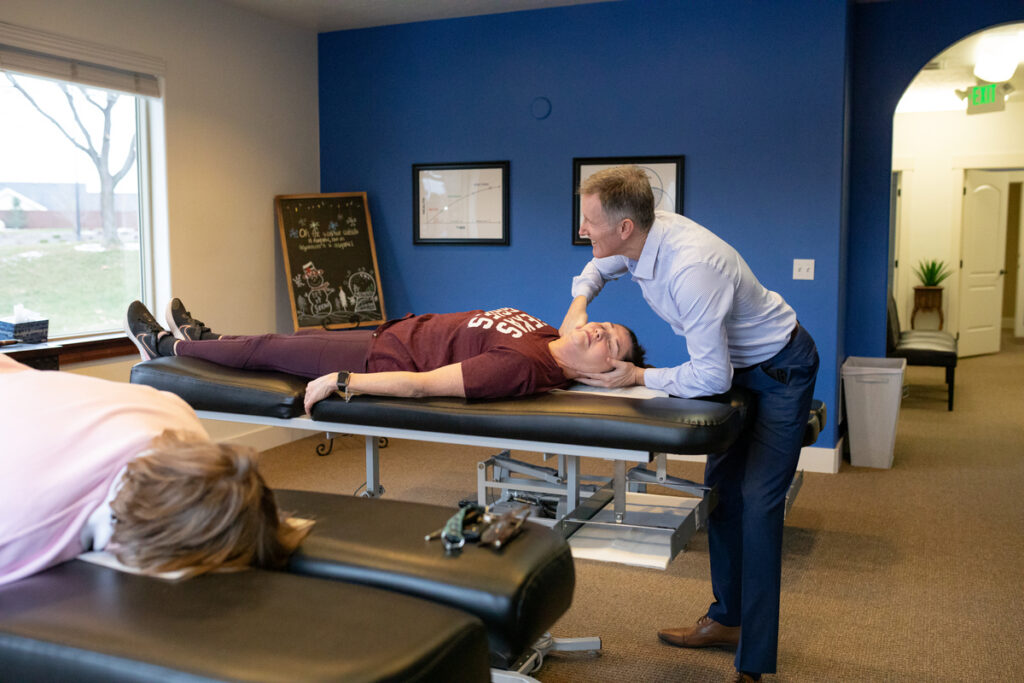

As a local chiropractor, I want to share with you just how many factors can contribute to chronic pain—some of which you may not even be consciously aware of. By participating in our quiz, you can identify your unique pain triggers and risk factors, allowing us to take a more proactive approach to your health care. Understanding these elements is not just helpful; it is crucial for improving your overall quality of life. Are you curious about the insights you might gain and how they could influence your daily activities? Let's delve deeper together and discover ways to regain control over your health through natural healing methods.
Understanding Chronic Pain
Chronic pain isn't just a temporary discomfort; it's a complicated condition that can persist for months or even years. As a chiropractor, I believe it's essential to understand this condition in order to manage it effectively and improve your quality of life.
Unlike acute pain, which often serves as a warning sign for injury or illness, chronic pain typically lacks a clear origin. It can stem from various factors such as past injuries, arthritis, fibromyalgia, or nerve damage. This uncertainty can make coping with pain frustrating, as it may feel like you're battling an invisible adversary.
Living with chronic pain can impact not only your physical health but also your emotional well-being. It's common to experience feelings of anxiety, depression, or isolation, which can further complicate your situation.
Additionally, you might notice that your pain can fluctuate; it often worsens with stress or fatigue, adding another layer of difficulty to your daily life.
As we explore options for managing chronic pain, it's important to recognize that it's more than just a symptom. A holistic approach is crucial, considering not only chiropractic adjustments but also lifestyle changes, physical therapy, and emotional support.
Open communication with your healthcare providers is vital; sharing your experiences allows us to tailor a management plan that fits your unique needs. Together, we can empower you to take charge of your health and work towards regaining control over your life.
Common Risk Factors
As your local chiropractor, I want to help you understand how various risk factors can contribute to chronic pain.
It's important to recognize that your lifestyle choices, family history, and even the environment around you can significantly affect how you feel.
By becoming aware of these factors, you can take proactive steps not only to manage your pain but also to prevent it from becoming a long-term issue.
Embracing natural healing methods, such as chiropractic care, can be an effective way to address these underlying causes and enhance your overall well-being.
Let's work together to explore how we can improve your health and quality of life!
Lifestyle Choices Impacting Pain
As a chiropractor, I want to emphasize how your lifestyle choices significantly influence your experience of pain. Factors such as your diet, exercise habits, sleep quality, and stress management not only affect your overall well-being but can also help alleviate discomfort. By making informed decisions in these areas, you can play an active role in your own healing process.
Here are four essential lifestyle choices to consider that can impact your pain levels:
- Diet: Nourishing your body with a balanced diet that includes anti-inflammatory foods—like colorful fruits, fresh vegetables, and whole grains—can be incredibly beneficial in managing pain. Conversely, steering clear of processed foods and excessive sugar can lead to noticeable improvements in how you feel.
- Exercise: Engaging in regular physical activity is crucial for maintaining strong muscles and enhancing flexibility. This can significantly reduce your risk of injury and pain. I recommend aiming for at least 150 minutes of moderate exercise each week. Remember, even simple activities like walking can make a positive difference.
- Sleep: Quality sleep is vital for your health and pain management. Lack of proper rest can heighten pain sensitivity. Establishing a consistent sleep routine and creating a calming sleep environment can help you achieve better rest, which in turn supports your body's healing processes.
- Stress Management: Chronic stress is a common contributor to muscle tension and increased pain levels. Incorporating stress-relief techniques such as mindfulness, yoga, or deep breathing exercises can help alleviate tension and improve your body's response to pain.
Genetic Predisposition to Pain
As a local chiropractor, I want to shed some light on how your genetics can play a significant role in your pain experience.
It's fascinating to see how our genetic makeup influences not only our susceptibility to certain conditions but also the intensity of pain we may feel. For instance, some genetic markers can increase your risk for chronic pain conditions such as fibromyalgia, arthritis, or migraines. If these issues run in your family, it's important to recognize that you might be at a higher risk as well.
Moreover, your body's unique genetic traits can affect how you respond to pain. Some individuals may have variations in their pain receptors or neurotransmitter systems, which can result in heightened sensitivity to pain. This means that while one person may manage a specific level of discomfort, another might find it overwhelming due to their genetic predisposition.
Understanding your genetic background can be empowering when it comes to managing pain. By being aware of your risk factors, you can collaborate with healthcare professionals, like myself, to create personalized strategies for prevention and treatment. This could involve lifestyle changes, targeted therapies, or even digging deeper into your family health history for further insights.
Remember, while your genetics can provide clues about your pain journey, they don't dictate your future.
At our chiropractic clinic, we focus on holistic, natural healing methods that can help you navigate your pain and improve your quality of life. Let's work together to find the best approach for you!
Environmental Stressors and Pain
As a local chiropractor, I want to share some insights about how both genetics and environmental stressors can influence your pain experience. Understanding these factors is essential for managing pain effectively and embracing a holistic approach to healing.
Here are four common environmental stressors you should be aware of:
- Chronic Stress: Ongoing stress from various aspects of life—whether it's work pressures, relationship challenges, or financial worries—can significantly elevate your perception of pain. It's crucial to identify ways to mitigate this stress as it can amplify discomfort.
- Poor Sleep: Quality sleep is vital for your overall health and plays a key role in pain management. Inadequate rest can lower your pain threshold, making you more sensitive to discomfort. Focusing on improving your sleep hygiene can have a positive impact on how you feel.
- Sedentary Lifestyle: Regular physical activity is essential for maintaining muscle strength and flexibility. A sedentary lifestyle can lead to muscle weakness and stiffness, which may worsen your pain. Incorporating movement into your daily routine can help alleviate these issues and support your recovery.
- Environmental Factors: The environment around you—such as exposure to pollution, extreme temperatures, or allergens—can also contribute to chronic pain conditions. Being mindful of these factors and making adjustments when possible can lead to better health outcomes.
By recognizing these environmental stressors, you can take proactive steps toward managing your pain and enhancing your overall well-being.
As your chiropractor, I'm here to support you on this journey to natural healing and improved quality of life.
Lifestyle Habits That Matter
As a local chiropractor, I want to emphasize how your daily habits can significantly impact your ability to avoid chronic pain. By incorporating regular exercise, eating a balanced diet, and ensuring you get quality sleep, you can lower your risk of experiencing persistent discomfort.
Let's take a closer look at how each of these lifestyle choices can improve your overall well-being and support your body's natural healing processes.
Regular exercise is essential for maintaining flexibility, strength, and proper alignment of your spine. It helps promote blood circulation and reduces tension in your muscles, which can alleviate pain over time.
A healthy diet rich in anti-inflammatory foods can also play a crucial role in your pain management. Proper nutrition fuels your body, supports recovery, and helps maintain a healthy weight, which is vital for minimizing strain on your joints and spine.
Lastly, prioritizing quality sleep is critical for your body's healing and recovery. A good night's rest allows your muscles to relax and repair, and it can also help reduce stress levels, which is often a contributing factor to pain.
By making these lifestyle adjustments, you can enhance your well-being and support your body in staying pain-free.
Exercise Regularly and Effectively
As a local chiropractor, I want to emphasize the importance of incorporating regular and effective exercise into your routine to help minimize the risk of chronic pain. Staying active not only strengthens your muscles and joints but also enhances your overall well-being.
Here are four essential strategies to help you maximize the benefits of your exercise routine:
- Embrace Variety: It's crucial to mix different types of exercises, such as cardiovascular workouts, strength training, and flexibility exercises. This diverse approach keeps your body engaged and helps prevent overuse injuries, which can lead to discomfort and pain.
- Set Realistic Goals: Begin with achievable fitness targets that align with your current level of activity. Gradually increasing the intensity or duration of your workouts can help you avoid burnout while keeping your motivation high. Remember, progress is a journey, not a race.
- Listen to Your Body: Your body communicates with you during and after workouts. If you feel pain or discomfort, it's important not to push through it. Instead, adjust your routine to prevent injuries. As a chiropractor, I always encourage patients to be mindful of their body's signals and to prioritize their health.
- Stay Consistent: Aim for at least 150 minutes of moderate aerobic activity each week. Consistency is vital in achieving long-term benefits and in managing or preventing chronic pain. Regular exercise can complement chiropractic care, enhancing your overall healing process.
By following these strategies, you can create a balanced exercise routine that supports your wellness journey and helps you maintain a pain-free lifestyle.
If you have any questions about how chiropractic care can assist you in your exercise routine, don't hesitate to reach out!
Maintain a Healthy Diet
As a local chiropractor, I want to share with you how important maintaining a healthy diet is for your overall wellness and pain management. While a well-rounded exercise routine is essential, the food you consume plays a crucial role in preventing chronic pain and enhancing your body's healing capabilities.
When you nourish your body with the right nutrients, you can significantly reduce inflammation, improve muscle function, and support your joints. I encourage you to fill your plate with a variety of colorful fruits and vegetables. These foods are rich in antioxidants, vitamins, and minerals that help combat inflammation and promote healing. The broader the spectrum of colors on your plate, the wider the range of nutrients you'll benefit from.
In addition to fruits and vegetables, make sure whole grains, lean proteins, and healthy fats are staples in your diet. Incorporating foods like fish, nuts, and avocados can provide essential fatty acids that are particularly beneficial for joint health.
Hydration is also key. Drinking plenty of water is vital for maintaining joint lubrication and can help prevent stiffness.
Additionally, I advise reducing your intake of processed foods, sugars, and excessive salt, as these can negatively impact how your body feels.
Prioritize Sleep Quality
As a local chiropractor, I want to emphasize that sleep is a crucial pillar of your overall health, and prioritizing its quality can play a significant role in your journey towards pain management and natural healing.
When you achieve restorative sleep, it's more than just feeling refreshed; you're actively aiding your body in recovery and minimizing the risk of chronic pain. Here are some effective strategies that I recommend to enhance your sleep quality:
- Establish a Consistent Routine: Aim to go to bed and wake up at the same time every day, including weekends. This consistency helps reinforce your body's natural sleep-wake cycle, which is essential for optimal recovery.
- Create a Conducive Sleep Environment: Your bedroom should be a sanctuary for sleep. Keep it dark, cool, and quiet to promote relaxation. Consider investing in blackout curtains and a white noise machine to reduce any potential disturbances.
- Limit Screen Exposure: It's important to reduce your screen time at least an hour before bed. The blue light from devices can disrupt the production of melatonin, the hormone that regulates sleep, making it more challenging to fall asleep naturally.
- Incorporate Relaxation Techniques: Engage in mindfulness, meditation, or gentle stretching before bedtime. These practices not only help calm your mind but also prepare your body for restorative sleep, which is vital for healing and pain relief.
By implementing these strategies, you can improve your sleep quality and, in turn, support your body's natural healing processes.
The Importance of Posture
As a local chiropractor, I want to emphasize the crucial role that good posture plays in your overall health and well-being. Many of my patients come to me seeking relief from chronic pain, and one of the most effective ways to prevent discomfort and injury is by maintaining proper alignment in your daily activities. When your posture is correct, it reduces strain on your muscles and joints, which can help you feel better and avoid unnecessary pain.
Let's talk about how you can improve your posture in various situations. When sitting—whether at your desk, in a meeting, or during meals—it's important to keep your back straight and your shoulders relaxed. Make sure your feet are flat on the ground. If you're working on a computer, position your screen at eye level to minimize neck strain. An ergonomic chair can also provide vital support for your lower back, promoting healthier posture.
If you find yourself standing for extended periods, be mindful of your weight distribution. Shift your weight from one foot to the other and keep your knees slightly bent; this approach can relieve pressure on your spine and help you feel more comfortable.
When it comes to lifting, I can't stress enough how important it's to bend at your knees instead of your waist. This technique helps distribute the weight evenly and protects your back from injury. Also, when reaching for items, avoid hunching over—crouch down instead to pick them up safely.
In addition to practicing good posture, incorporating stretches and strengthening exercises into your daily routine can significantly enhance your posture. Focus on exercises that engage your core and back muscles, as they're vital for maintaining stability and alignment.
By being aware of your posture throughout the day, you can't only reduce your risk of chronic pain but also improve your overall health and vitality. Remember, your body is designed to move and function optimally, and proper posture is a key component of that.
If you're looking for personalized guidance or assistance, don't hesitate to reach out—I'm here to help you on your journey to better health!
Stress and Pain Connection
As a local chiropractor, I want to share with you how maintaining good posture goes beyond just aligning your body; it significantly influences how stress impacts your physical well-being.
When stress levels rise, your muscles tend to tighten, which can lead to discomfort and pain, especially if you're not sitting or standing properly. By understanding the stress-pain connection, you can take proactive steps to manage both.
Here are four essential points to consider regarding the relationship between stress and pain:
1. Muscle Tension: When you're under stress, your muscles naturally contract. This tension often results in discomfort, particularly in common areas like the neck, shoulders, and back.
By focusing on proper posture and regular chiropractic adjustments, you can alleviate some of this tension.
2. Increased Sensitivity: Chronic stress can make your body more sensitive to pain. With heightened sensitivity, even minor discomfort can feel significantly more intense.
Chiropractic care can help restore balance to your nervous system, reducing this sensitivity over time.
3. Poor Sleep: Stress frequently disrupts sleep patterns, and insufficient rest can worsen pain, creating a cycle of discomfort and exhaustion.
Chiropractic adjustments can promote better sleep quality by relieving tension and improving overall body function.
4. Mental Health Link: Conditions like anxiety and depression, which are often tied to stress, can manifest as physical pain.
This creates a complex relationship between your mental and physical health. Through chiropractic care and holistic approaches, we can work together to address both aspects of your well-being.
Exercise for Pain Prevention
As a local chiropractor, I want to share some insights on how regular exercise can be a powerful tool in preventing chronic pain. Many people may not realize the profound impact that physical activity has on your overall well-being. Engaging in regular exercise strengthens your muscles, enhances flexibility, and contributes to better physical health, all of which can help reduce the risk of experiencing pain.
It's important to note that exercise doesn't have to be intense or demanding. Activities such as walking, swimming, or practicing yoga can be incredibly beneficial and don't require a significant time commitment. I recommend aiming for at least 150 minutes of moderate aerobic activity each week, paired with strength training exercises on two or more days. This combination is crucial for maintaining a healthy weight, which can alleviate pressure on your joints and help minimize pain.
If you're new to exercising or currently experiencing pain, it's wise to start gradually and consult with a healthcare professional—like myself—to develop a safe and effective exercise plan tailored to your specific needs.
Additionally, incorporating stretching into your routine is vital. Stretching improves flexibility, encourages better posture, and can prevent injuries that might lead to chronic pain. I often suggest integrating dynamic stretches before your workouts and static stretches afterward to keep your muscles healthy and elastic.
Always listen to your body. If you feel discomfort or pain during an activity, it's essential to stop and reassess what you're doing. Consistency is crucial, so I encourage you to find activities that you genuinely enjoy. Whether it's dancing, cycling, or joining group classes, staying engaged will help you maintain an active lifestyle.
By prioritizing regular exercise, you're taking proactive steps toward preventing pain and enhancing your overall health. Embrace this commitment, and you'll likely notice improvements not only in your physical condition but also in your holistic well-being.
Nutrition's Role in Health
As a local chiropractor, I want to emphasize the vital role that nutrition plays in your overall health and how it can influence your experience with pain. The foods you choose can affect inflammation, muscle function, and even your mood, all of which are important factors when it comes to managing chronic pain.
By making informed dietary choices, you can significantly help in managing and preventing discomfort. Here are four key nutritional elements I encourage you to consider:
- Embrace Anti-inflammatory Foods: It's beneficial to include plenty of fruits, vegetables, whole grains, and healthy fats in your diet, such as olive oil and avocados. These foods can help lower inflammation in your body, potentially easing your pain.
- Prioritize Hydration: Staying well-hydrated is essential for your health. Water plays a crucial role in keeping your joints lubricated and supporting your muscle function. I recommend aiming for at least eight glasses of water a day, or more if you lead an active lifestyle.
- Focus on Essential Nutrients: Ensure that you're getting adequate amounts of vital vitamins and minerals, particularly vitamin D, magnesium, and omega-3 fatty acids. These nutrients are important for maintaining healthy muscles and nerves, and they can also have a positive impact on pain relief.
- Limit Processed Foods: It's wise to reduce your intake of sugar, refined carbohydrates, and trans fats. These types of foods can increase inflammation in your body and may exacerbate pain conditions.
By incorporating these nutritional strategies into your lifestyle, you can enhance your overall well-being and support your body in healing naturally.
Sleep and Recovery Strategies
As your local chiropractor, I want to emphasize the crucial role that quality sleep plays in your body's recovery and overall health, especially for those dealing with chronic pain. When you achieve restorative sleep, your body has the opportunity to heal itself, reduce inflammation, and improve your mood.
Unfortunately, many individuals experience sleep disturbances that can worsen their pain, which is why it's important to address these issues.
To enhance your sleep quality, I recommend starting with a consistent sleep schedule. Try to go to bed and wake up at the same time every day, even on weekends. This practice helps regulate your body's internal clock, making it easier to fall asleep and wake up feeling refreshed.
Creating a calming bedtime routine can also significantly improve your sleep. Engage in relaxing activities, such as reading or enjoying a warm bath, to signal to your body that it's time to unwind.
Additionally, make your sleep environment as comfortable as possible by keeping your bedroom cool, dark, and quiet. If you find noise or light distracting, consider using earplugs or an eye mask.
Be mindful of what you consume as well. Avoid heavy meals, caffeine, and alcohol close to bedtime, as these can interfere with your ability to fall asleep. Incorporating light physical activity during the day can also enhance your sleep quality, but be cautious not to exercise too close to bedtime, as that can have the opposite effect.
If you find that pain is keeping you awake, please don't hesitate to reach out to me or another healthcare professional. We can work together to develop effective pain management strategies that prioritize your sleep and overall well-being.
Taking the Quiz
As your local chiropractor, I'm here to help you navigate the journey of managing chronic pain through natural healing methods. One effective step you can take is to participate in a quiz designed to assess your body's needs and identify areas for improvement.
These quizzes evaluate your current habits, lifestyle, and pain triggers, offering insights that can guide you towards effective strategies for prevention and management.
Here's what you can expect when you engage with a chronic pain quiz:
- Personalized Feedback: You'll receive customized insights based on your answers, helping you gain a deeper understanding of your unique pain profile.
- Identification of Triggers: The quiz will help you identify specific activities or habits that may be contributing to your discomfort. This knowledge empowers you to make informed changes in your daily life.
- Actionable Recommendations: After completing the quiz, you'll likely receive practical tips and strategies tailored to your situation, aimed at alleviating your pain and enhancing your overall well-being.
- Baseline Evaluation: Completing the quiz establishes a baseline for your condition, allowing you to track your progress over time. This makes it easier to recognize improvements or setbacks in your pain management journey.
Taking the quiz is a quick process that typically only takes a few minutes.
Remember, it's not just about assessing your current situation; it's about empowering you to take charge of your health and pain management.
Conclusion
As your local chiropractor, I want to help you understand how recognizing your individual pain triggers and risk factors is a crucial first step in preventing chronic pain. It's important to know that small adjustments in your lifestyle—like improving your posture, managing stress effectively, and nourishing your body with the right foods—can significantly enhance your overall well-being.
Additionally, don't overlook the importance of incorporating regular exercise and effective recovery strategies into your routine. These practices are vital in maintaining a healthy body and preventing discomfort.
To further assist you on this journey, I encourage you to take our quiz. It will provide you with personalized insights and empower you to make informed decisions about your health. Together, we can work towards achieving a pain-free and vibrant life!