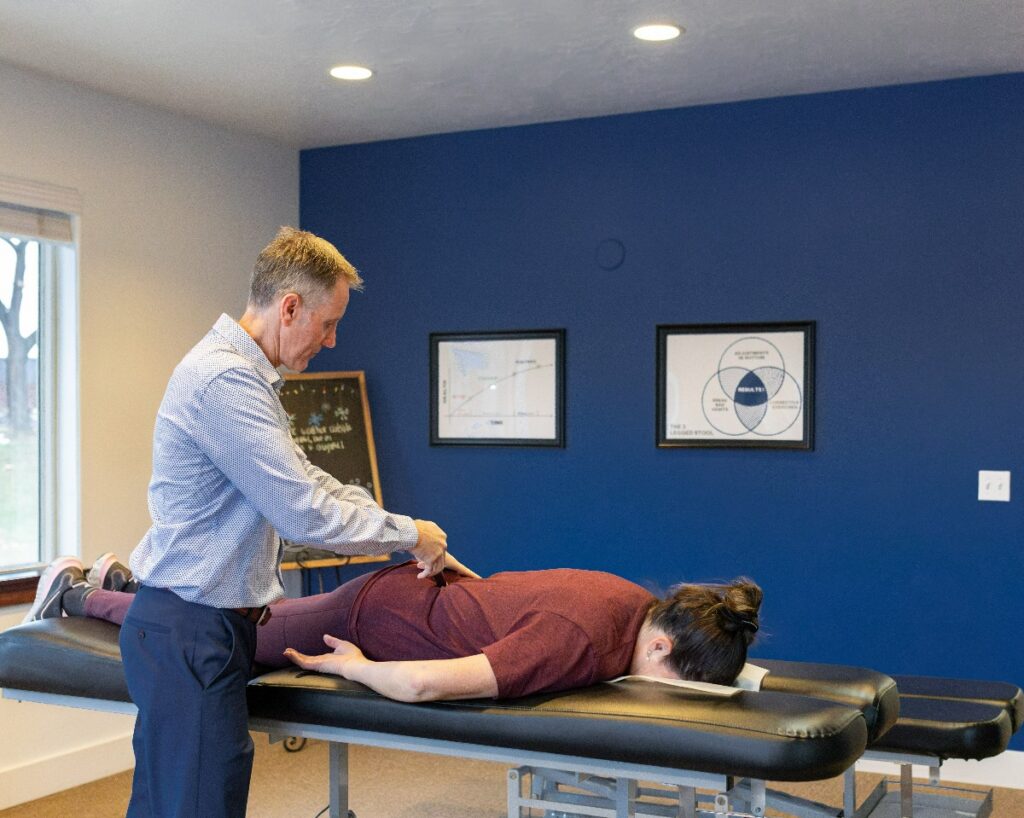

As a local chiropractor, I want to emphasize the critical role that your posture plays in your overall back health. Many people may not realize that poor alignment can put excessive strain on your spine and the muscles surrounding it, leading to discomfort and pain. By understanding the significance of maintaining proper posture, you can make straightforward adjustments in your daily life that could significantly enhance your well-being. If you’re interested in learning more about how you can improve your posture and the specific benefits it can bring to your back health, I’m here to help guide you on this journey toward natural healing.
Understanding the Anatomy of the Spine
As your local chiropractor, I want to help you understand the critical role your spine plays in your overall health and well-being. Your spine is made up of 33 vertebrae, organized into different sections: cervical, thoracic, lumbar, sacral, and coccygeal. Each of these sections is essential for supporting your body’s weight and enabling movement.
The intervertebral discs between the vertebrae act as shock absorbers, providing necessary flexibility and cushioning.
The natural curves of your spine—cervical lordosis, thoracic kyphosis, and lumbar lordosis—are vital for maintaining balance and proper alignment. When these curves are disrupted, it can lead to poor posture, which affects how you sit, stand, and move throughout your day.
By understanding your spine’s anatomy, you can appreciate the importance of maintaining a healthy spine. This knowledge can empower you to improve your posture, which is crucial for your overall health.
The Impact of Poor Posture on Back Pain
As a local chiropractor, I want to take a moment to discuss how poor posture can significantly affect your back health and overall well-being. Many people may not realize that everyday habits, such as slouching or hunching over, can place additional strain on your spine, leading to discomfort and various issues.
Here are some common consequences of poor posture that I often see in my practice:
- Increased Muscle Tension: When your body isn’t properly aligned, it can create tightness in your muscles, resulting in pain and stiffness that can be quite bothersome.
- Reduced Flexibility: Poor posture restricts your body’s natural alignment, which can limit your range of motion and make it challenging to move freely.
- Nerve Compression: Misalignments in your spine can lead to pinched nerves, causing sensations of pain or tingling that can radiate to other areas of your body.
- Fatigue: Maintaining an improper posture requires more effort from your muscles, which can lead to quicker fatigue and a feeling of exhaustion during daily activities.
Understanding the impact of posture on your back health is the first step toward finding relief.
As a chiropractor, I’m here to help guide you on a path to better alignment and natural healing. Together, we can work on strategies to improve your posture and alleviate discomfort.
How Good Posture Supports Spinal Alignment
As a local chiropractor, I want to emphasize how crucial good posture is for maintaining proper spinal alignment.
When you stand or sit with correct posture, you help support the natural curves of your spine, which is essential for overall health. It allows your body to distribute weight evenly and engage your muscles in a way that minimizes strain.
By practicing good posture, you not only reduce the risk of discomfort and injury but also promote better back health in the long run.
Embracing these habits can significantly enhance your overall well-being and complement the benefits of chiropractic care.
Spinal Curvature Importance
As a local chiropractor, I want to emphasize the importance of maintaining proper spinal curvature for your overall health. Many people may not realize how crucial a well-aligned spine is, but it plays a significant role in preventing back pain and promoting overall well-being.
Here’s how focusing on good posture can support your spine:
- Improved Mobility: When your spine is properly aligned, you’ll experience better movement and flexibility in your daily activities. This can make a huge difference in how you feel and function.
- Reduced Muscle Strain: A healthy spinal curvature reduces the stress placed on your muscles and ligaments, allowing them to work more efficiently. This can help you avoid unnecessary aches and pains.
- Enhanced Nerve Function: Your spine houses important nerves that transmit signals throughout your body. Maintaining good alignment protects these nerves, ensuring they function optimally and support your body’s overall health.
- Increased Comfort: By adopting a supportive posture, you can significantly reduce discomfort during your daily activities. This comfort can enhance your quality of life and help you engage more fully in the things you love.
I encourage you to pay attention to your posture and consider how chiropractic care can assist you in achieving and maintaining a healthy spine.
Together, we can work towards improving your overall health and well-being through natural healing methods.
Weight Distribution Balance
As a local chiropractor, I want to emphasize the importance of achieving balance in weight distribution for your spinal health and overall posture.
When you stand or sit, it’s crucial that your body evenly distributes weight across your feet or sit bones. This balance plays a vital role in maintaining the natural curves of your spine, which helps to reduce strain on your muscles and ligaments.
If your weight shifts too far forward or backward, it can lead to misalignment, resulting in discomfort or pain. By focusing on keeping your weight centered, you can encourage a healthier posture.
Simple adjustments, such as standing tall with your shoulders back or sitting with your feet flat on the floor, can significantly enhance this balance.
Remember, good weight distribution is key to fostering spinal health and can greatly alleviate back pain.
If you have any questions or would like to learn more about how chiropractic care can support your journey to better posture and pain relief, feel free to reach out. Your health is our priority!
Muscle Engagement Dynamics
As your local chiropractor, I want to emphasize that balancing your weight is just the first step toward supporting your spinal health. One of the key components in this process is muscle engagement, which plays a crucial role in maintaining proper alignment of your spine.
By engaging your core and back muscles, you create a strong foundation that helps keep your spine in its optimal position. Let me share some of the benefits that come with muscle engagement:
- Improves Posture: When your muscles are strong and engaged, they provide the necessary support for your spine, helping to reduce slouching and promote better posture throughout your daily activities.
- Reduces Strain: Engaged muscles help distribute your body weight evenly, which minimizes the pressure on your back and reduces the risk of discomfort or injury.
- Enhances Stability: A strong core is essential for stability during movement. By engaging these muscles, you can protect yourself from potential injuries, especially when participating in physical activities.
- Promotes Flexibility: Well-engaged muscles contribute to better mobility, allowing you to move more freely and comfortably, which is vital for your overall movement and daily functioning.
Understanding the importance of muscle engagement can greatly enhance your spinal health and overall well-being.
As your chiropractor, I’m here to guide you on how to strengthen these muscles and support your body naturally.
The Role of Muscle Strain in Back Discomfort
As a local chiropractor, I want to help you understand how muscle strain can significantly contribute to back discomfort, especially if you’re unfamiliar with chiropractic care and natural healing.
When you lift heavy objects or sit for extended periods, your muscles can become overworked, leading to fatigue and tightness in your back. You mightn’t even realize it, but using improper lifting techniques or maintaining poor sitting posture can worsen this strain, resulting in stiffness and pain.
When muscles are engaged incorrectly, they struggle to support your spine properly, which can increase the risk of injury.
It’s important to recognize that even minor activities can add to this strain, particularly if your core muscles aren’t strong enough to manage the load effectively.
To help alleviate your discomfort, I encourage you to be mindful of how you use your muscles throughout the day.
Strengthening your back and core muscles can help distribute weight more evenly, which reduces strain and prevents pain.
By adopting better movement habits and being conscious of your posture, you can minimize the negative impact of muscle strain on your back health.
If you’re experiencing persistent discomfort, consider visiting a chiropractor who can offer tailored advice and treatment options to support your recovery and overall well-being.
Recognizing Postural Habits That Contribute to Pain
As your local chiropractor, I want to help you understand how your everyday habits and postures can significantly impact your back health.
Many people are unaware of how common postural issues, such as slouching or hunching over their devices, can lead to discomfort and pain over time.
It’s essential to take a closer look at how your workspace setup and daily routines play a role in your overall well-being.
Common Poor Postures
As a local chiropractor, I often see how poor posture can sneak into our daily routines, leading to discomfort and pain that many may not even realize is connected to their habits.
It’s important to recognize that certain postural behaviors can significantly contribute to back issues. Here are some common poor postures I encourage you to be mindful of:
- Slouching while sitting, particularly at your desk or during meals, can put unnecessary strain on your spine.
- Leaning forward too much while using your phone or computer can lead to neck and upper back tension.
- Crossing your legs while sitting can misalign your pelvis, which may result in discomfort over time.
- Standing with your weight shifted onto one leg can create imbalance and strain in your lower back.
The first step toward a healthier spine is recognizing these habits.
By being aware of your posture throughout the day, you can make simple adjustments that can help alleviate pain and support your overall well-being.
Remember, even small changes can lead to significant relief.
If you’re looking for personalized guidance, consider visiting a chiropractor who can help you develop better postural habits for a healthier lifestyle!
Daily Habits Impact
As a local chiropractor, I want to emphasize the importance of recognizing how your daily habits can significantly impact your posture and overall spinal health. Many people are unaware that the way they sit, stand, and move throughout the day can contribute to back pain.
For instance, slouching while watching TV or hunching over your smartphone can lead to muscle strain and discomfort over time. It’s crucial to be mindful of your body’s alignment while walking. Maintaining a relaxed stance with your shoulders back can greatly support your spine.
If you find yourself frequently carrying heavy bags on one shoulder, consider switching sides or opting for a backpack to evenly distribute the weight.
Moreover, taking frequent breaks to stretch and reset your posture is vital, particularly if you spend long hours sitting. Simple adjustments—like standing up, stretching, or changing your sitting position—can make a significant difference in preventing chronic back pain.
Ergonomics and Workspaces
As a local chiropractor, I want to shed light on how our daily habits can significantly impact our posture and overall well-being in the workplace.
Many of us unknowingly carry our habits from home into our work environments, and if we aren’t paying attention, these can lead to discomfort and even chronic back pain.
Here are some common postural habits that you may want to be aware of:
- Slouching in your chair instead of maintaining an upright posture can strain your spine over time.
- Leaning forward or craning your neck to see your screen can create tension in your neck and shoulders, leading to discomfort.
- Keeping your feet tucked under your chair rather than resting flat on the floor can disrupt your balance and alignment.
- Using a keyboard that’s positioned too high or too low forces your wrists into awkward positions, which can lead to repetitive strain injuries.
By recognizing and correcting these habits, you can help prevent pain and support your body’s natural healing processes.
Practical Tips for Maintaining Proper Posture
As a chiropractor, I often see patients struggling with posture issues, which can lead to discomfort and long-term health problems. However, maintaining proper posture doesn’t have to be complicated. By incorporating a few straightforward strategies into your daily life, you can greatly enhance your alignment and overall well-being.
Start by being conscious of how your body is positioned throughout the day. When sitting, ensure your feet are flat on the floor, your back is straight, and your shoulders are relaxed. It’s important to choose a chair that provides lumbar support to help maintain the natural curve of your lower back, as slouching can cause unnecessary strain.
When you’re standing, focus on distributing your weight evenly across both feet and keeping your knees slightly bent. Engaging your core muscles is crucial for supporting your spine, so make a habit of activating them throughout the day.
If you find yourself working at a desk for extended periods, remember to take regular breaks to stretch and readjust your posture to prevent stiffness.
Additionally, pay attention to your posture when using devices like your phone or computer. Try to keep these devices at eye level to avoid straining your neck.
Lastly, practice proper lifting techniques by using your legs rather than your back to lift heavy objects.
These minor adjustments in your daily routine can lead to significant improvements in your comfort and health. If you’re looking for personalized guidance on how to enhance your posture or address any discomfort, feel free to reach out. I’m here to help you on your journey to better health through natural healing.
Exercises to Strengthen Postural Muscles
As a chiropractor dedicated to helping you achieve optimal health and well-being, I want to share the importance of strengthening your postural muscles to improve your posture and alleviate back pain.
Many people are unaware of how crucial these exercises are for supporting the spine. Allow me to guide you through some effective movements that can be easily incorporated into your routine:
- Plank: This exercise is fantastic for strengthening your core, which plays a vital role in stabilizing your spine and enhancing your overall posture.
- Wall Angels: By standing against a wall and moving your arms up and down, you can improve shoulder mobility and strength, which are essential for maintaining proper alignment.
- Bird-Dog: In a tabletop position, extend one arm while simultaneously extending the opposite leg. This exercise encourages balance and develops core stability, both of which are critical for good posture.
- Bridges: Lying on your back with your knees bent, lift your hips to engage and strengthen your lower back and glutes, which are key players in maintaining a healthy posture.
Incorporating these exercises into your weekly routine, even just a few times, can lead to significant improvements in your posture and a reduction in back pain.
Conclusion
As a local chiropractor, I want to emphasize the crucial role that posture plays in alleviating back pain. Many people may not realize how much their posture affects their overall health, particularly the spine. When we have poor posture, it can lead to misalignments in our spine and increased strain on our muscles, which can result in discomfort and pain.
Understanding the anatomy of your spine is essential in recognizing how your posture impacts your body. By making a conscious effort to improve your alignment, you can significantly reduce the strain on your back. I encourage you to incorporate practical tips into your daily routine and focus on strengthening your postural muscles. This not only enhances your comfort but also promotes better movement and overall well-being.
Start making small adjustments today, and you could be on your way to a healthier, pain-free back tomorrow. If you have any questions about how to improve your posture or how chiropractic care can support you, don’t hesitate to reach out. Together, we can work towards a pain-free life!