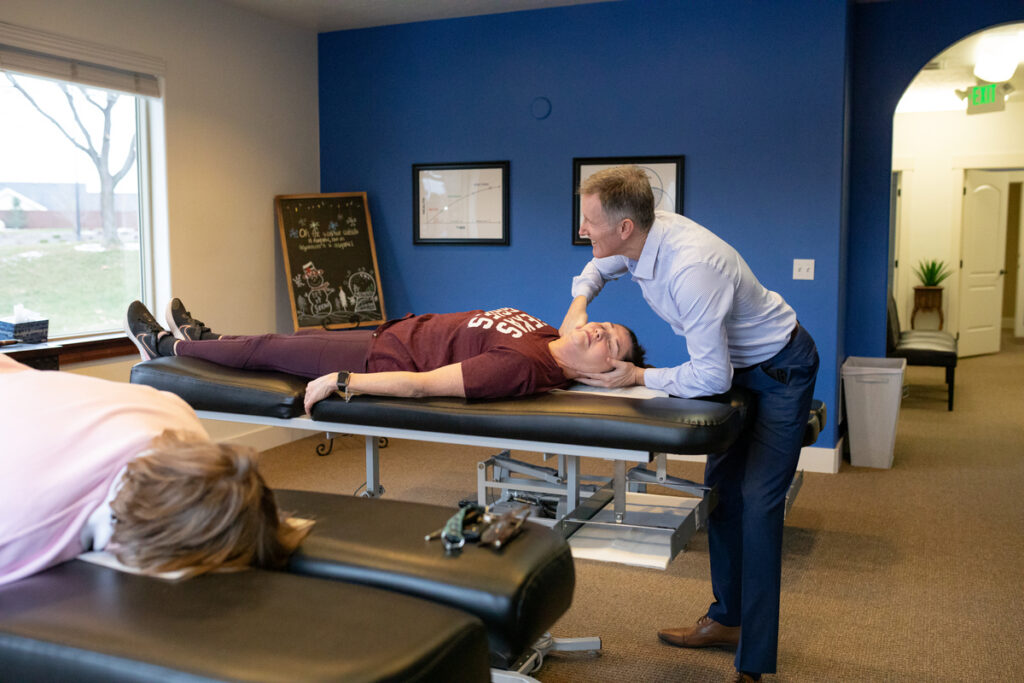

Chronic low back pain can be incredibly frustrating, but there are effective workouts that can help ease your discomfort and promote healing. As a chiropractor, I want to emphasize that incorporating gentle aerobic activity, core-strengthening exercises, and targeted stretches into your routine can be a natural way to restore function and reduce pain.
Understanding how to balance these elements is essential for your recovery. Here are some simple tips to create a routine that addresses your specific needs:
- Gentle Aerobic Activity: Start with low-impact exercises like walking, swimming, or cycling. These activities increase blood flow to your muscles and help reduce stiffness without putting too much strain on your back.
- Core Strengthening: A strong core supports your spine and can significantly help alleviate back pain. Incorporate exercises like pelvic tilts, bridges, and modified planks. These can be done at home and don’t require special equipment.
- Targeted Stretches: Stretching can improve flexibility and reduce tension in your back. Focus on gentle stretches for your hamstrings, hip flexors, and lower back. Always listen to your body and don’t push into pain.
- Posture Awareness: Pay attention to your posture throughout the day. Whether you’re sitting at a desk or lifting objects, maintaining proper alignment can prevent further injury and support your spine.
- Regular Chiropractic Care: Visiting your chiropractor regularly can help keep your spine aligned and functioning optimally. Chiropractic adjustments can relieve pressure on your nerves and improve your overall well-being.
Remember, every individual is different, so it’s important to find a routine that works best for you. Always consult with your chiropractor before starting any new exercise program, especially if you’re dealing with chronic pain. Embracing these natural methods can lead to a healthier, pain-free life!
Key Takeaways
- Engage in low-impact aerobic activities such as walking or swimming for at least 150 minutes each week. These activities not only promote overall spinal health but also help keep your body active, which is essential for managing chronic low back pain naturally.
- Incorporate core-strengthening exercises into your routine 2–3 times a week. Simple moves like planks, bridges, and bird-dogs are fantastic for supporting your spine and can significantly reduce discomfort. A strong core plays a vital role in maintaining proper alignment and reducing strain on your back.
- Take frequent breaks throughout the day to perform gentle stretches like Cat-Cow, Child’s Pose, and Knee-to-Chest. These stretches can help alleviate tension in your back and improve flexibility, making it easier to stay active and comfortable.
- Pay attention to your posture during daily activities. Whether you’re sitting at a desk, lifting groceries, or even standing in line, maintaining proper posture can significantly decrease stress on your lower back and prevent painful flare-ups. It’s all about keeping your spine aligned and supported.
- Consider combining chiropractic care with your exercise routine for a holistic approach to managing chronic low back pain. Regular chiropractic adjustments can help align your spine, improve mobility, and enhance the effectiveness of your workouts, leading to a healthier, pain-free life.
Remember, embracing these tips not only supports your back but also contributes to your overall wellness. Chiropractic care is a natural and effective way to achieve optimal health, so don’t hesitate to reach out for guidance and support on your healing journey!
Understanding Chronic Low Back Pain
When dealing with chronic low back pain, it can feel like a heavy burden, especially when it lingers for weeks or even months. This isn’t just a passing discomfort; it’s a persistent issue that can significantly impact your daily activities. Understanding what causes this pain is essential for finding relief and improving your quality of life. Often, chronic low back pain arises from factors like poor posture, muscle strain, or injuries that haven’t fully healed.
You may notice that certain movements or activities trigger or worsen your pain, making it difficult to enjoy the things you love. Additionally, stress and emotional well-being play a crucial role in how we perceive pain. Recognizing these aspects can empower you to make positive changes and seek the right support.
Chiropractic care is an excellent option for addressing chronic low back pain naturally. A chiropractor can help identify the underlying issues contributing to your discomfort and develop a personalized treatment plan that includes spinal adjustments, exercises, and lifestyle advice tailored to your needs. Emphasizing proper posture and body mechanics can go a long way in preventing future pain.
Here are some simple tips to help manage your chronic low back pain:
- Practice Good Posture: Be mindful of your posture when sitting, standing, or lifting. Keeping your spine aligned can help reduce strain on your back.
- Stay Active: Engage in low-impact activities like walking or swimming to strengthen your back muscles without putting too much stress on your spine.
- Incorporate Stretching: Gentle stretching can improve flexibility and relieve tension in your back. Consider incorporating specific stretches recommended by your chiropractor.
- Manage Stress: Stress management techniques such as meditation, deep breathing, or yoga can help reduce muscle tension and enhance your overall well-being.
- Consult a Chiropractor: Regular chiropractic visits can provide ongoing support, helping to address the root causes of your pain and promote healing.
Importance of Core Strengthening
Strengthening your core is vital for relieving and preventing low back pain, and as a chiropractor, I can’t emphasize enough how crucial this is for maintaining a healthy spine. A strong core not only supports your spine but also improves your posture and enhances overall stability, which can significantly reduce discomfort and promote a healthier lifestyle.
Incorporating core-strengthening exercises into your routine can be a game changer for your back health. Here are some effective exercises you can try:
- Planks: Start in a push-up position, keeping your body in a straight line from head to heels. Hold this position for 20-30 seconds, gradually increasing the time as you get stronger.
- Bridges: Lie on your back with your knees bent. Lift your hips towards the ceiling, squeezing your glutes at the top. Hold for a few seconds before lowering back down.
- Bird-Dogs: Start on your hands and knees. Extend one arm forward and the opposite leg back, keeping your core tight. Hold for a moment, then switch sides.
- Side Planks: Lie on your side and lift your body, balancing on one elbow and the side of your foot. This targets the obliques and helps with overall core stability.
Remember, the goal isn’t just to build strength but to ensure your spine remains well-supported and aligned. Incorporating these exercises can complement the benefits of chiropractic care, which focuses on spinal health and natural healing.
Additionally, maintaining good posture throughout your day, staying active, and being mindful of your body mechanics while lifting can enhance your core strength and overall well-being. If you’re experiencing persistent low back pain, I encourage you to seek chiropractic care. A chiropractor can provide personalized strategies to strengthen your core, relieve pain, and support your journey toward optimal health naturally.
Your spine will thank you!
Benefits of Core Strength
A strong core isn’t just about looking good; it’s essential for maintaining a healthy spine and reducing the risk of low back pain. When your core muscles are strong, they provide stability to your entire body, which helps lessen the strain on your back during everyday movements. This stability not only improves your balance and posture but also makes daily tasks like lifting and bending much easier and safer.
As a chiropractor, I see firsthand how core strength can enhance your overall wellness and athletic performance. By focusing on developing your core, you can engage in various physical activities without discomfort, which is key to enjoying a more active lifestyle.
Here are some simple tips to help you strengthen your core:
- Practice Good Posture: Whether you’re sitting at a desk or standing, keeping your spine aligned will engage your core muscles and protect your back.
- Incorporate Core Exercises: Simple exercises like planks, bridges, and bird-dogs can help strengthen your core without the need for fancy equipment. Aim to include these in your routine a few times a week.
- Mind Your Movements: When lifting objects, bend at the knees and keep the weight close to your body. This technique reduces strain on your back and engages your core.
- Stay Active: Regular physical activity, such as walking, cycling, or swimming, helps keep your core muscles engaged and supports overall spinal health.
By prioritizing core strength through these simple practices and embracing chiropractic care, you’re taking a significant step toward preventing injuries and achieving optimal health. Remember, a healthy spine leads to a healthier life, free from the discomfort of low back pain.
If you have any questions or need personalized guidance, don’t hesitate to reach out for chiropractic care.
Core Exercises to Try
Building core strength is essential for maintaining a healthy spine and overall well-being. As a local chiropractor, I emphasize the importance of incorporating targeted core exercises into your routine to enhance stability and support your body naturally.
Start with planks, which are fantastic for engaging multiple muscle groups and improving core endurance. They not only help strengthen your core but also promote better spinal alignment. To increase the challenge, add side planks, which specifically target your oblique muscles and further enhance your stability.
Bridges are another excellent exercise that strengthens your lower back and glutes. They’re simple yet effective and can be easily integrated into your routine. Don’t overlook bird-dogs, either; this exercise promotes coordination while stabilizing the spine, making it a great addition to your core workout.
Aim to incorporate these exercises two to three times a week for optimal results. Remember, maintaining proper form is crucial to avoid any injury, so always listen to your body. As you gradually progress with these exercises, you may notice increased strength, improved posture, and reduced low back pain, making daily activities easier and more enjoyable.
In addition to these exercises, consider visiting your chiropractor regularly. Chiropractic care can help address any underlying issues and support your journey toward optimal health. By focusing on natural healing and wellness, we can work together to ensure your spine remains healthy and your body functions at its best.
Stretching for Flexibility
Stretching is a vital practice for maintaining flexibility and alleviating low back pain, both of which are important for your overall health. As a chiropractor, I believe that incorporating effective stretching techniques into your daily routine can significantly enhance your mobility and support your spine health.
By doing so, you can experience natural relief and a greater sense of well-being.
Here are some key stretches that can truly make a difference in how you feel:
- Cat-Cow Stretch: This gentle flow between two positions helps to warm up your spine and increase flexibility. Start on your hands and knees, arch your back while inhaling (the “cow”), and then round your back while exhaling (the “cat”). Repeat this for a minute to release tension in your lower back.
- Child’s Pose: This restorative stretch is excellent for calming your mind and soothing your back. Kneel on the floor, sit back on your heels, and stretch your arms forward, resting your forehead on the ground. Hold this position for a few deep breaths to feel a gentle stretch along your spine.
- Seated Forward Bend: Sit with your legs extended in front of you. As you inhale, reach your arms up, and as you exhale, hinge at your hips to reach towards your toes. This stretch not only targets your hamstrings but also promotes spinal flexibility.
- Hip Flexor Stretch: Since tight hips can contribute to lower back pain, stretching your hip flexors is key. Kneel on one knee and push your hips forward gently while keeping your back straight. You should feel a stretch at the front of your hip. Hold for 20-30 seconds and switch sides.
In addition to these stretches, remember to maintain good posture throughout your day and take breaks to move around if you sit for long periods.
Regular chiropractic adjustments can also help keep your spine aligned and prevent stiffness, providing you with a holistic approach to your health and wellness.
By prioritizing stretching and chiropractic care, you’re taking proactive steps towards a healthier, pain-free life. Always listen to your body, and if you have any concerns, feel free to reach out to your chiropractor for personalized advice.
Your journey to optimal health starts with simple, natural practices that empower you to feel your best!
Importance of Stretching
Incorporating stretching into your routine can greatly enhance your flexibility and help alleviate low back pain. As a chiropractor, I often see how regular stretching increases blood flow to your muscles, which can reduce stiffness and improve your overall mobility.
This added flexibility allows your body to move more freely, making everyday activities easier and putting less strain on your lower back.
By focusing on tight muscles through stretching, you can help prevent imbalances that often lead to discomfort and pain. Remember, a flexible body is a resilient body! Additionally, stretching promotes relaxation, which can be incredibly beneficial for managing stress—another factor that contributes to muscle tension.
Just dedicating a few minutes each day to stretching can lead to significant improvements in how you feel. Here are a few tips to help you get started:
- Start Slow: If you’re new to stretching, ease into it. Consistency is key, so aim for short sessions daily rather than long ones sporadically.
- Target Major Muscle Groups: Focus on areas that tend to be tight, such as your hamstrings, hip flexors, and lower back. These stretches can have a big impact on your overall comfort.
- Breathe Deeply: Pair your stretches with deep breathing. This not only enhances relaxation but also increases oxygen flow to your muscles.
- Listen to Your Body: Stretching should never be painful. If you feel any discomfort, ease off and adjust your position.
- Incorporate into Your Day: Look for opportunities to stretch—whether it’s during breaks at work, while watching TV, or after a workout.
By making stretching a regular part of your routine, you’re taking a proactive step toward better spinal health and overall wellness. Remember, chiropractic care is here to support you on your journey to optimal health, helping to ensure that your body can move freely and without pain.
Your back will thank you for it!
Effective Stretching Techniques
Many people underestimate the incredible benefits of effective stretching techniques, which can significantly enhance flexibility and alleviate low back pain. By integrating these stretches into your daily routine, you can achieve noticeable relief and improved mobility.
As a chiropractor, I encourage you to consider these four effective stretching techniques that can complement your chiropractic care:
- Cat-Cow Stretch: This gentle movement, performed on all fours, helps to alternate between arching and rounding your back. It’s great for increasing spinal flexibility and can be a wonderful addition to your morning routine to wake up your spine.
- Child’s Pose: By sitting back on your heels and extending your arms forward on the floor, you can create a calming stretch for your lower back. This pose not only relaxes your back but also promotes a sense of overall well-being.
- Knee-to-Chest Stretch: Lying on your back, gently pull one knee toward your chest and hold it there. This simple stretch helps to release tension in your lower back and can be easily done at any time of the day to promote comfort.
- Piriformis Stretch: Cross one leg over the other and gently pull your knee toward your opposite shoulder. This stretch targets the hip and lower back, helping to alleviate tightness and improve flexibility.
Incorporating these stretches into your routine can significantly enhance the benefits of your chiropractic care. Remember, regular stretching not only improves your flexibility but also supports your overall health and wellness.
Pair these practices with your chiropractic sessions for optimal results, and always listen to your body—if something doesn’t feel right, consult with your chiropractor. Together, we can work towards your health goals in a natural, effective way!
Low-Impact Aerobic Exercises
Low-impact aerobic exercises can play a pivotal role in managing low back pain, and as your chiropractor, I’m here to explain how they can support your journey to optimal health.
Activities like walking, swimming, and cycling enhance blood flow and promote healing without putting unnecessary strain on your spine. There’s no need to engage in high-intensity workouts; instead, focus on maintaining a steady, comfortable pace.
Incorporating low-impact aerobics into your routine can significantly improve your overall fitness, which is crucial for maintaining a healthy spine. I recommend aiming for at least 150 minutes of moderate aerobic activity each week, broken down into manageable sessions that fit your schedule. It’s essential to listen to your body; if something doesn’t feel right, don’t hesitate to modify your routine to ensure your comfort and safety.
These exercises not only assist in alleviating pain but also enhance your mood and energy levels, contributing to a healthier lifestyle. So, whether you lace up your sneakers for a brisk walk, find a local pool for some refreshing swimming, or hop on a bike, you’ll be taking important steps towards better health.
Remember, while low-impact aerobic exercises are beneficial, they work best in conjunction with regular chiropractic care. By addressing any underlying spinal issues through gentle adjustments, we can further support your body’s natural healing processes. If you’re looking for a holistic approach to pain relief and wellness, chiropractic care is the best choice for you.
Let’s work together to achieve your health goals!
Strengthening Exercises for the Back
Strengthening your back is vital for preventing pain and enhancing overall stability. As a chiropractor, I believe incorporating targeted exercises into your daily routine can significantly contribute to building the strength necessary to support your spine effectively.
Here are four simple exercises to consider that can promote a healthier back and complement your chiropractic care:
- Bird-Dog: Begin on all fours, extending one arm forward while reaching back with the opposite leg. Hold this position for a few seconds, then switch sides. This exercise not only improves stability but also enhances coordination, which is key to maintaining a strong back.
- Plank: Position yourself on your forearms and toes, ensuring your body forms a straight line from head to heels. Aim to hold this posture for 20-30 seconds. This is excellent for strengthening your core and back muscles, providing essential support to your spine.
- Superman: Lie face down on the floor, extending your arms in front of you and legs behind. Lift your arms and legs off the ground simultaneously, holding for a few seconds before lowering them back down. This exercise engages your back muscles and promotes better posture.
- Bridges: Lie on your back with your knees bent and feet flat on the ground. Lift your hips off the floor while squeezing your glutes, then lower back down. This movement targets your lower back and helps improve hip stability, which is essential for overall spinal health.
Incorporating these exercises into your regular routine can significantly enhance your back strength and support your overall wellness. Remember, chiropractic care is an excellent way to address back pain naturally while providing guidance on proper exercise techniques.
For optimal health, consider scheduling regular chiropractic visits to keep your spine aligned and functioning at its best. Your journey to a stronger back starts here!
Yoga Poses for Back Relief
Practicing yoga can be a wonderful complement to chiropractic care, offering relief from back pain and enhancing flexibility. Certain poses specifically target the muscles that support your spine, helping to alleviate discomfort and improve overall spinal health.
Start with Child’s Pose, a gentle stretch for your back and hips that can help ease tension. Following this, Cat-Cow is an excellent flow that warms up your spine and enhances mobility. These movements can be beneficial alongside regular chiropractic adjustments, as they work to keep your spine healthy and flexible.
Downward-Facing Dog is another fantastic option; it strengthens your back while stretching the hamstrings, promoting better posture. Additionally, Pigeon Pose can help release tension in your hips, which may contribute to back pain.
Don’t overlook the Seated Forward Bend, which effectively stretches your lower back and hamstrings, further supporting your chiropractic care routine. As you practice these poses, focus on your breath; it can guide your movements and enhance your experience.
Consistency is crucial—dedicating just a few minutes daily to these poses can lead to improved comfort and flexibility. Always listen to your body and don’t hesitate to modify poses as needed to avoid strain. Remember, while yoga is beneficial, regular chiropractic adjustments are key to achieving optimal health and maintaining a pain-free lifestyle. By combining these practices, you can support your spine and overall wellness naturally.
Creating a Balanced Routine
When creating a balanced routine to manage low back pain, it’s vital to incorporate a blend of flexibility, strength, and mobility exercises. This holistic approach not only enhances your overall fitness but also specifically targets areas that may contribute to discomfort, helping you achieve optimal health naturally. As a chiropractor, I encourage you to consider these four key components:
- Flexibility Exercises: Begin with gentle stretches, such as hamstring and hip flexor stretches. These movements can improve your range of motion and reduce tension in your back, promoting better spinal health. Regular stretching can help keep your muscles relaxed and prevent stiffness.
- Strength Training: Focus on core-strengthening exercises like planks and bridges. A strong core supports your spine, alleviating strain and enhancing your posture. By building strength in your abdominal and back muscles, you can help prevent future pain and discomfort.
- Mobility Work: Incorporate dynamic movements such as cat-cow stretches into your routine. These exercises promote spinal mobility and help reduce stiffness, allowing your back to move freely. Improved mobility can lead to better overall function and comfort in daily activities.
- Low-Impact Cardio: Engage in activities like walking or swimming, which elevate your heart rate without putting excessive stress on your back. These exercises not only improve your cardiovascular health but also contribute to overall wellness and pain relief.
Remember, chiropractic care plays a crucial role in supporting your journey towards a pain-free lifestyle. Regular chiropractic adjustments can help align your spine, improve your body’s function, and promote natural healing.
Conclusion
Incorporating a mix of gentle aerobic activities, core-strengthening exercises, and mobility-focused stretches can significantly help relieve chronic low back pain. As your local chiropractor, I emphasize the importance of a holistic approach to health that prioritizes natural healing. By engaging in low-impact cardio, you can improve blood flow and promote healing within your body. Additionally, targeting your core with specific exercises helps stabilize your spine, which is essential for reducing pain and preventing future issues.
Regularly practicing stretching routines not only enhances your flexibility but also supports spinal health. It’s vital to listen to your body; avoid any movements that trigger sharp pain. With a balanced approach that includes chiropractic care, you can effectively manage your pain and improve your overall function. Chiropractic adjustments can also enhance your mobility and alignment, making daily activities much more enjoyable.
Here are some general tips to keep in mind:
- Stay Active: Aim for gentle activities like walking or swimming to keep your body moving without putting too much strain on your back.
- Strengthen Your Core: Incorporate exercises like planks or pelvic tilts to build core strength, which supports your spine.
- Stretch Regularly: Make stretching a part of your daily routine to maintain flexibility and reduce tension in your back muscles.
- Consult Your Chiropractor: Regular visits to your chiropractor can help keep your spine aligned, reducing pain and enhancing overall function.
By focusing on these strategies and embracing chiropractic care, you can achieve optimal health and well-being while naturally alleviating your low back pain.