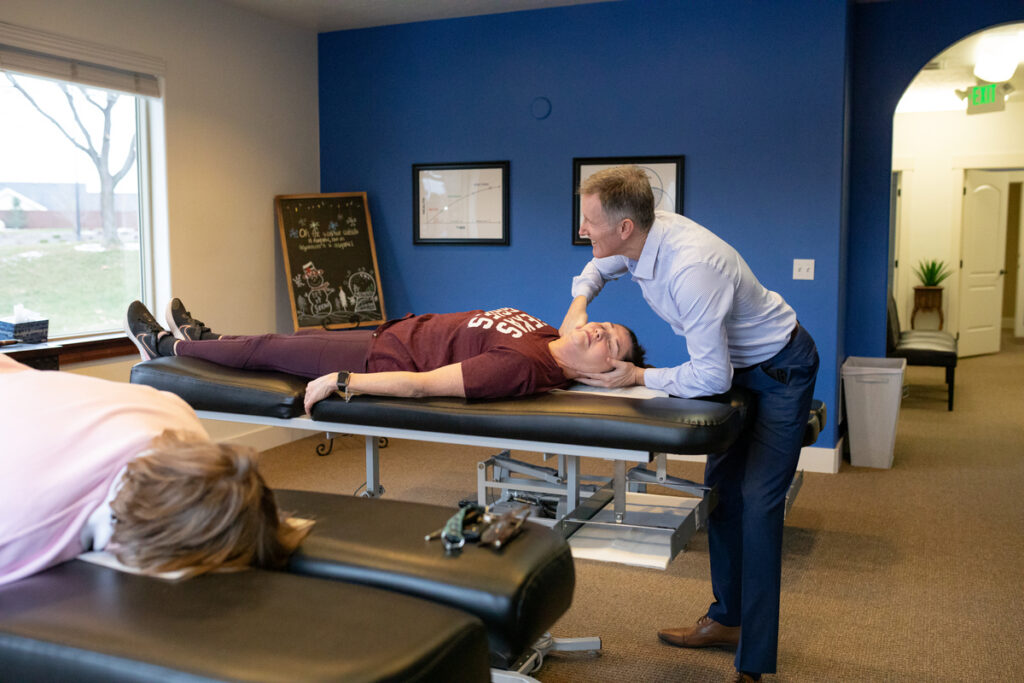

If you’re dealing with low back pain, remember that you’re not alone in this struggle. Many individuals are turning to natural remedies to ease their discomfort and encourage healing. One of the most effective and holistic approaches you can take is chiropractic care. By focusing on spinal health, chiropractic adjustments can help alleviate pain and restore function, allowing your body to heal naturally.
In addition to chiropractic care, incorporating gentle movement and targeted self-care into your routine can significantly enhance your recovery. Simple exercises that promote flexibility and strength can help support your spine and improve your overall well-being. Here are some practical strategies to consider:
- Stay Active: Engage in low-impact activities such as walking or swimming. Gentle movement keeps your muscles strong and helps maintain spinal health.
- Practice Good Posture: Pay attention to your posture throughout the day, whether sitting, standing, or lifting. Good posture can prevent strain on your back.
- Utilize Heat and Cold Therapy: Applying heat can help relax tight muscles, while cold therapy can reduce inflammation. Use these methods to complement your chiropractic treatments.
- Focus on Core Strength: Strengthening your core muscles can provide better support for your spine. Consider exercises like planks or pelvic tilts as part of your routine.
- Stay Hydrated: Drinking plenty of water can help maintain the health of your discs and overall spinal function.
- Chiropractic Adjustments: Regular visits to your chiropractor can help align your spine, reduce pain, and improve your body’s ability to heal itself.
By adopting these lifestyle changes and prioritizing chiropractic care, you can not only find relief from low back pain but also promote long-term wellness. Remember, the journey to optimal health involves a holistic approach, and your chiropractor is here to support you every step of the way.
Key Takeaways
Incorporating gentle stretches such as Cat-Cow and Child’s Pose into your daily routine can greatly relieve tension and enhance your spinal flexibility. These movements not only help your body feel better but also complement the benefits of chiropractic care, which focuses on aligning your spine to promote overall wellness.
Essential oils like lavender and peppermint can provide calming effects and temporary pain relief. Consider using them during a massage or while soaking in a warm bath. This natural approach works hand-in-hand with chiropractic treatments, creating a holistic method to manage discomfort.
Applying heat therapy is another effective way to relax tight muscles and boost blood flow to the area. Conversely, cold therapy can help reduce inflammation and numb the pain. These methods are excellent additions to your chiropractic care routine, helping to support your recovery and wellness journey.
Maintaining proper posture while sitting and standing is crucial for supporting spinal alignment and preventing strain on your lower back. Good posture not only enhances your comfort but also maximizes the effectiveness of your chiropractic adjustments.
Staying active with low-impact exercises is vital for spinal health. Combine this with regular chiropractic visits to address any underlying issues and promote an overall sense of well-being. Remember, chiropractic care is your best choice for natural pain relief and achieving optimal health. By following these tips and integrating them into your lifestyle, you’ll be taking significant steps towards a healthier, pain-free life.
Understanding Low Back Pain
Understanding low back pain is crucial, as it impacts countless individuals at various points in their lives. Common causes include poor posture, muscle strain, and injuries. It’s important to recognize that low back pain can arise from both physical and emotional sources—stress and anxiety can contribute to muscle tightness, which may worsen your discomfort.
Pain can manifest in two main forms: acute, which lasts a few days, and chronic, which persists for months. Understanding the type of pain you’re experiencing can guide your journey to relief.
Furthermore, being mindful of your body mechanics during daily activities is key in preventing additional strain. For instance, lifting with your legs rather than your back can make a significant difference.
Chiropractic care offers a natural, effective approach to managing low back pain. Through spinal adjustments, we can help restore proper alignment, alleviate discomfort, and promote healing. Staying active is also vital; gentle movements and stretching can strengthen your back and enhance flexibility.
Here are some simple tips to help you manage low back pain:
- Maintain Good Posture: Be aware of your posture while sitting, standing, or lifting. Keeping your back straight and shoulders back can reduce strain.
- Stretch Regularly: Incorporate gentle stretches into your routine to keep your muscles flexible and reduce tension.
- Stay Active: Engage in low-impact activities like walking or swimming to keep your back muscles strong without overexerting them.
- Use Proper Lifting Techniques: Always bend at the knees, keep the object close to your body, and lift with your legs.
- Consider Chiropractic Care: Regular visits to a chiropractor can help ensure your spine remains aligned, which is essential for overall health and well-being.
Herbal Treatments for Pain Relief
Discover the power of herbal treatments for pain relief, especially when it comes to easing low back pain. While chiropractic care remains one of the best ways to achieve optimal health and relieve discomfort, incorporating natural remedies can complement your journey to wellness.
Herbs like turmeric can be incredibly beneficial due to their natural anti-inflammatory properties, helping to reduce pain and promote healing. Another great ally in your wellness toolkit is ginger, which can enhance circulation and alleviate discomfort.
Consider adding willow bark to your routine; it contains salicin, a compound similar to what you find in aspirin, and is known for its pain-relieving effects. Devil’s claw is another herb worth exploring, often used to tackle back pain and inflammation.
You can enjoy these herbs in various forms, such as teas, capsules, or tinctures. However, always remember to discuss any new treatments with your chiropractor, who can guide you on the best approach for your individual needs.
While herbal remedies can be effective, they work best when combined with chiropractic care, regular exercise, and maintaining proper posture. These holistic practices can lead to a healthier, pain-free life.
Embrace the journey of natural healing and make chiropractic care your first choice for pain relief and overall wellness!
Essential Oils for Soothing Discomfort
When it comes to easing low back pain, chiropractic care is one of the best options for achieving natural relief and promoting overall wellness. As a chiropractor, I believe in the healing power of the body and the importance of spinal health for optimal function. While incorporating essential oils can complement your wellness routine, it’s crucial to focus on the underlying causes of discomfort.
For soothing discomfort, consider the calming effects of lavender oil. While it can help reduce tension and promote relaxation, remember that addressing spinal alignment through chiropractic adjustments can significantly improve your body’s ability to heal and feel better. Peppermint oil may provide a cooling sensation that temporarily alleviates pain and inflammation, but a chiropractor can help you identify the root causes of your pain and develop a personalized treatment plan.
If you’re looking for ways to enhance your wellness routine, consider diluting a few drops of essential oil in a carrier oil, like coconut or olive oil, and gently massaging it into your lower back. This can be a soothing addition to regular chiropractic care. Alternatively, adding a few drops of essential oil to a warm bath can help you unwind after your chiropractic sessions.
Eucalyptus oil is another option that may invigorate your senses while providing a sense of relief. However, don’t forget that regular chiropractic adjustments can improve circulation and promote healing in your body.
As always, it’s essential to listen to your body. If you’re trying essential oils for the first time, perform a patch test to ensure you’re not allergic. But remember, nothing replaces the expertise of a chiropractor who can guide you toward optimal health and wellness. By focusing on spinal health and regular adjustments, you can achieve lasting results and enjoy a healthier, pain-free life.
Gentle Stretches to Alleviate Tension
Gentle stretches can work wonders for easing tension in your lower back, and as a chiropractor, I can assure you that incorporating these movements into your daily routine can greatly enhance your overall well-being.
The Cat-Cow stretch, Child’s Pose, and Seated Forward Bend are particularly effective in promoting flexibility and relaxation while supporting spinal health. Let’s explore how each of these stretches can benefit you and contribute to your journey toward natural healing.
Cat-Cow Stretch: This dynamic movement helps to mobilize your spine and release tension in your lower back. Start on all fours, aligning your wrists under your shoulders and your knees under your hips.
As you inhale, arch your back and lift your head (Cow position), and as you exhale, round your spine and tuck your chin (Cat position). Repeat this flow for a few minutes to enhance flexibility and relieve stiffness.
Child’s Pose: This restorative pose is excellent for calming the nervous system and stretching the lower back. Kneel on the floor, sit back on your heels, and reach your arms forward as you lower your torso toward the ground.
Hold this position for several breaths, feeling the gentle stretch in your spine. It’s a fantastic way to release built-up tension and create space in your lower back.
Seated Forward Bend: This stretch targets the hamstrings and lower back, promoting relaxation and flexibility. Sit with your legs extended in front of you, and gently lean forward, reaching for your toes.
Keep your spine long and breathe deeply as you hold the position. This not only helps to stretch your back but also encourages a mindful moment in your day.
Incorporating these stretches into your routine can be a simple yet powerful way to support your spine and overall health. Remember, maintaining spinal health is vital for optimal functioning and pain relief.
If you ever experience persistent discomfort, consider seeking chiropractic care. A chiropractor can provide personalized guidance, addressing the root causes of your tension and helping you achieve lasting wellness without the need for medications or surgeries.
Embrace these gentle stretches as part of your journey to a healthier, pain-free life!
Cat-Cow Stretch Benefits
The Cat-Cow stretch is a fantastic addition to your wellness routine, especially if you’re looking to alleviate lower back tension naturally. This gentle flow between two poses not only helps to relieve discomfort but also enhances flexibility and promotes a strong core—key components of spinal health. By practicing this stretch regularly, you may notice a decrease in stiffness and an increase in mobility within your spine.
| Benefits | Description |
|---|---|
| Relieves tension | Helps ease tightness in the lower back muscles |
| Increases flexibility | Boosts the range of motion in your spine |
| Strengthens core | Engages your abdominal muscles for better support |
| Improves posture | Encourages proper spinal alignment |
Incorporating the Cat-Cow stretch into your daily routine can significantly enhance your back health and overall well-being. Remember, while stretching is beneficial, it’s also important to consider regular chiropractic care to support your spine’s health. A chiropractor can help ensure your spine is aligned, which can further enhance the effectiveness of your stretches and promote natural healing.
For those looking to boost their wellness, here are a few simple tips:
- Start with gentle movements and listen to your body.
- Pair your stretching routine with deep, calming breaths to maximize relaxation.
- Consider scheduling regular chiropractic visits to maintain optimal spinal health and address any underlying issues.
Child’s Pose Technique
Often underestimated, Child’s Pose is an excellent technique to release tension in your back and promote relaxation—key components of optimal spinal health. To practice this pose, begin by kneeling on the floor with your big toes touching and sitting back on your heels. Gently lower your torso forward, extending your arms out in front of you or resting them by your sides. As you take deep breaths, concentrate on lengthening your spine and relaxing your shoulders. This mindful breathing helps not only to ease tightness in your lower back but also to foster a sense of calm.
Holding this position for several breaths allows the gentle stretch to alleviate discomfort, making it a simple yet powerful addition to your wellness routine. If comfortable, widening your knees can enhance the stretch, providing further relief. Remember, integrating poses like Child’s Pose into your daily practice supports the natural alignment and health of your spine.
While this technique can significantly aid in relaxation and tension relief, it’s important to remember that regular chiropractic care is the most effective way to maintain a healthy spine and overall well-being. A chiropractor can provide personalized care to address your unique needs, helping you achieve long-term relief and improved health. Prioritize your wellness by exploring the benefits of chiropractic care alongside practices like Child’s Pose for a holistic approach to a pain-free life.
Seated Forward Bend
Incorporating the Seated Forward Bend into your daily routine can significantly improve your flexibility and help alleviate tension in your lower back.
This gentle stretch not only promotes relaxation but also helps to lengthen your spine, which can be particularly beneficial for those experiencing discomfort.
Regular practice of this stretch can enhance your overall spinal health, supporting the natural alignment that chiropractic care aims to achieve.
To perform the Seated Forward Bend effectively:
- Sit on the floor with your legs extended straight in front of you.
- Inhale deeply, reaching your arms overhead to open up your chest.
- As you exhale, hinge at your hips and gently fold forward, reaching for your feet or shins, depending on your flexibility.
- Keep your spine long and your shoulders relaxed. Aim to hold the stretch for several breaths, listening to your body and never pushing past your limits.
Remember, while stretches like the Seated Forward Bend can provide relief, they work best in conjunction with regular chiropractic care.
A chiropractor can help ensure your spine is properly aligned, which makes it easier for you to enjoy the benefits of such stretches without discomfort.
Additionally, consider these general tips for maintaining a healthy spine:
- Stay active: Regular movement helps keep your spine flexible and strong.
- Practice good posture: Whether sitting or standing, maintaining proper alignment can prevent unnecessary strain on your back.
- Listen to your body: If something doesn’t feel right, don’t hesitate to consult your chiropractor for personalized advice.
The Role of Heat and Cold Therapy
When it comes to alleviating low back pain, incorporating heat and cold therapy can be a fantastic way to find relief alongside chiropractic care. Heat therapy is excellent for relaxing tight muscles and enhancing blood flow to the affected area. For a soothing experience, you can use a heating pad, a hot water bottle, or enjoy a warm bath for about 15-20 minutes. Just ensure that the heat is comfortable and not too intense to avoid burns.
Conversely, cold therapy is effective in reducing inflammation and numbing sharp pain. You can apply an ice pack or a bag of frozen vegetables wrapped in a towel for 15-20 minutes. Alternating between heat and cold therapy can provide the best results, especially if your pain levels vary throughout the day.
Always pay attention to your body; if one method seems to provide more comfort than the other, go with that! Remember, while these therapies can be beneficial, the most effective way to address low back pain is through regular chiropractic care. Chiropractors focus on spinal health and can help identify any underlying issues contributing to your pain.
In addition to heat and cold therapy, consider incorporating gentle stretches, maintaining good posture, and staying active to support your spine and overall wellness. If your pain continues or worsens, it’s important to consult your chiropractor for personalized care and guidance. Embracing a holistic approach to health can lead you to a pain-free, healthier lifestyle!
Lifestyle Adjustments for Prevention
To prevent low back pain, it’s essential to pay attention to your daily habits. One of the most effective ways to support your spine is by maintaining proper posture throughout your day. Whether you’re sitting at a desk, lifting objects, or even standing, being mindful of your body alignment can significantly impact how your back feels.
In addition to posture, incorporating a regular exercise routine tailored to strengthen your core and back muscles can provide tremendous benefits. Activities like walking, stretching, and gentle yoga can enhance flexibility and support spinal health without putting undue stress on your body.
Making these lifestyle adjustments is a proactive approach to setting yourself up for a healthier future. And remember, chiropractic care plays a vital role in your journey to wellness. Regular chiropractic adjustments can help align your spine, relieve tension, and improve your overall function.
If you’re experiencing discomfort or just want to maintain your health, consider visiting a chiropractor. They can provide personalized guidance and support, ensuring your spine stays healthy and pain-free.
Prioritizing your spinal health today can lead to a more vibrant and active life tomorrow.
Proper Posture Practices
Maintaining proper posture is crucial for preventing low back pain and promoting overall wellness. As a chiropractor, I want to share some simple yet effective practices that can help you achieve and maintain good posture throughout your daily activities, ultimately supporting your spinal health and enhancing your quality of life.
- Sit with your back straight: When sitting, focus on keeping your back straight and your feet flat on the floor. Your knees should be at a right angle, which helps to support your lower back. Consider using a small cushion or lumbar roll to provide extra support for your spine.
- Stand tall: Practice standing with your weight evenly distributed on both feet. Engage your core muscles for added stability. This alignment not only helps your spine but also promotes better circulation and reduces fatigue.
- Adjust your workspace: If you spend a lot of time at a desk, it’s important to set up your workspace ergonomically. Ensure that your computer screen is at eye level to prevent slouching and straining your neck. Keep your chair and desk at the right height to maintain a comfortable position.
Incorporating these posture practices into your daily routine can significantly reduce discomfort and support your body’s natural healing processes.
Regular Exercise Routine
Good posture is essential for a healthy lifestyle, but it’s just one part of the bigger picture. To support your spine and enhance your overall well-being, incorporating a regular exercise routine is crucial. Aim for a balanced mix of strength training, stretching, and aerobic activities. Core-strengthening exercises are particularly important, as a strong core helps to support your spine and reduce strain on your back.
Consider activities like yoga and Pilates, which not only improve flexibility and balance but also promote relaxation and mindfulness—benefits that align well with chiropractic care. Even simple activities such as walking or swimming can significantly contribute to your spinal health and overall wellness.
Always pay attention to what your body is telling you; if you notice discomfort or anything feels off, it’s important to modify your routine. This is where regular chiropractic check-ups can be invaluable. Your chiropractor can help assess your posture and movement, ensuring your body is aligned and functioning optimally.
Consistency is vital. Set aside time each week for your workouts, and you’ll find that not only can you relieve discomfort, but you can also prevent it from returning. Remember, chiropractic care is here to support your journey to a healthier, pain-free life. Embrace these tips, and you’ll be on your way to achieving optimal health naturally!
Mindfulness and Relaxation Techniques
Managing low back pain can be challenging, but incorporating mindfulness and relaxation techniques can significantly enhance your overall well-being and complement the benefits of chiropractic care.
By focusing on the present moment and reducing stress, you can alleviate discomfort and support your healing journey.
Here are a few effective techniques you can try alongside your chiropractic treatments:
- Deep Breathing: Take a few moments each day to practice deep, slow breaths. This simple exercise helps calm your mind and relax your muscles, promoting a sense of peace that can enhance your chiropractic adjustments.
- Meditation: Dedicate a few minutes daily to meditation. This practice can help clear your thoughts, reduce tension in your back, and allow you to connect with your body, which is essential for healing.
- Progressive Muscle Relaxation: Start at your toes and work your way up, tensing and then relaxing each muscle group. This technique not only helps relieve tightness but also promotes relaxation, making it a great addition to your pain management routine.
By integrating these mindfulness practices into your daily life, you can take control of your pain and improve your quality of life.
Dietary Changes to Support Back Health
Incorporating mindfulness techniques into your daily routine is a fantastic way to start prioritizing your back health. Alongside this practice, making dietary changes can significantly enhance your well-being. Focus on including anti-inflammatory foods in your meals. Leafy greens, berries, and fatty fish are excellent choices that help reduce inflammation and ease discomfort in your back. Staying hydrated is equally important; make sure to drink plenty of water each day to keep your spinal discs healthy and flexible.
It’s also wise to reduce your intake of processed foods, refined sugars, and trans fats, which can increase inflammation and discomfort. Instead, try to fill your plate with whole grains, nuts, and legumes. These nutrient-rich foods support your body and can help you feel better overall. Don’t overlook the importance of calcium and vitamin D, which are crucial for bone health. You can find these nutrients in dairy products or fortified alternatives.
Remember, maintaining a balanced diet not only supports your back but also enhances your overall wellness. By making these dietary adjustments, you lay a strong foundation for a healthier back and a more comfortable life.
As a chiropractor, I encourage you to explore how chiropractic care can further complement these lifestyle changes. Regular chiropractic adjustments can help align your spine, improve mobility, and alleviate pain naturally. Together with mindful eating and hydration, chiropractic care can be a powerful ally in your journey toward optimal health and wellness.
When to Seek Professional Help
Knowing when to seek professional help for low back pain is essential for your recovery, and as a local chiropractor, I’m here to guide you on this journey toward optimal health.
Many cases of low back pain can be managed at home with gentle stretches and proper posture, but there are specific signs that indicate it’s time to consult a chiropractor. Keep an eye out for the following:
- Persistent pain lasting more than a few weeks
- Pain that’s accompanied by numbness, tingling, or weakness in your legs
- Difficulty standing or walking due to pain
If you notice any of these symptoms, it’s important to seek a professional assessment from a chiropractor.
We specialize in identifying the root cause of your pain and can provide tailored treatments that promote natural healing and wellness. Chiropractic care focuses on aligning your spine and enhancing your body’s innate ability to heal itself.
In addition to seeking professional help, here are some general tips you can incorporate into your daily routine for better spinal health:
- Maintain Good Posture: Pay attention to your sitting and standing posture. Keeping your spine aligned reduces strain and discomfort.
- Stay Active: Engage in regular physical activity, like walking or gentle stretching, to keep your back muscles strong and flexible.
- Use Proper Lifting Techniques: When lifting heavy objects, bend your knees and keep your back straight to avoid unnecessary strain on your lower back.
- Incorporate Rest: Allow your body time to recover. If you feel pain, take breaks and avoid activities that worsen your discomfort.
- Stay Hydrated: Drinking plenty of water helps maintain the elasticity of your spinal discs and overall health.
Remember, early intervention through chiropractic care can prevent complications and enhance your chances for a quicker recovery.
Don’t ignore the signals your body is sending; the right help at the right time can lead to better outcomes and help you return to your daily activities sooner.
Embrace a healthier lifestyle with chiropractic care as a cornerstone of your wellness journey!
Conclusion
Incorporating these natural remedies into your daily routine can significantly relieve low back pain and enhance your overall well-being. As a chiropractor, I believe that gentle movement, heat or cold therapy, and mindful lifestyle adjustments can work wonders not just for alleviating discomfort but also for strengthening your back in the long run.
Consider incorporating gentle stretching and low-impact exercises, like walking or yoga, to keep your spine healthy. Heat therapy, such as a warm towel or heating pad, can soothe tight muscles, while cold therapy can help reduce inflammation. Additionally, paying attention to your posture during everyday activities can make a big difference in how your back feels.
Listening to your body is key—if something doesn’t feel right, it’s important to adjust your practices accordingly. Remember, chiropractic care is designed to address the root cause of pain and promote natural healing. If your pain persists or worsens, don’t hesitate to seek a consultation with a chiropractor who can provide tailored advice and support, ensuring you achieve optimal health and wellness through natural means. Take these steps towards a healthier spine and a more comfortable life!