
If you’re living with chronic low back pain, you understand just how much it can affect your daily life. Finding the right exercises can be a game changer in enhancing your comfort and mobility. By incorporating a blend of stretching, strengthening, and low-impact activities, you can provide the support your spine needs to thrive.
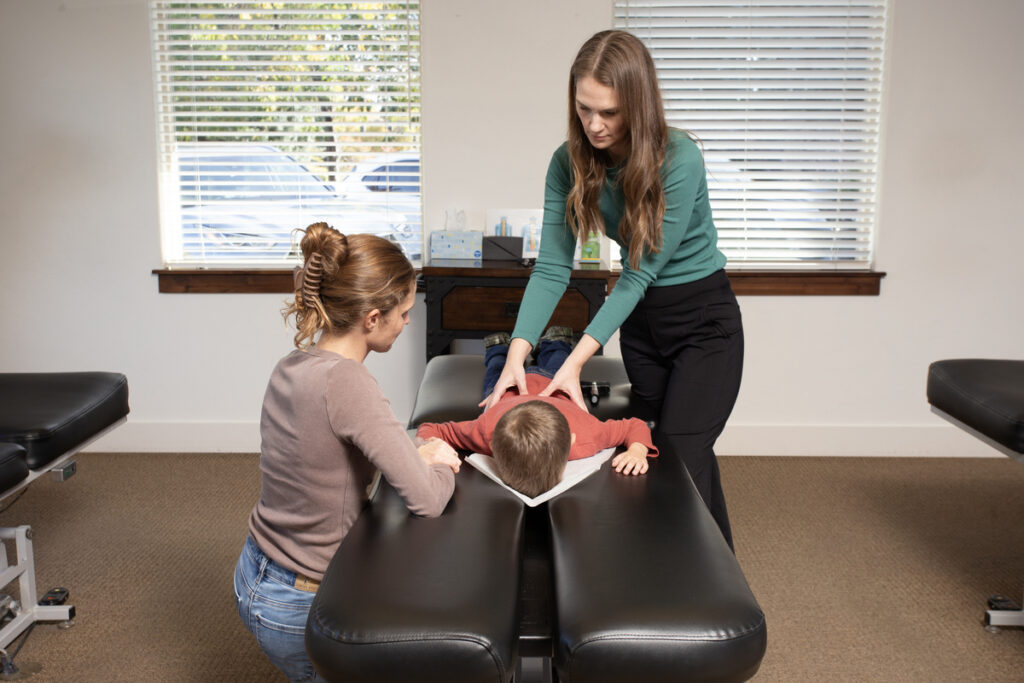
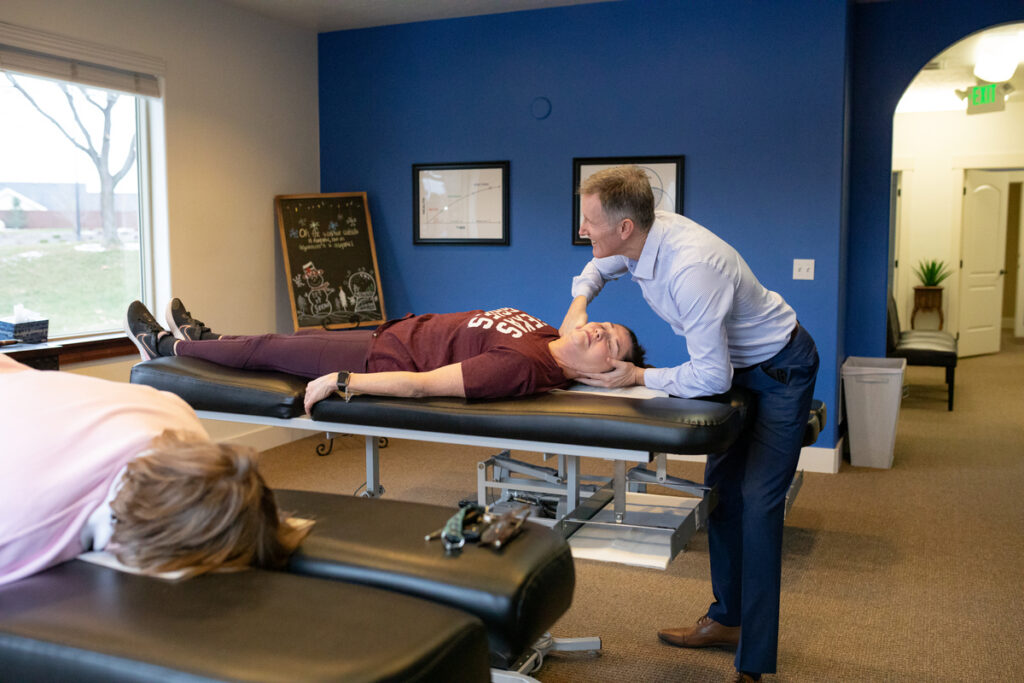
As a chiropractor, I want to emphasize that chiropractic care is a holistic approach to achieving optimal health and alleviating pain. Regular adjustments not only help align your spine but also promote natural healing and improve your overall well-being. However, exercise plays a vital role in your recovery journey as well.
So, what specific exercises should you focus on? Here are some effective options to consider:
- Gentle Stretching: Incorporating stretches like the cat-cow stretch or child’s pose can help relieve tension and improve flexibility in your lower back.
- Core Strengthening: Exercises that strengthen your core, such as pelvic tilts and bridges, can provide crucial support to your spine, reducing strain and discomfort.
- Low-Impact Activities: Engaging in activities like walking, swimming, or cycling can enhance your endurance and promote circulation without putting too much stress on your back.
- Stability Exercises: Balancing exercises, like standing on one leg or using a stability ball, can improve your overall stability and help prevent future injuries.
Remember, the key to managing chronic low back pain is consistency. Make these exercises a regular part of your routine, and always listen to your body. If you ever feel pain during any of these movements, it’s best to stop and consult with your chiropractor for personalized advice.
Additionally, consider incorporating chiropractic adjustments into your wellness plan. Regular visits can not only help with pain relief but also enhance your body’s ability to heal naturally. As you embark on this journey toward better health, keep in mind that your spine’s alignment is crucial for overall wellness.
By focusing on natural methods and maintaining an active lifestyle, you can take significant steps toward alleviating your low back pain and enjoying a healthier, more fulfilling life.
Key Takeaways
As a local chiropractor committed to your health and wellness, I want to share some effective exercises that can help alleviate chronic low back pain. These movements not only support your spine but also foster a healthier lifestyle. Here are some simple yet powerful exercises you can incorporate into your routine:
- Core Strengthening: Engage in exercises like pelvic tilts and bridges. These movements are excellent for building core strength, which supports your spine and reduces strain on your back muscles.
- Flexibility Exercises: Incorporate stretches like the Cat-Cow stretch and Knee-to-Chest stretch. These stretches are great for relieving tension in the lower back and enhancing flexibility, which is essential for overall spinal health.
- Yoga Poses: Consider practicing yoga poses such as Child’s Pose and Downward-Facing Dog. These poses not only enhance spinal mobility but also promote relaxation, helping to ease discomfort and stress.
- Foam Rolling: Using a foam roller on tight muscle groups can be incredibly beneficial. It promotes relaxation and improves muscle recovery, helping to alleviate pain and discomfort in the back.
- Chiropractic Care: I highly recommend consulting with a chiropractor. Regular adjustments and personalized exercise plans can significantly contribute to your spinal health and overall wellness. Chiropractic care is a natural and effective approach to pain relief, focusing on the root causes rather than just the symptoms.
By incorporating these exercises and prioritizing chiropractic care, you can take meaningful steps toward relieving chronic low back pain and achieving optimal health. Remember, your journey to wellness is a partnership, and I’m here to help you every step of the way!
Understanding Chronic Low Back Pain
Chronic low back pain can feel like a persistent shadow, affecting not just your body but also your daily life and emotional well-being. It often creeps in during routine activities, making even the simplest tasks feel daunting. This type of pain typically lasts more than three months and can stem from various causes, including injuries, poor posture, or underlying health conditions. It can be frustrating as it limits your mobility and disrupts your sleep, leaving you feeling drained.
Understanding the nature of your pain is vital. You may experience it as sharp, dull, or throbbing, with varying intensity. Emotional factors such as stress and anxiety often intertwine with physical symptoms, creating a cycle that’s tough to break. By recognizing these patterns, you can take proactive steps to manage your pain.
One of the best ways to address chronic low back pain is through chiropractic care. Chiropractors specialize in spinal health and can help correct misalignments that may be contributing to your discomfort. Regular adjustments can improve your spinal function, reduce inflammation, and enhance your overall well-being.
In addition to chiropractic adjustments, here are some general tips to help you manage your chronic low back pain:
- Maintain Good Posture: Whether sitting or standing, keeping your spine aligned can prevent added strain on your back. Consider ergonomic furniture to support your posture.
- Stay Active: Gentle exercises, such as walking or stretching, can strengthen your back and core muscles. A strong core provides better support for your spine.
- Practice Mindfulness: Stress can exacerbate pain, so techniques like deep breathing or meditation can help reduce anxiety and promote relaxation.
- Apply Heat or Cold: Using a heating pad or ice pack can provide temporary relief. Heat can help relax tight muscles, while cold can reduce inflammation.
- Stay Hydrated: Drinking plenty of water is essential for overall health, including the health of your spinal discs.
Importance of Exercise for Back Pain Relief
Exercise is essential for relieving back pain, and as your local chiropractor, I want to emphasize how it can enhance your flexibility and strength. Incorporating regular physical activity into your routine not only improves your mobility but also equips you with effective pain management techniques.
One of the best ways to support your back health is through gentle exercises that focus on stretching and strengthening key muscle groups. Simple activities like walking, swimming, or yoga can be incredibly beneficial. These exercises promote blood circulation, reduce stiffness, and help maintain a healthy spine.
Moreover, chiropractic care plays a crucial role in supporting your exercise efforts. By addressing any underlying spinal misalignments and ensuring your body is functioning optimally, chiropractic adjustments can enhance the benefits of your physical activity, allowing you to move with greater ease and confidence.
Remember, it’s important to listen to your body. Start slowly and gradually increase the intensity of your exercises. Always prioritize proper form to prevent injury, and consider consulting with your chiropractor for personalized exercise recommendations that align with your specific needs.
Enhances Flexibility and Strength
Engaging in regular physical activity is crucial for enhancing your flexibility and strength, which are vital for alleviating low back pain. As your local chiropractor, I want to emphasize how important it’s to incorporate stretching and strengthening exercises into your daily routine. These activities help maintain a healthy range of motion in your spine and the surrounding muscles, which is essential for overall wellness.
Increased flexibility reduces stiffness, allowing you to move more freely throughout your day. By focusing on strengthening your core, back, and leg muscles, you provide your spine with better support and stability, which can significantly reduce strain during everyday activities.
As you develop your strength and flexibility, you might notice improvements in your posture. Good posture not only enhances your overall appearance but also helps relieve pressure on your back, which is a common cause of pain. Remember, consistency is key! Aim for a balanced mix of exercises that include both stretching and strengthening to fully enjoy the benefits.
Here are a few general tips to keep in mind:
- Start Slow: If you’re new to exercise, begin with gentle stretches and gradually increase the intensity as your body adjusts.
- Stay Hydrated: Drinking plenty of water can help keep your muscles and joints lubricated, enhancing flexibility.
- Listen to Your Body: Pay attention to how you feel during and after exercises. If something doesn’t feel right, it’s essential to modify or stop that activity.
- Incorporate Chiropractic Care: Regular visits to your chiropractor can help ensure your spine remains aligned and your body is functioning optimally, further enhancing your strength and flexibility.
Your body will thank you as you experience less pain and greater mobility. Embrace this journey toward better health naturally, and let chiropractic care be your partner in achieving optimal wellness!
Promotes Pain Management Techniques
Managing low back pain can often feel daunting, but incorporating effective pain management techniques—especially through physical activity—can lead to remarkable improvements. Regular exercise not only helps alleviate pain but also enhances overall well-being. Simple movements like walking, stretching, and strengthening exercises can boost blood flow, promote healing, and release endorphins—your body’s natural pain relievers.
One of the vital aspects of pain management is maintaining proper posture during daily activities. This can significantly reduce unnecessary strain on your back. You can also benefit from mindfulness techniques such as deep breathing or yoga, which help you connect with your body and promote relaxation.
Chiropractic care is an excellent choice for addressing low back pain. Regular chiropractic adjustments can help align your spine, relieve tension, and improve your body’s overall function. Complementing chiropractic care with consistent physical activity can further enhance your recovery and well-being.
Stretching Exercises for Flexibility
To alleviate chronic low back pain and enhance your overall well-being, incorporating stretching exercises into your routine can be incredibly beneficial. These stretches not only help improve flexibility and mobility but also promote better posture and relieve tension.
As a local chiropractor, I believe that chiropractic care is the best approach for achieving optimal health naturally. Here are some effective stretches you can try at home to support your spine and overall health:
- Cat-Cow Stretch: This gentle flow between arching and rounding your back can help release tightness in both your lower back and neck. It’s a great way to warm up your spine and improve flexibility.
- Child’s Pose: Sink back into this restful position to stretch your spine and relax your muscles. It’s a simple yet effective way to ease tension after a long day.
- Knee-to-Chest Stretch: Gently pulling your knees toward your chest can help relieve pressure in your lower back. This stretch is perfect for unwinding and promoting relaxation.
- Seated Forward Bend: While seated, reach towards your toes to elongate your spine and hamstrings. This stretch can help improve flexibility and is a fantastic way to start or end your day.
- Piriformis Stretch: Cross one ankle over the opposite knee and gently pull your thigh toward your chest. This stretch eases tension in the hips and lower back, promoting better alignment.
Incorporating these stretches into your daily routine can provide you with lasting relief and support your journey toward natural wellness. Remember, consistent practice is key!
Additionally, regular chiropractic adjustments can further enhance your flexibility, improve your posture, and keep your spine healthy. Embrace a healthier lifestyle, and consider chiropractic care as a natural solution for pain relief and overall wellness.
Strengthening Exercises for Core Support
Strengthening your core is vital for supporting your lower back and promoting overall wellness. A strong core not only helps to enhance stability but also plays a significant role in reducing discomfort and pain. As a chiropractor, I believe in the power of natural healing and the body’s ability to recover through proper alignment and exercise. Let’s dive into some effective core-strengthening exercises that you can easily incorporate into your routine, all while highlighting the benefits of chiropractic care.
- Pelvic Tilts: This simple exercise helps to engage your core and stabilize your lower back. Lie on your back with your knees bent and feet flat on the floor. Gently tilt your pelvis upward, pressing your lower back into the ground. Hold for a few seconds and release. This movement not only strengthens your core but also encourages proper spinal alignment, which is essential for overall health.
- Bridge: The bridge exercise is excellent for activating both your core and glutes. While lying on your back with knees bent, lift your hips toward the ceiling, creating a straight line from your shoulders to your knees. Hold for a moment before lowering back down. This exercise not only strengthens your core but also promotes better posture and reduces strain on your lower back.
- Bird-Dog: This exercise focuses on balance and core strength. Start on your hands and knees, with your hands directly under your shoulders and knees under your hips. Slowly extend one arm forward while simultaneously extending the opposite leg back. Hold for a few seconds, then switch sides. This move enhances stability and coordination, which are key factors in maintaining spinal health.
- Plank: The plank is a fantastic way to strengthen your entire core. Begin in a push-up position, with your arms straight and body in a straight line from head to heels. Hold this position for as long as you can while maintaining proper form. Planks help build endurance in your core muscles, which supports your spine and helps prevent injury.
In addition to these exercises, it’s essential to remember that regular chiropractic care can further enhance your core strength and overall spinal health. Chiropractors focus on aligning your spine and ensuring that your nervous system functions optimally, which can lead to improved muscle function and reduced pain.
General Tips for Core Strengthening:
- Make exercise a part of your daily routine, even if it’s just for a few minutes.
- Focus on your breath while exercising; proper breathing supports your core engagement.
- Start slow and gradually increase the intensity of your exercises as you become stronger.
- Consider scheduling regular chiropractic adjustments to maintain your spinal health and support your exercise routine.
Importance of Core Stability
Core stability is essential for managing chronic low back pain, as it provides the support your spine needs and helps prevent injuries. By strengthening your core, you’re not just building muscle; you’re laying a solid foundation for improved mobility and reduced discomfort. As a chiropractor, I want to emphasize that chiropractic care is your best ally in achieving this stability and overall wellness.
Here are some key benefits of core stability that you can focus on, along with tips for naturally enhancing your health:
- Balanced Pelvis: A strong core helps maintain proper posture, which is crucial for spinal health. Simple exercises like pelvic tilts can help you engage your core and improve your posture throughout the day.
- Engaged Abdominal Muscles: Strengthening these muscles provides essential protection for your spine during everyday activities. Incorporate gentle core exercises such as planks or bridges into your routine to build strength without straining your back.
- Improved Coordination: A stable core enhances your coordination, making movements feel smoother and more effortless. Practicing balance exercises, such as standing on one leg, can help develop this skill.
- Reduced Strain on the Lower Back: When your core is strong, it takes the pressure off your lower back, especially when lifting or bending. Always remember to lift with your legs, not your back, to prevent injury.
- Enhanced Stability for Athletic Performance: If you enjoy sports or physical activities, a strong core can improve your performance. Consider working with a chiropractor to develop a tailored exercise plan that focuses on core strengthening.
Chiropractic care is an excellent way to enhance core stability and overall health. Regular adjustments can help align your spine, allowing your body to function at its best. Remember, taking care of your spine and core is a fundamental part of leading a healthier, pain-free life. Embrace these tips, and don’t hesitate to reach out for chiropractic support on your journey to wellness!
Targeted Core Strength Exercises
As a local chiropractor, I want to emphasize the importance of core stability in maintaining a healthy spine and overall wellness. Incorporating targeted core strength exercises can significantly enhance your body’s support system and contribute to natural healing. These exercises engage your abdominal, oblique, and lower back muscles, providing essential support for your spine, which is crucial for preventing pain and discomfort.
To get started, planks are an excellent exercise to activate your entire core. Begin by holding a plank for 20-30 seconds, and as you build strength, gradually increase the duration. This simple yet effective move helps stabilize your spine and reinforces good posture.
Next, consider adding side planks to your routine. These are great for strengthening your obliques, which play a vital role in maintaining rotational stability. Strong obliques can help prevent injuries and improve your overall functional movement.
Another fantastic exercise is the bird-dog, which enhances coordination and balance while engaging both your core and back muscles. This exercise not only supports spinal alignment but also encourages a connection between your upper and lower body.
Finally, don’t overlook the bridge exercise, which is excellent for strengthening your glutes and lower back. Strong glutes are essential for supporting your pelvis and spine, ultimately reducing the risk of pain.
Aim for 2-3 sets of 10-15 repetitions for each exercise, and remember, consistency is key. By incorporating these targeted core strength exercises into your routine, you can improve your core strength, which may lead to a decrease in back pain and contribute to a healthier, more active lifestyle.
Low-Impact Aerobic Activities
Low-impact aerobic activities aren’t only beneficial for your cardiovascular health but also play a vital role in managing chronic low back pain. As your local chiropractor, I understand the importance of keeping your spine healthy and minimizing stress on your back. By incorporating these exercises into your daily routine, you can enhance your mobility and reduce discomfort effectively, all while supporting your overall wellness through natural means. Here are some excellent options to consider:
- Walking: This is one of the simplest and most accessible ways to stay active. A leisurely stroll in your neighborhood or a nearby park can improve circulation and strengthen your muscles without putting pressure on your spine.
- Cycling: Whether you prefer a stationary bike or cycling outdoors, this low-impact exercise can help build leg strength and endurance while being gentle on your back. It’s a great way to keep your body moving without the risk of injury.
- Swimming: The buoyancy of water supports your body, making swimming an exceptional full-body workout. It allows you to engage your muscles without the strain that often accompanies land exercises.
- Elliptical Training: Using an elliptical machine provides a smooth motion that’s easy on your joints and back. It’s a perfect option for those looking to stay active while minimizing impact.
- Dancing: Joining a fun dance class can lift your spirits while keeping you engaged in physical activity. It’s a joyful way to strengthen your core and improve coordination without the stress on your back.
In addition to these activities, remember to listen to your body. Start slowly, and gradually increase your activity level as you feel more comfortable.
Regular chiropractic care can also enhance your experience by ensuring that your spine is aligned and functioning well, which supports all of your physical activities. By prioritizing these low-impact exercises and chiropractic adjustments, you can find effective relief from low back pain and promote a healthier, more active lifestyle.
Yoga Poses for Back Pain Relief
When it comes to finding relief from chronic low back pain, chiropractic care is an excellent choice that can help you unwind while strengthening your body at the same time. While yoga poses can provide some relief, it’s important to understand that regular chiropractic adjustments are key to ensuring your spine remains aligned and functioning optimally.
Incorporating specific yoga poses into your routine can complement chiropractic care and enhance your overall well-being. For instance, Child’s Pose is a gentle way to stretch your lower back while promoting relaxation. This can be especially beneficial when combined with regular chiropractic adjustments to maintain proper spinal alignment.
Next, consider Cat-Cow Pose, which can help mobilize your spine and alleviate stiffness. This pose, along with chiropractic care, encourages better spinal movement and can enhance your flexibility. Downward-Facing Dog is another excellent choice, stretching your entire back and hamstrings while promoting overall strength. This pose can support the adjustments made during your chiropractic sessions.
Don’t overlook the Sphinx Pose, which encourages lumbar extension and can strengthen your lower back. When paired with chiropractic care, this pose can further support the structural integrity of your spine. Finally, Bridge Pose is great for building strength in your glutes and lower back, which is essential for maintaining proper posture and supporting your spine.
Remember to listen to your body and only go as far as you feel comfortable. While these poses can provide relief, regular visits to your chiropractor can lead to significant improvements in your back pain and overall health. By combining the benefits of yoga with chiropractic care, you can take a proactive approach to achieving optimal wellness. Always consult your chiropractor to create a personalized plan that best suits your needs for pain relief and healthier living.
Pilates Techniques for Spinal Health
Incorporating Pilates techniques into your routine can significantly support your spinal health and stability. These exercises emphasize core strength, flexibility, and proper alignment, making them particularly beneficial for alleviating chronic low back pain. By engaging your muscles in a controlled manner, you can promote better posture and reduce strain on your spine.
However, while Pilates can be a valuable addition to your wellness regimen, it’s important to remember that regular chiropractic care is a key component in achieving optimal health. As a chiropractor, I emphasize the importance of spinal alignment and health as foundational aspects of overall well-being. Here are some essential Pilates exercises that can complement your chiropractic care:
- The Hundred: This exercise not only warms up your core but also enhances stability. Incorporating this into your routine can help maintain the benefits of your chiropractic adjustments.
- Roll Up: This movement gradually stretches your spine and enhances flexibility, while also building abdominal strength. It can be a great way to aid recovery and support your spine’s natural curvature.
- Single Leg Stretch: Strengthening your core and promoting pelvic stability with this exercise can help maintain proper alignment, which is crucial for spinal health.
- Spine Stretch Forward: This exercise encourages spinal mobility and helps to release tension in the lower back. It can effectively complement your chiropractic treatments by promoting flexibility.
- Bridging: This is a fantastic way to strengthen your glutes and hamstrings, which play a vital role in supporting your lower back. Stronger muscles can help alleviate pressure on your spine.
In addition to these exercises, here are some general tips for maintaining spinal health:
- Stay Active: Regular physical activity, including walking or gentle stretches, can keep your spine flexible and healthy.
- Maintain Good Posture: Be mindful of your posture while sitting, standing, and sleeping to reduce strain on your spine.
- Listen to Your Body: If you’re experiencing discomfort, consult your chiropractor for personalized advice and treatment.
- Stay Hydrated: Proper hydration supports the health of your spinal discs and overall body function.
- Regular Chiropractic Visits: Make chiropractic care a regular part of your wellness routine to keep your spine aligned and healthy.
Foam Rolling for Muscle Tension Release
Foam rolling can be an incredible tool for releasing muscle tension and alleviating chronic low back pain, but it’s important to remember that chiropractic care is the best way to achieve optimal health and wellness. As a chiropractor, I believe in the power of natural healing and the body’s ability to heal itself, and foam rolling can complement the adjustments and treatments you receive in my office.
To maximize the benefits of foam rolling while ensuring your safety, here are some helpful techniques and tips to keep in mind:
- Start Slow: When foam rolling, begin with gentle pressure. Allow your body to adjust to the sensation and gradually increase the intensity as your muscles become accustomed to the rolling.
- Target Muscles: Focus on areas that feel tight or tense, particularly the lower back, hips, and thighs. Rolling these areas can help release knots and improve your overall mobility.
- Breathe Deeply: As you roll, take slow, deep breaths. This promotes relaxation and can help enhance the effects of the foam rolling.
- Stay Hydrated: Drinking water after foam rolling is essential. It helps flush out toxins released from the muscles and keeps your body hydrated for optimal function.
- Incorporate Stretching: Follow up your foam rolling session with gentle stretching. This can further enhance muscle relaxation and improve your flexibility.
- Listen to Your Body: If you feel any sharp pain or discomfort while foam rolling, stop immediately. It’s important to differentiate between discomfort from tension release and pain that could indicate injury.
While foam rolling can provide temporary relief, it’s essential to address the underlying causes of your pain. Regular chiropractic adjustments can help restore proper alignment, improve function, and promote long-term wellness.
If you’re dealing with chronic low back pain, consider making an appointment to discuss how chiropractic care can support your journey to a healthier, pain-free life. Let’s work together to help you feel your best!
Benefits of Foam Rolling
Incorporating foam rolling into your wellness routine can be a fantastic addition to your recovery process, especially when managing chronic low back pain.
This simple yet effective tool helps release muscle tension and promotes relaxation, giving your body the support it needs to heal naturally.
Here are some key benefits of foam rolling that you may find helpful:
- Release of built-up tension: By targeting sore muscles, foam rolling can ease discomfort and help you feel more relaxed.
- Increased blood flow: This boost in circulation promotes quicker recovery, allowing your body to heal effectively after physical activity.
- Enhanced flexibility: Regular foam rolling can improve your range of motion, making everyday movements smoother and more comfortable.
- Improved posture: Using a foam roller can support proper spinal alignment, which is crucial for overall health and wellness.
- Stress relief: Taking time to foam roll can calm your mind and body, helping to reduce stress levels.
While foam rolling is a great tool for self-care, it’s important to remember that chiropractic care is an essential part of achieving optimal health.
A chiropractor can provide tailored adjustments and guidance that complement your foam rolling practice, ensuring your spine remains aligned and your body functions at its best.
To get started with foam rolling, try setting aside a few minutes each day to focus on areas where you feel tightness or discomfort.
Roll slowly over the muscles, and don’t hesitate to reach out to your chiropractor for personalized techniques and tips.
Techniques for Effective Rolling
Mastering effective rolling techniques can significantly improve your foam rolling experience and enhance muscle tension release, which is an important aspect of overall wellness. Start by placing the foam roller under the muscle group you want to target, such as your lower back, glutes, or thighs. Gently use your body weight to apply pressure, rolling back and forth slowly. Pay special attention to tight or sore spots—spending about 20-30 seconds on each area can make a big difference in how your muscles feel.
It’s important not to rush through the process. Slow, controlled movements lead to better results and can help prevent injury. You can adjust the intensity of your rolling by shifting your weight or opting for a firmer roller. Remember to breathe deeply and steadily, as this can help your muscles relax, making the rolling more effective.
While foam rolling is a great tool for muscle recovery, it’s essential to maintain proper alignment. Keep your core engaged to support your back as you roll. Consistent practice not only improves your technique but can also contribute to a healthier, pain-free lifestyle.
However, for more persistent pain or discomfort, consider seeking chiropractic care. A chiropractor can provide personalized guidance and treatment options that address the root causes of pain, helping you achieve optimal health naturally. Embracing chiropractic care alongside techniques like foam rolling can lead to a more comprehensive approach to wellness and recovery. Your journey to a healthier you can start with just a few simple changes!
Safety Tips for Foam Rolling
When you’re foam rolling to relieve muscle tension, it’s important to prioritize safety and effectiveness for your overall wellness.
Here are some key tips to enhance your foam rolling experience and support your journey toward optimal health:
- Ease into it: Start slowly with your foam rolling routine. Gradually allow your body to acclimate to the pressure. This approach not only helps prevent injury but also maximizes the benefits to your muscles.
- Find the right pressure: Apply enough weight to feel the release in your muscles, but be careful not to push too hard. You shouldn’t experience sharp pain; if you do, lighten up on the pressure.
- Focus on muscle, not bones: Concentrate on rolling over muscle tissue, avoiding bony areas and joints. This will help you prevent unnecessary discomfort and keep your rolling experience pleasant.
- Tune into your body: Always listen to your body. If something doesn’t feel right or causes discomfort, stop or modify your technique. Your body knows best, and adjusting your approach can prevent injury.
- Stay hydrated: Hydration is key for muscle recovery and flexibility. Make sure to drink water before and after your foam rolling session to support your body’s natural healing processes.
Remember, while foam rolling can be a great addition to your wellness routine, it’s not a substitute for professional chiropractic care.
If you’re experiencing persistent pain or discomfort, consider visiting a chiropractor who can provide tailored treatments to promote healing and help you achieve your health goals naturally. Embracing chiropractic care is a powerful step towards living a healthier, pain-free life!
Tips for Safe Exercise Practices
To ensure you maximize the benefits of your exercise routine while managing chronic low back pain, prioritizing safety is essential. Start by consulting with a chiropractor who can guide you in creating a personalized exercise plan that caters to your unique needs and limitations. This tailored approach helps address any underlying spinal issues contributing to your discomfort.
Always begin your workouts with a proper warm-up that includes gentle stretches. This prepares your muscles and joints for movement, reducing the risk of injury. As you exercise, listen to your body—if something doesn’t feel right, it’s crucial to stop and reassess. Maintaining proper form during your movements can prevent strain on your back, and if you’re uncertain, consider seeking advice from your chiropractor to ensure you’re on the right track.
Gradually increase the intensity and duration of your workouts to build strength without overwhelming your body. Staying hydrated is vital, so remember to drink water and take breaks as needed. Low-impact activities, such as swimming or walking, are fantastic options that reduce stress on your spine while still providing excellent health benefits.
Creating a Consistent Exercise Routine
Consistently sticking to an exercise routine can significantly enhance your recovery from chronic low back pain, and chiropractic care can play a pivotal role in that journey.
Establishing a routine not only helps you stay committed but also ensures that you’re making steady progress toward your health goals. Here are some helpful tips to create a sustainable exercise habit that complements your chiropractic treatment:
- Set specific days and times: Treat your workouts like important appointments that you can’t miss. This consistency can help your body adapt and heal more effectively.
- Choose enjoyable activities: Engage in exercises you love—whether it’s gentle yoga, swimming, or brisk walking. Enjoyment is key to maintaining a regular routine, and it can also enhance your overall well-being.
- Start small and gradually increase: Begin with short sessions of just 10-15 minutes. As your strength and endurance improve, you can gradually extend your workout time. This approach helps to prevent injury and keeps you motivated.
- Track your progress: Consider keeping a journal or using a simple app to note your workouts and celebrate your achievements, no matter how small. Recognizing your progress can boost your confidence and commitment.
- Find a workout buddy: Exercising with a friend or family member can make your workouts more enjoyable. Plus, having someone to share your journey with can keep you motivated and accountable.
Incorporating these tips into your routine, alongside regular chiropractic care, can lead to improved function, reduced pain, and better overall health.
Conclusion
Incorporating gentle mobility exercises, core strengthening, and low-impact aerobics into your daily routine can significantly help alleviate chronic low back pain. By focusing on enhancing flexibility and providing support to your spine, you allow your body to heal naturally and function more effectively.
A great way to start is by practicing simple stretches that promote flexibility and reduce tension in your lower back. Additionally, core strengthening exercises are essential, as a strong core supports your spine and helps prevent further pain. Remember to listen to your body—if something doesn’t feel right, it’s perfectly okay to modify the exercise or skip it altogether.
Consistency is crucial in this journey. Find activities you genuinely enjoy, whether it’s a leisurely walk, gentle yoga, or swimming. These enjoyable exercises will make it easier to stick with your routine over the long term.
As a chiropractor, I want to emphasize the importance of maintaining a healthy spine for overall well-being. Regular chiropractic adjustments can enhance your mobility, relieve pain, and promote natural healing, allowing you to get the most out of your exercise routine.
Incorporate these practices into your life, and with dedication, you can reclaim your comfort and improve your overall health naturally. Remember, the path to wellness is a journey—take it one step at a time, and don’t hesitate to reach out to a chiropractor for guidance and support along the way.