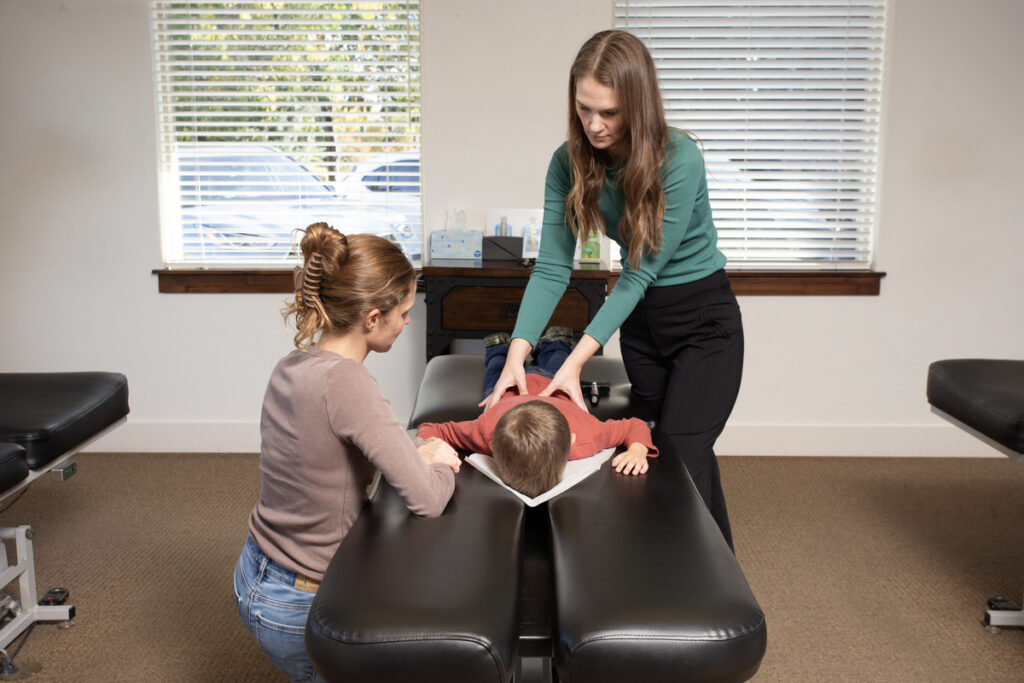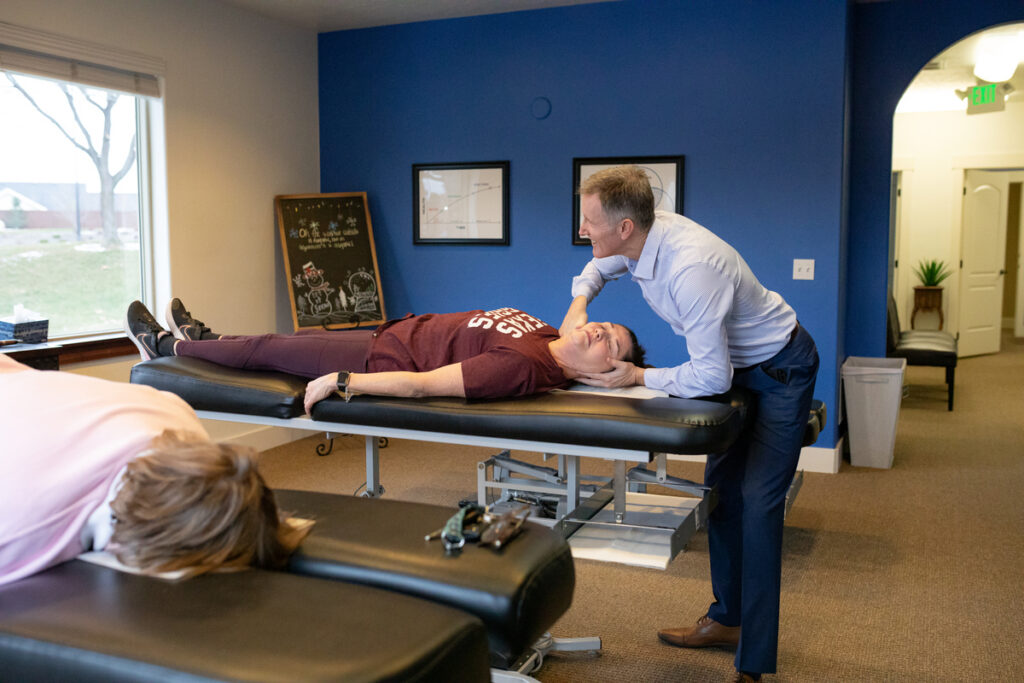

If you’re experiencing chronic low back pain, know that you’re not alone, and there’s hope for relief. As a local chiropractor, I’ve seen firsthand how specific exercises can not only strengthen and stretch the muscles in your back but also promote healing and enhance your overall well-being. These movements can improve your mobility and help alleviate discomfort, allowing you to enjoy a more active lifestyle.
Chiropractic care is an excellent foundation for managing low back pain. It focuses on spinal health and natural healing, addressing the root causes of pain rather than just masking symptoms. Alongside chiropractic adjustments, incorporating certain exercises into your routine can further enhance your recovery.
Here are some effective exercises that can make a significant difference in your daily comfort:
- Cat-Cow Stretch: This gentle movement helps to increase flexibility in your spine. Start on your hands and knees, arch your back up like a cat, then lower your belly and lift your head like a cow. Repeat several times to loosen up your back.
- Child’s Pose: A great stretch for your lower back, this pose can help relieve tension. Kneel on the floor, sit back on your heels, and stretch your arms forward on the ground while lowering your forehead. Hold the stretch for a few breaths.
- Pelvic Tilts: This exercise strengthens your core and stabilizes your spine. Lie on your back with your knees bent. Tighten your abdominal muscles, flatten your lower back against the floor, and hold for a few seconds before relaxing. Repeat several times.
- Knee-to-Chest Stretch: This stretch helps to loosen up your lower back. While lying on your back, bring one knee to your chest, holding it for a few seconds before switching to the other leg.
- Bridge Exercise: Strengthening your glutes and lower back can help support your spine. Lie on your back with your knees bent, feet flat on the floor. Lift your hips towards the ceiling, hold for a few seconds, and then lower back down.
- Wall Sits: This exercise helps build strength in your legs and core, providing support for your back. Stand with your back against a wall and slide down into a sitting position, holding for as long as comfortable.
- Walking: Simple yet effective, walking can increase blood flow to your lower back, promoting healing and reducing stiffness. Aim for short, gentle walks throughout your day.
Remember, before starting any new exercise routine, it’s essential to consult with your chiropractor. They can help tailor a program specifically for your needs and ensure you’re performing each movement safely.
In addition to these exercises, maintaining good posture, staying hydrated, and listening to your body are crucial for managing low back pain. Chiropractic care not only addresses your pain but also empowers you with the knowledge to take charge of your health. Embrace this holistic approach to wellness, and take steps towards a more comfortable, active life!
Key Takeaways
As a local chiropractor, I believe in the power of natural healing and the body’s ability to recover with the right support. If you’re dealing with chronic low back pain, incorporating specific exercises into your routine can complement chiropractic care and enhance your overall wellness. Here are some of the best exercises to consider:
- Cat-Cow Stretch: This gentle movement not only promotes spinal flexibility but also helps relieve tension in your lower back. As you transition between the cat and cow positions, focus on your breathing. This will enhance relaxation and improve mobility in your spine.
- Child’s Pose: This restorative pose is excellent for stress relief. It stretches your lower back and hips, promoting better circulation. Taking a few moments in this pose can help calm your mind and body, making it a perfect addition to your daily routine.
- Pelvic Tilts: This exercise is fantastic for strengthening your core and lower back muscles. By performing controlled movements, you’ll improve your posture and flexibility. It’s a simple yet effective way to support your spine and alleviate discomfort.
- Bridge Exercise: This movement targets your lower back, glutes, and core strength. By lifting your hips off the ground, you support spinal alignment, which is crucial for maintaining a healthy back. Aim to repeat this exercise to build strength over time.
- Knee-to-Chest and Seated Forward Bend Stretches: Incorporating these stretches can significantly enhance flexibility and reduce tension in your back. They promote overall well-being, helping you feel more relaxed and comfortable in your daily activities.
Remember, while these exercises can be beneficial, they work best in conjunction with chiropractic care. Regular adjustments can help align your spine, reduce pain, and promote healing. Always consult with your chiropractor before starting new exercises to ensure they’re right for you. Together, we can work towards achieving optimal health and wellness!
Cat-Cow Stretch
The Cat-Cow Stretch is an excellent exercise for relieving tension in your lower back and enhancing flexibility—two key elements for maintaining a healthy spine. This gentle movement sequence engages your spine, helping to alleviate stiffness and discomfort, which is essential for overall wellness.
To get started, position yourself on your hands and knees, making sure your wrists are directly under your shoulders and your knees are aligned under your hips. As you inhale, arch your back and let your belly drop toward the ground—this is known as the “Cow” position. Then, as you exhale, round your spine and tuck your chin to your chest for the “Cat” position. Repeat this flow for several breaths, paying attention to the sensations in your back.
This rhythmic motion not only helps loosen tight muscles but also promotes better posture, which is crucial for spinal health. I recommend aiming for 5 to 10 rounds of this stretch, and be sure to breathe deeply. Each breath allows your body to relax, releasing tension naturally.
Incorporating the Cat-Cow Stretch into your daily routine can significantly enhance your mobility and comfort. Remember, maintaining a healthy spine is vital for achieving and sustaining optimal health. If you’re experiencing persistent pain or discomfort, consider consulting with a chiropractor who can provide personalized care and guidance tailored to your needs. Embracing chiropractic care as part of your wellness journey can lead you to a more natural and effective path to pain relief and overall health.
Child’s Pose
Child’s Pose is a wonderful way to ease tension in your lower back and promote a sense of relaxation. As a chiropractor, I want to share how this gentle stretch can complement your journey towards optimal health and wellness. Understanding how to perform Child’s Pose correctly can enhance its benefits and support your spine’s health.
To get into Child’s Pose, start by kneeling on the floor with your big toes touching and knees apart. Gently lower your torso between your thighs, extending your arms forward or resting them alongside your body. Focus on your breathing, allowing each exhale to release tension from your back.
This pose not only stretches the spine but also encourages a calming effect on your mind and body.
Incorporating Child’s Pose into your routine can serve as a great companion to regular chiropractic care. While chiropractic adjustments work to align your spine and alleviate discomfort, poses like Child’s Pose can help maintain that alignment and promote relaxation.
Remember, the goal is to create a harmonious balance in your body, supporting your overall health naturally.
As you practice, listen to your body and modify the pose as needed. If you feel any discomfort, it’s always a good idea to consult with your chiropractor for personalized guidance.
Together, we can work towards a pain-free and healthier lifestyle. Embrace these simple practices, and you’ll be on your way to feeling your best!
Benefits of Child’s Pose
Practicing Child’s Pose can be a wonderful way to find relief from chronic low back pain, often experienced by many in our community.
This gentle stretch not only helps elongate your spine but also encourages relaxation, making it a valuable tool for wellness. Here are four key benefits you might notice when incorporating this pose into your routine:
- Reduced Tension: Child’s Pose effectively alleviates tightness in the lower back and hips, promoting overall flexibility. This increased elasticity can support your spinal health and enhance your everyday movements.
- Improved Posture: By regularly practicing this pose, you encourage better alignment of your spine. Good posture is essential for preventing discomfort and maintaining a healthy back, reducing the risk of future issues.
- Enhanced Circulation: This pose can boost blood flow to your back muscles, which is vital for recovery and pain reduction. Improved circulation means your body can heal more effectively, supporting your overall health.
- Stress Relief: Child’s Pose also calms the mind, which is important since stress can lead to physical tension in the body. Reducing stress levels can have a significant positive impact on your overall well-being and comfort.
Incorporating Child’s Pose into your daily routine can be a simple yet powerful step towards a more comfortable, pain-free life.
How to Perform
To effectively perform Child’s Pose, which is a fantastic way to relieve tension in your lower back, start by kneeling on the floor with your big toes touching and your knees spread apart. This position helps to open up the hips and promotes relaxation. Sit back on your heels and gently reach your arms forward, lowering your torso toward the ground. Rest your forehead on the mat, allowing your body to sink deeper into the stretch. As you hold this pose, take deep, calming breaths, feeling the stretch in your back and overall body. Aim to hold this position for 30 seconds to 1 minute.
Here’s a quick reference table to guide you:
| Step | Action | Duration |
|---|---|---|
| 1. Kneel | Big toes touching, knees apart | Start Position |
| 2. Sit Back | On heels | N/A |
| 3. Stretch Arms | Reach forward | N/A |
| 4. Breathe | Deeply | 30 sec – 1 min |
Incorporating Child’s Pose into your daily routine can be an excellent complement to regular chiropractic care. Not only does it help in relieving tension, but it also promotes flexibility and mindfulness. Remember, maintaining a healthy spine is crucial for your overall wellness, and chiropractic care can support you in achieving optimal health. If you’re experiencing pain or discomfort, consider visiting your chiropractor to discuss how they can assist you on your journey to natural healing.
Pelvic Tilts
Pelvic tilts are a simple yet powerful exercise that can significantly help alleviate chronic low back pain.
As a chiropractor, I emphasize the importance of understanding the benefits and proper technique of these movements, as they can be easily incorporated into your daily routine.
By integrating pelvic tilts, you not only promote spinal health but also contribute to your overall wellness.
To get the most out of pelvic tilts, practice them regularly—aim for a few times a day if you can.
This consistency can help strengthen your core muscles and improve flexibility, both of which are vital for a healthy spine.
Here’s how to perform a pelvic tilt effectively:
- Start Position: Lie on your back on a firm surface, with your knees bent and feet flat on the floor. Keep your arms at your sides.
- Engage Your Core: Gently pull your belly button towards your spine, engaging your core muscles.
- Tilt Your Pelvis: Flatten your lower back against the surface by tilting your pelvis upward. Hold this position for a few seconds.
- Release: Slowly return to the starting position.
- Repetition: Aim for 10-15 repetitions each session.
Remember, if you experience any discomfort, stop and consult with your chiropractor for personalized guidance.
Incorporating pelvic tilts into your routine is a fantastic way to support your spine and overall health naturally.
Additionally, regular visits to your chiropractor can enhance the benefits of these exercises, ensuring your spine is aligned and functioning at its best.
Together, we can work towards achieving optimal health and a pain-free life.
Benefits of Pelvic Tilts
Often overlooked, pelvic tilts can be a valuable tool in managing chronic low back pain, and they align perfectly with the principles of chiropractic care. By incorporating this simple exercise into your daily routine, you may experience significant improvements that not only alleviate discomfort but also enhance your overall well-being.
Here are some key benefits of pelvic tilts:
- Strengthens Core Muscles: Pelvic tilts effectively engage your abdominal and lower back muscles, helping to build a strong foundation for your spine. A strong core is essential for maintaining stability and preventing future injuries.
- Improves Posture: Regular practice of pelvic tilts promotes better alignment of your hips and spine. Improved posture is crucial for reducing strain on your back and enhancing your overall health.
- Reduces Tension: By performing pelvic tilts, you can relieve tightness in the lower back, which can lead to less pain and discomfort. This natural approach is a great way to ease tension without resorting to medications or invasive treatments.
- Enhances Flexibility: This exercise helps increase the range of motion in your pelvis and lower back, contributing to greater flexibility. Improved flexibility can make daily activities easier and reduce the risk of injury.
Integrating pelvic tilts into your routine can be a game-changer when it comes to managing low back pain naturally. As a chiropractor, I encourage you to explore these exercises as part of your wellness journey.
Proper Execution Technique
While mastering the pelvic tilt exercise can significantly enhance your low back health, it’s crucial to ensure you’re executing the technique correctly.
Start by lying comfortably on your back with your knees bent and feet flat on the floor, hip-width apart. Engage your core muscles gently and tilt your pelvis upward to flatten your lower back against the floor. Remember to keep your shoulders relaxed and avoid straining your neck.
Hold this tilt for a few seconds, then slowly release, allowing your back to return to its natural curve. Focus on controlled movements—there’s no need to rush. It’s also essential to maintain a steady breathing pattern throughout the exercise; inhale as you relax and exhale during the tilt.
Regular practice with proper form won’t only enhance the effectiveness of the exercise but also minimize any discomfort you may experience. Incorporating this simple yet powerful movement into your daily routine can contribute to a healthier spine and overall well-being.
As a local chiropractor, I encourage you to explore chiropractic care as a natural approach to pain relief and wellness. Our bodies are designed to heal themselves, and chiropractic adjustments can help support this process by ensuring your spine is aligned and functioning optimally. Remember, taking proactive steps like these can lead to a healthier, pain-free life!
Frequency and Duration Recommendations
To effectively manage chronic low back pain, incorporating pelvic tilts into your routine can be a game changer. These simple movements not only help alleviate discomfort, but they also promote spinal health and overall wellness. Here’s how you can integrate pelvic tilts into your life for the best results:
- Frequency: Aim to perform pelvic tilts 3-5 times a week. Consistency is key to seeing improvement, so find a schedule that feels right for you and stick with it.
- Repetitions: Start with 10-15 repetitions per session. As you build strength and confidence, feel free to increase the number of tilts. Remember, slow and steady wins the race!
- Hold Duration: Focus on quality over quantity. Hold each tilt for about 5-10 seconds, ensuring that your movements are controlled and deliberate. This will help engage the right muscles and support your back.
- Session Duration: Keep your sessions to around 10-15 minutes. This is enough time to get the benefits without overdoing it. Don’t forget to take breaks between repetitions to allow your body to recover.
In addition to these pelvic tilts, remember that regular chiropractic care can further enhance your journey to pain relief and wellness. A chiropractor can provide personalized guidance, ensuring you’re on the right track and adjusting your routine as needed.
Bridge Exercise
The Bridge Exercise is an excellent way to strengthen your lower back, glutes, and core, making it particularly beneficial for those dealing with chronic low back pain. As your local chiropractor, I want to emphasize that strengthening these areas can significantly support your spine and overall health.
To perform the Bridge Exercise, start by lying on your back with your knees bent and feet flat on the floor, keeping them hip-width apart. Your arms should rest comfortably at your sides, palms facing down.
As you inhale, engage your core muscles and press through your heels, lifting your hips toward the ceiling. Your body should form a straight line from your shoulders to your knees. Hold this position for a few seconds while squeezing your glutes to enhance stability.
Exhale as you slowly lower your hips back to the ground. Aim for 10 to 15 repetitions, focusing on maintaining proper form throughout the movement. If you find this exercise too easy, consider holding the bridge position for a longer duration or try a single-leg variation for an added challenge. This exercise not only enhances your stability but also helps relieve tension in your lower back, making it a great addition to your wellness routine.
Knee-to-Chest Stretch
Strengthening your lower back and glutes is an important step in maintaining spinal health and enhancing overall wellness.
Exercises like the Bridge can help prepare your body for effective stretches that improve flexibility and relieve tension.
One fantastic stretch you can incorporate into your routine is the Knee-to-Chest Stretch, which targets the lower back and hips.
This simple yet powerful stretch can be a great way to ease discomfort and promote better mobility.
Here’s how to perform the Knee-to-Chest Stretch:
- Start Position: Lie on your back with your legs extended comfortably.
- Bend and Pull: Gently bend one knee and pull it toward your chest using your hands, keeping the other leg straight.
- Hold It: Maintain this position for 15 to 30 seconds, ensuring you feel a gentle stretch in your lower back and hips.
- Switch: Now, switch legs and repeat the stretch.
Incorporating the Knee-to-Chest Stretch into your daily routine can do wonders for your lower back mobility and help alleviate tightness.
Remember to breathe deeply throughout the stretch, as this can further enhance relaxation and effectiveness.
Listen to your body and adjust the stretch as needed to avoid any discomfort.
While stretching is beneficial, it’s also important to consider how chiropractic care can complement your wellness journey.
Regular chiropractic adjustments can help maintain proper spinal alignment, reduce tension, and improve your body’s overall function.
By focusing on natural healing and healthier living, chiropractic care can provide a holistic approach to achieving optimal health and pain relief.
Always consult with your chiropractor for personalized advice and additional stretches that may be right for you.
Seated Forward Bend
Incorporating the Seated Forward Bend into your routine can be a fantastic way to enhance flexibility in your lower back and hamstrings, which is crucial for overall spinal health. As a chiropractor, I always emphasize the importance of gentle stretching to alleviate tension and promote relaxation—both of which are key aspects of maintaining a healthy spine.
Here’s how to perform the Seated Forward Bend effectively:
- Begin by sitting comfortably on the floor with your legs straight out in front of you.
- Take a deep breath in, raising your arms overhead to lengthen your spine. As you exhale, gently hinge at your hips and reach forward toward your feet, keeping your back straight as long as possible.
- Hold this stretch for 20-30 seconds, and remember to breathe deeply throughout the process.
Here’s a quick overview of the benefits of this stretch:
| Benefit | Description |
|---|---|
| Increases Flexibility | Enhances the range of motion in the lower back and hamstrings, which supports better posture. |
| Reduces Tension | Alleviates tightness and discomfort, helping to prevent pain in the spine. |
| Promotes Relaxation | Encourages a calm mind and body, which is essential for overall wellness. |
Regular practice of the Seated Forward Bend can not only improve your flexibility but also lead to noticeable enhancements in your overall comfort and mobility. By incorporating this simple stretch into your daily routine, you can support your spinal health naturally, without the need for surgeries or medications.
Bird Dog Exercise
Building on the flexibility gained from the Seated Forward Bend, the Bird Dog Exercise is a fantastic way to strengthen your core and improve stability, which is essential for maintaining a healthy spine. This exercise engages multiple muscle groups, promoting balance and coordination—key components of overall wellness and health. Here’s how to perform it:
- Start Position: Begin on your hands and knees, ensuring your wrists are aligned directly under your shoulders and your knees are under your hips. This position sets a strong foundation for your spine.
- Extend: Slowly extend your right arm forward and your left leg back, keeping your body straight and stable. Focus on your core—this is where your strength comes from!
- Hold: Maintain this position for a few seconds. Concentrate on tightening your abdominal muscles and keeping your hips level. This not only helps strengthen your core but also supports spinal alignment.
- Switch: Return to the starting position and switch to the left arm and right leg, repeating the process. This balanced movement enhances coordination and stability.
Aim for 10-15 repetitions on each side. The Bird Dog Exercise not only helps alleviate low back pain but also promotes overall strength and stability.
By incorporating this exercise into your routine, you can support your body’s natural healing processes and improve your spinal health. Remember, chiropractic care is an excellent way to ensure your spine is aligned and functioning optimally. Pairing adjustments with exercises like Bird Dog can lead to better results in your journey towards health and wellness.
Always listen to your body and prioritize movements that feel right for you. Stay active, stay aligned!
Conclusion
Incorporating these seven exercises into your daily routine can significantly help reduce chronic low back pain while enhancing your overall mobility. Gentle stretches and strengthening moves, such as Cat-Cow and Bird Dog, not only promote spinal health but also build core stability, which is essential for a strong foundation.
As you engage in these exercises, remember to emphasize controlled breathing and listen to your body—progress at a pace that feels comfortable for you. This approach helps ensure that you’re benefiting from the movements without overexerting yourself.
If you find that your pain continues or intensifies, I encourage you to reach out for chiropractic care. A chiropractor can assess your unique situation and create a personalized plan to support your healing journey. Chiropractic care focuses on natural methods to relieve pain and improve your overall wellness, making it an excellent choice for those seeking holistic health solutions.
Additionally, here are a few general tips to keep in mind: maintain good posture throughout your day, stay active with low-impact exercises, and prioritize proper ergonomics, especially if you spend long hours sitting. By integrating these practices, you can enhance your spinal health and enjoy a more active, pain-free life.