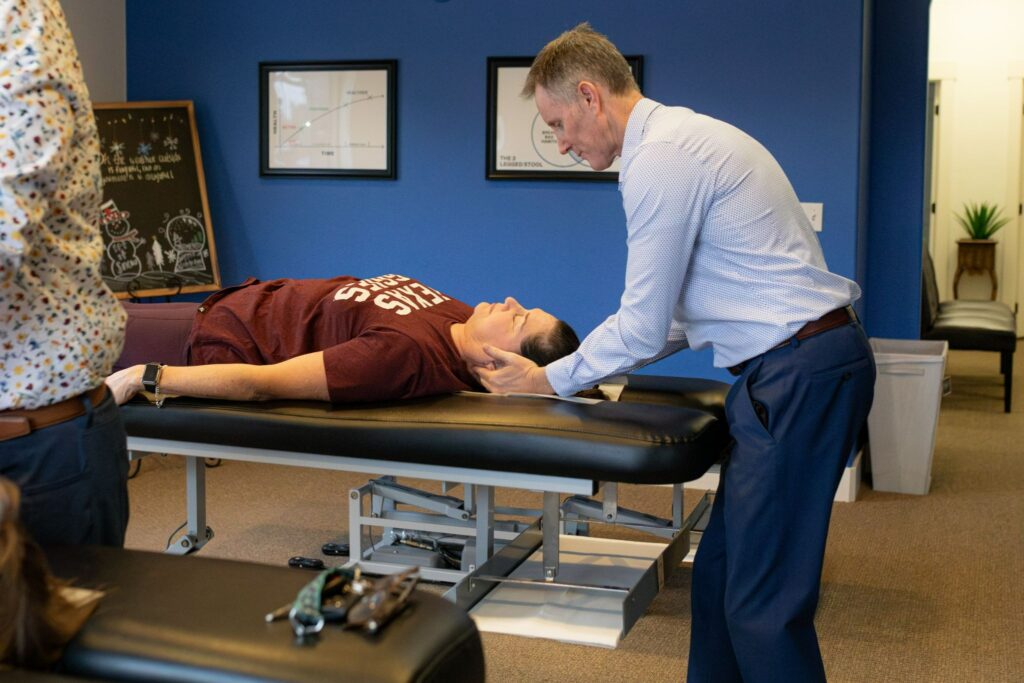

As a local chiropractor, I understand how debilitating muscle strain and back pain can be. If you’re new to chiropractic care and natural healing, it might feel daunting to know where to start. However, managing your discomfort is not only possible but can be done through practical and effective methods.
The first step is recognizing that rest is crucial. Allowing your body time to heal can significantly impact your recovery. But rest doesn’t mean complete inactivity; gentle movements can aid in circulation and prevent stiffness.
In addition to rest, targeted therapies such as chiropractic adjustments can play a vital role in alleviating pain. These adjustments help to realign your spine, reduce tension, and improve mobility. Many patients find that combining these adjustments with other techniques like stretching or massage therapy can enhance their recovery.
If you’re ready to explore these methods and take control of your pain, I’m here to guide you. Together, we can develop a personalized plan that not only addresses your current discomfort but also empowers you to maintain a healthier, pain-free lifestyle. Let’s get you back on your feet!
Rest and Recovery
As a local chiropractor, I want to emphasize the importance of rest and recovery when you’re dealing with a muscle strain or back pain. Your body needs time to heal, and it’s crucial to allow it that opportunity. Strenuous activities and pushing through pain can aggravate your condition, so it’s essential to listen to your body and take the necessary breaks.
Finding comfortable positions that relieve pressure on the affected area can significantly aid in your recovery. While gentle stretching and light movement are beneficial for maintaining flexibility, be cautious and avoid any exercises that exacerbate your discomfort.
Staying hydrated and maintaining a balanced diet plays a vital role in your healing process. Proper nutrition supports your body in repairing itself, while adequate sleep is equally important. Aim for restorative rest, as it helps your body recover effectively.
In chiropractic care, we focus on natural healing methods that align your spine and improve overall function. By incorporating these practices into your recovery, you can enhance your healing journey and return to your daily activities with greater ease.
If you have any questions or need guidance, I’m here to help you on your path to wellness.
Ice Therapy
As a local chiropractor, I want to introduce you to the benefits of ice therapy, which can significantly alleviate muscle strain and back pain. Many people are unaware of how effective this simple technique can be in promoting healing and comfort.
It’s essential to understand not only the advantages of ice therapy, but also the proper way to apply it for maximum effectiveness, including the right duration and frequency.
When used correctly, ice therapy can reduce inflammation, numb pain, and help to promote recovery after injury.
I encourage you to explore how incorporating this natural method into your self-care routine can lead to faster relief and improved well-being.
If you have any questions about how to get started or how it fits into your overall chiropractic care plan, feel free to ask!
Benefits of Ice Therapy
As a local chiropractor, I want to share with you the incredible benefits of ice therapy for addressing muscle strain and back pain. Many people aren’t aware that ice therapy can significantly reduce inflammation, which is often the primary source of discomfort you may be experiencing. By applying ice to the affected area, you can numb the pain, making it much easier to move and carry out your daily activities.
Moreover, ice therapy plays a crucial role in preventing further injury. When a strain occurs, applying ice can limit blood flow to the area, which is essential for allowing your body to recover effectively. This method can also promote faster healing by minimizing swelling and alleviating muscle spasms.
It’s important to note that using ice isn’t just a quick fix for immediate relief; it’s a valuable tool in your long-term recovery process. By incorporating ice therapy into your care routine, you’ll be on your way to getting back to your regular activities sooner and feeling your best.
If you have any questions about how to effectively use ice therapy or other natural healing methods, don’t hesitate to reach out. Your health and well-being are my top priority!
Application Techniques Explained
As a local chiropractor, I want to share some important information about using ice therapy to help alleviate muscle strain and back pain. Many patients may not be familiar with this simple yet effective technique.
First and foremost, when applying ice or a cold pack, always remember to wrap it in a thin towel. This is crucial to protect your skin from frostbite. Once wrapped, place the ice directly on the affected area for about 15-20 minutes.
It’s essential to monitor your skin during this time for any signs of adverse reactions. If you notice that it feels too cold or uncomfortable, don’t hesitate to remove the ice and allow your skin to warm back up.
You can repeat this ice therapy several times a day, but keep in mind the importance of avoiding direct contact between the ice and your skin. Consistency is key when it comes to managing pain and inflammation, so consider incorporating ice therapy into your daily recovery routine.
Recommended Duration and Frequency
As a local chiropractor, I want to help you understand how to effectively manage muscle strain and back pain using ice therapy. It’s important to get the duration and frequency right for optimal relief.
When applying ice packs, aim for about 15 to 20 minutes at a time. Be sure to wrap the ice in a cloth to protect your skin from frostbite. You can repeat this process every hour if needed, especially within the first 48 hours following your injury. Consistency is crucial, so stick to this routine for the best results.
However, be cautious not to ice for too long, as prolonged exposure can lead to unwanted side effects, like frostbite or increased pain. Always pay attention to how your body feels; if you experience any discomfort or unusual reactions, it’s best to stop and consult with a healthcare professional for further advice.
Heat Application
As your local chiropractor, I want to help you understand the benefits of heat application for relieving muscle strain and back pain. There are several effective heat sources available, and choosing the right method is crucial for maximizing your relief.
It’s important to know how long to apply heat to achieve the best results. Let’s take a look at the different types of heat sources you can use, such as heating pads, warm towels, or even hot baths, and discuss best practices for duration.
Applying heat can increase blood flow, relax tight muscles, and alleviate discomfort. However, knowing how long to use these heat sources is just as important as the type you choose.
If you’re unsure about how to incorporate heat therapy into your routine or have questions about your specific condition, feel free to ask during your next visit. Together, we can find the best approach to support your healing journey.
Types of Heat Sources
As a local chiropractor, I want to share some effective heat sources that can help alleviate muscle strain and back pain, especially if you’re new to chiropractic care and natural healing.
One of the most popular options is a heating pad, which provides consistent warmth directly to the affected area and can be very soothing. Another great alternative is a hot water bottle or a warm towel, which you can easily heat in the microwave for convenience.
If you’re looking for a more immersive experience, warm baths or showers can be incredibly beneficial for relaxing your muscles and offering whole-body relief.
For those who need a portable solution, heat wraps are available that adhere comfortably to your skin, providing continuous warmth throughout your daily activities.
Lastly, infrared lamps are an excellent option as they can penetrate deeper tissues for targeted relief, making them particularly effective for chronic pain.
I encourage you to experiment with these various heat sources to discover which ones work best for you. Incorporating these methods into your routine can be an effective way to ease discomfort and support your recovery journey.
Optimal Application Duration
As a local chiropractor, I want to share some essential information about the proper use of heat therapy for those unfamiliar with chiropractic care and natural healing practices.
While the idea of keeping heat applied for long periods might seem appealing, it’s important to adhere to the recommended application durations to prevent skin irritation or burns.
Here’s a straightforward guide to help you use heat therapy effectively:
- Initial Application: Begin with 15 to 20 minutes of heat application. This will allow you to gauge how your body reacts.
- Frequency: Aim to use heat therapy 2 to 3 times a day. Make sure to give your skin ample time to cool down completely between sessions.
- Monitor Your Skin: After each application, check your skin for any signs of redness or irritation. This is crucial for ensuring your safety.
- Adjust as Needed: If you experience any discomfort, don’t hesitate to reduce the duration or frequency of your heat applications.
By following these guidelines, you can enjoy safe and effective heat therapy, which may help relieve muscle strain and back pain.
Stretching and Flexibility Exercises
As a local chiropractor, I want to emphasize the importance of incorporating stretching and flexibility exercises into your daily routine to help alleviate muscle strain and back pain. These exercises can significantly improve your range of motion, reduce tension, and enhance circulation in areas that may be experiencing discomfort.
I recommend starting with gentle stretches that focus on key muscle groups, especially your hamstrings, hip flexors, and lower back. It’s important to hold each stretch for about 15 to 30 seconds while breathing deeply to promote relaxation and enhance the benefits of the stretch.
Many of my patients find that practices like yoga or Pilates can be extremely helpful, as they not only emphasize flexibility but also strengthen your core, providing additional support for your back.
Even dedicating just a few minutes each day to stretching can make a world of difference. Consistency is vital—regular stretching can help prevent future injuries and keep your body functioning optimally.
Always listen to your body; if a particular stretch causes pain, it’s essential to ease out of it. Remember, the goal is to find relief and improve your flexibility, so approach your stretching routine gently and gradually. Your muscles and back will truly appreciate the care you give them!
Over-the-Counter Pain Relief
As a local chiropractor, I want to share some valuable insights on managing muscle strain or back pain. Many patients turn to over-the-counter (OTC) medications for quick relief, but it’s essential to understand the options available and how to use them safely.
While these medications can provide temporary relief, they don’t address the underlying issues that may be contributing to your discomfort. I encourage you to learn about the common OTC options, including their dosages and guidelines for safe use.
However, it’s important to remember that chiropractic care offers a holistic approach to pain management by focusing on natural healing methods. By addressing the root cause of your pain through spinal adjustments and therapeutic techniques, you may find more long-lasting relief and improved overall health.
If you’re unsure about which path to take, I’m here to help guide you through your options and support your journey towards wellness. Together, we can explore safe and effective ways to manage your discomfort and promote long-term healing.
Common OTC Medications
As a local Chiropractor, I understand that many of you may be seeking relief from muscle strain or back pain. While chiropractic care can be incredibly effective, I want to share some common over-the-counter (OTC) medications that you might consider for quick relief as a complementary approach.
- Ibuprofen – This is a nonsteroidal anti-inflammatory drug (NSAID) that can help reduce both pain and swelling. It’s a popular choice for many who are looking for immediate relief.
- Acetaminophen – Known for its pain-relieving properties, acetaminophen is a gentler option for the stomach. However, it’s important to note that it doesn’t address inflammation.
- Naproxen – Similar to ibuprofen, naproxen is another NSAID that can provide longer-lasting pain relief. Just keep in mind that it may have similar side effects.
- Topical analgesics – These are creams or patches that contain ingredients like menthol or capsaicin. They can be applied directly to the area of discomfort, offering localized relief without the need for oral medication.
While these OTC options can provide temporary relief, I encourage you to consider the benefits of chiropractic care as a long-term solution for addressing the underlying issues contributing to your pain.
If you’re unsure which option is best for you or if your symptoms persist, please consult with a healthcare professional. Your health and well-being are my top priorities!
Dosage and Safety Guidelines
As a local chiropractor, I want to help you understand the safe and effective use of over-the-counter pain relief options while also emphasizing the benefits of natural healing methods.
It’s crucial to be well-informed about dosage and safety guidelines to enhance your well-being. Before taking any medication, be sure to read the label carefully.
For instance, ibuprofen is generally recommended every 6-8 hours, while acetaminophen can be taken every 4-6 hours. It’s essential not to exceed the maximum daily limit, as doing so can lead to serious health complications.
If you’re currently taking other medications or have any pre-existing health conditions, I highly recommend consulting with a healthcare professional first.
Be mindful of any side effects you may experience. If you encounter severe reactions, it’s important to stop using the medication right away and seek medical assistance.
Additionally, mixing different pain relievers can elevate the risk of complications, so please avoid doing so without proper guidance.
In our practice, we also focus on natural healing approaches that can complement or even reduce the need for pain medications.
Professional Massage Therapy
As a local chiropractor, I want to share with you how professional massage therapy can complement your chiropractic care and help alleviate muscle strain and back pain.
Our skilled massage therapists use targeted techniques to release tension, promoting healing and overall wellness. Here are some key benefits of incorporating massage therapy into your health regimen:
- Enhanced Circulation: Massage therapy improves blood flow, ensuring that injured areas receive the necessary nutrients and oxygen for healing.
- Decreased Muscle Tension: By applying pressure to specific muscle groups, therapists can relieve tightness, allowing for better flexibility and increased range of motion.
- Effective Pain Management: Regular massage sessions can help lower discomfort levels, contributing to your overall sense of well-being and enhancing the results of chiropractic adjustments.
- Stress Reduction: The calming effects of massage therapy can reduce stress hormones, promoting relaxation and mental clarity, which is vital for recovery.
Whether you prefer deep tissue, Swedish, or trigger point therapy, each type offers unique benefits that can support your healing journey.
It’s important to communicate your specific needs and preferences with both your chiropractor and massage therapist to ensure the best possible outcomes.
Investing in professional massage therapy, alongside your chiropractic care, can be an essential step toward achieving long-lasting relief and improved health.
Physical Therapy
Chiropractic care plays a vital role in your recovery from muscle strain and back pain, focusing on restoring proper alignment and function to your body. As a local chiropractor, I’ll assess your condition and develop a personalized treatment plan tailored to your unique needs.
Our approach often includes specific adjustments that help realign your spine and enhance your overall mobility. These adjustments not only alleviate pain but also help prevent future injuries.
In addition to spinal adjustments, I may incorporate various manual therapy techniques to relieve tension and improve circulation in the affected areas. Education is also a key component of our practice; I’ll teach you about your body’s mechanics and effective pain management strategies to support your recovery journey.
Proper Posture and Ergonomics
As a local chiropractor, I want to emphasize the importance of good posture in maintaining your overall health and well-being. Many of my patients come in with complaints of muscle strain and back pain, often linked to poor posture and ergonomics.
By practicing proper alignment, you can significantly reduce stress on your spine and muscles, leading to a healthier, pain-free life. Here are some practical tips to help you improve your posture:
- Adjust Your Workspace: It’s crucial to ensure that your chair and desk are set at the right height. Your elbows should remain at a 90-degree angle while typing. This simple adjustment can make a big difference in your comfort level.
- Keep Your Feet Flat: Always keep your feet flat on the floor or invest in a footrest. This position supports your lower back and helps maintain proper alignment throughout your spine.
- Align Your Screen: Position your computer screen at eye level. This prevents unnecessary strain on your neck and shoulders, which can lead to discomfort and tension.
- Take Regular Breaks: Make it a habit to stand up and stretch every hour. This practice not only helps relieve built-up tension but also promotes better circulation, which is essential for your overall health.
By incorporating these tips into your daily routine, you can take proactive steps toward better posture and a healthier spine.
Stay Hydrated
As a local chiropractor, I want to emphasize the importance of staying hydrated for your overall health and well-being. Proper hydration is crucial for preventing muscle strain and alleviating back pain. Your muscles and joints depend on adequate water intake to function optimally. When you’re dehydrated, your muscles can tighten up, increasing the risk of injury and leading to discomfort in your back and other areas.
I encourage you to make it a point to drink plenty of water throughout the day, especially if you lead an active lifestyle. If you’re exercising or spending time in a hot environment, be sure to increase your fluid intake to replenish what you lose through sweat.
It’s important to note that you mightn’t always feel thirsty, so try to develop a routine of sipping water regularly.
In addition to drinking water, incorporating foods with high water content—such as fruits and vegetables—into your diet can significantly contribute to your hydration levels. Staying hydrated not only supports muscle recovery but also reduces the risk of strain, which is vital for your pain relief strategy.
Gradual Return to Activity
As your local chiropractor, I’m here to guide you through your recovery from muscle strain or back pain with natural healing methods.
It’s crucial to ease back into your regular activities gradually, as jumping in too quickly can lead to setbacks. Here are four essential tips to help you transition smoothly:
- Start with Light Activities: Begin with gentle, low-impact exercises like walking or stretching. These activities will help you regain mobility without putting too much strain on your body.
- Listen to Your Body: Your body knows best. Pay attention to any pain or discomfort you experience and adjust your activities accordingly. If something doesn’t feel right, it’s okay to take a step back.
- Increase Intensity Slowly: As you start feeling more comfortable, gradually increase the intensity or duration of your workouts. Incorporate more challenging exercises only when you’re ready, ensuring your body adapts without overwhelming it.
- Incorporate Rest Days: Recovery is just as important as the activity itself. Allow for rest days in your routine to avoid overexertion, giving your body the necessary time to heal and adapt.
Remember, chiropractic care can also support your recovery process.
We focus on aligning your spine and improving your overall function, which can help you return to your activities more effectively and safely.
If you have any questions or need personalized guidance, don’t hesitate to reach out!
Conclusion
As a local chiropractor, I want to share some valuable tips that can greatly aid in relieving muscle strain and back pain. First and foremost, it’s essential to prioritize rest; your body needs time to heal. Utilizing ice and heat therapy can also be beneficial—ice can reduce inflammation, while heat can soothe tight muscles. Remember to incorporate gentle stretching into your routine; this not only helps alleviate discomfort but also enhances flexibility.
Maintaining good posture is crucial in preventing future pain and strain. I encourage you to be mindful of your posture throughout the day, whether you’re sitting, standing, or lifting objects. Staying well-hydrated is another important factor; proper hydration supports muscle function and overall health.
As you start to return to your usual activities, pay attention to what your body is telling you. If you experience persistent discomfort, consider seeking professional help. Chiropractic care focuses on natural healing and can provide effective relief tailored to your needs. With patience and proper care, you can find the relief you seek and get back to feeling your best. Remember, we’re here to support you on your journey to recovery!