
Your posture plays a crucial role in managing low back pain, often in ways you might not even realize. Whether you’re sitting at a desk or standing in line, making small changes to your alignment can greatly enhance your comfort. Poor posture doesn’t just create immediate discomfort; it can lead to long-term issues that affect your overall health. By understanding the connection between posture and pain, you can take significant steps toward relief.
Here are five key ways your posture impacts low back pain, along with some simple tips to improve it:
- Sitting Position: If you spend long hours sitting, ensure your chair supports your lower back. Use a small cushion to maintain the natural curve of your spine. Keep your feet flat on the ground and your knees level with your hips. This alignment reduces strain on your lower back.
- Standing Tall: When standing, distribute your weight evenly on both feet. Engage your core muscles to support your spine. Avoid locking your knees and try to keep your shoulders back and relaxed. Good standing posture can alleviate pressure on your lower back.
- Lifting Techniques: Whether you’re picking up a grocery bag or lifting a child, bend at your knees and keep your back straight. This technique shifts the weight to your legs, reducing the strain on your back and preventing injury.
- Sleep Posture: The way you sleep can significantly affect your back. If you’re a side sleeper, place a pillow between your knees to keep your spine aligned. Back sleepers can benefit from placing a pillow under their knees. A supportive mattress can also make a world of difference.
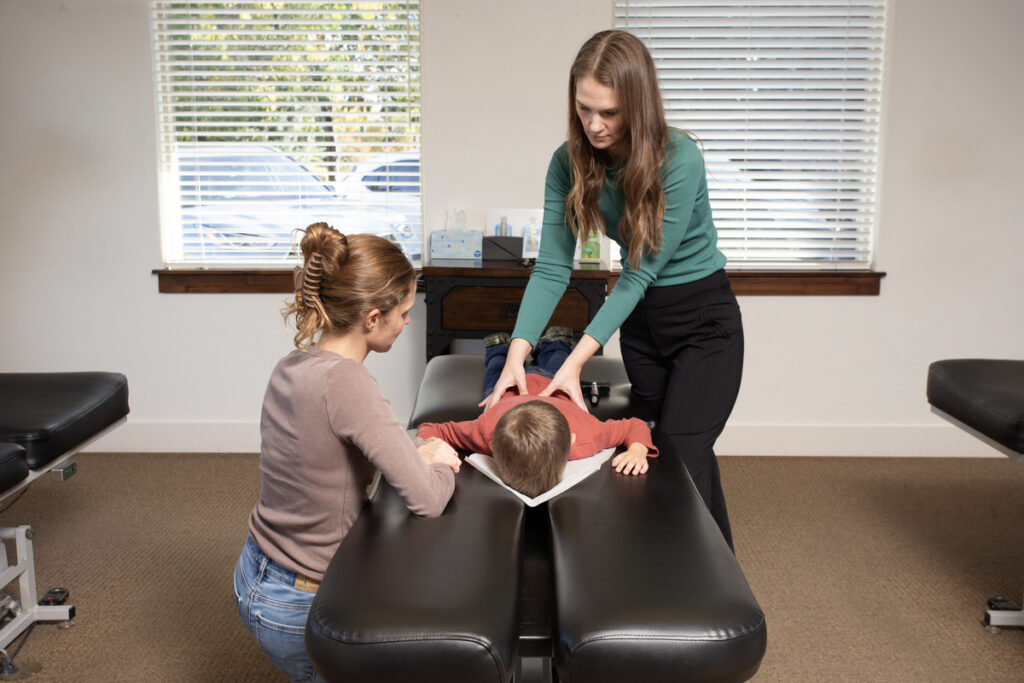
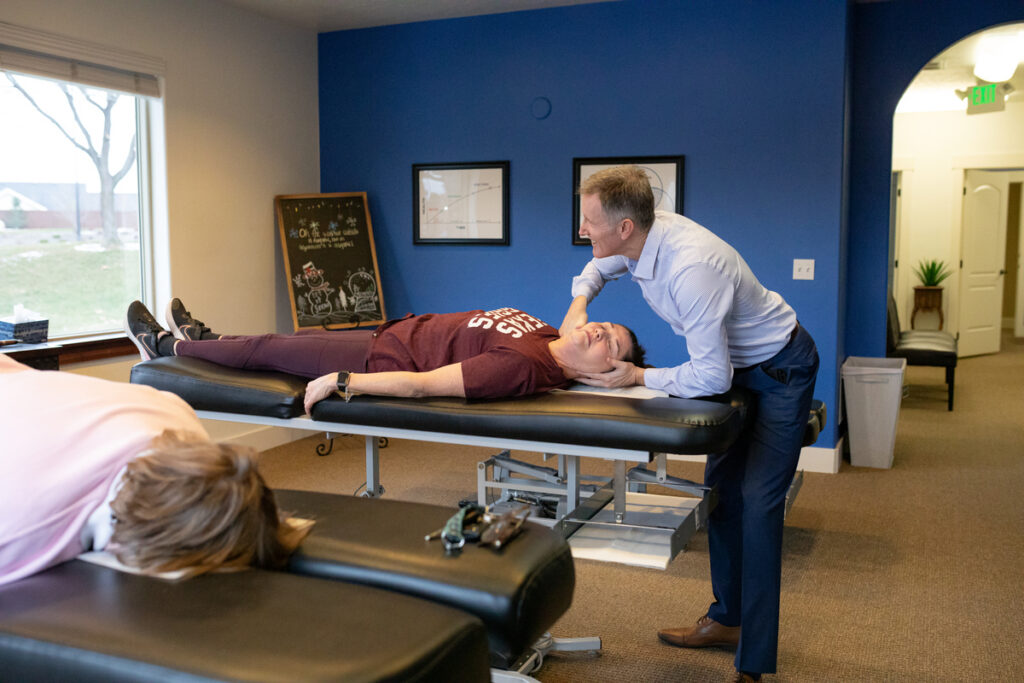
- Regular Movement: Staying active is key in maintaining a healthy spine. Incorporate stretches and exercises into your daily routine to keep your muscles strong and flexible. Chiropractic adjustments can also help align your spine and improve your overall posture.
Chiropractic care is a fantastic way to address posture-related issues and achieve natural pain relief. With the right adjustments and guidance, you can work towards a balanced and healthier lifestyle, free from the limitations of low back pain. Remember, your posture is a significant factor in your spinal health, and making these adjustments can lead to a more comfortable and pain-free life.
Key Takeaways
5 Best Ways Posture Impacts Low Back Pain
- Maintaining proper spinal alignment is crucial for distributing body weight evenly. This helps reduce stress on your muscles and ligaments, ultimately alleviating low back pain. Chiropractic care can assist in achieving and maintaining this alignment for optimal health.
- When we slouch, we unknowingly increase pressure on our lower back over time. This can lead to discomfort and the development of pain. A chiropractor can guide you on the importance of good posture and provide adjustments to help you maintain it.
- Sitting with a neutral spine is essential for minimizing strain on your lower back. By learning how to sit correctly, you can promote comfort and significantly reduce the risk of developing low back pain. Your chiropractor can offer tips on how to set up your workspace ergonomically.
- Engaging your core muscles while standing is an effective way to support your spine. This not only prevents discomfort but also promotes better posture. Incorporating exercises suggested by your chiropractor into your daily routine can strengthen your core and enhance your overall posture.
- Regular movement and stretching are key to improving flexibility and circulation, which support spinal alignment. This can significantly reduce the likelihood of low back pain. Your chiropractor can recommend specific stretches and movements that are tailored to your needs, helping you stay active and pain-free.
By focusing on these posture-related tips and seeking chiropractic care, you can take proactive steps towards relieving low back pain and achieving overall wellness. Remember, a healthy spine is the foundation of a healthy life!
The Role of Spinal Alignment in Pain Relief
Spinal alignment is essential for effectively relieving low back pain, and as your local chiropractor, I want to share how you can achieve optimal health through proper spinal care. When your spine is aligned correctly, it helps to distribute your body’s weight evenly, which reduces unnecessary stress on your muscles and ligaments. Many people don’t realize how easily poor alignment can develop—this can happen from slouching at your desk, lifting heavy objects the wrong way, or even sleeping in awkward positions. By focusing on maintaining a neutral spine, you can significantly alleviate discomfort and promote overall wellness.
Incorporating specific exercises that strengthen your core and back muscles is a great way to support your spine and improve alignment. Simple activities like planks, bridges, and back extensions can be very beneficial.
Additionally, don’t forget about stretching! Regular stretching can enhance your flexibility, helping to prevent tightness that might lead to misalignment.
It’s also important to pay attention to your daily habits, as they can significantly impact your posture. Making minor adjustments, such as setting your chair at the right height, using ergonomic furniture, or choosing supportive footwear, can go a long way in promoting better spinal health.
Chiropractic care is a natural approach that focuses on aligning the spine and enhancing your body’s ability to heal itself. Regular chiropractic adjustments can help maintain proper alignment, relieve pain, and improve your overall quality of life. Remember, by prioritizing spinal alignment and chiropractic care, you’re not just addressing low back pain—you’re taking a proactive step towards a healthier, more balanced life.
How Sitting Posture Influences Back Discomfort
Your daily habits, especially your sitting posture, play a crucial role in your back health. As a local chiropractor, I want to emphasize that poor sitting posture can strain your spine and lead to discomfort. When you slouch or lean forward, you place extra pressure on your lower back, which can result in pain over time. It’s essential to maintain a neutral spine position while sitting. Ensure your feet are flat on the floor, and your knees are at or slightly below hip level. Choosing a chair that supports your lower back can help keep your spine aligned.
In addition to maintaining good posture, remember to take breaks throughout the day to stand up and stretch. This simple practice can relieve tension and improve circulation, significantly reducing the risk of developing back pain. Remember, your sitting posture is more important than you might think; making small adjustments can lead to a world of difference in your comfort and long-term back health.
At our chiropractic practice, we believe in the power of natural healing and the body’s ability to restore itself. Incorporating regular chiropractic adjustments into your wellness routine can help maintain proper alignment and enhance your overall health. By prioritizing your posture and seeking chiropractic care, you can keep discomfort at bay and support your journey toward optimal health.
Standing Techniques to Alleviate Pressure
Sitting for long periods can put a lot of strain on your back, but using the right standing techniques can significantly ease the pressure on your lower spine. As your local chiropractor, I want to share some simple tips to help you stand better and feel better, helping you achieve optimal health through natural methods.
First, when you stand, try to distribute your weight evenly across both feet, keeping them about shoulder-width apart. This balanced stance stabilizes your body and reduces strain on your back. Engaging your core muscles is also key; a strong core supports your spine and can make a world of difference in how you feel throughout the day.
Next, avoid locking your knees. Instead, keep a slight bend in them. This not only promotes better circulation but also helps to reduce fatigue, making it easier for you to stay on your feet longer. If you find yourself standing for extended periods, remember to shift your weight from one foot to the other or consider using a footrest to give your feet a little break.
Lastly, pay attention to your upper body posture. Keep your shoulders relaxed and your head in line with your spine. Proper alignment is essential for preventing unnecessary tension and alleviating discomfort. By adopting these standing techniques, you can significantly decrease the pressure on your lower back and enhance your overall well-being.
The Impact of Movement and Flexibility on Back Health
Movement and flexibility are vital for maintaining a healthy back. Staying active helps prevent stiffness and lowers the risk of injuries. Incorporating regular stretching and mobility exercises into your daily routine enhances muscle function and supports proper spinal alignment. This can lead to improved posture, which is crucial for keeping your lower back healthy.
Engaging in activities like yoga, Pilates, or simple stretching routines can help keep your muscles and ligaments flexible. This increased flexibility promotes better blood circulation, nourishing your spine and relieving tension that often accumulates in the back.
It’s important to remember that movement isn’t limited to exercise; it includes everyday activities like walking, bending, or lifting. These movements can strengthen your core, which is essential for providing support to your back. Keep in mind that maintaining an active lifestyle is just as important as how you sit or stand throughout the day.
As a chiropractor, I encourage you to prioritize movement and flexibility in your life. Simple tips like taking short breaks to stretch during long periods of sitting, practicing deep breathing while stretching, or even incorporating a few minutes of yoga into your day can significantly improve your back health and help reduce low back pain.
Chiropractic care is an excellent choice for achieving optimal health, as it focuses on natural healing and wellness. Regular chiropractic adjustments can enhance your overall mobility and flexibility, helping your body function at its best. By choosing chiropractic care, you’re taking a proactive step toward maintaining a healthy spine and improving your quality of life.
Ergonomics: Creating a Supportive Environment for Your Back
Creating a supportive environment for your back is essential for maintaining a healthy spine and overall well-being. As a chiropractor, I want to share some valuable insights and tips on how to incorporate ergonomics into your daily life, which can help alleviate back pain and promote natural healing.
Start by setting up your workspace to encourage good posture. Choose a chair that provides adequate support for your lower back—this will help maintain the natural curve of your spine. Your feet should rest flat on the floor or on a footrest to keep your body aligned. Position your computer screen at eye level; this prevents unnecessary strain on your neck and back, allowing you to work comfortably.
When sitting, aim to keep your knees at a right angle and avoid crossing your legs, as this can lead to imbalances in your posture. For added support, consider using a cushion or lumbar roll. If you find yourself at a desk for long periods, set a timer to remind you to stand, stretch, or take a short walk every hour. Movement is key to keeping your spine healthy!
When lifting objects, it’s crucial to use proper technique. Bend your knees and keep the item close to your body, relying on your legs to lift instead of straining your back. These small adjustments can make a significant difference in your daily life and help reduce any discomfort you may be experiencing.
Conclusion
Incorporating good posture into your daily routine can significantly alleviate low back pain. As a chiropractor, I can’t stress enough the importance of maintaining proper spinal alignment. Simple adjustments in how you sit and stand can make a big difference in supporting your back and enhancing your overall well-being.
Here are some tips to help you improve your posture and find relief from discomfort:
- Mind Your Sitting Position: Ensure your chair supports your lower back. Keep your feet flat on the floor and your knees at a right angle. If necessary, use a cushion to maintain that natural curve in your spine.
- Stand Tall: When standing, distribute your weight evenly on both feet. Engage your core muscles to help support your spine and avoid slouching.
- Prioritize Movement: Don’t stay in one position for too long. Take breaks to stretch and move around. This keeps your muscles active and reduces stiffness.
- Create an Ergonomic Workspace: If you work at a desk, ensure that it’s set up to promote good posture. Your computer screen should be at eye level, and your chair should allow you to sit comfortably with good back support.
- Consider Chiropractic Care: Regular chiropractic adjustments can help align your spine, reduce pain, and improve your posture. This natural approach to wellness not only addresses existing issues but also helps prevent future problems.
By taking these steps seriously, you can improve your posture and experience relief from low back pain. Chiropractic care is a powerful tool in achieving optimal health and well-being, allowing your body to heal naturally. Remember, small changes can lead to significant improvements in your quality of life!