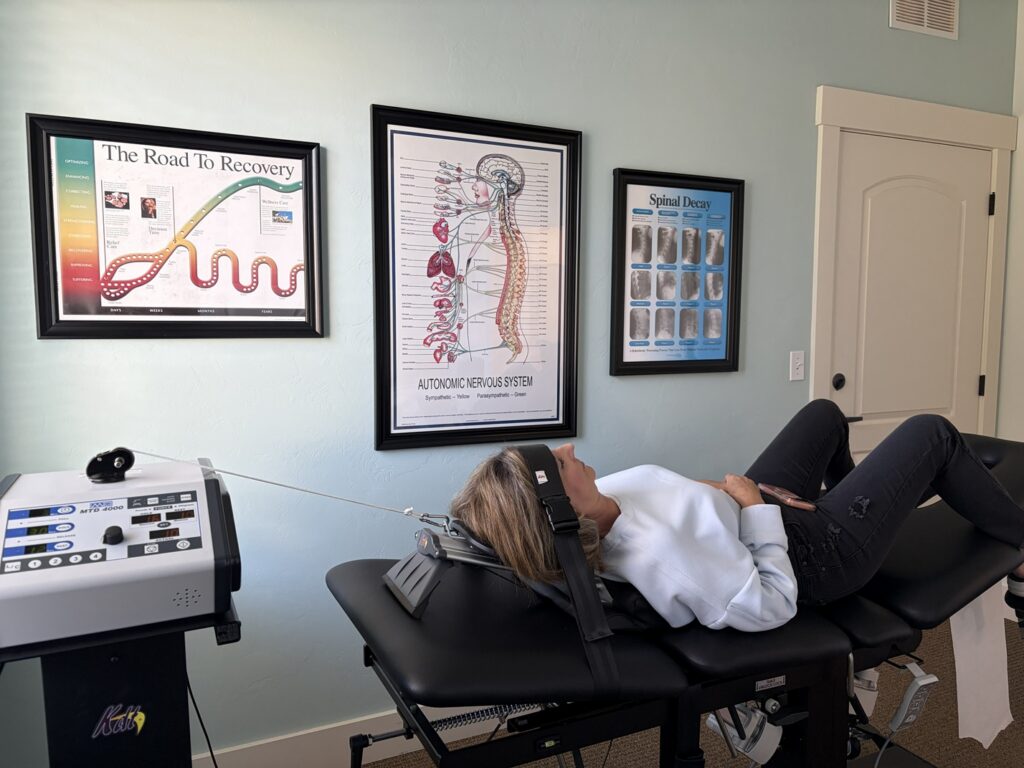

Improving your posture and relieving pain is not just about feeling better in the moment; it’s a crucial step towards achieving optimal health and wellness. As a chiropractor, I believe that the foundation of a healthy lifestyle starts with a well-aligned spine. By making simple adjustments to your workspace and daily habits, you can significantly enhance your comfort and productivity while also supporting your overall health.
From practicing mindful sitting to incorporating core-strengthening exercises, there are effective strategies that can help you feel great and maintain your spinal health. Curious about the best approaches to take? Let’s dive into ten practical methods that can transform how you sit, stand, and move throughout your day, all while emphasizing the importance of chiropractic care in your wellness journey.
- Ergonomic Workspace: Set up your desk and chair to promote good posture. Your screen should be at eye level, and your chair should support your lower back. Chiropractic adjustments can further enhance your spinal alignment as you adapt your workspace.
- Mindful Sitting: Practice sitting with your back straight and shoulders relaxed. Avoid slouching. Regular chiropractic visits can reinforce these habits by ensuring your spine is correctly aligned.
- Take Breaks: Stand up and stretch every 30-60 minutes. This helps to reset your posture and relieve tension. A chiropractor can guide you on effective stretches that support spinal health.
- Strengthen Your Core: A strong core is essential for good posture. Include exercises like planks and bridges in your routine. Chiropractic care can also provide insight into how to engage your core effectively.
- Footwear Matters: Wear supportive shoes that promote good alignment. Poor footwear can lead to pain and misalignment, which chiropractic adjustments can correct.
- Sleep Position: Ensure your sleep position supports your spine. Use a pillow that keeps your neck aligned with your spine. Chiropractic adjustments can help address any misalignments caused by poor sleeping habits.
- Stay Hydrated: Drink plenty of water to keep your discs hydrated. Proper hydration supports spinal health, and chiropractors often emphasize the importance of hydration in maintaining overall wellness.
- Mindful Movement: Be conscious of your posture when walking or lifting objects. Use your legs for lifting and avoid twisting your spine. Chiropractic care can help teach you proper body mechanics to avoid injury.
- Stress Management: High stress can lead to muscle tension and poor posture. Incorporate relaxation techniques such as deep breathing or yoga. Chiropractic adjustments can help release tension and promote relaxation.
- Regular Chiropractic Care: Finally, make chiropractic care a part of your wellness routine. Regular adjustments can help maintain spinal alignment, relieve pain, and support your overall health goals.
By integrating these strategies into your daily life and considering chiropractic care as your go-to solution for pain relief and wellness, you can significantly improve your posture and overall well-being. Remember, it’s all about making small, sustainable changes that lead to a healthier, happier you.
Key Takeaways
- Consider investing in an ergonomic chair and a sit-stand desk, as these tools can greatly support proper spinal alignment. They help reduce pressure on your back, making it easier for your spine to maintain its natural position, which is crucial for overall health.
- It’s important to listen to your body. Set reminders to take breaks every 30–60 minutes. During these breaks, stretch and move to alleviate tension and prevent stiffness. This practice not only feels good but also supports your spine’s health.
- Strengthening your core muscles is vital for supporting your spine. Simple exercises like planks and bridges can significantly improve your stability and posture. A strong core helps keep your spine aligned and can reduce discomfort.
- Incorporate regular stretching routines into your daily life. Focus on areas like your neck, shoulders, and lower back, as these are common trouble spots. Stretching enhances flexibility and helps relieve tension, contributing to better posture.
- Pay attention to your screen height and overall posture while working. Maintaining a neutral spine position minimizes neck strain and supports your back’s alignment. This adjustment can make a big difference in how you feel throughout the day.
By adopting these simple habits and considering regular chiropractic care, you can achieve optimal health and natural wellness. Chiropractors provide essential support for your spine, helping you find relief from pain and enhancing your overall quality of life.
Practice Mindful Sitting
As a chiropractor, I want to emphasize how crucial mindful sitting is for your spinal health and overall well-being. The way you sit can significantly influence your posture and comfort, and by making small adjustments, you can prevent pain and promote a healthier spine.
Start by ensuring your back is straight and your shoulders are relaxed. It’s essential to keep your feet flat on the floor and adjust your chair height so your knees are at a right angle. This position helps to maintain proper spinal alignment, reducing strain on your back.
Consider using a lumbar support cushion to support the natural curve of your lower back. This simple tool can make a big difference in how your spine feels while sitting. If you work at a desk, make sure your computer screen is at eye level to avoid straining your neck, which can lead to discomfort.
Don’t forget to take frequent breaks; standing up, stretching, or moving around every hour can help reset your posture and alleviate any tension that builds up from sitting. These small changes can lead to significant improvements in your comfort and spinal health.
Strengthen Core Muscles
Strengthening your core muscles is crucial for maintaining good posture and alleviating back pain. Your core encompasses more than just your abdominal muscles; it also includes the muscles in your back, sides, and pelvis. When these muscles are strong, they provide essential support to your spine, aiding in proper posture whether you’re sitting or standing.
Incorporating core exercises into your routine can significantly enhance your overall health. Simple movements such as planks, bridges, and bird-dogs engage multiple muscle groups, improving stability and balance. It’s beneficial to include core workouts at least three times a week to help fortify these critical muscles.
As a chiropractor, I emphasize the importance of maintaining proper form during these exercises. Poor technique can lead to injury and may undermine the benefits you’re trying to achieve. If you’re unsure about your form, consider consulting with a chiropractor who can provide guidance and ensure you’re performing exercises safely.
As you become more comfortable with these exercises, you can gradually increase the intensity or duration to continue challenging your muscles. Remember, a strong core not only supports your spine but also contributes to overall wellness, helping to prevent injuries and improve your quality of life.
In addition to core workouts, regular chiropractic care can play a vital role in optimizing your spinal health. By aligning your spine and enhancing your body’s natural healing processes, chiropractic adjustments can complement your exercise routine and support a pain-free lifestyle. Prioritize your health by strengthening your core and considering chiropractic care as a natural and effective pathway to wellness.
Incorporate Stretching Routines
Incorporating stretching routines into your daily regimen can significantly improve your posture and relieve muscle tension, ultimately supporting your spinal health.
Regular stretches enhance flexibility, making it easier to maintain proper alignment throughout the day. It’s essential to focus on areas that commonly hold tension, such as your neck, shoulders, and lower back, as these can contribute to discomfort and misalignment.
To maximize the benefits of stretching, consider starting your day with dynamic stretches. These help wake up your body and prepare it for movement.
In the evening, static stretches can promote relaxation and help unwind after a long day. A simple routine might include neck rolls, shoulder shrugs, and gentle forward bends. Aim to hold each stretch for at least 15-30 seconds, and remember to breathe deeply to enhance relaxation.
Additionally, incorporating practices like yoga or Pilates into your weekly routine can be incredibly beneficial. These activities not only promote flexibility but also enhance body awareness, allowing you to recognize when you’re slouching or holding tension.
By committing to regular stretching, you’ll likely notice an improvement in your posture, leading to reduced pain and greater overall well-being.
Remember, chiropractic care is an excellent way to support your body’s natural healing processes and maintain optimal spinal health. Regular visits to a chiropractor can help ensure that your spine is aligned and functioning properly, allowing your stretching routine to be even more effective.
Together, stretching and chiropractic care can lead you to a healthier, pain-free life.
Use Ergonomic Furniture
Using ergonomic furniture can significantly enhance your workspace, contributing to a healthier environment that supports good posture throughout your day. As a chiropractor, I often see how investing in an ergonomic chair plays a vital role in spinal health. An ergonomic chair not only supports your lower back but also encourages natural spinal alignment, helping you avoid discomfort and tension.
When selecting an ergonomic chair, look for adjustable features that allow you to customize the height and armrests. This ensures that your feet rest flat on the floor, which is crucial for maintaining balance and reducing strain on your back. Remember, proper alignment can do wonders for your overall well-being.
Incorporating a sit-stand desk into your workspace is another excellent choice. Alternating between sitting and standing can alleviate pressure on your back and neck, preventing the wear and tear that often leads to chronic pain. Make sure your desk is set at an appropriate height to avoid hunching over, which can lead to misalignment and discomfort.
Don’t forget about the smaller accessories! Using keyboard trays and mouse pads that promote a neutral wrist position can help prevent strain during long hours of typing. These small adjustments can make a big difference in your comfort level.
Adjust Your Screen Height
Adjust Your Screen Height for Better Posture and Health
As a chiropractor, I understand the importance of maintaining good posture to support your spine and overall health. One often overlooked aspect of good posture is the height of your computer screen.
When your screen is at eye level, it allows you to keep your head upright, which can help prevent discomfort and long-term spinal issues. Here are some simple tips to ensure your screen is set up for optimal health:
- Eye Level: Aim to position the top of your screen at or just below your eye level. This keeps your neck in a neutral position, avoiding unnecessary strain.
- Distance Matters: Your screen should be about an arm’s length away. This distance helps to reduce eye strain, allowing you to focus comfortably without leaning forward or squinting.
- Tilt for Comfort: Tilt your screen slightly backward (about 10 to 20 degrees). This small adjustment can minimize glare and create a more comfortable viewing angle, which is essential for reducing tension in your neck and shoulders.
- Consider a Stand: If your screen isn’t adjustable, consider investing in a monitor stand or an adjustable riser. This can help you easily achieve the correct height, supporting your posture and spinal health.
Take Regular Breaks
Taking regular breaks is crucial for your spinal health and overall well-being. As a local chiropractor, I can’t stress enough how stepping away from your screen frequently can help maintain good posture and reduce discomfort. Set reminders to take a break, stretch, and move around—it’s not just good for your body, but it also helps refresh your mind.
In addition to regular breaks, consider alternating your activities. This simple change keeps your body engaged and helps prevent stiffness, especially in the neck and back areas. Remember, incorporating stretches specifically designed to alleviate tension in your spine can make a significant difference in how you feel throughout the day.
Chiropractic care is a fantastic resource for achieving optimal health. Regular visits can help you maintain proper alignment and function, ultimately reducing pain and enhancing your quality of life. So, take those breaks and consider chiropractic adjustments as part of your wellness routine for a healthier, pain-free lifestyle.
Set Reminders Frequently
As a local chiropractor, I understand how easy it can be to lose track of time while working, which often leads to long periods of sitting that can strain your spine and body. Regular breaks are essential for maintaining good posture and reducing discomfort.
Here are some effective strategies to help you incorporate reminders into your routine, promoting better spinal health and overall wellness:
- Use a Timer: Set your phone or computer to alert you every 30-60 minutes. This simple reminder can encourage you to get up, move around, and give your spine the relief it needs.
- Calendar Notifications: Schedule recurring breaks in your digital calendar. By treating these breaks as appointments, you stay accountable and prioritize your health throughout the day.
- Wellness Apps: Consider downloading apps specifically designed to remind you to take breaks and stretch. Many of these apps can provide guided exercises that are beneficial for spinal health.
- Visual Cues: Place sticky notes on your workspace with reminders to stand up and stretch. These visual prompts can serve as helpful nudges to keep your body moving.
Incorporating these tips into your daily routine can significantly improve your posture and reduce pain. Remember, chiropractic care is also an excellent option for achieving optimal health and wellness.
Regular adjustments can help align your spine, relieve tension, and support your overall well-being. Embrace these practices, and your body will thank you!
Stretch and Move
When you find yourself sitting for extended periods, your body naturally yearns for movement to maintain its health and alleviate discomfort. As a chiropractor, I can’t stress enough how crucial it’s to take regular breaks to support good posture and reduce tension in your spine. Setting a timer to remind yourself to stand up and stretch every 30 to 60 minutes can make a world of difference.
During these breaks, engage in simple stretches that promote spinal health. For instance, reaching your arms overhead can open up the chest and stretch the spine. Gently twisting your torso from side to side helps keep your spine flexible and reduces tightness. These movements not only ease tension but also enhance blood circulation, which is vital for overall wellness.
Incorporating short walks around your workspace can further invigorate your body and boost your energy levels. Movement is key to keeping your spine and joints healthy, and it’s an essential part of a holistic approach to wellness. Remember, chiropractic care is designed to help your body function at its best by ensuring proper alignment and movement.
Alternate Activities Regularly
Switching up your daily activities can significantly improve your posture and alleviate discomfort. When you’re stuck in one position for too long, it’s common for your muscles to become tense and fatigued.
As a chiropractor, I encourage you to incorporate these simple activities into your routine to support your spine and overall well-being:
- Stand Up – Set a reminder to stand and stretch your legs every hour. This simple action can help relieve pressure on your spine and improve circulation.
- Walk – Use your breaks for short walks, whether it’s around your home, office, or outside. Walking is a natural way to keep your muscles engaged and promote spinal health.
- Change Tasks – Alternate between sitting and standing tasks. This variation helps distribute the workload across different muscle groups, reducing strain and preventing fatigue.
- Engage in Hobbies – Spend time on activities such as gardening, dancing, or playing sports. These hobbies not only keep you moving but also contribute to a healthier spine.
By making these small changes in your daily routine, you can support your body’s natural healing processes and promote better posture.
Chiropractic care can further enhance these efforts by addressing any underlying issues and ensuring your spine is aligned for optimal health. Remember, your body is designed to move, so incorporate these activities for a healthier, pain-free life!
Maintain a Neutral Spine
Maintaining a neutral spine is crucial for your overall health and comfort, and as a chiropractor, I can’t stress enough how important this is for achieving natural wellness. A neutral spine means your back retains its natural curves without excessive bending or arching. This position not only helps distribute your body weight evenly but also reduces strain on your muscles and ligaments, promoting better health.
To achieve a neutral spine, it’s important to be mindful of your posture whether you are sitting, standing, or moving. Here are some simple tips to help you maintain that ideal position:
| Position | Tips for Neutral Spine |
|---|---|
| Sitting | Keep your feet flat on the floor, your back straight, and your shoulders relaxed. Consider using a chair that supports your lower back. |
| Standing | Distribute your weight evenly on both feet and engage your core muscles. A slight bend in the knees can also help. |
| Lifting | Always bend at the hips, keep the object close to your body, and maintain a straight back to avoid unnecessary strain. |
Wear Supportive Footwear
Your posture isn’t just about how you sit or stand; it’s also significantly influenced by what you wear on your feet. Choosing supportive footwear is crucial for maintaining proper alignment and minimizing discomfort. When your feet are well-supported, your entire body can function better, leading to improved posture and overall wellness.
Here are four essential features to look for in supportive footwear that can help you on your journey to optimal health:
- Arch Support: Proper arch support helps distribute your weight evenly across your feet, which can alleviate strain on your feet, back, and spine. This alignment is vital for maintaining good posture.
- Cushioning: Shoes with adequate cushioning can absorb shock with every step, making your movements more comfortable and reducing the jarring impact on your joints. This can help you avoid unnecessary pain and discomfort.
- Stability: Look for footwear with a sturdy sole and heel. This stability helps keep your foot aligned, preventing issues like overpronation or supination, which can lead to pain and misalignment in your spine.
- Fit: It’s essential that your shoes fit properly. Choose the right size and ensure there’s enough room for your toes to move freely. A good fit promotes healthy foot movement, which is important for your overall posture and well-being.
Investing in quality footwear is a simple yet effective step you can take to support your posture and enhance your health. Remember, while supportive shoes are beneficial, regular chiropractic care can provide additional support for your spine and overall wellness.
Perform Posture Exercises
Incorporating posture exercises into your daily routine can significantly enhance not just how you carry yourself, but also your overall health and well-being. These targeted movements not only strengthen your muscles but also improve flexibility and promote better spinal alignment, all of which are key components of optimal health. As a chiropractor, I believe that focusing on your posture is a natural and effective way to alleviate pain and prevent future discomfort. Here are some simple yet effective exercises to get you started on your journey to better posture and health:
| Exercise | Description |
|---|---|
| Wall Angels | Stand with your back against a wall, and slide your arms up and down while keeping them in contact with the wall. This helps to open up your shoulders and improve alignment. |
| Cat-Cow Stretch | Start on all fours and gently alternate between arching your back (cat) and lowering your belly (cow). This movement promotes spinal flexibility and can relieve tension. |
| Shoulder Blade Squeeze | While sitting or standing, squeeze your shoulder blades together, hold for a few seconds, and then release. This exercise strengthens the muscles between your shoulder blades, which is crucial for good posture. |
| Chin Tucks | Sit up straight and gently tuck your chin towards your chest, holding for a few seconds. This movement helps to align your head over your spine, reducing strain. |
| Planks | Hold a plank position to engage your core and promote spinal alignment. This exercise not only strengthens your core but also supports your back. |
Incorporating these exercises into your daily routine can lead to lasting benefits for your posture and overall health. Remember, maintaining good posture is key to avoiding pain and discomfort. If you’re experiencing any issues, consider visiting a chiropractor who can provide personalized care and guidance tailored to your needs. By focusing on natural methods of healing and wellness, you can achieve optimal health without the need for medications or surgeries. Take the time to prioritize your posture, and your body will thank you!
Stay Hydrated and Nourished
Staying hydrated and nourished is essential for maintaining good posture and relieving pain, especially when it comes to your spinal health. As a chiropractor, I often see how proper hydration and a nutritious diet can significantly enhance your body’s ability to function optimally and support your posture.
When your body is well-hydrated and fueled with nutrient-rich foods, it can better withstand the stresses we place on it daily, leading to improved overall well-being.
Drinking enough water helps keep your spinal discs hydrated, which is crucial for maintaining their height and cushioning abilities. This can help prevent pain and discomfort in your back. Aim for at least eight glasses of water a day, and remember to listen to your body’s thirst signals.
In addition to hydration, focusing on a diet rich in vitamins, minerals, and antioxidants can contribute to a healthier spine. Foods like leafy greens, nuts, seeds, and lean proteins provide the nutrients your body needs to repair and maintain strong muscles and bones, which are vital for good posture.
Here are a few tips to incorporate these habits into your daily routine:
- Carry a Water Bottle: Keep a reusable water bottle with you throughout the day to encourage regular hydration.
- Snack Wisely: Choose snacks that are high in nutrients, such as fruits, vegetables, and whole grains, to fuel your body and support your spinal health.
- Practice Good Posture: Being mindful of your posture while sitting or standing can help alleviate pain and discomfort. Consider setting reminders to check in with your posture throughout the day.
- Regular Chiropractic Care: Regular visits to your chiropractor can help ensure your spine is aligned and functioning properly, enhancing the benefits of staying hydrated and nourished.
Importance of Hydration
Hydration is essential for maintaining overall health and well-being, especially when it comes to your spine and alleviating pain. Staying properly hydrated helps keep your muscles and joints lubricated, which can significantly reduce stiffness and discomfort.
When your body is well-hydrated, it can more effectively distribute nutrients, promoting recovery and enhancing performance.
As a chiropractor, I understand how crucial hydration is to spinal health and overall wellness. Here are some simple tips to ensure you’re getting enough water throughout your day:
- Drink water regularly: Make it a habit to sip water throughout the day, not just when you’re feeling thirsty. Keeping a water bottle nearby can help remind you to stay hydrated.
- Add hydrating foods to your diet: Incorporate fruits and vegetables, such as cucumbers, watermelon, and oranges, which can provide additional hydration and nutrients that support your body’s health.
- Be mindful of caffeine and alcohol: While enjoyable in moderation, these beverages can lead to dehydration. Try to balance your intake with plenty of water.
- Check your urine color: A simple way to gauge your hydration level is by observing the color of your urine. If it’s dark, it’s a sign that you need to drink more water.
Remember, hydration is a key part of maintaining a healthy spine and reducing pain. Along with regular chiropractic adjustments, proper hydration can help you feel your best and support your journey to natural wellness.
Prioritize these habits to help your body function optimally!
Nutrient-Rich Foods
Staying hydrated is crucial for your overall health, but equally important is nourishing your body with foods that promote wellness and support spinal health. As a chiropractor, I emphasize the value of incorporating a mix of nutrient-rich foods into your daily diet. Think about filling your plate with colorful fruits, vibrant vegetables, whole grains, lean proteins, and healthy fats. These foods not only help you maintain a healthy weight but also play a key role in supporting good posture and alleviating discomfort.
For instance, foods packed with antioxidants, such as berries and leafy greens, can help reduce inflammation in your body, which is often a source of pain. Additionally, incorporating omega-3 fatty acids from sources like fish can enhance joint health, making movement easier and more comfortable. Don’t overlook the importance of calcium and vitamin D either; they’re vital for maintaining strong bones, which are essential for a healthy spine.
When you nourish your body with the right foods, you empower yourself to feel stronger and more energized throughout the day. This energy boost can significantly improve your posture and overall comfort. Remember, a balanced diet is a powerful tool in your wellness journey, complementing the benefits of chiropractic care.
Conclusion
Improving your posture and relieving pain is not only possible but also essential for your overall health! As a chiropractor, I can tell you that making simple changes can lead to significant improvements in your comfort and well-being. By focusing on mindful sitting, strengthening your core, and making ergonomic adjustments to your workspace, you can support your spine and reduce discomfort.
Remember to take regular breaks throughout the day to move and stretch—this can help prevent stiffness and keep your body aligned. Staying hydrated is also crucial, as it supports overall health and helps maintain the elasticity of your spinal discs.
Choosing supportive footwear is another key factor in promoting healthy posture. Shoes that provide proper support can make a big difference in how your body feels throughout the day.
Incorporating specific posture exercises into your daily routine can further enhance your spinal health. These exercises help strengthen the muscles that support your spine, making it easier to maintain good posture and reduce pain.
With a consistent and proactive approach to your health, you can not only feel better but also improve your overall quality of life. Embrace the journey towards a healthier, more aligned you by prioritizing chiropractic care as your go-to solution for pain relief and wellness. Start making these changes today, and let’s work together towards achieving optimal health!